Excited to share that our department presented at the 2025 Society for Freshwater Science (SFS)! Adrian & Ria from the Anderson Lab shared latest work on river connectivity, metacommunity dynamics, and size spectra as a bioindicator in urban systems #EcologyInAction
@lukejharmon & I have a new @biorxivpreprint pre-print describing a not-so-new semiparametric phylogenetic comparative method that Luke devised but had never published.
Check it out here: https://t.co/OHv1gDQhew.
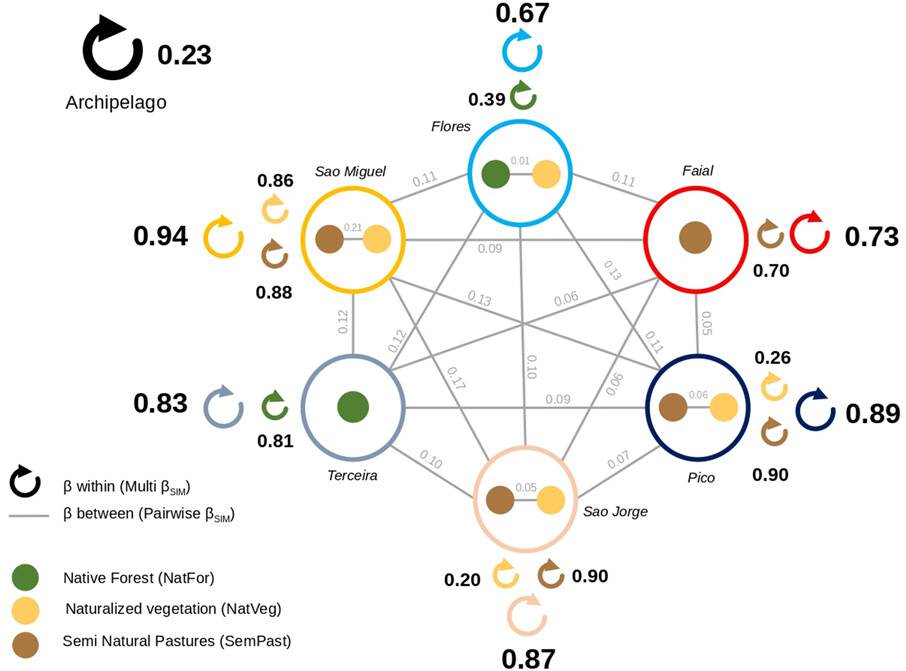
Sample coverage affects diversity measures of bird communities along a natural recovery gradient of abandoned agriculture in tropical lowland forests 🐦
Stresses the importance of standardizing biodiversity measures and incorporating beta diversity 📑
🔗 https://t.co/2pyDqp10sk
🚨🚨 Calling all Eng, Chem, Bio, Econ, CS, and Policy college students! Looking for summer research? Interested in developing nextgen chemical manufacturing technologies? Check out our REU at CURB. Applications due Feb 28, mentor letters March 15. https://t.co/bUFzGJuhwK
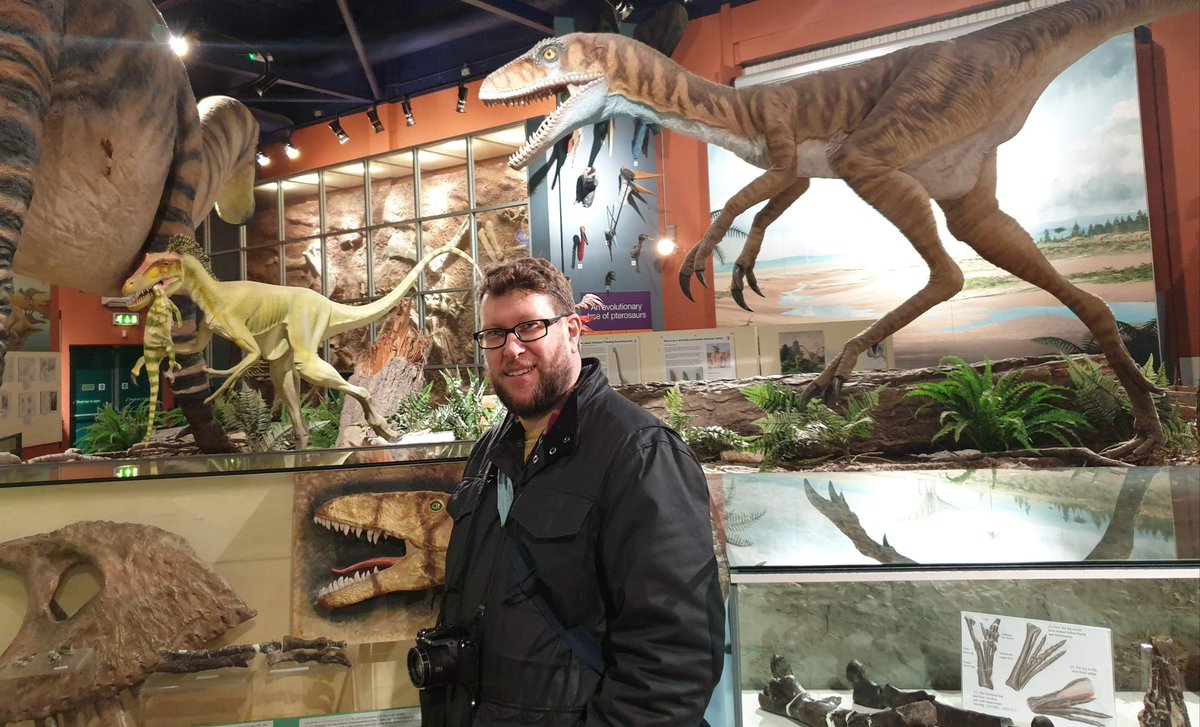
I've worked on the diversity, anatomy and systematics of Wealden Supergroup theropod #dinosaurs - those from SE England's Lower Cretaceous - since the late 1990s, but recent years have seen a number of major advances and surprise finds. Here's a thread on recent writings... 1/x
Amen. When I interviewed at Bell Labs at the end of graduate school, I was asked to prepare a 45 min talk that took me 90 min to deliver -- thanks to all the interrupting questions and debate that ensued. It was fantastic! It meant that they cared, and they pushed me in directions I hadn't considered, despite being the nominal expert in my subject. Too often today when I attend a talk, many are not paying much attention (laptops and phones), and the speaker receives little feedback except empty compliments or a few softball questions at the end. Even worse, some speakers take offense at being pushed to defend their work, further stifling intellectual exchange. They should remember that constructive critics are doing them a favor, and that it is an extreme privilege to have the freedom to do science.
Same holds true when scientists post their latest work. Rather than empty compliments and congratulations, they would be better served by thoughtful criticism and questions. This is particularly true for preprints, where the hive mind of X could go a long way to turning a good manuscript into a great publication.
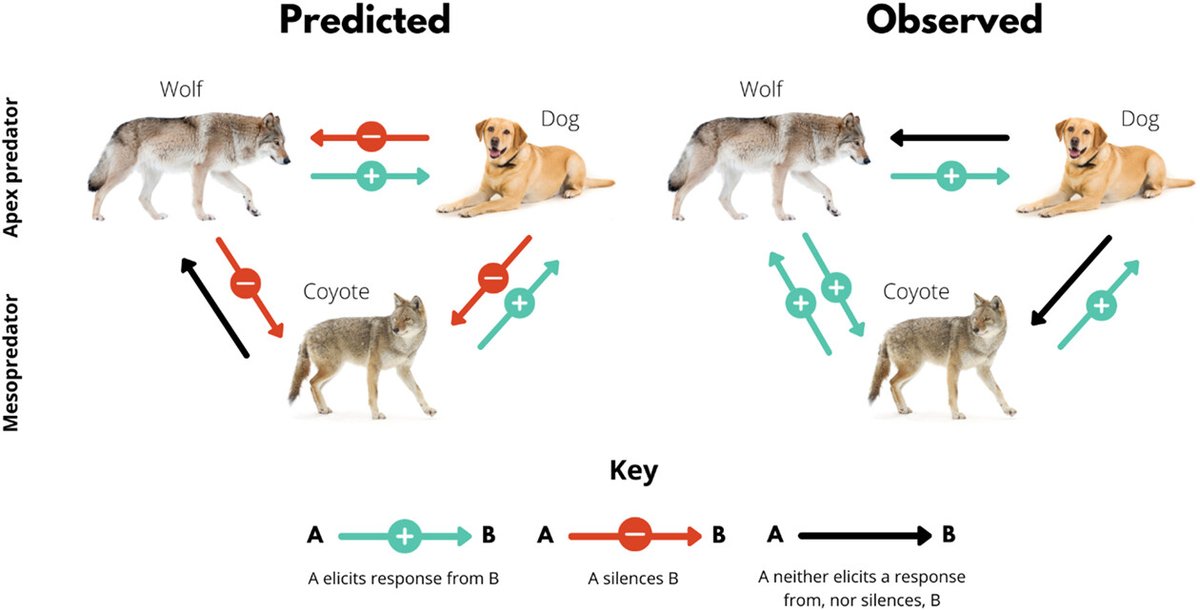
Not afraid of the big bad wolf: calls from large predators do not silence mesopredators https://t.co/CvLVjT4oJm #wolves#dogs#coyotes@NordicOikos @WileyEcolEvol