How can we advance students from comprehension to prediction in physiology? Using the classic Wiggers diagram, this work demonstrates a logic-driven approach to connecting mechanistic events and supporting causal reasoning.
E. P. Silldorff et al.
https://t.co/OP2dWm59XN
🧪 New Open Access: Teaching Innovation!
Explore “Goat rib bone marrow thick smear preparation as a low-cost, ethical, and high-utility laboratory exercise for teaching hematopoiesis” by Jeevitha Poorasamy et al.
🖱️ https://t.co/dXru93lVLB
✨Call for Papers @AdvPhysiolEduc
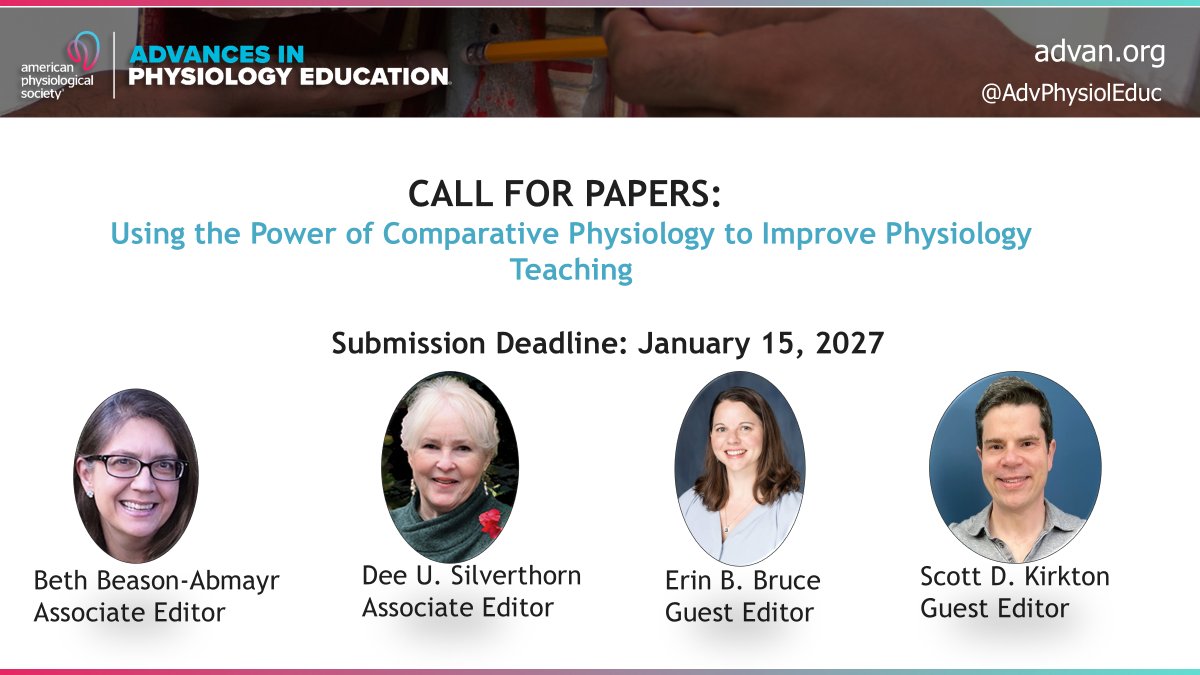
Ready to elevate how physiology is taught? Share your insights in the special collection: “Using the Power of Comparative Physiology to Improve Physiology Teaching.”
📅Deadline: Jan 15, 2027
🖱️Submit Now: https://t.co/GPyOki9aUt
New 🔓 Open Access @AdvPhysiolEduc: Integrating experimental design and statistics throughout an undergraduate human physiology laboratory course.
Gregory J. Mitchell and Erica A. Wehrwein
➡️https://t.co/5NcZ5uibQW
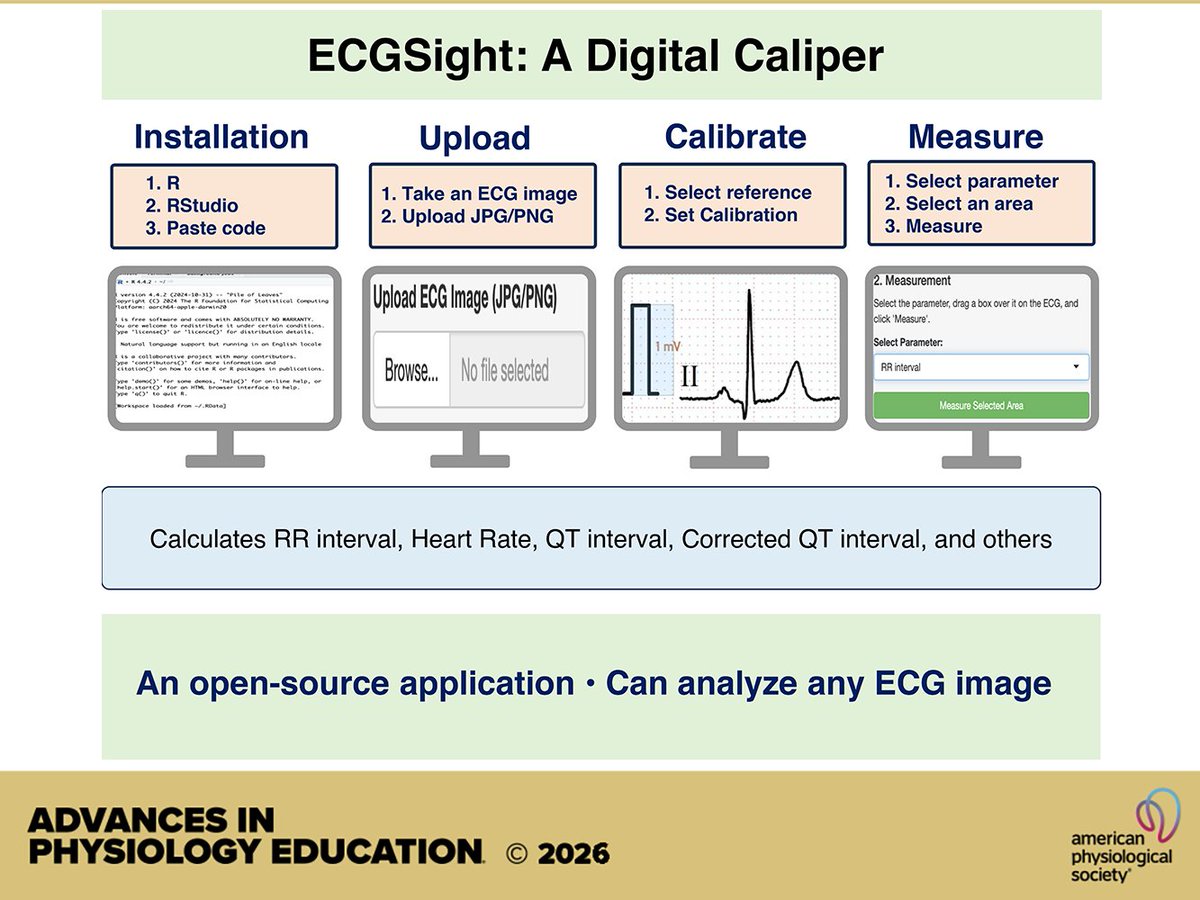
Check out this new Illuminations Article, “ECGSight: a digital caliper application for teaching electrocardiogram interpretation in undergraduate medical education,” by Himel Mondal et al.
🖱️ https://t.co/vXVZB2FtbX
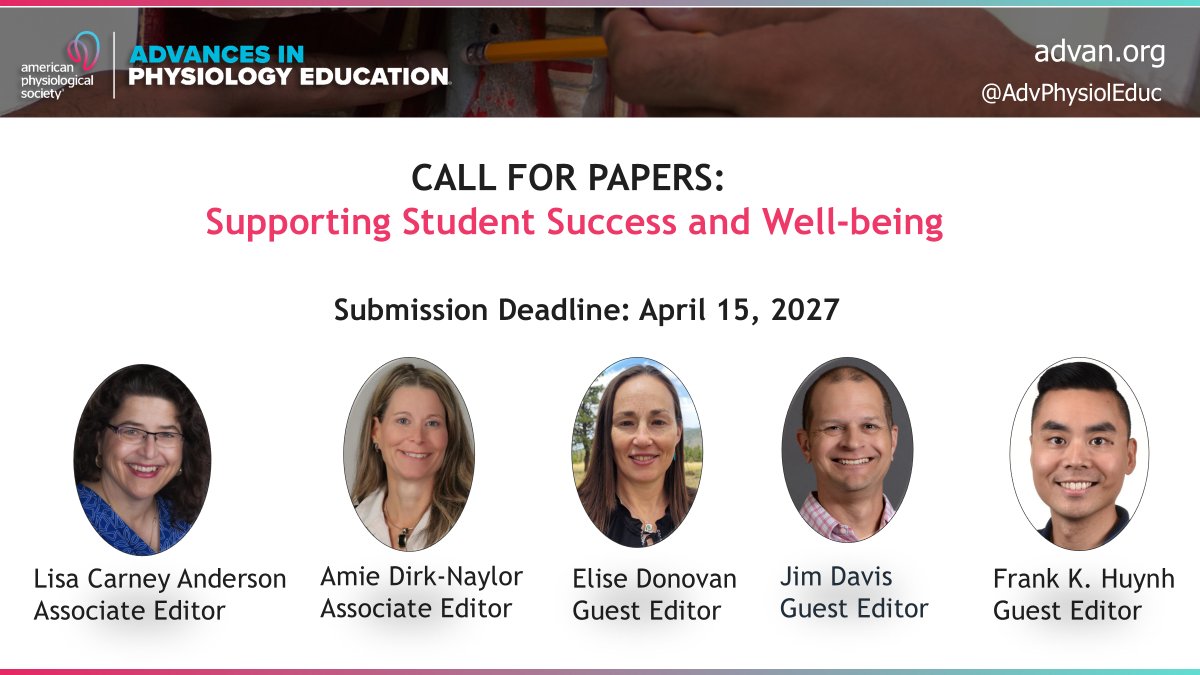
📢Call for Papers @AdvPhysiolEduc
How can we better support student success and well-being in physiology and biomedical science education? Share your research, innovations, and best practices.
📅 Deadline: April 15, 2027
📚 Submit now: https://t.co/2rXGfgmXZ0
🔓Open access: Historical Perspectives
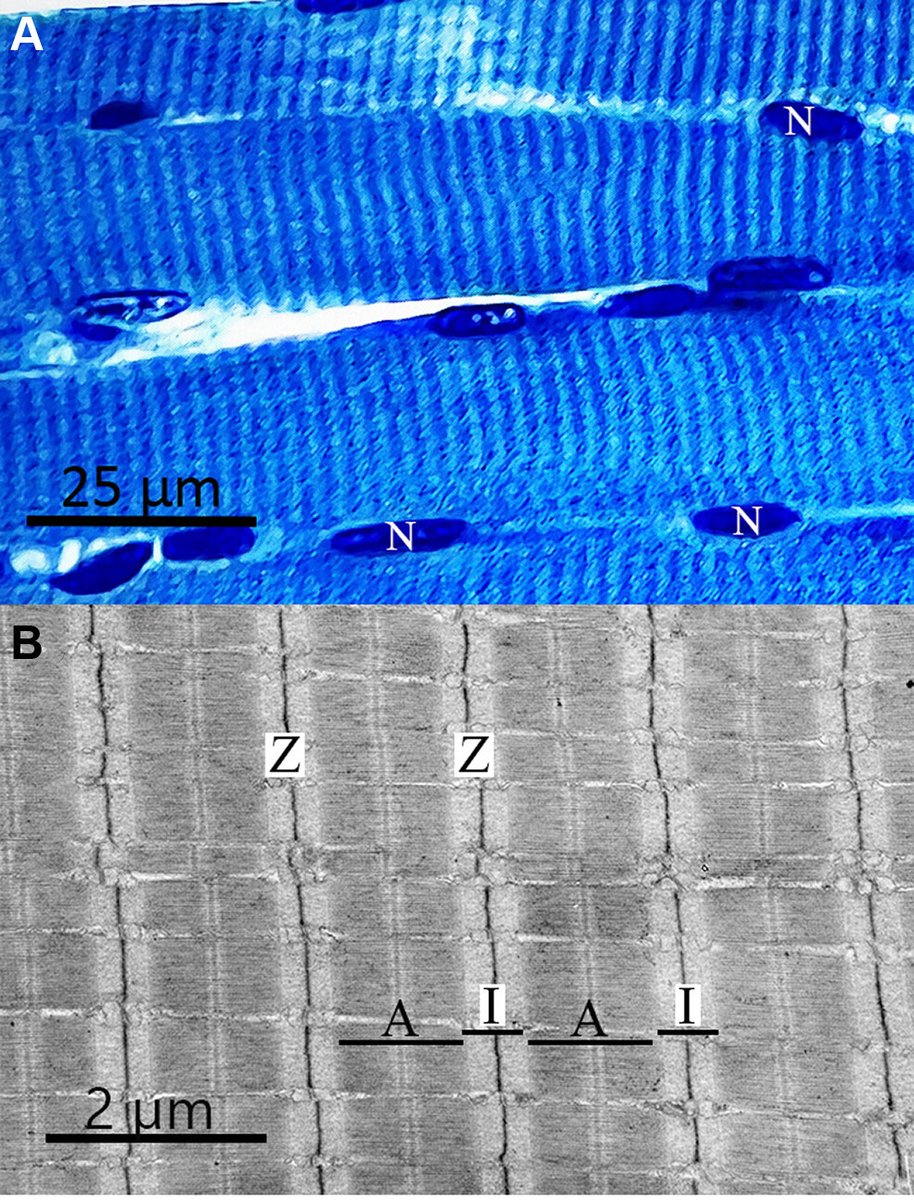
“Why are some muscles striated? A structural mechanism that amplifies shortening velocity”
Scott Medler
🖱️ https://t.co/Aa3rhB9QJf
#StriatedMuscle#SkeletalMuscle
🆕Podcast Alert! 🎙️Michael Scullin discusses their recently published article, “Sleep and circadian predictors of academic performance and retention in STEM pathways: a longitudinal study in university freshmen”
➡️ https://t.co/TlWeaAWPZg
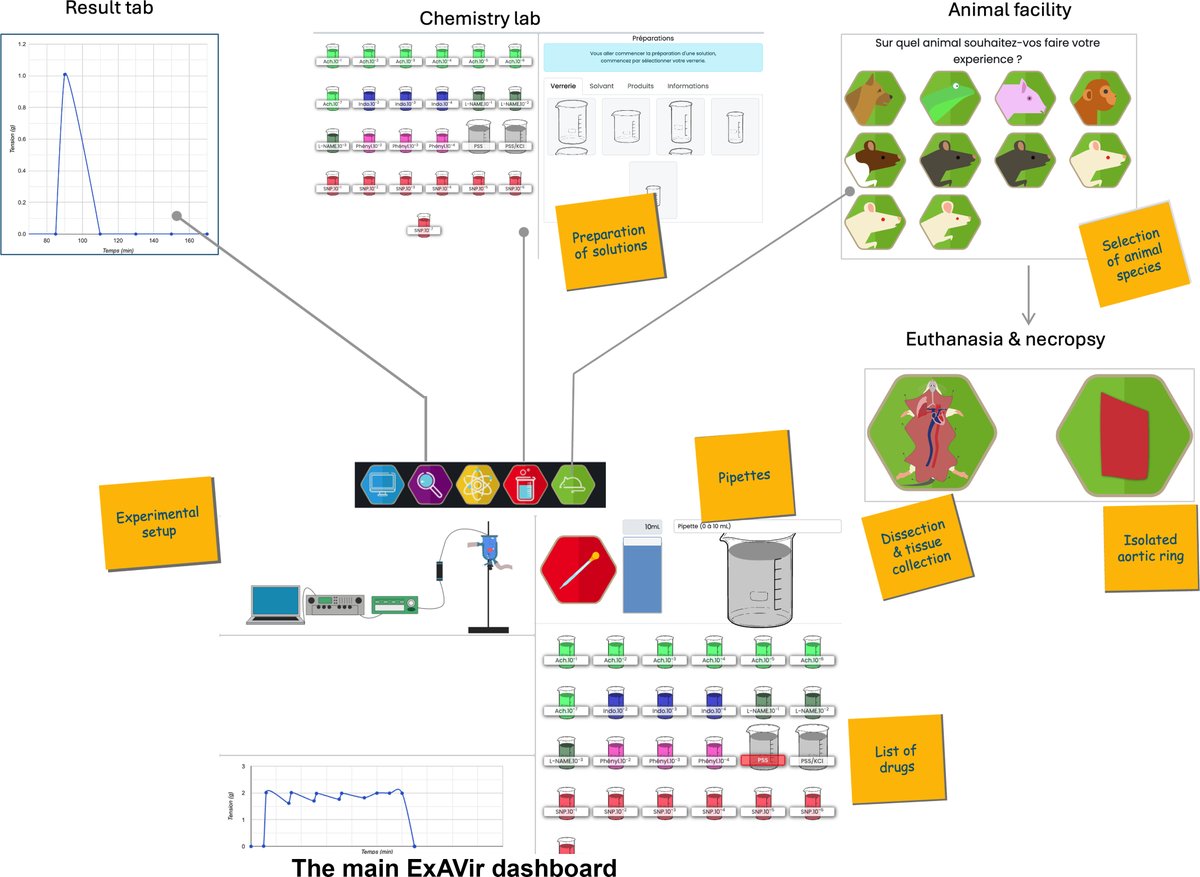
🔓 #OpenAccess | Teaching Innovations: Using a Physiology Virtual Laboratory to Explore Vascular Reactivity: feedback from undergraduate biology students in France by Christopher O. Soulage et al.
https://t.co/4fGnBybYtt
🎙️ Podcast Alert! Akshata Naik and coauthors discuss their recently published article, “Leveraging H5P plug-in technology to increase interactivity within an asynchronously delivered physiology lecture in the first year of medical school”
🎧 https://t.co/KWYTpuZP8k
✨Call for Papers @AdvPhysiolEduc
Ready to elevate how physiology is taught? Share your insights in the special collection: “Using the Power of Comparative Physiology to Improve Physiology Teaching.”
📅Deadline: Jan 15, 2027
🖱️Submit your paper: https://t.co/HCLndROLms
🚨New Podcast Alert! 🎙️Dr. Jeffrey Grim and coauthors discuss their published article, “Faculty can use collaborative group exams to facilitate peer interactions that enhance learning opportunities and increase student well-being in their classrooms”
🎧 https://t.co/t6995bUWed
🔓 #OpenAccess | A Personal View: An Exam Is a Moral Document by Gregory J. Crowther explores the values and assumptions embedded in assessment and what they mean for teaching and learning.
https://t.co/wyePFHKedA
#SummativeAssessment
📢 New Call for Papers!
How can we better support student success and well-being in physiology and biomedical science education? Share your research, innovations, and best practices.
📅 Deadline: April 15, 2027
📚 Submit now: https://t.co/OdL8aKANsA
🆕Podcast Alert! 🎙️Prof. David Lewis discusses his recently published article, “Reducing, and ultimately replacing, the involvement of animals in education: legislative, ethical, and societal drivers for change”
➡️ https://t.co/So694hcACR
🔓 #OpenAccess | A Personal View: Meeting Challenges in Physiology Education with Teaching Innovations by Patricia A. Halpin explores creative approaches to advancing physiology education and engaging today's learners.
🖱️https://t.co/c89x66IZl2
#innovation#collaboration
✨Call for Papers @AdvPhysiolEduc
Ready to elevate how physiology is taught? Share your insights in the special collection: “Using the Power of Comparative Physiology to Improve Physiology Teaching.”
📅Deadline: Jan 15, 2027
🖱️Submit your paper: https://t.co/EoygbJuvMN
🔓 #OpenAccess | Staying Current: Physiology of Nutrient Intake and Absorption During Pregnancy by Kathryn L. Gatford et al. explores the physiological adaptations that support maternal and fetal health.
https://t.co/5C77dC5ekL
#pregnancy#gastrointestinalabsorption
📢 New Call for Papers!
How can we better support student success and well-being in physiology and biomedical science education? Share your research, innovations, and best practices.
📅 Deadline: April 15, 2027
📚 Submit now: https://t.co/3NAilFaPbA