Generate further evidence about spatial repellents to help prevent vector-borne diseases like malaria and dengue. Led by Univ. of Notre Dame. Funded by Unitaid.
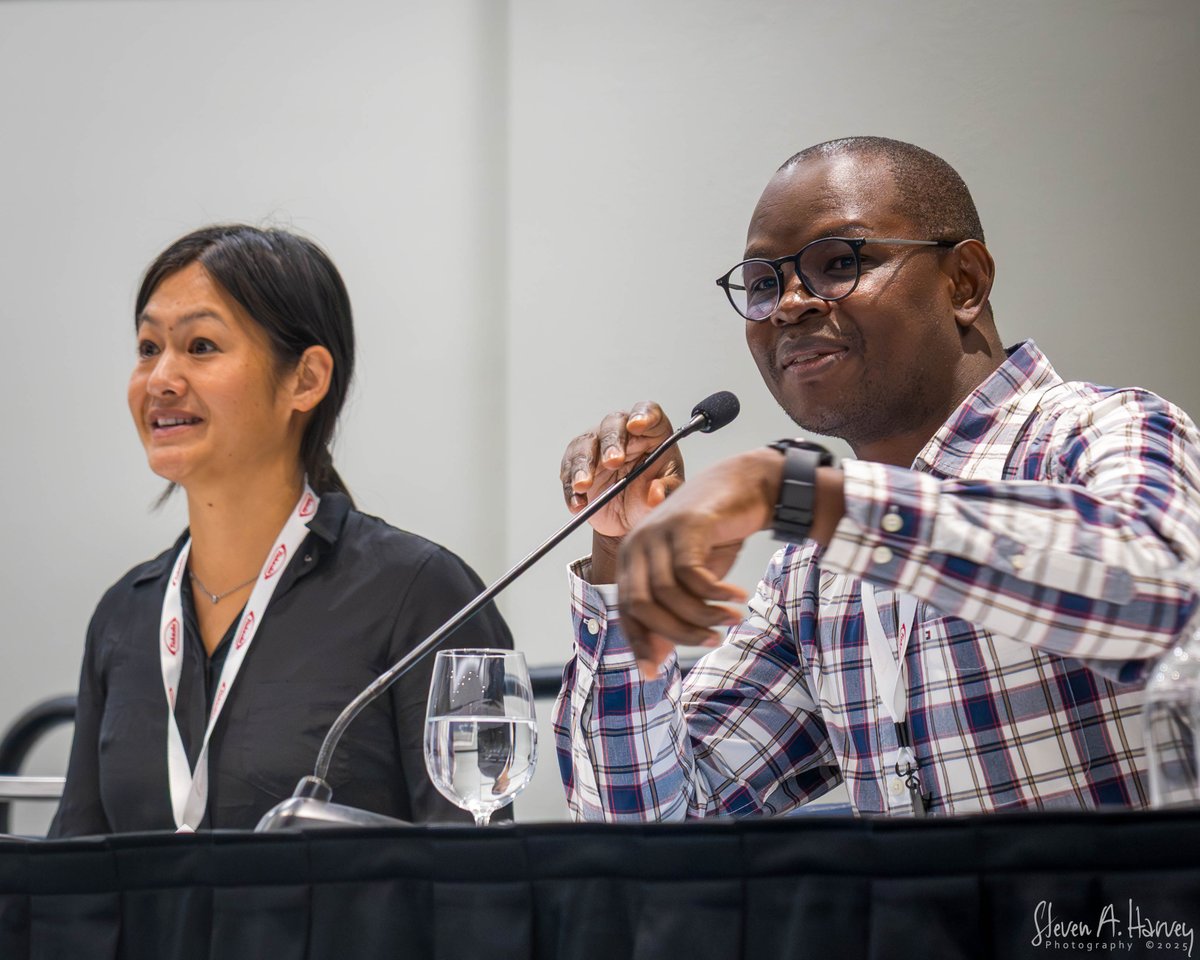
@JohnsHopkinsSPH and AEGIS representation at #TropMed25 sharing findings and observations from a retail audit conducted in Bidibidi refugee settlement in Uganda. Thanks Steve and Kaci for continuing to show up and share lessons learned to the scientific community!
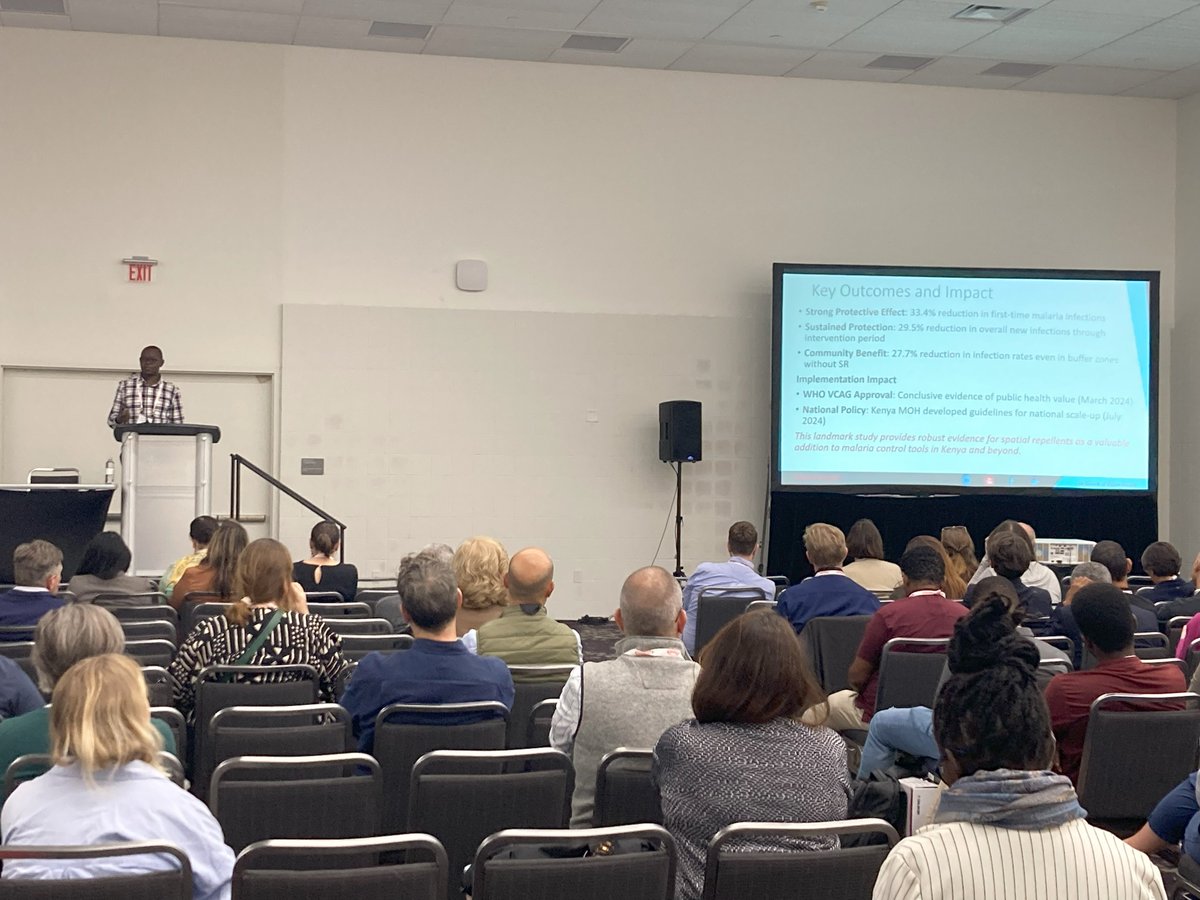
A huge AEGIS milestone achieved! The WHO announced a conditional recommendation for SRs in the fight against #malaria, informed by studies including the AEGIS Kenya cRCT, led by @NotreDame & @KEMRI_Kenya and funded by @UNITAID.
Learn more: https://t.co/wa0TPpgAr9
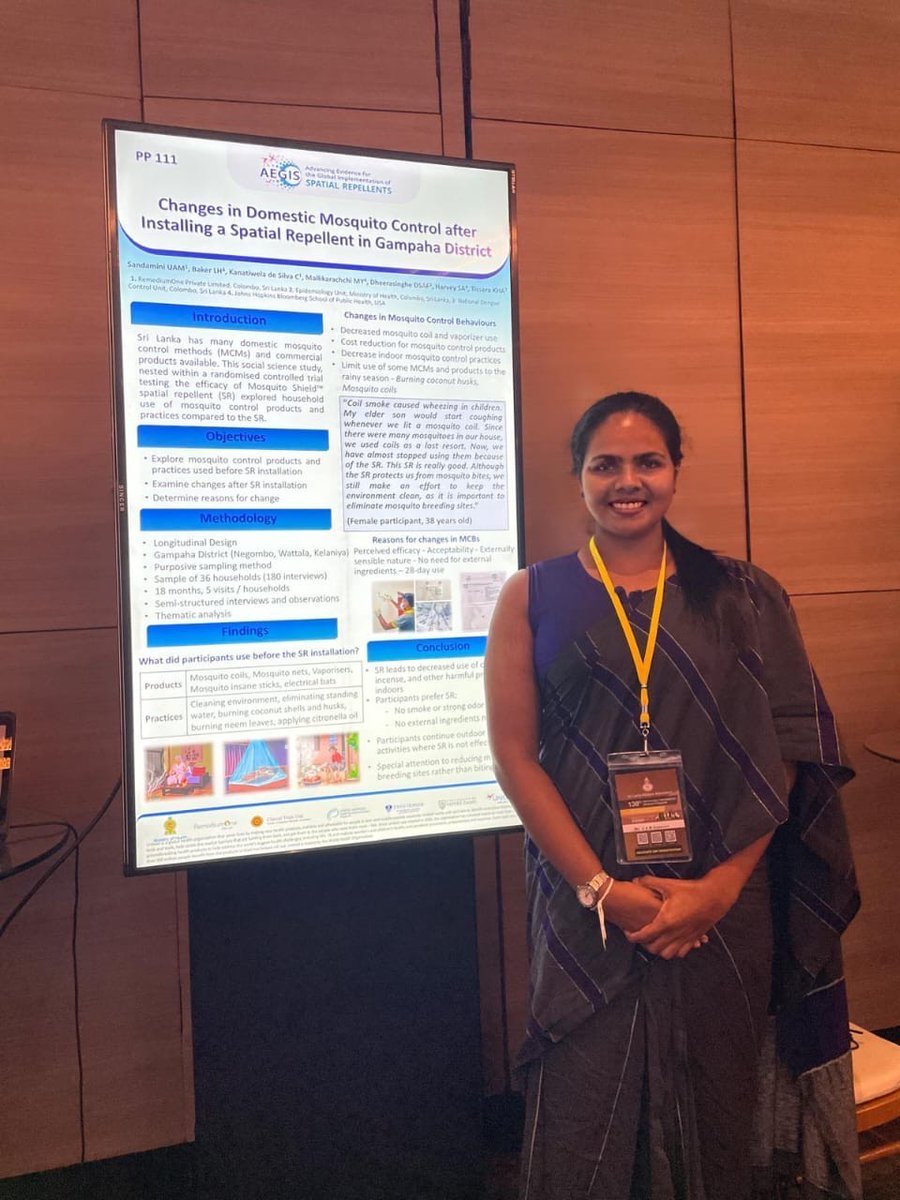
Madhushi Sandamini from the @RemediumOne team presented a poster titled, "Changes in Domestic Mosquito Control after installing a spatial repellent in Gampaha District" at the 138th Anniversary International Medical Congress of the Sri Lanka Medical Association in July.
“Capturing such early perceptions can enhance both the design and messaging of future interventions to better align with community needs”
New paper from @KEMRI_Kenya@JohnsHopkinsIH@JohnsHopkinsCCP details results from initial TIPs analysis in Kenya RCT
https://t.co/H3WQZfEd3d
On #WMD2025, we're reminded ending malaria is not just a health imperative – it’s an investment in a healthier, more equitable, & safer future. Part of this investment, is data generation for new vector control tools, like spatial repellents, to complement existing tools
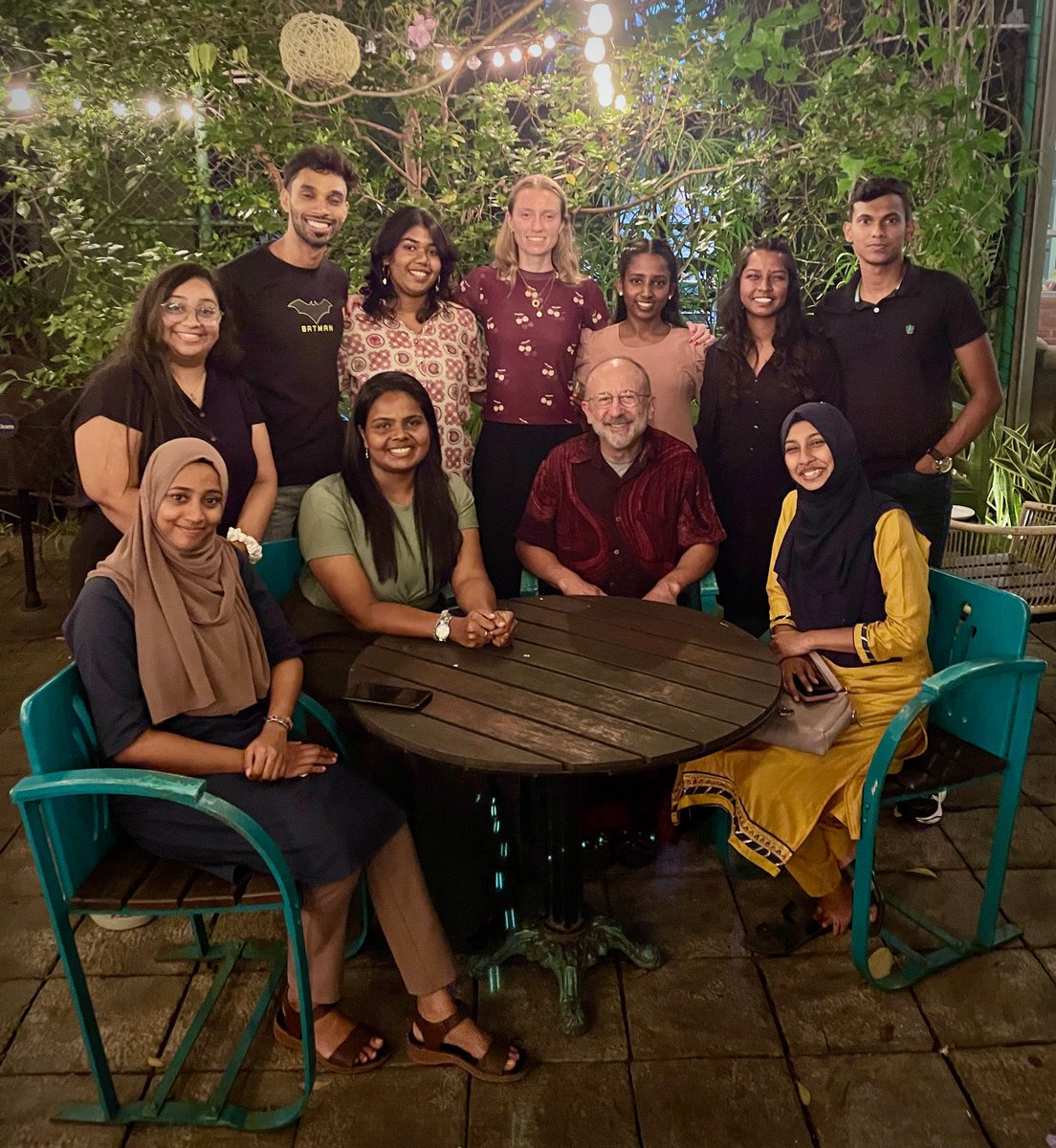
JHU partners, Dr. Steve Harvey & Lucy Baker, visited Sri Lanka study site & the @RemediumOne social science team. With a flurry of social science activities ongoing, this served as a prime opportunity for collaboration, brainstorming, & discussions of lessons learned thus far.
Wrapped up a terrific Vector Control Working Group meeting last week. In addition to the engaging presentations, conferences like these give @AEGISProgram team members an opportunity to meet in person and foster an outstanding partnership.
⏰30 Days To Go RBM VCWG 20th Annual Meeting!! 🔷Date: 3-5 March 2025
🇧🇯 Venue: Hotel Golden Tulip Le Diplomate #Cotonou, #Benin
🔷Theme: Empowering local leadership for optimal malaria #vector control impact
@endmalaria
🇧🇯REGISTER NOW! 👇🏾👇🏾
https://t.co/NyM62ZxG41
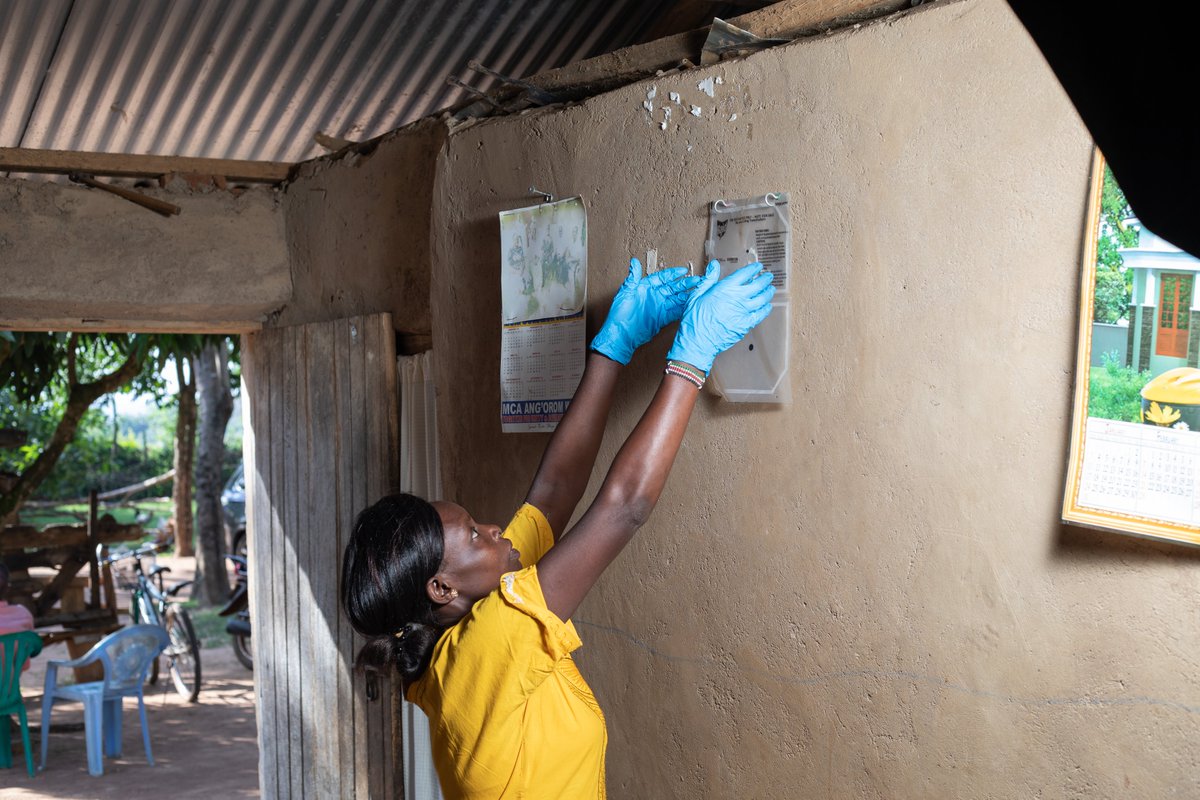
Could a simple, low-cost device that hangs on a wall lead to reduced malaria transmission?
A @NotreDame study showed that a spatial repellent can have transformational outcomes on malaria infections. A new video spotlights the paths that can follow.
https://t.co/OueUzCQ47d
"..this is the first trial to show the significant impact that spatial repellents can have when deployed in the fight against malaria and is a major step towards a WHO recommendation for a completely new class of vector control tools"
https://t.co/anlCJHTjcn
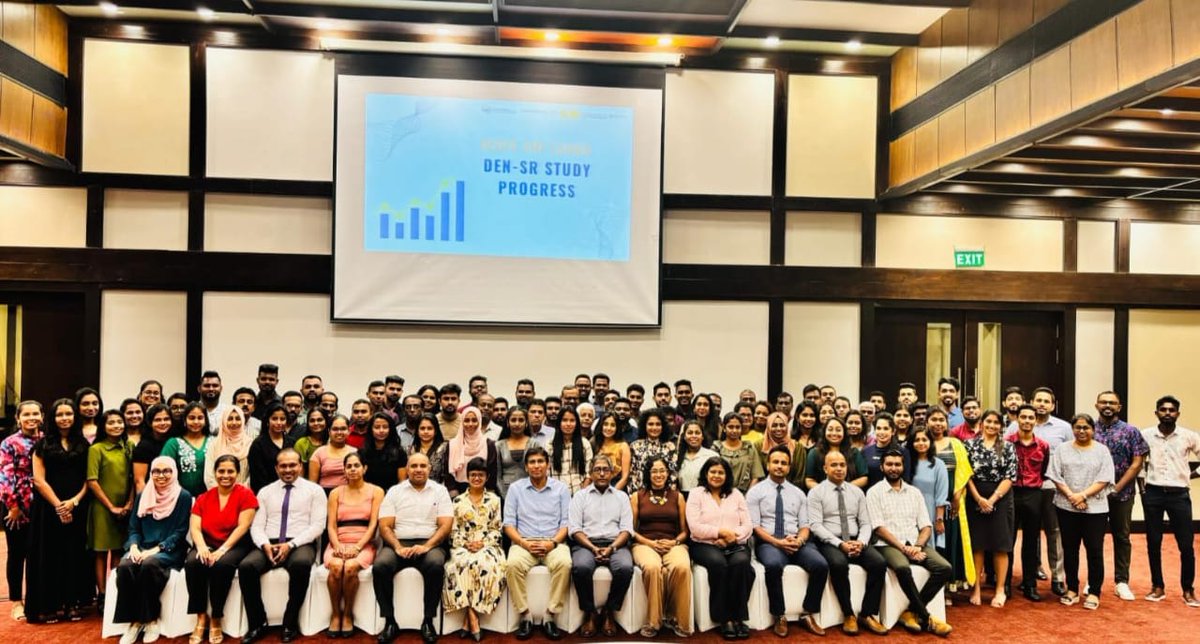
Last week, the entire Sri Lanka cRCT study team gathered to celebrate the progress and discuss the future for the trial. We are fortunate to have such a strong team implementing study activities.
@RemediumOne@DengueUnit
@ndeckinstitute faculty & Lead PI Dr. Achee as well as Kenya and Mali cRCT site PIs @eochomo and Dr. Sagara, had an opportunity to showcase AEGIS progress & lessons learned last week during the Spatial Repellent symposium at the #TropMed24 conference.
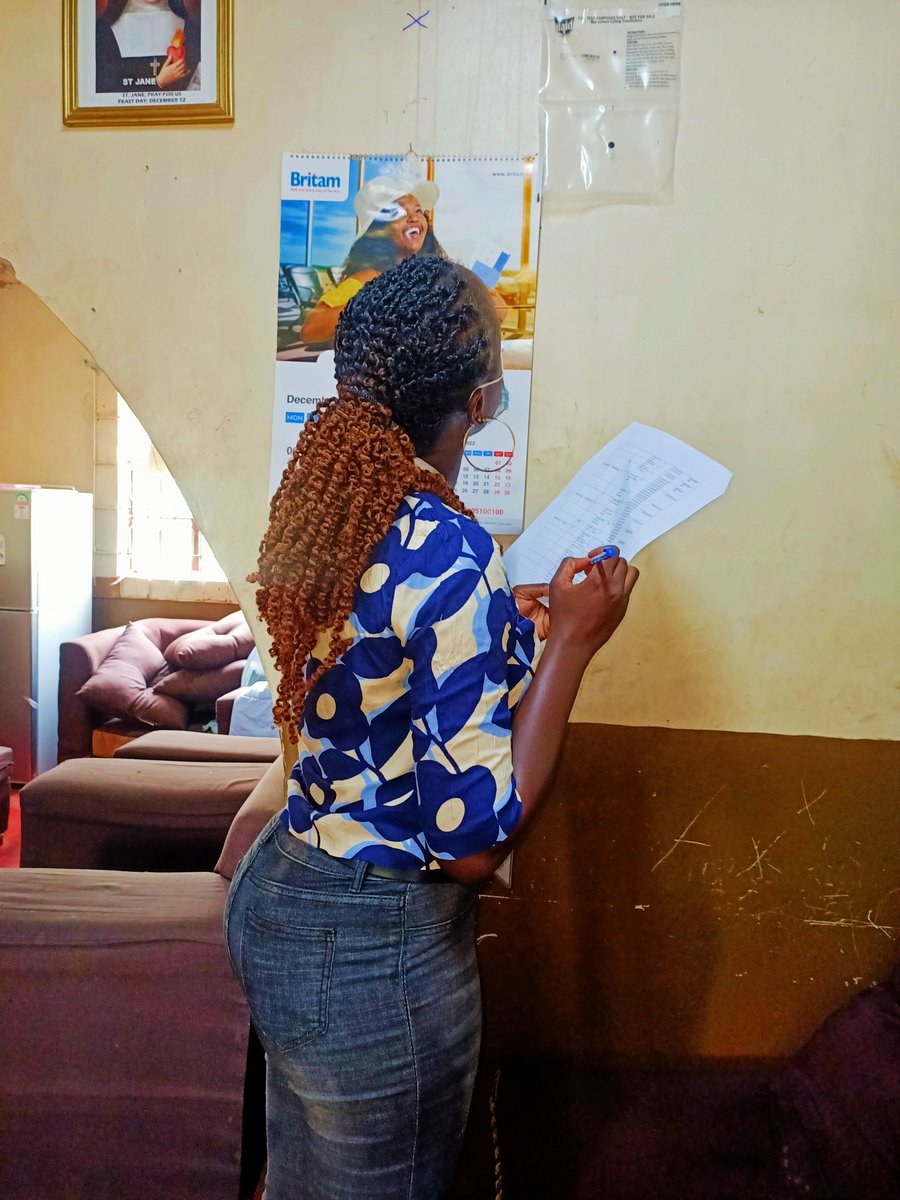
Poster LB-9439 - Consumer and retailer perceptions about mosquito control product effectiveness and popularity in Busia County, western Kenya: Results from retail audit, free-listing, and ranking
@ASTMH@AEGISProgram@UNITAID@KEMRI_Kenya#tropmed24
If you are in attending the @ASTMH conference, don't forget to stop by Symposium 148: Spatial Repellents to Prevent #Dengue and #Malaria: Evidence and Policy Updates tomorrow at 3PM - will include presentations from @eochomo and Dr. Sagara, our Kenya and Mali cRCT PIs #TropMed24
Looking forward to @ASTMH#TropMed24 this week!
Don't miss presentation of #malaria RCT results in the spatial repellent symposium and social science results during poster sessions!
In Kenya, the Unitaid-funded AEGIS project is rolling out spatial repellents where malaria rates are high. Early signs point to a breakthrough. Breakthroughs like these are critical in the fight against malaria.
https://t.co/qnzdxd7e7X