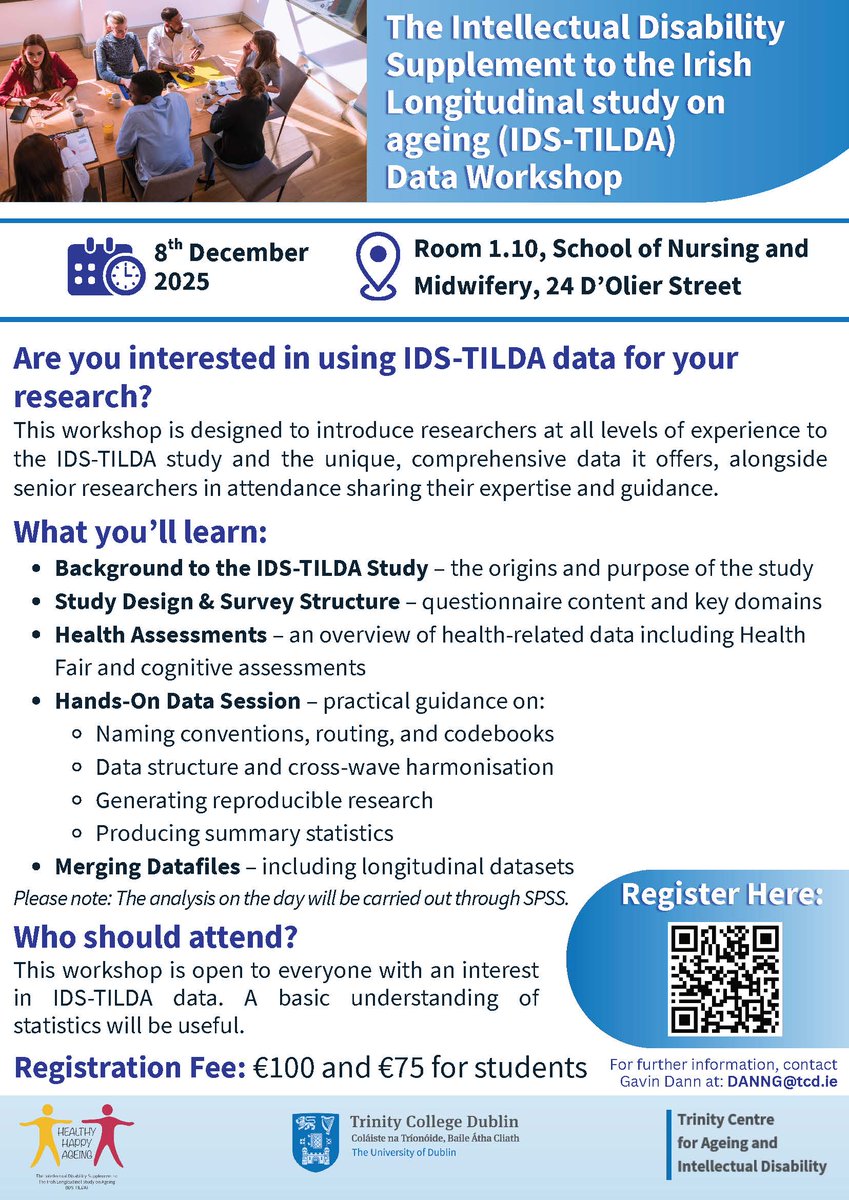
📊 Enhance Your Research Skills with IDS-TILDA Data
🔎 Are you interested in learning how to use data from the Intellectual Disability Supplement to the Irish Longitudinal Study on Ageing (IDS-TILDA) — a world-leading longitudinal study now spanning over 15 years and six waves of data?
Join us for this hands-on data workshop, open to researchers from all disciplines and departments, to explore how this unique dataset can inform and strengthen your research — whether your focus is on health, ageing, social care, policy, psychology, or beyond.
You’ll gain insights into:
🔹 Background to the IDS-TILDA Study
🔹 Study Design & Survey Structure
🔹 Hands-On Data Session with Practical Guidance
🔹 Merging and Analysing Longitudinal Data
🔹 Guidance from Senior IDS-TILDA Researchers
👉 Don’t miss this opportunity to build your skills in reproducible, longitudinal research and discover how IDS-TILDA data can support your projects.
Event Details:
🗓️ 8 December 2025
📍 Room 1.10, School of Nursing & Midwifery, 24 D’Olier Street
💻 Software: SPSS
🎓 Open to all researchers – basic stats knowledge useful
💶 Fee: €100 | €75 students
📍 Register now: https://t.co/C0uDT4rWgz
Exposomes predict accelerated brain aging, with strong effects driven by combinations of multimodal poverty, socioeconomic factors, pollution, green space, and democracy indices, highlighting multiple nonlinear effects, sometimes with impacts beyond traditional clinical risk. 3/5
Brain age models track chronological age. Physical, social, and sociopolitical exposomes modulate structural and functional accelerated brain aging, with combined models outperforming single modalities and showing consistent effects across groups. 2/5
Aging clocks may be shaped by neurosyndemics, multiple interacting physical and social real-world environments jointly influencing brain health. Out in Nature Medicine (https://t.co/h6kbJntHRV), we assessed 18,701 participants from 34 countries, showing that the combined aggregate-level exposome (73 physical, social, and political factors measured at country-level) predicts multimodal brain aging far better than isolated exposures (up to 15-fold more variance). Moving beyond single risks, we provide evidence that synergistic, nonlinear exposome burden accelerates brain clocks across health and disease, with physical exposures linking more strongly to structural brain aging and social exposures to functional brain aging. Exposome burden increased the risk of accelerated brain aging by 3.3–9.1-fold, in some cases exceeding the effects associated with dementia, and these findings held in out-of-sample, longitudinal, individual-level variation, and sensitivity analyses. Thus, the pace at which the brain ages may be shaped by syndemic environmental and societal conditions, calling for much more intersectoral policies. Congrats @AgustinaLegaz Sebastian Moguilner @HernHdezL & all coauthors. 1/5👇 @GBHI_Fellows
Brain aging reflects embodied neurosyndemics shaped by real-world combined conditions. These changes require specific policy responses, positioning neurosyndemics as a more intersectoral framework to guide structural interventions in inequality, environment, and public health for scalable impact. 5/5
Out-of-sample and longitudinal analyses confirm generalizable exposome effects on BAGs, also controlling for gender, education, cognition, and GDP. Meta-GAMs outperform individual models, also predicting in longitudinal settings future accelerated aging and decline in cognition and functionality. 4/5
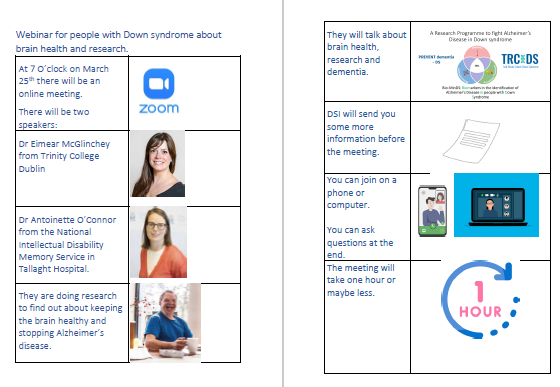
🗣️@DownSyndromeIRL@ageingwithID@TUH_Tallaght & DRNI webinar "Dementia & Down Syndrome - What we know & where we are going next" takes place TODAY at 7 pm!
📝With results & info from PREVENT Dementia DS & BioMinDS & new research updates, this is one not to miss! Details below⬇️
🚨Webinar alert!🚨
@DownSyndromeIRL, @ageingwithID, @TUH_Tallaght Institute of Memory & Cognition & DRNI are holding a webinar: "Dementia & Down Syndrome – What we know and where we are going next".
🗓️25th March
⌚️7pm
📍online
For info & to register: https://t.co/rYKZuJmkC4
Congratulations to Dr Marianne Fallon on the successful defence of her PhD dissertation, 'Exploring the Biopsychosocial Risk Factors for Dementia in Irish People Ageing with Down Syndrome.'
Dr Fallon was supervised by Dr Eimear McGlinchey, Professor @MccarrmMary, Professor Philip McCallion and Dr Jan De Vries.
🦴 World Osteoporosis Day 🦴
📣 Today, on World Osteoporosis Day, the Trinity Centre for Ageing and Intellectual Disability would like to take the opportunity to highlight the often-overlooked issue of osteoporosis among people with intellectual disability.
The risk of osteoporosis and fractures can appear earlier for people with intellectual disability than in the general population. Unfortunately, this is frequently missed not only because osteoporosis develops insidiously, but also due to added challenges faced by people with intellectual disability such as communication difficulties, polypharmacy, and mobility limitations — especially among those with severe or profound intellectual disability.
Traditional assessment methods like DXA scans are the gold standard but often inaccessible or unsuitable for many individuals with intellectual disability.
🔍 In collaboration with Ms. Anne Power (@AnnePower_ ), ANP Wexford Residential Intellectual Disability Service, TCAID and Prof. Eilish Burke (@EilishBurke15 ) has shown the feasibility of using the Echolight REMS device as an alternative screening tool.
This innovation promises more inclusive, accessible bone health assessment for people with intellectual disabilities.
🎥 Please view our video telling you more about the project and hear from our PPI contributors 👉 https://t.co/4vrXh3Rgxg
📄 You can also read the full report here 👉 https://t.co/Tclr6GBTA4
🧠 On this day, let’s raise awareness and advocate for tailored approaches to bone health screening and care for this vulnerable group.
@TCD_SNM@EcholightSpa@IrishOsteo@HSELive@roinnslainte@DeptCDE
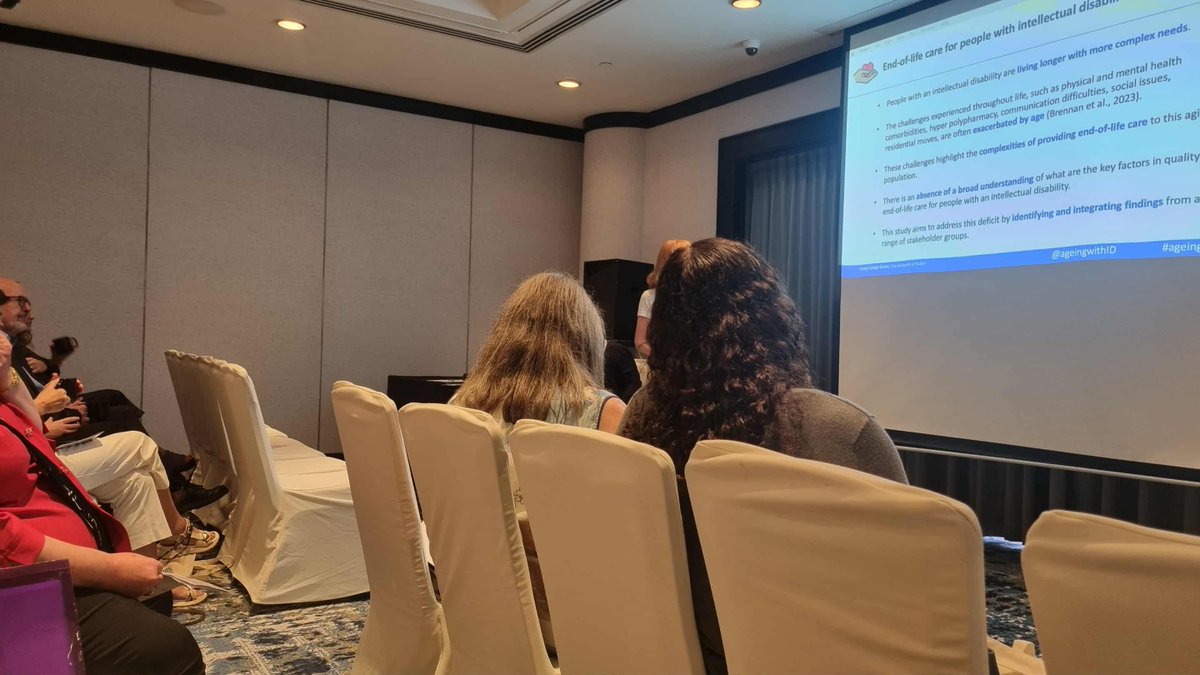
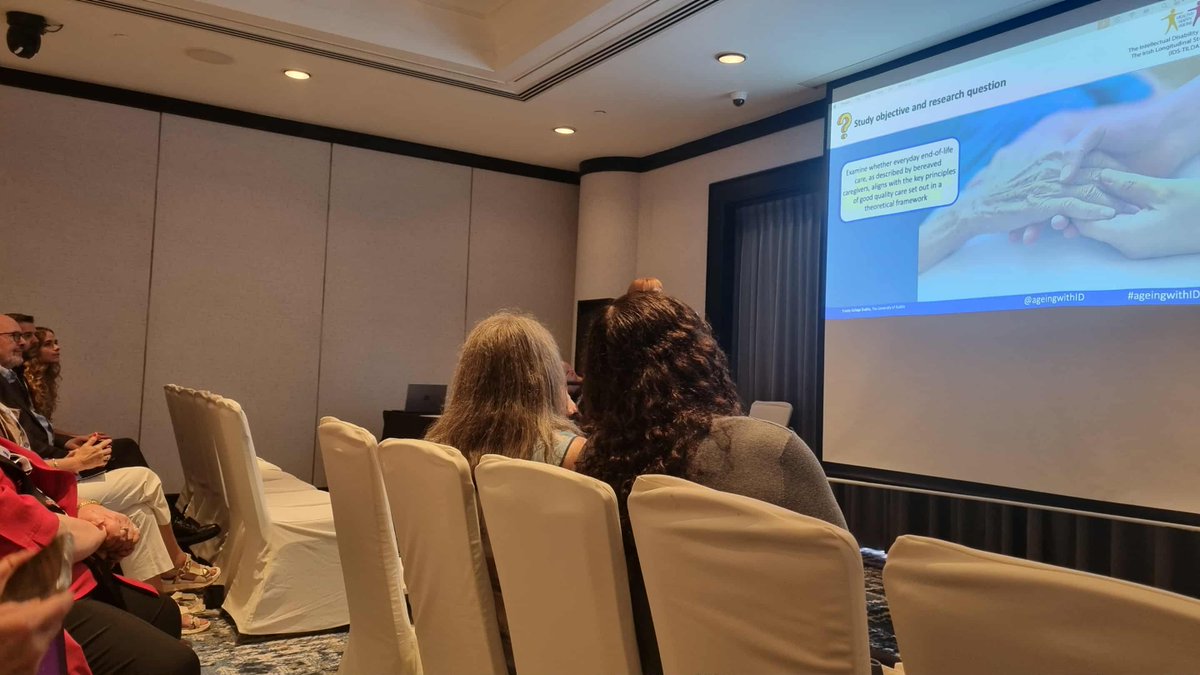
Margaret Haigh, Trinity College Dublin presents research on end of life care for people with intellectual disability in the context of longer lives and thus changing needs, at #IASSIDD2025 and #IASSIDDAsiaPacificCongress
TILDA research presented on intellectual disability and end of life care at #IASSIDDAsiaPacificCongress / #IASSIDD2025 - the research highlights the importance of continuity of care and access to various healthcare professionals
Mr Eric Chua’s Special Address @IASSIDD2025
“If you go fast, you go alone. But if you want to go far, go together.”
Powerful words that ground Singapore’s Enabling Masterplans and its collective journey toward inclusion.
#IASSIDD2025#Singapore@ageingwithID
🤝 Professor Mary McCarron shares IDS-TILDA insights during academic visit to Australia
Professor Mary McCarron, Director of the Trinity Centre for Ageing and Intellectual Disability (TCAID) at Trinity College Dublin and Principal Investigator of IDS-TILDA, is currently undertaking an academic visit to Australia, engaging with colleagues at the University of Sydney (USYD) and the University of New South Wales (UNSW).
Throughout her visit, Professor McCarron is contributing to a series of keynote lectures, seminars, and policy discussions exploring ageing, intellectual disability, and leadership in health and academia. Her presentations highlight how insights from the IDS-TILDA study can inform policy and practice, embedding dignity, choice, and belonging at the heart of ageing and care. 💡 🔎
This visit provides a valuable opportunity to share knowledge, exchange perspectives, and strengthen international dialogue on ageing and intellectual disability. 🤝
We extend our sincere thanks to our colleagues at University of Sydney and the University of New South Wales for their generous hospitality and for facilitating such meaningful engagement and collaboration. A special thanks to our colleague, Mary Ann O’Donovan, CEO of the Centre for Disability Studies at the University of Sydney, and her colleagues for so thoughtfully coordinating Professor McCarron’s visit. 🌏💙
📊 Enhance Your Research Skills with IDS-TILDA Data
🔎 Are you interested in using data from the Intellectual Disability Supplement to the Irish Longitudinal Study on Ageing (IDS-TILDA) for your research?
Join us for this hands-on workshop, open to researchers at all levels, to gain insights into:
🔹 Background to the IDS-TILDA Study
🔹 Study Design & Survey Structure
🔹 Hands-On Data Session with Practical Guidance
🔹 Merging Datafiles
🔹 Guidance from Senior IDS-TILDA Researchers
👉 Don't miss this great opportunity to explore this unique, comprehensive dataset and build your skills in reproducible research.
Event Details:
🗓️Date: 8 December 2025
📍Venue: Room 1.10, School of Nursing and Midwifery, 24 D’Olier Street
💻Software: SPSS
🎓Who: Open to all researchers (basic stats knowledge useful)
💶Fee: €100 | €75 students
➡️Register now: https://t.co/4UpN4xMomy
🔬 Today is World Cancer Research Day.
But not everyone is equally represented in cancer research.
People with intellectual disabilities die from cancer at higher rates than the general population, yet remain too often invisible in screening, diagnosis, and treatment pathways.
🎥 In this video, Dr. Martin mcMahon @mcmahonm44, Cancer Care Lead, shares why inclusion in cancer research and care is so important:
At TCAID, we are working to change that:
📊 Linking national & longitudinal data to map cancer in people with intellectual disability
⚖️ Exploring inequalities in care
🛡️ Reviewing cancer prevention and screening policies
🗣️ Listening directly to people with intellectual disabilities and their families
Cancer care should be inclusive.
Everyone deserves a fair chance at prevention, treatment, and survival.
#WorldCancerResearchDay #Inclusion #HealthEquity #CancerResearch #DisabilityRights #AccessibleHealthcare
@IrishCancerSoc@MccarrmMary@EilishBurke15@hrbireland@roinnslainte
💜 Facing Dementia Together – Video Series for People with Intellectual Disabilities 💜
📅 World Alzheimer’s Day – Friday, 19th September 2025
🕛 12:00 – 13:00 (Online Webinar, Free to Attend)
Did you know? While age is the biggest risk factor for Alzheimer’s disease, lifestyle and health can also play a major role in building brain resilience.
People with intellectual disabilities are disproportionately affected by dementia – often at younger ages and higher rates. This World Alzheimer’s Day, we’re coming together to raise awareness, share knowledge, and highlight the importance of brain health for all.
👉 Join the Trinity Centre for Ageing and Intellectual Disability (TCAID) and Avista for the launch of a new video series created by the Memory Clinic in Avista, designed for people with intellectual disabilities, their families, and professionals.
✨ Featured topics include:
🔹 Lowering Cholesterol – Supporting heart & brain health
🔹 Understanding Obstructive Sleep Apnoea – A modifiable risk in brain ageing
🔹 Hearing: Detect • Protect • Connect – The link between hearing & cognitive health
✅ Free to attend
✅ Practical, evidence-based insights
✅ Focused on modifiable risk factors to support better brain health
👉 Register here: https://t.co/ZXNpDNla1k
Please R/T to your networks. 🌍
#worldalzheimersday #worldalzheimersday2025
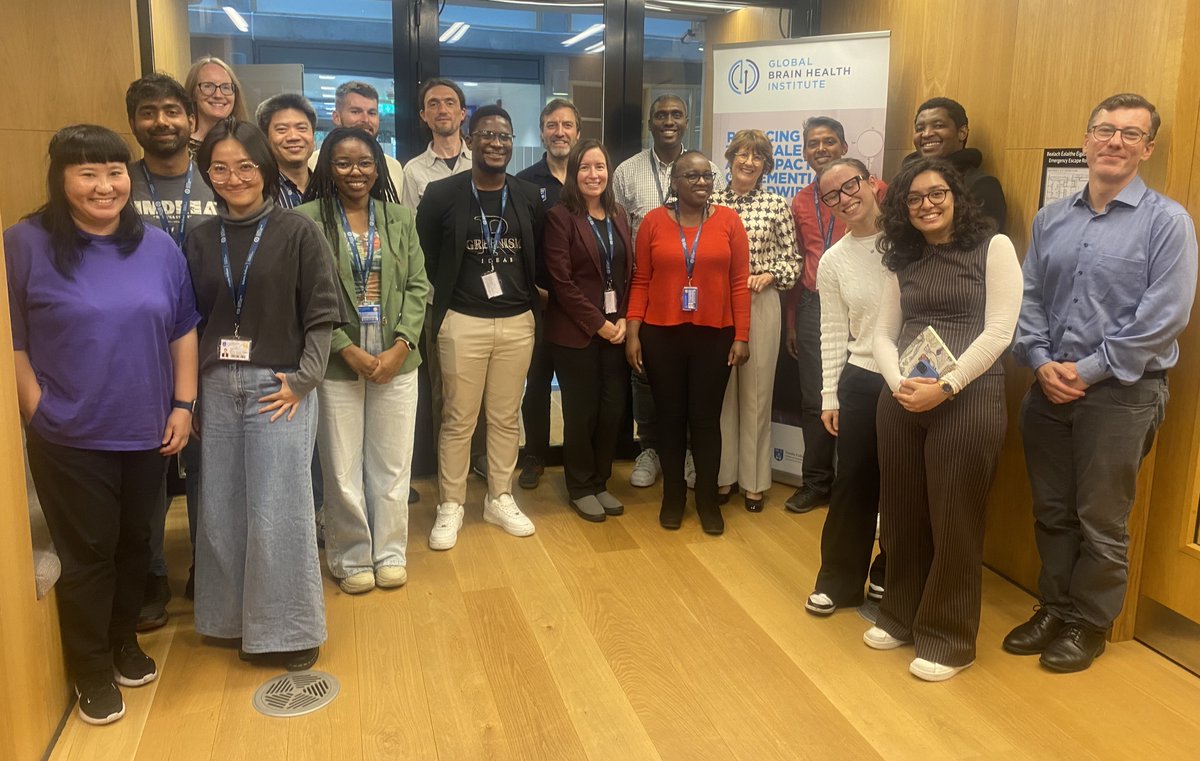
Professor Mary McCarron @MccarrmMary was honoured to be invited by the Global Brain Health Institute (GBHI) @GBHI_Fellows to meet with the 2025 Cohort of Atlantic Fellows for Equity in Brain Health. 🧠
Prof. McCarron shared reflections on her career to date, her research in dementia and intellectual disability, and offered valuable insights and guidance to this inspiring group of early career researchers.
At TCAID, we are proud to support and mentor researchers at every stage of their journey, and to contribute to global conversations.
Thank you to GBHI and the Atlantic Fellows for the warm welcome and the important work you continue to do in advancing brain health for all.
@tcddublin
🔹 We were honoured yesterday to launch the report:
“Engaging the Brain Through Cognitive Stimulation Therapy (CST): A Feasibility Randomised Controlled Trial for Adults with an Intellectual Disability.”
This collaborative project between Avista and the Trinity Centre for Ageing and Intellectual Disability (TCAID) at Trinity College Dublin marks an important milestone in dementia care and cognitive health for adults with intellectual disabilities.
🧠 The Avista Memory Service, which specialises in dementia services for people with intellectual disabilities, received funding from the Nurse and Midwifery Practice Development Unit (NMPDU) Health Service Executive in 2023 to conduct this study on Cognitive Stimulation Therapy (CST) — a non-pharmacological, post-diagnostic intervention aimed at promoting healthy ageing.
Over the past 18 months, teams across Avista’s day services in Dublin and Limerick engaged in this national study. The findings are already showing promising trends that could positively impact people supported by Avista across Dublin, Limerick, and North Tipperary/Offaly.
💡 This study demonstrates that CST can be effectively delivered within day services, supporting cognitive health, quality of life, and inclusion.
🤝 This partnership shows that by working together, we can translate complex research into real-world supports that truly make a difference.
We were privileged to be joined at the launch by:
Dr. Afia Ali, Clinical Reader in Intellectual Disability Psychiatry, Queen Mary University of London
Dr. Michelle E. Kelly ,Associate Professor in Psychology, National College of Ireland
Stephen Kelly, CST participant — who reminded us, "If it's good enough for him, it's good enough for everybody."
Lorraine Ryan, Social Care Worker and CST facilitator, who shared reflections from the front line
🙏 Huge thanks to our Co-Principal Investigators Pamela Dunne and Prof. Mary McCarron, and to our research team Iara Faria Synnott and Pavithra Pavithra, for their dedication and hard work.
📄 Both reports are available on our website, and you can also view a very special video created by Clockwork Productions for Avista here:
🔗 https://t.co/edw4LxU1mu
🔗 https://t.co/dQN7EPzGrl
-> https://t.co/IWLHSoVOX9
💬 One webinar attendee summed it up beautifully:
"Well done everyone on the launch of the CST report. It clearly shows the investment that both Avista and TCAID have in promoting brain health for those they support — which is so encouraging and paving the path in CST and ID for many of us to follow in time."
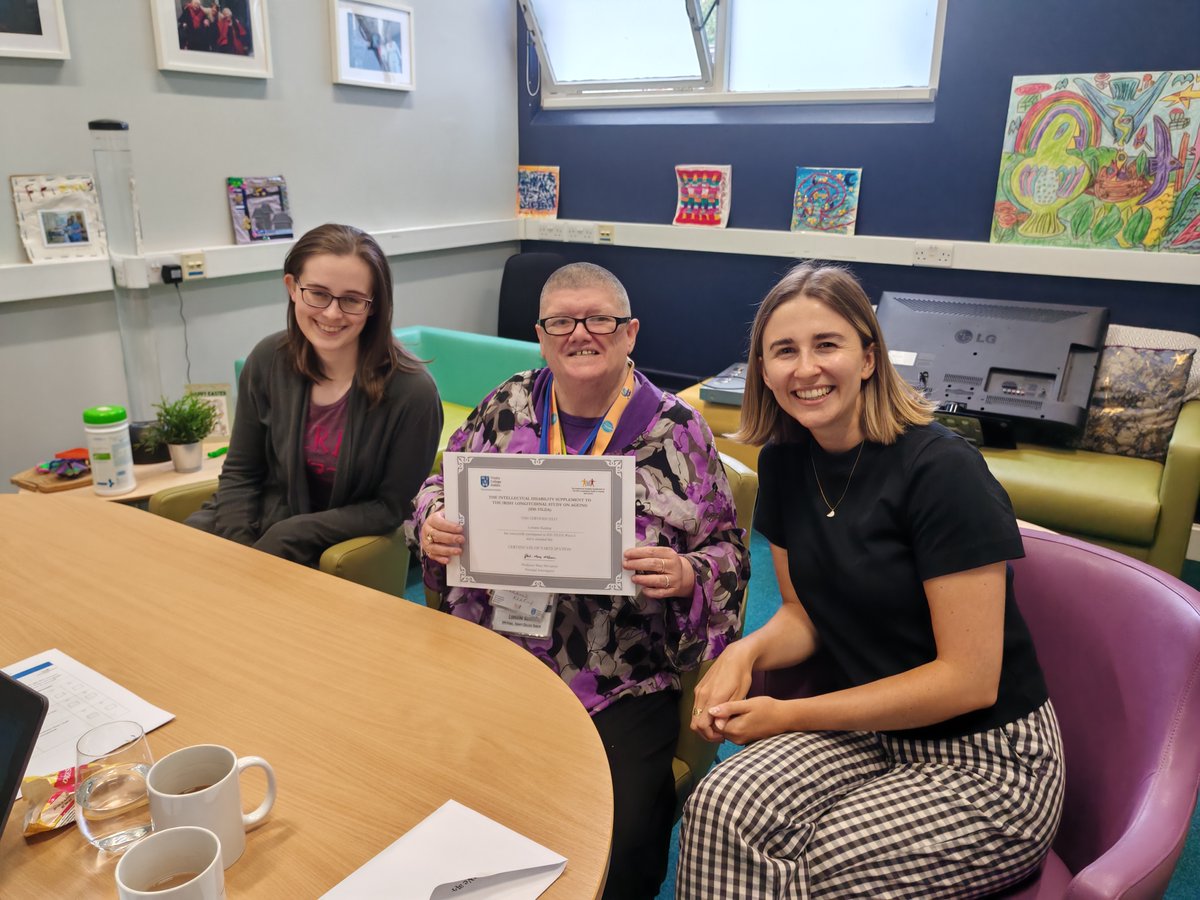
🌟 A huge thank you to Lorraine Keating! 🌟
Lorraine has been with us on the IDS-TILDA journey since Wave 1, and today she joined us at Trinity for her Wave 6 interview 🎤 — expertly carried out by Stephanie Corrigan and Isabel Ryan.
Lorraine continues to be an invaluable part of IDS-TILDA 💙 Her dedication, support, and insights over the years have made a real impact, and we’re so grateful for her ongoing commitment.
Well done, Lorraine! 👏
We can’t wait to see you again soon at the Health Fair 🏥🎉
#IDSTILDA #ResearchMatters #TrinityCollegeDublin #HealthResearch #InclusiveResearch