International Politics @tudresden_de; Visiting Professor @LSE; international organizations; non-state actors; global health; human rights; discourse; norms
🐣“Positioning among International Organizations” out in @ISQ_Jrnl, with Thurid Bahr, Laura Pantzerhielm & @GrandjeanMartin, https://t.co/Rz5DPc2FiT. We study regime complexes as social networks between IOs and trace network dynamics in global health (1970-2017). A thread👇…
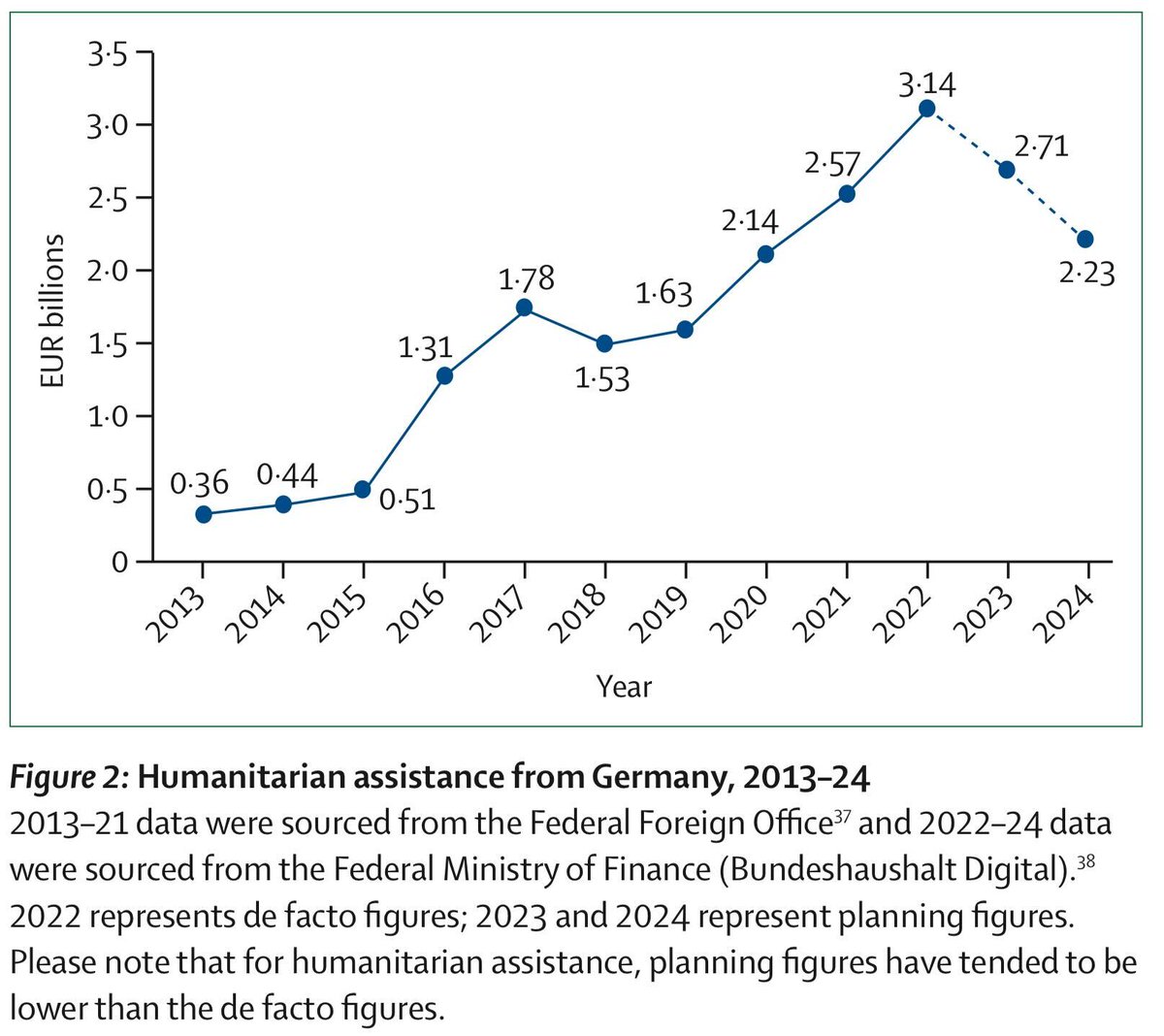
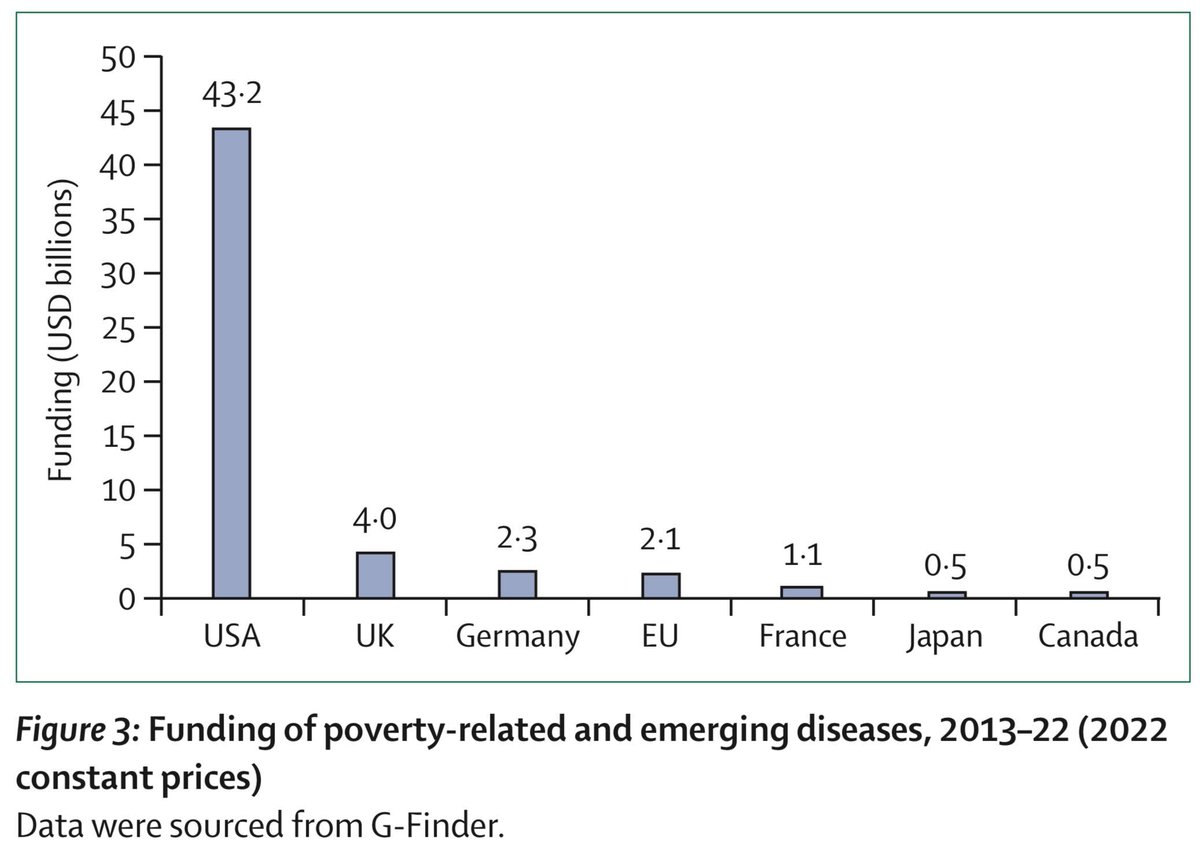
Our article on “#Germany’s role in global health at a critical juncture” is out in the @TheLancet! With the 🇩🇪 #globalhealth strategy up for mid-term review, check out the article for some starting points for reflection. ➡️ https://t.co/xmiSxY6fZi @IlonaKickbusch@AHolzscheiter
"Germany's role in global health at a critical juncture" now out in The Lancet (open access), together with Christian Franz and Ilona Kickbusch. https://t.co/QHDzhk8OG4
"Governing effectively in a complex world? How metagovernance norms and changing repertoires of knowledge shape international organisation discourses on institutional order in global health", https://t.co/DiP3S0F9V7
Our study brings to light discrepancies between self-perception and foreign-perception in how important an IO is to an area of activity. Discrepancies reflect contestation of institutional orders in global health. 15/19
The two types of nodes are, first, the eight organizations in the sample as corporate actors (white nodes), and second, interorganizational practices (black nodes). The ties are mentions of interorganizational practices in IO annual reports. 12/19
The size of black practice nodes is relative to the frequency of reporting on that node in a particular IO’s annual reports, just like the size of IO nodes is relative to the overall frequency of reporting by and on that IO. 13/19
Our analysis yielded insights into long-term trends and aggregate patterns in the perceived positions of IOs within the organizational field. We use a directed two-mode network consisting of two types of nodes plus ties. 11/19
Results. Our quantitative coding procedure captured all mentions of cooperative practices, yielding an original, diachronic dataset with 13,601 observations (IO-practice- year). We analyzed this data using the SNA software Gephi. 10/19
Interviews showed that positioning – i.e. the constant negotiation of an IOs’ identity and status within the organizational field – is a pervasive practice in daily activities of IO staff. 9/19
We triangulated our SNA findings on the changing structures of IO–IO networks with data gained through twenty semi-structured personal interviews with current and former staff members of the eight IOs in our sample. 8/19
🐣“Positioning among International Organizations” out in @ISQ_Jrnl, with Thurid Bahr, Laura Pantzerhielm & @GrandjeanMartin, https://t.co/Rz5DPc2FiT. We study regime complexes as social networks between IOs and trace network dynamics in global health (1970-2017). A thread👇…
Methods. Networks of health IOs were built based on relational data retrieved from our eight IOs’ Annual Reports. We searched for references to cooperative practices and we classified these practices in order to account for different fields of IO-IO cooperation. 7/19
Analysis. Empirically, we study positioning as a relational practice between IOs by means of a longitudinal social network analysis (SNA), covering the relations between eight major IOs in the field of global health for a period of over forty years (1970–2017). 6/19