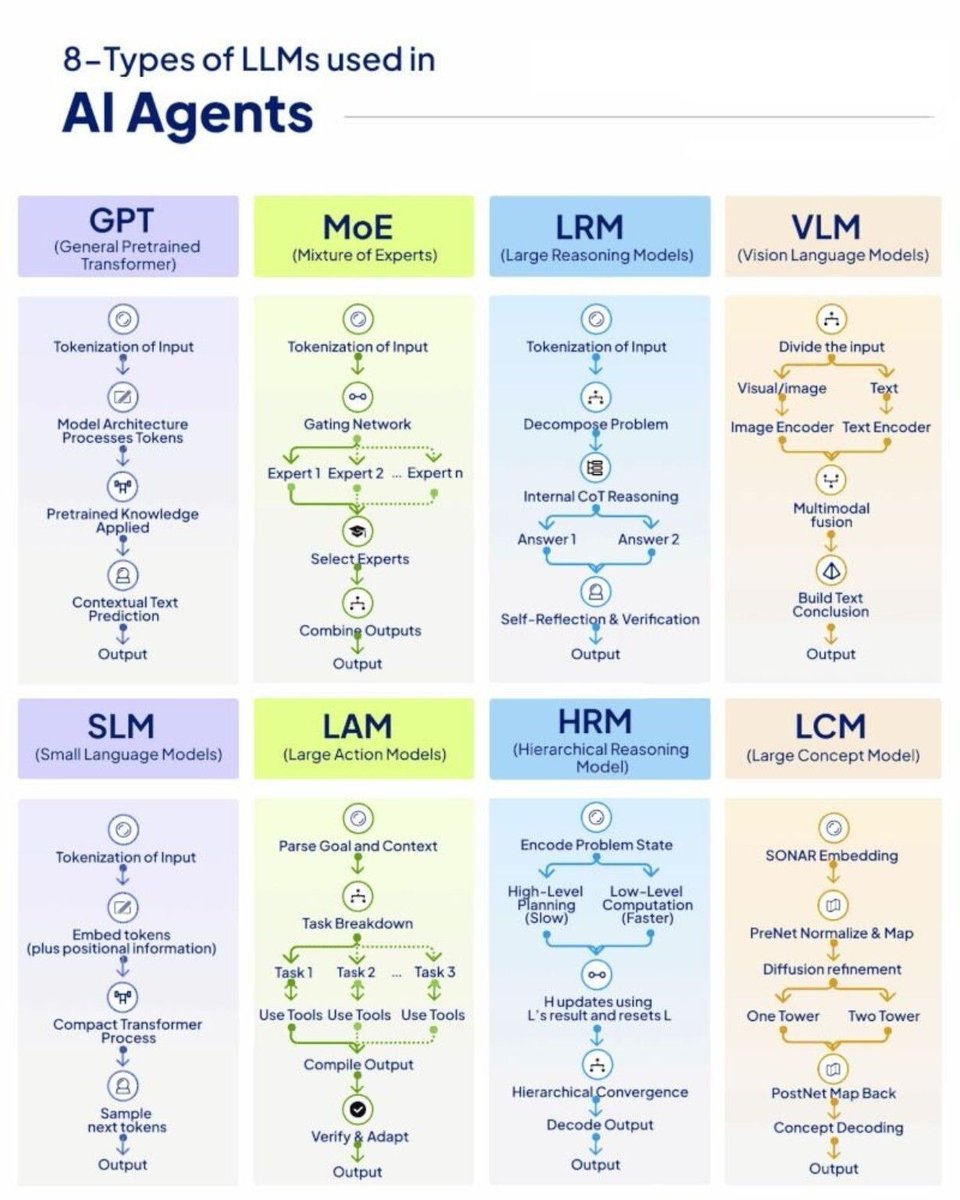
As a Chief AI Officer (CAIO), you are responsible for setting AI strategy, building AI capabilities, and overseeing the development of AI products and services.
AI places a second "intelligence" in the spaces we go.
Before humans were the only intelligence capable of reasoning, planning, teaching, and creating at a human level. "Intelligence" is now being shared with machines.
AI helps us think, create, analyze, and solve problems.
Like fire, the impact of AI will depend on how it is integrated into our lives and societies.
Fire domesticated us. It changed what we ate, slept, where we lived.
The smartphone put a window to the world in your pocket.
The computer as an AI agent may be another transformation.
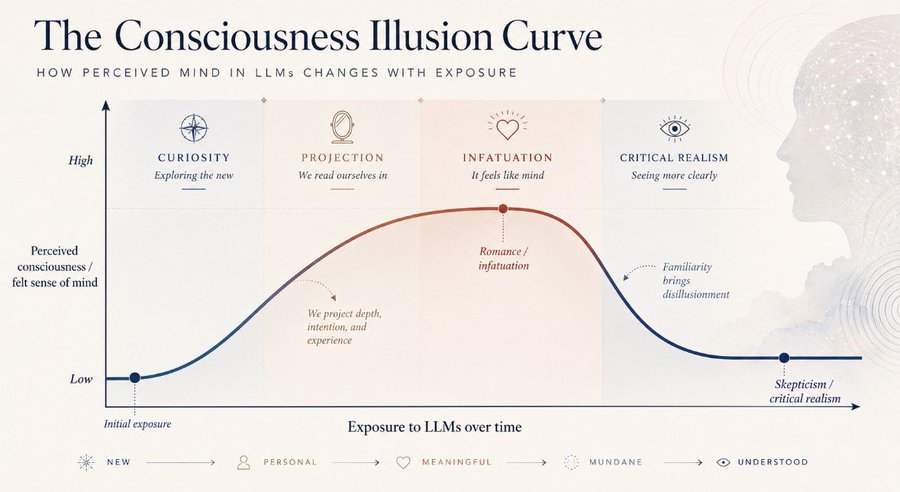
When the image screams "AI made this! the message is lost.Format (totally AI ) and the contrastive parallelism style say AI wrote it. Even the color scheme. May be a CAIO but the message is overridden by the delivery output. If CXO magazine made this, it is a poor choice.
Gartner predicts more than 40% of agentic AI projects will be canceled by 2027. HBR and McKinsey say the same: AI is being deployed faster than operating models can keep up.
The audit moment is now. Your CFO is about to start asking.
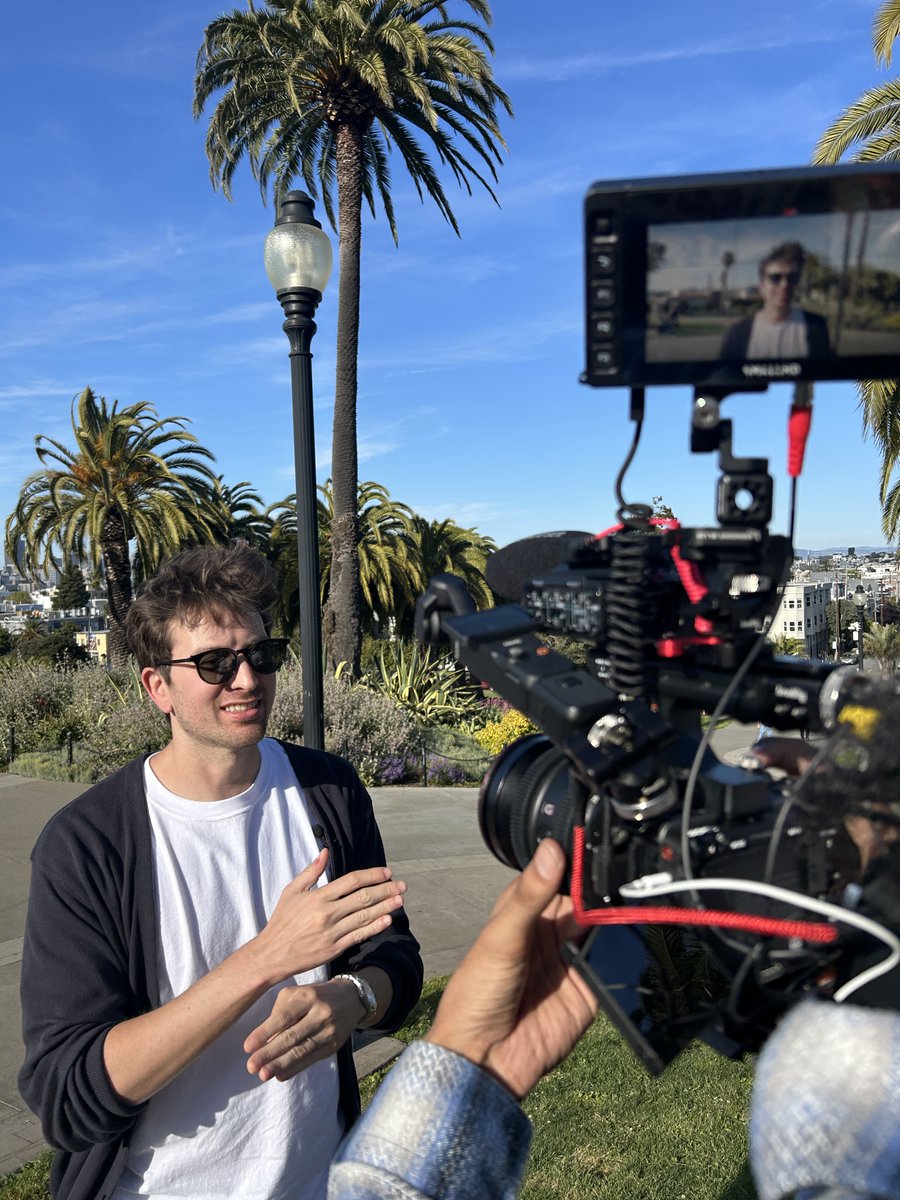
I just got back from SF and I FEEL INSPIRED.
I spent 5 days with frontier AI model teams, AI startup founders, and 3 billionaires.
My takeaways:
1. I had lunch with 3 billionaires. All of them are buying SaaS companies and rebuilding them agent-first. They were deeply inspired by Bending Spoons and Ryan Cohen's eBay deal. Buy the company, cut the headcount, rebuild the tech, add agents, add features, make more valuable experience, raise prices.
2. The frontier model companies are hungry for usage data from the field. They can see API calls and token counts. They can't see the actual workflows. If you're deep in a niche using these models in ways the model companies haven't seen, that understanding is incredibly valuable. Usage intelligence is the new alpha.
3. Consumer AI is massively underbuilt. Every billboard in SF is either B2B inference infrastructure or vertical agent companies. The entire city is optimized for enterprise. Meanwhile you have companies like Cal AI doing $50M ARR in 18 months as a consumer app. I met with a cool few teams doing consumer AI (@paulscherer / @ekuyda)
4. MCP came up in literally every conversation. The companies exposing their product as MCP endpoints are getting pulled into deals they never pitched for. The ones that aren't are becoming invisible to agents. This is the new SEO. If agents can't find you, you don't exist. Building products for agents is the new zeitgeist in general.
5. Not uncommon for hot seed rounds to be $25-50 million valuations. I saw a Series A at $450 million
6. If I had a dollar every time someone mentioned "forward-deployed engineer" this trip I could have funded a seed round. It's the hottest role in SF right now. The person who sits between the agent and the customer, making sure everything actually works.
7. The mood around open source shifted. A year ago it felt like open source was chasing the frontier models. Now founders are telling me Gemma and DeepSeek are good enough for 80% of what they need at a fraction of the cost. The "which model do you use" conversation is being replaced by "which model for which task." Model loyalty kinda feels dead.
8. Voice agents came up more than I expected. Multiple founders told me voice is the interface for the next billion users. The billion people who will never type a prompt will absolutely talk to one.
9. The Obsidian community in SF is weirdly intense. Multiple founders showed me their vaults unprompted. Like showing someone your home gym. It's a flex now. The quality of your knowledge base (second brain?) is becoming a status symbol among builders.
10. Maybe it was just the people I met but the age of the founders is shifting. I met more founders over 40 this trip than any trip before and more founders under age 21 than ever before. Founders getting older and younger at the same time.
11. I spoke to a lot of fast-growing startups, VCs and frontier models who are hiring content creators right now.
12. The restaurant scene in SF is actually better than it's been in years. Founders are going out more. Alcohol is out, not surprisingly.
13. SF doesn't feel like the only place anymore. We all have access to the same frontier models. We all read the same X feed. A founder in NYC or Lagos is calling the same APIs as a founder in SoMa. So in the past it felt like SF was always lightyears ahead, doesn't feel that way anymore. It's okay not to live in SF and have BIG DREAMS.
14. The coworking spaces in SF are half empty but the coffee shops are packed. People want to be around people. I had a few startup ideas here....
15. Walking around the Mission I noticed something: the street-level businesses, the taquerias, the barbershops, the laundromats, none of them use any AI at all.
16. I heard the phrase "agent debt" for the first time. Like technical debt but for agents. When you hack together an agent workflow fast and never clean it up, the system prompts conflict, the memory gets polluted, the tools overlap. 6 months later the agent is doing weird things and nobody knows why lol.
17. Met a few people who carry two phones now. One for personal. One that's basically an agent terminal running Telegram or iMessage connections to their agent fleet.
It's always amazing to get that dose of inspiration in SF. I FEEL INSPIRED.
But I'm so happy to be back home, locked in and building.
We're 12-18 months into a shift that will take 15 years to play out. The urgency in every conversation was real.
What an incredible time to be building.
Pope Leo XIV will present a major Church document on artificial intelligence next week and he will be joined by Chris Olah, the billionaire co-founder of Anthropic.
Read more: https://t.co/7av1iWTAfc
Photo: Andreas Solaro/AFP via Getty Images
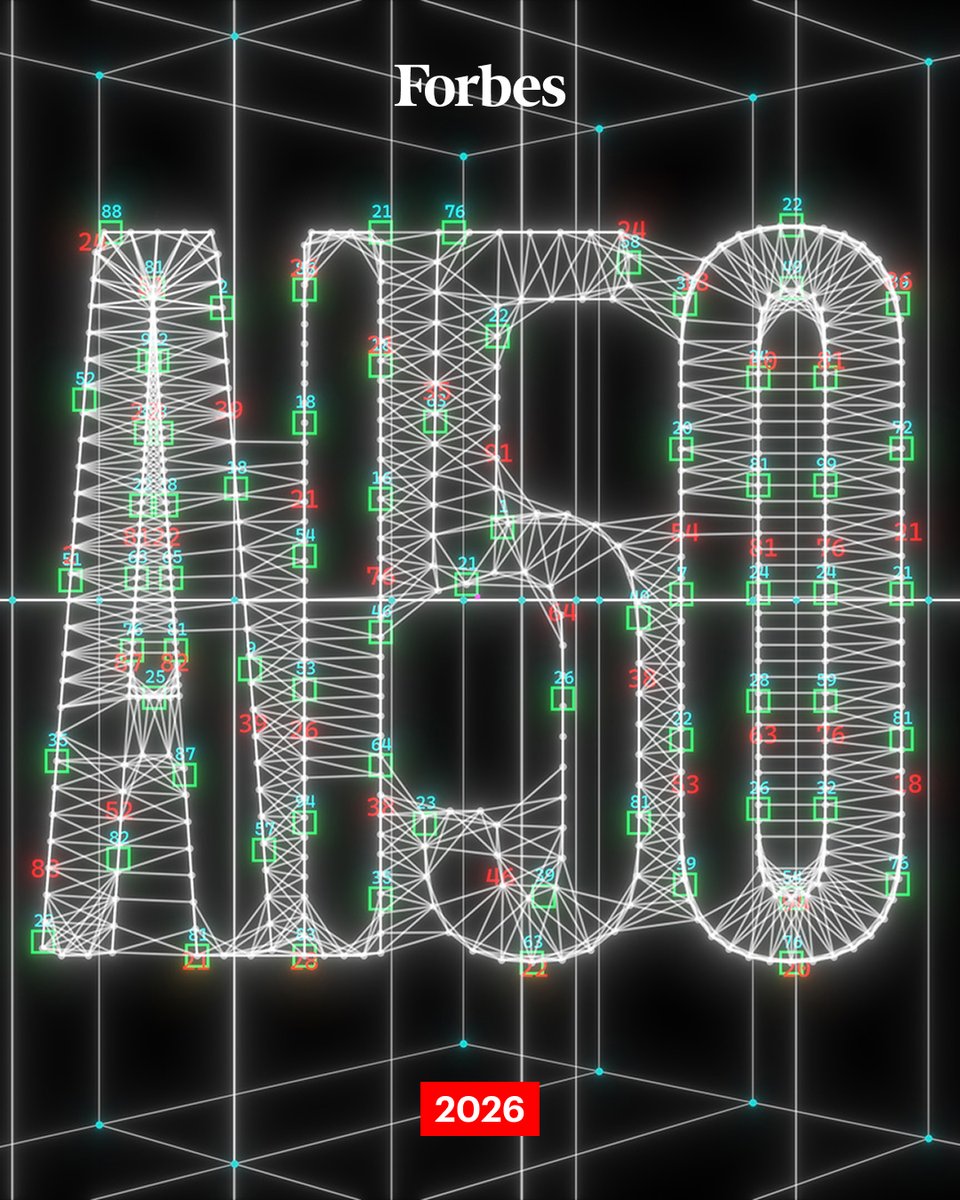
2026 #ForbesAI50
Artificial intelligence has become part of our lives, increasingly core to how we work, search for information and express ideas. In the last year, the startups spearheading this paradigm shift have raised gobs of money from venture firms to build applications used by hundreds of millions of people across professions like law, software engineering, banking and even music.
Three years into the AI frenzy, startups are starting to prove they can turn lofty ideas into sustainable businesses. That’s evident in Forbes’ eighth annual AI 50 list, which spotlights the most promising privately-held AI companies in the world.
See the list:
https://t.co/vWT7ahsVoc
Illustration by Yoshi Sodeoka for Forbes
Sponsoring Partner @MayfieldFund
Nvidia is pulling off the most sophisticated financial loop in tech history.
They invested $40 BILLION in its own customers in just 5 months.
Here's why this could blow up the entire AI economy:
Nvidia generated $97 billion in free cash flow last year. Instead of sitting on it, Jensen started writing checks to every company in the AI supply chain.
Not small checks. We're talking about billions at a time.
And almost every single one of those companies turns around and spends that money on Nvidia chips.
Follow the money:
$30 billion into OpenAI. OpenAI is one of Nvidia's largest GPU customers and spends billions annually on Nvidia hardware through cloud providers.
$2 billion into CoreWeave, a company that exists exclusively to rent out data centers full of Nvidia GPUs.
$2 billion into Marvell for silicon photonics that connects Nvidia systems.
$2 billion into Lumentum for optical tech that powers Nvidia data centers. $2 billion into Coherent for the same thing.
$2 billion into Nebius, an AI cloud company deploying Nvidia infrastructure.
$3.2 billion into Corning, the glassmaker building three new US factories specifically to make fiber optic cables for Nvidia's next-gen systems.
$2.1 billion into IREN, a data center operator that just agreed to deploy 5 gigawatts of Nvidia-designed infrastructure.
And the list goes on.
Every single recipient either buys Nvidia chips directly, builds infrastructure that runs on Nvidia chips, or manufactures components that go inside Nvidia systems.
Matthew Bryson, an analyst at Wedbush Securities, said in a research note that Nvidia's dealmaking fits "squarely into the circular investment theme."
Bloomberg even published an entire interactive feature this week titled "AI Circular Deals: How Microsoft, OpenAI and Nvidia Keep Paying Each Other."
The piece maps how capital flows between the same handful of companies and gets counted as revenue multiple times along the way.
But here's the part that makes this genuinely complicated:
Nvidia's $5 billion investment in Intel from September is now worth over $25 billion. That's a 5x return in months.
Their private company portfolio went from $3.4 billion to $22.3 billion on the balance sheet in a single year. They booked $8.9 billion in gains from equity investments alone.
So when critics say "circular investing," Nvidia can point to Intel and say "we turned $5 billion into $25 billion, this is just smart capital deployment."
And they're not wrong. Some of these bets ARE paying off like crazy.
The real question is whether Nvidia is a chipmaker that happens to invest, or a venture fund that happens to sell chips. Because right now Jensen is doing both at a scale that has never existed in the semiconductor industry. No chipmaker in history has EVER invested $40 billion in its own ecosystem in five months.
Last fiscal year Nvidia invested $17.5 billion in private companies. Their SEC filing literally says those investments include "AI model companies that purchase its products directly or through cloud service providers."
They're saying it themselves: We invest in companies that buy our products.
On Nvidia's last earnings call, Jensen told investors their investments are focused on "expanding and deepening our ecosystem reach." Translate that from CEO-speak and it means "
we're funding the companies that fund us.
The bull case says Nvidia is building an unbreakable moat by financing the entire AI supply chain and ensuring it all runs on Nvidia hardware. The bear case says this is the most elaborate circular revenue scheme since the subprime mortgage era and it all breaks apart the moment one domino falls.
Both cases use the exact same evidence.
Larry Ellison just told you where the real AI war is being fought.
Every major AI model trains on the same public data. Same internet. Same scraped pages. Same recycled text.
ChatGPT. Claude. Grok. Llama. They all learned from the same pile.
Public data isn’t a competitive edge anymore. It’s the floor.
The real separation is private data.
Medical records. Financial models. Defense infrastructure. Proprietary research locked behind firewalls for decades.
That’s where the highest-value information on Earth lives.
And most of it already sits inside Oracle databases.
Not Google’s servers. Not Microsoft’s cloud. Not Amazon’s.
Oracle’s.
Ellison didn’t try to build another AI model. He rebuilt the database so AI could reason directly on private data.
Not train on it. Reason on it.
Training means your data gets absorbed into the model. It leaves your hands.
Reasoning means AI thinks with your data. Returns the insight. The data never moves.
That’s not an upgrade. That’s the architecture enterprise AI actually needs.
Ellison called these systems “remarkable electronic brains.”
He wasn’t reaching for a metaphor. He was being literal.
We built synthetic cognition. Not faster software. Not better algorithms. A tool that reasons.
And he said what almost no one in tech will say out loud.
It won’t replace us. It’ll make us something we’ve never been.
Better scientists. Better surgeons. Better engineers. Better teachers.
Every tool humanity ever built followed one pattern. It made the person holding it more powerful than the person without it.
Fire. The printing press. Electricity. The internet.
AI follows the same arc. With one difference.
This tool thinks with you.
The people who figure that out first won’t just have an advantage. They’ll solve problems the rest of the world didn’t know were solvable.
We didn’t build our replacement.
We built our upgrade.
And history won’t remember who feared it. It’ll remember who used it.
Fun interactive science app ideas | Part 3
Played around with generating 3D biological structures and made an app to explore them interactively
UI Design
GPT Images 2
Code
Gemini 3.1 Pro
More demos ↓