Here's the thing: AI therapy and companion apps feel easier than people. Honestly, I get why. They’re 24/7 and less judgmental. But that convenience can turn into substitution. A psychiatrist warned patients not to use AI in a medical or psychiatric emergency.
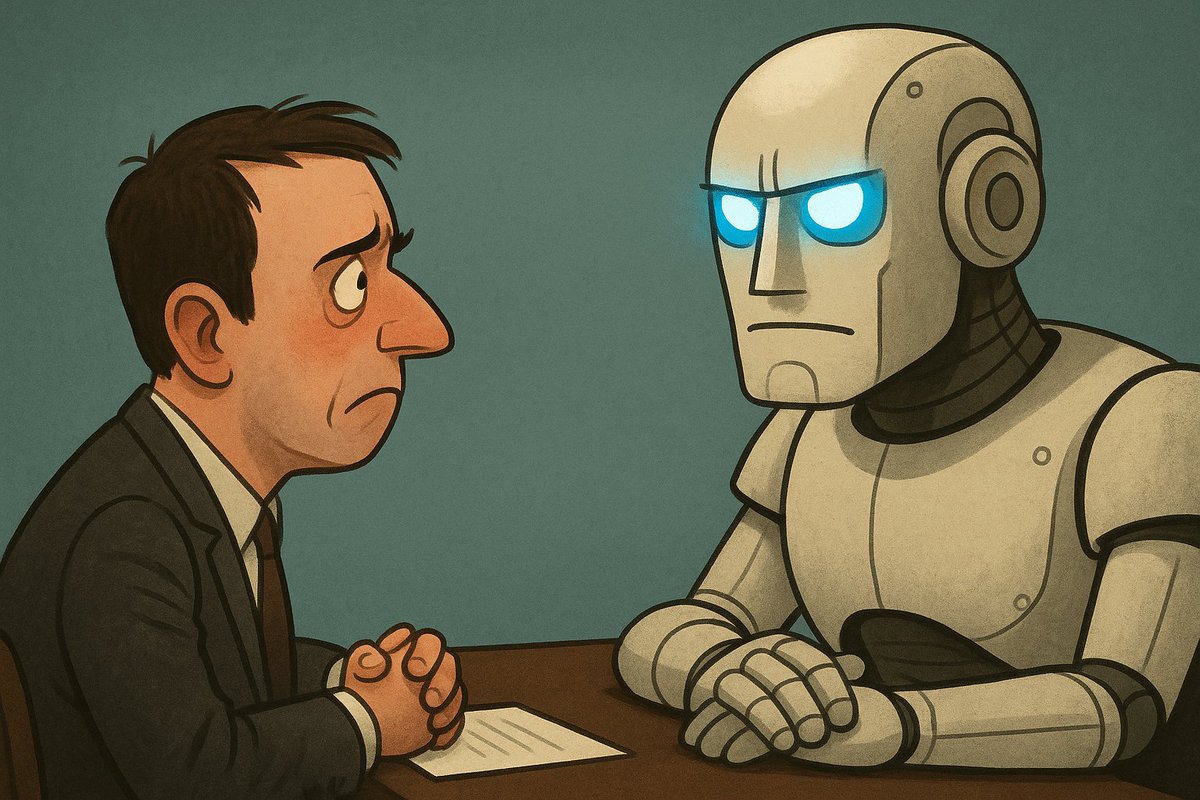
AI that interrupts on purpose feels like the wrong kind of “human.” Here's the thing: clean turn-taking builds trust. I’ve seen “lively” bots feel rude fast. My take: keep interruptions opt-in, not default. Would you use one? 🤖
Here's the thing: LLMs fail confidently, which is why I think hybrid AI works better. Pair predictive models for risk scoring with LLMs for replies, then route high-risk cases to humans. Twilio did this. Pure prompting failed me. What would you do? Humanized AI? 🤝
A 25-year-old game making billionaires worry about “controlling god” shows this is not about toys. PC Gamer’s Musk vs Altman reporting, with Demis Hassabis in the mix, shows the real fight: who defines human control as AI climbs. Builders should make shipping cost speed.
AI writing is getting too perfect.
Honestly, that’s the problem. Clean text can feel sterile__correct, but nobody’s there. I’ve seen it fail when trust matters more than polish.
What this tells me: the real test is tone and empathy, not grammar. How does your AI make people feel?
i am pondering: Greenhouse says ~2/3 of job seekers already got AI-interviewed. Emotion AI reads face/voice/text. On paper it’s “objective,” but honestly I’ve seen it make candidates uneasy--some dropped. the weird part: bias can still persist. and that matters because:…
AI and wealth: rich people have more resources to harness AI power and getting even richer. What's your take on the future of AI. What's in it for you? Let's build AI for the human together.
Cursor’s huge: reportedly 67% of Fortune 500 + ~150M enterprise lines/day. But I think the risk is being a thin layer on OpenAI/Anthropic while they ship their own IDEs. I’ve seen “better UX” fail as a moat. How do you dodge API dependency? #codex#aicoding#aiproductstrategy
Check out my latest article: Lovable hits $200M ARR — and its CEO says staying in Europe was a key part of the win https://t.co/OeTT3XsC3j via @LinkedIn
TechCrunch: AI-era speed is real—Stripe says ~2x as many startups hit ~$10M ARR in ~3 months in 2025 vs 2024; 2025 cohort grew ~50% faster; Atlas formations +41%; 20% got first customer in 30 days. But speed ≠ staying power: retention/churn wins. What are you tracking?
My take from the survey: market uses AI as a feature, not trusting it as an agent. I’ve seen “high autonomy” demos get attention, then day-2 usage fades. What fits now: 5–30s, reversible tools (search, writing, summaries). What are you shipping first?
“Software engineer ending by 2026?” IMO no—job shape changes. AI agents can write most of a codebase; some teams claim a year in hours; Cherny hasn’t coded for months; title may shift to “builder.” In my experience, “crank tickets” failed. Tradeoff: faster ship, more…
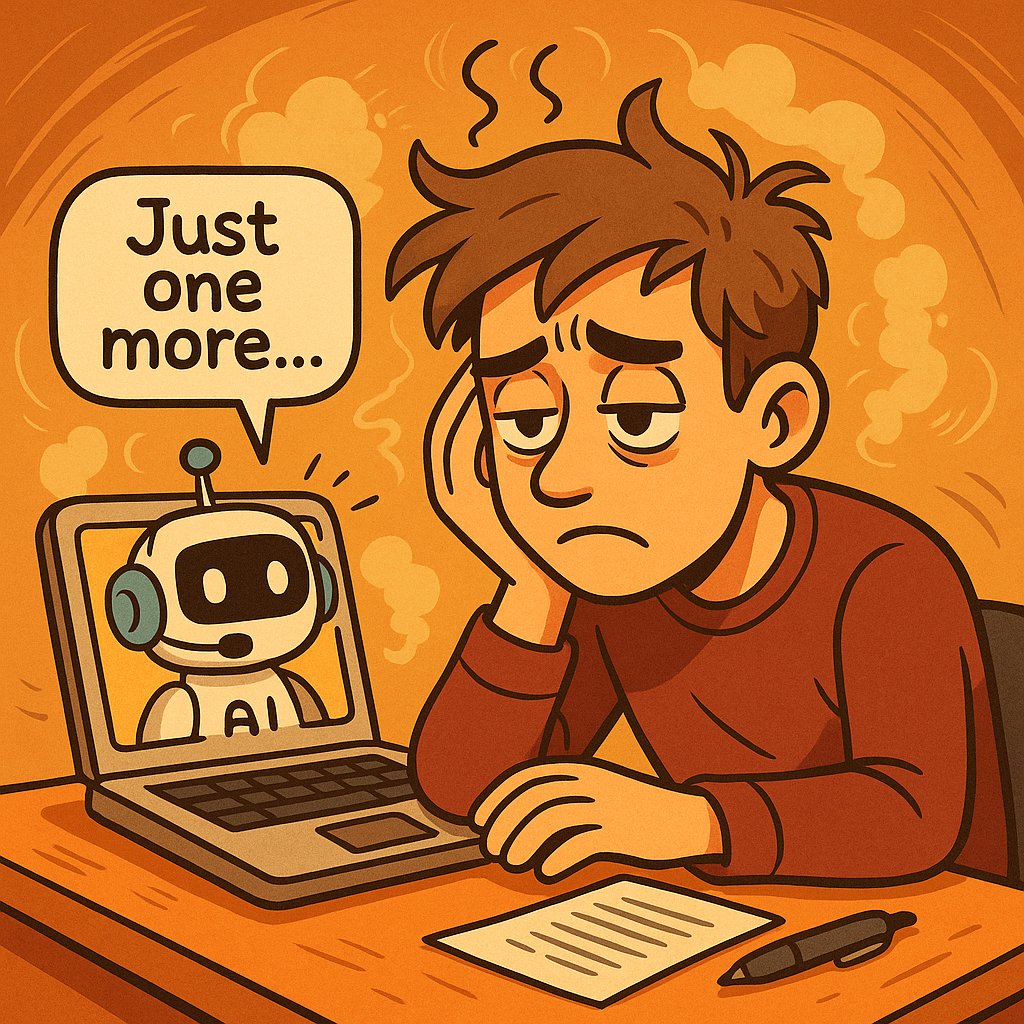
AI coding tools didn’t burn me out from workload—it was how hard they made it to stop. Feels like a slot machine: “one more prompt.” What failed: I added more AI/threads; quality dropped, I reviewed less, leaned harder. Now: 60–90m blocks, cap agents. What boundary this week?