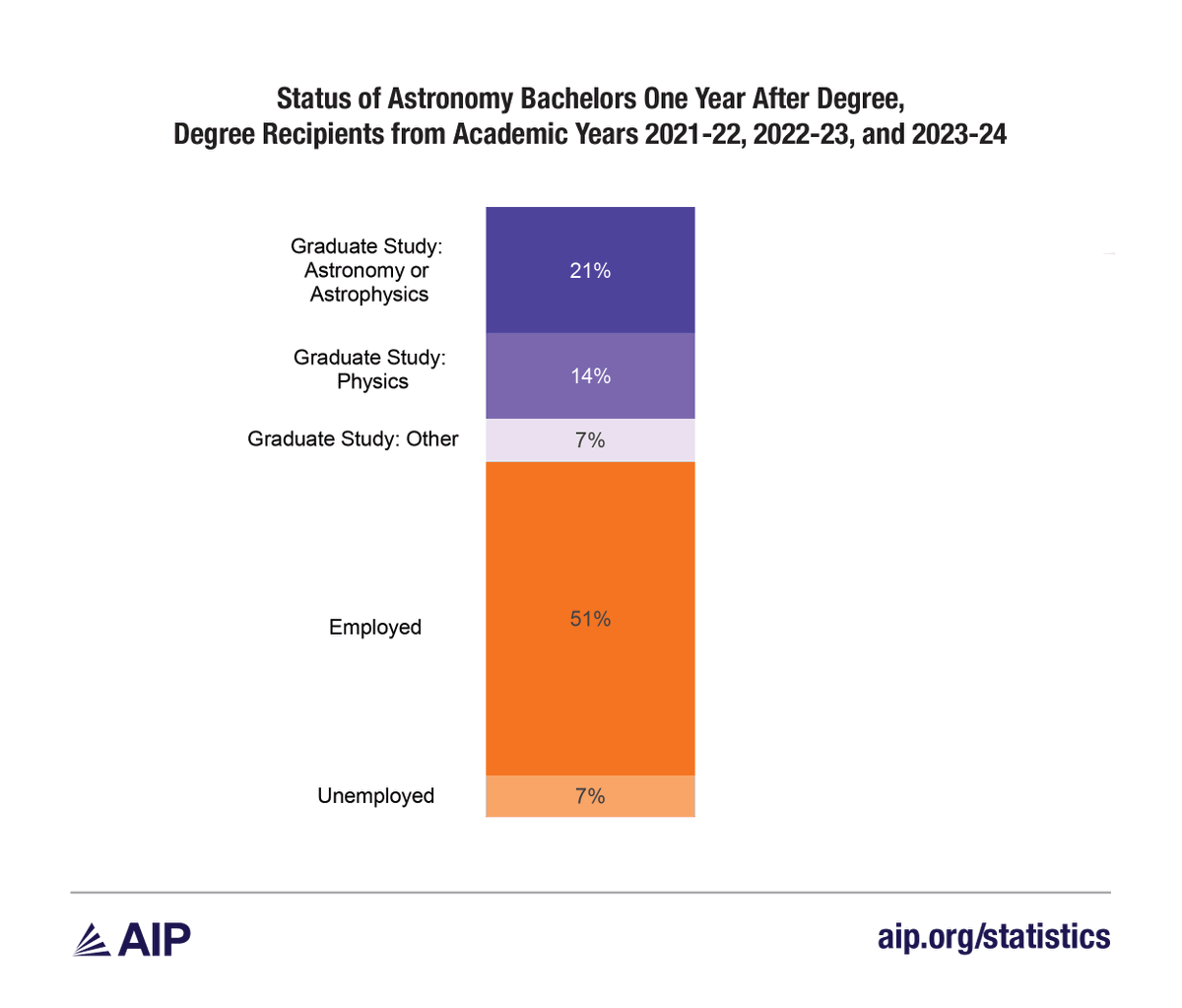
Our new report "New Astronomy Bachelors: What Comes Next" is out now! This report examines initial outcomes for those who received astronomy bachelor's degrees in the last few years. Read the full report here: https://t.co/s2GiQAALiF
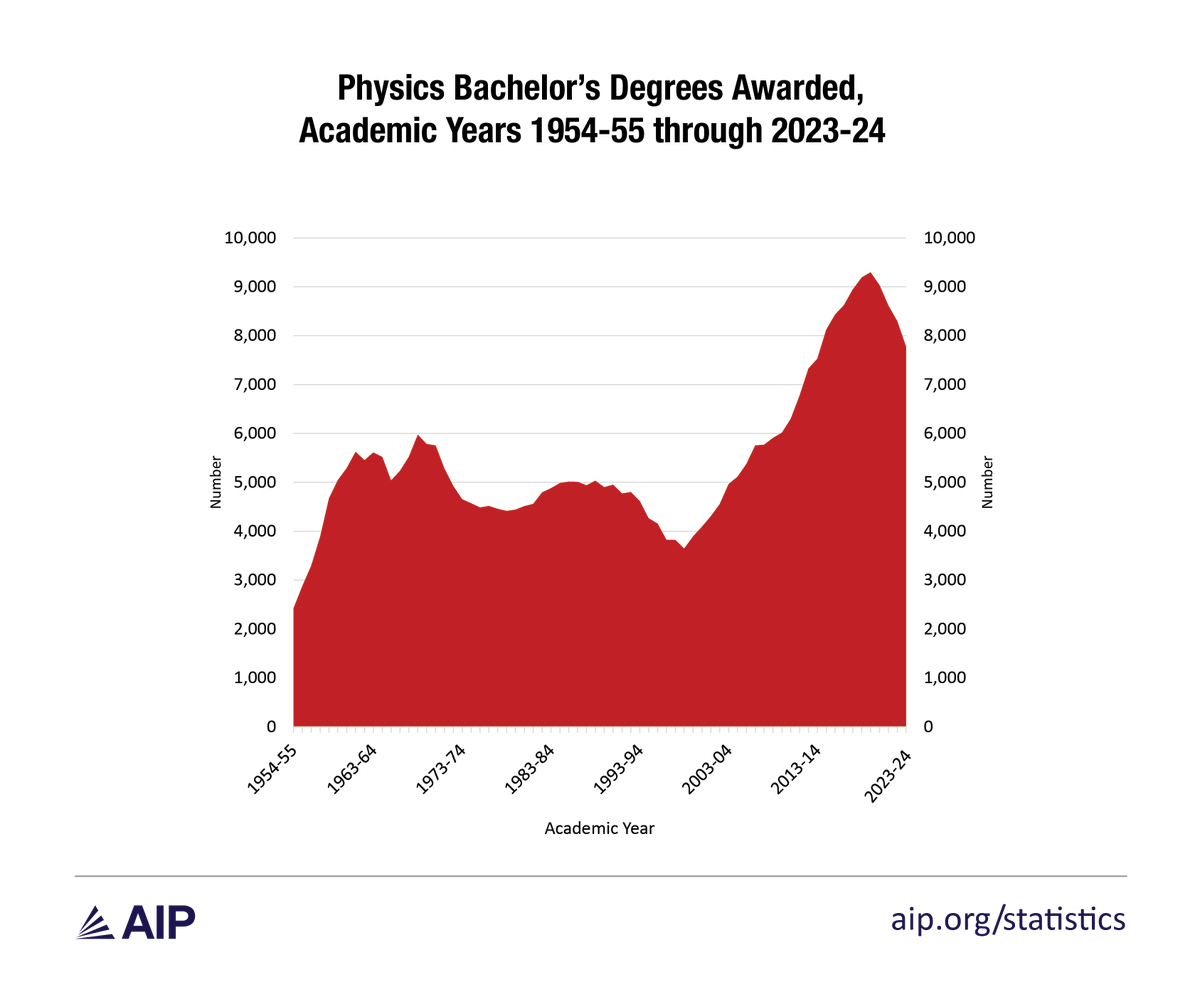
New report "Trends in Physics Bachelor’s Degrees: Decline and Signs of Stabilization" is now available. Using data from the AIP Survey of Enrollments and Degrees, this report shows trend data on physics bachelor’s 2023–24 academic year.
Read here: https://t.co/tdWWWgrYOn
New report "Trends in Physics Bachelor’s Degrees: Decline and Signs of Stabilization" is now available. Using data from the AIP Survey of Enrollments and Degrees, this report shows trend data on physics bachelor’s 2023–24 academic year.
Read here: https://t.co/tdWWWgrYOn
📊 AIP Research tracks the federal physical science & engineering workforce.
New data: location redactions in OPM records jumped from ~3% (Sept 2024) to ~65% (Nov 2025).
Explore @AIP_Stats full dashboard: https://t.co/1jLX95LLYN
(3/3)
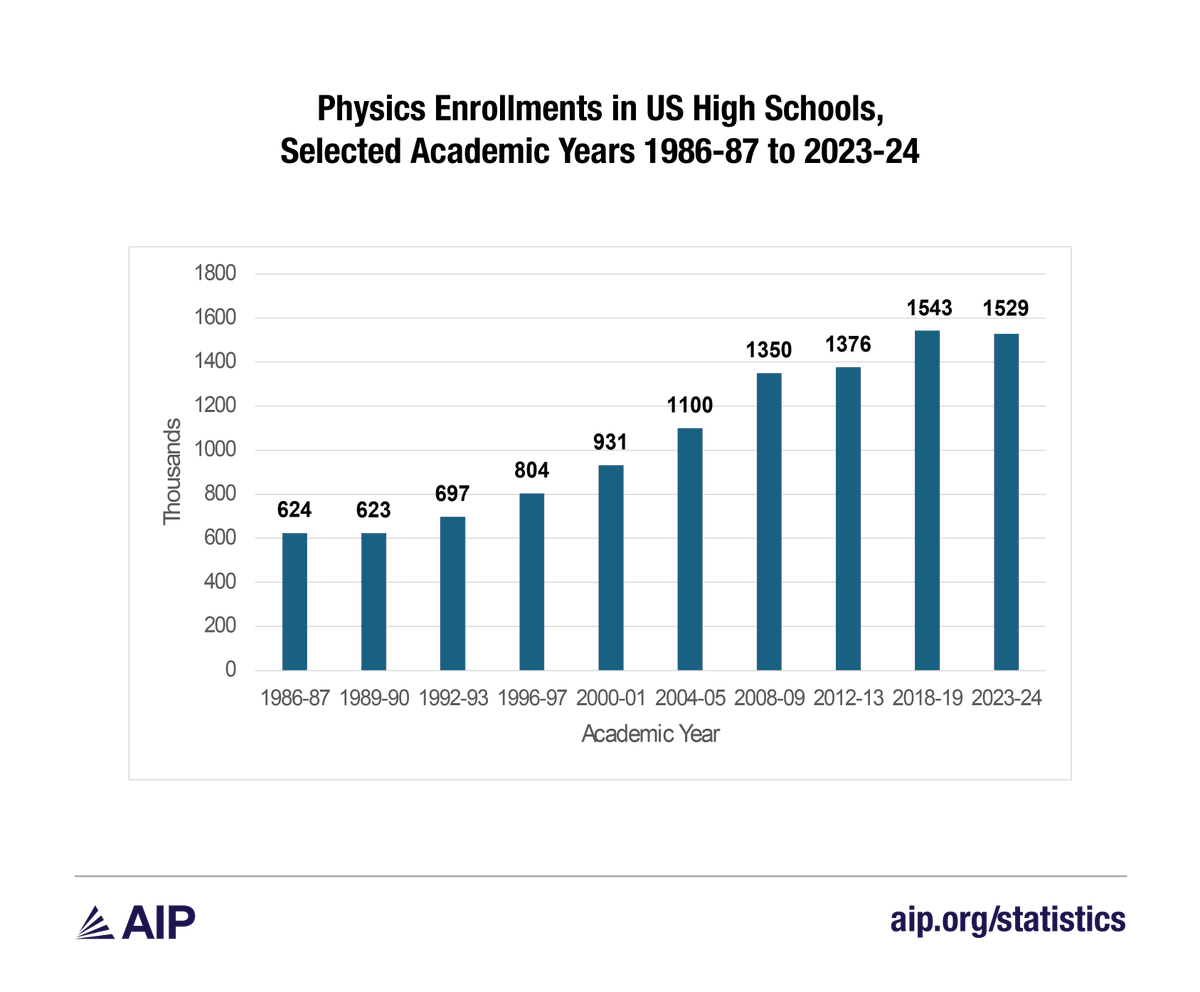
- COVID-19 shutdowns and school disruptions, along with an increase in homeschooling and other forms of nontraditional participation among 17-year-olds, could have contributed to the decline in physics enrollment among students in public and private high schools in the US.
New report "High School Physics Enrollments and Class Availability" is now available! This report looks at trends in high school physics over recent years. Read the full report here: https://t.co/9rZ7BYokLb
(2/3)
- While the number of students taking physics declined, the number of high school teachers teaching at least one physics course continued to increase,
the physics-taking rate for high school seniors has remained relatively stable over the last two decades.
Our fourth and final Spring 2026 Physics Trends Flyer looks at initial outcomes for astronomy bachelor's degree recipients - 51% were employed shortly after graduation. Download a copy here: https://t.co/7kaZt2caky
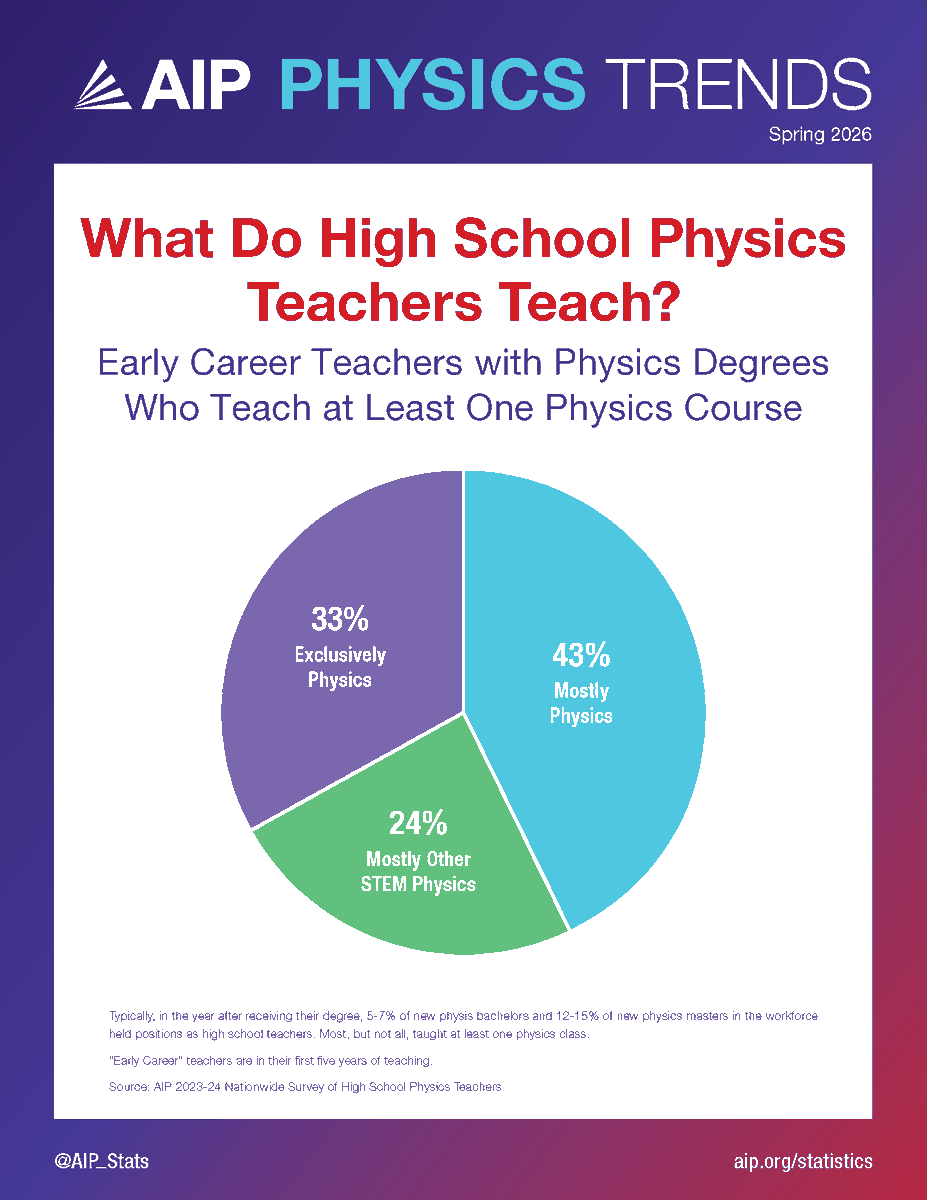
76% of early-career high school physics teachers with physics degrees teach physics as their primary or exclusive subject.
Full @AIP_Stats data ▶️ https://t.co/S82Uv95xqa
#PhysicsTrends
Our third Spring 2026 Physics Trends Flyer highlights fields of employment for new physics PhDs, with a special shoutout to our "Who's Hiring Physics PhDs?" resource.
View the flyer here: https://t.co/zUTCHrSbZ8
And the resource here: https://t.co/y8QXEDDswp
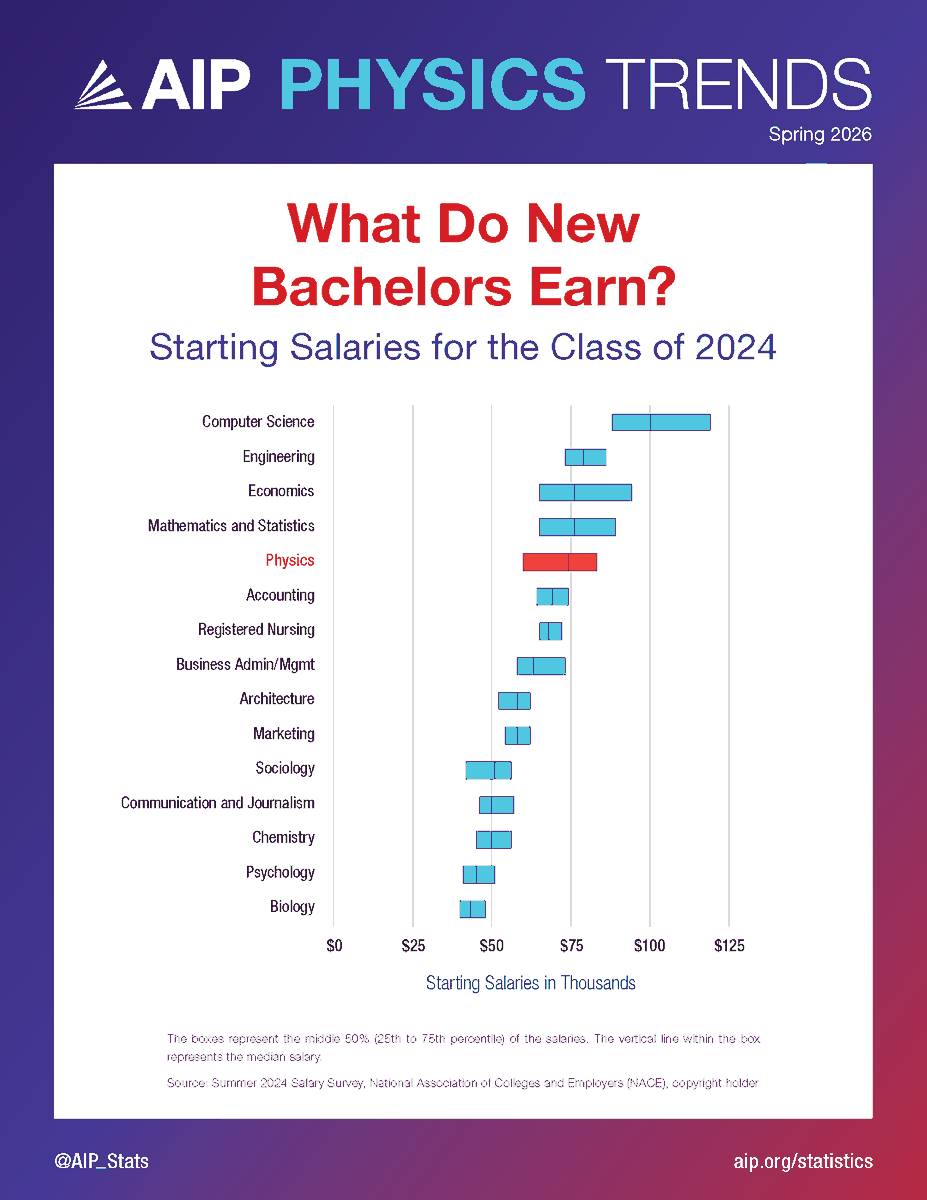
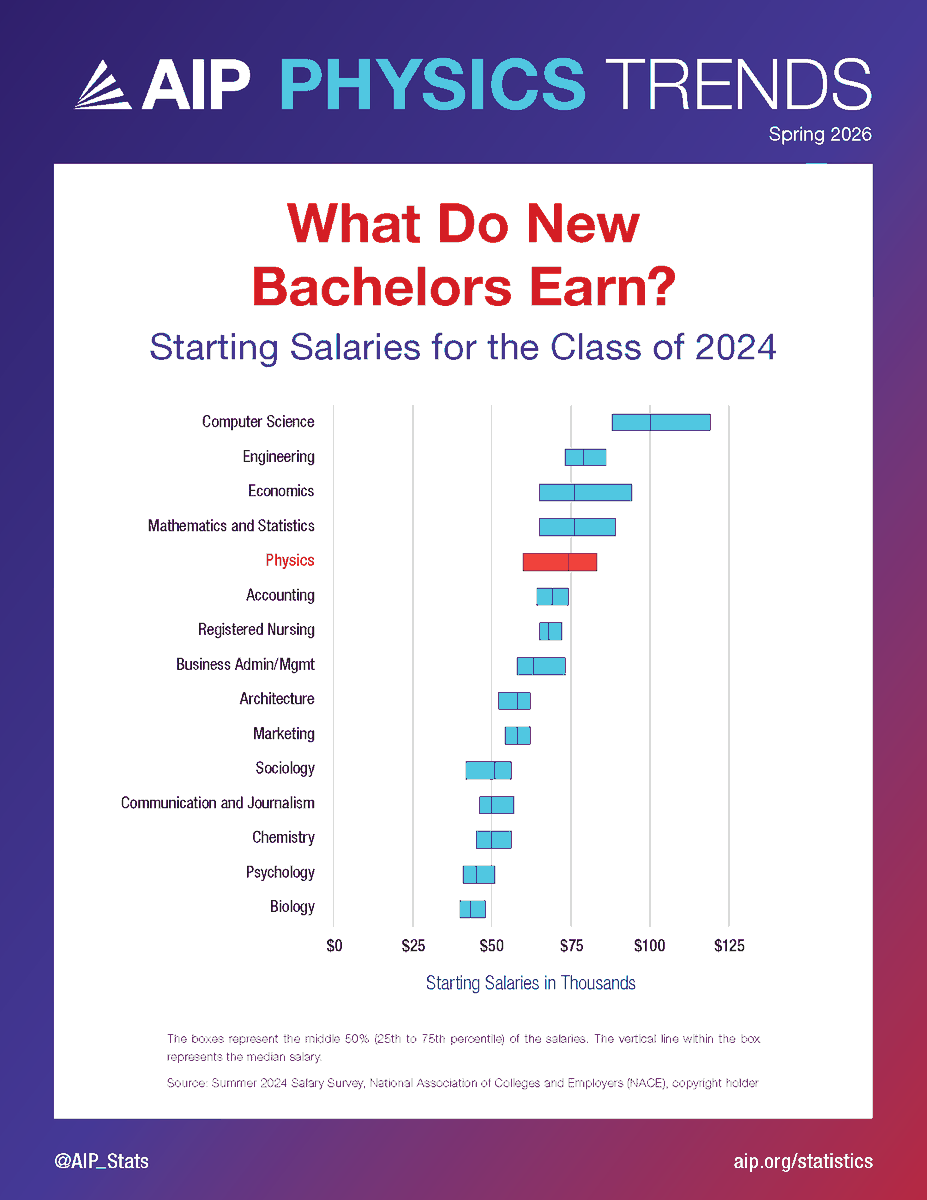
Physics bachelor's grads are earning starting salaries on par with economics and math/stats majors, Class of 2024.
See how physics stacks up 🔽 https://t.co/S82Uv95xqa
#PhysicsTrends
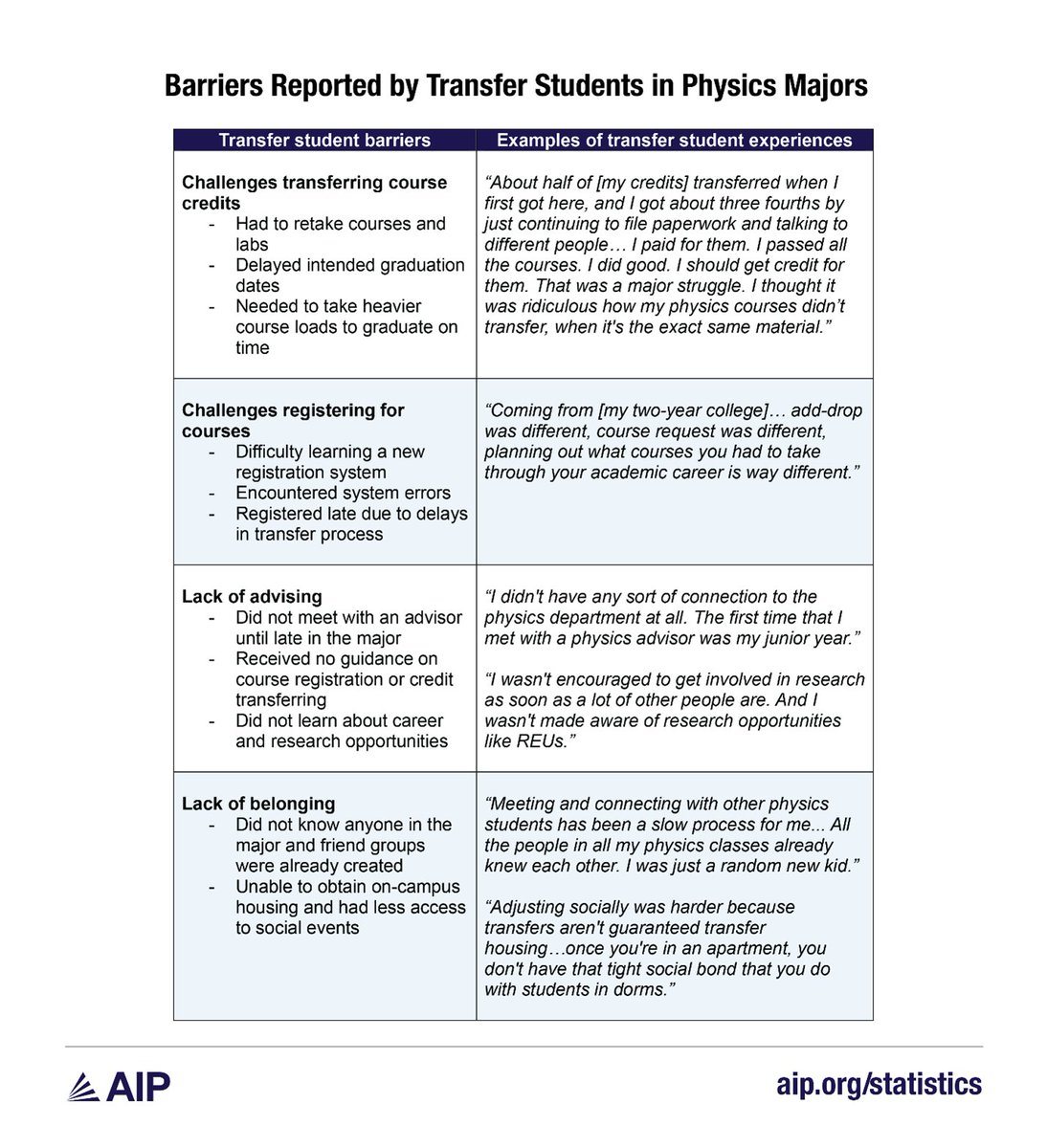
13% of physics bachelor's earners start at a 2-year college.
New @AIP_Stats data shows how departments can help more of them cross the finish line.
🔗 https://t.co/MTWej0J80c
Our Spring 2026 Physics Trends Flyers are now available online! This first one examines physics bachelors starting salaries compared to other majors. Download a copy here: https://t.co/6oYg5LQK4n
New report "How to Support Transfer Students in Physics" is now out! This report shares finding from our Attrition and Persistence study, and examines kinds of support that transfer students appreciated during their undergraduate education. Read here: https://t.co/HvR69LCA42
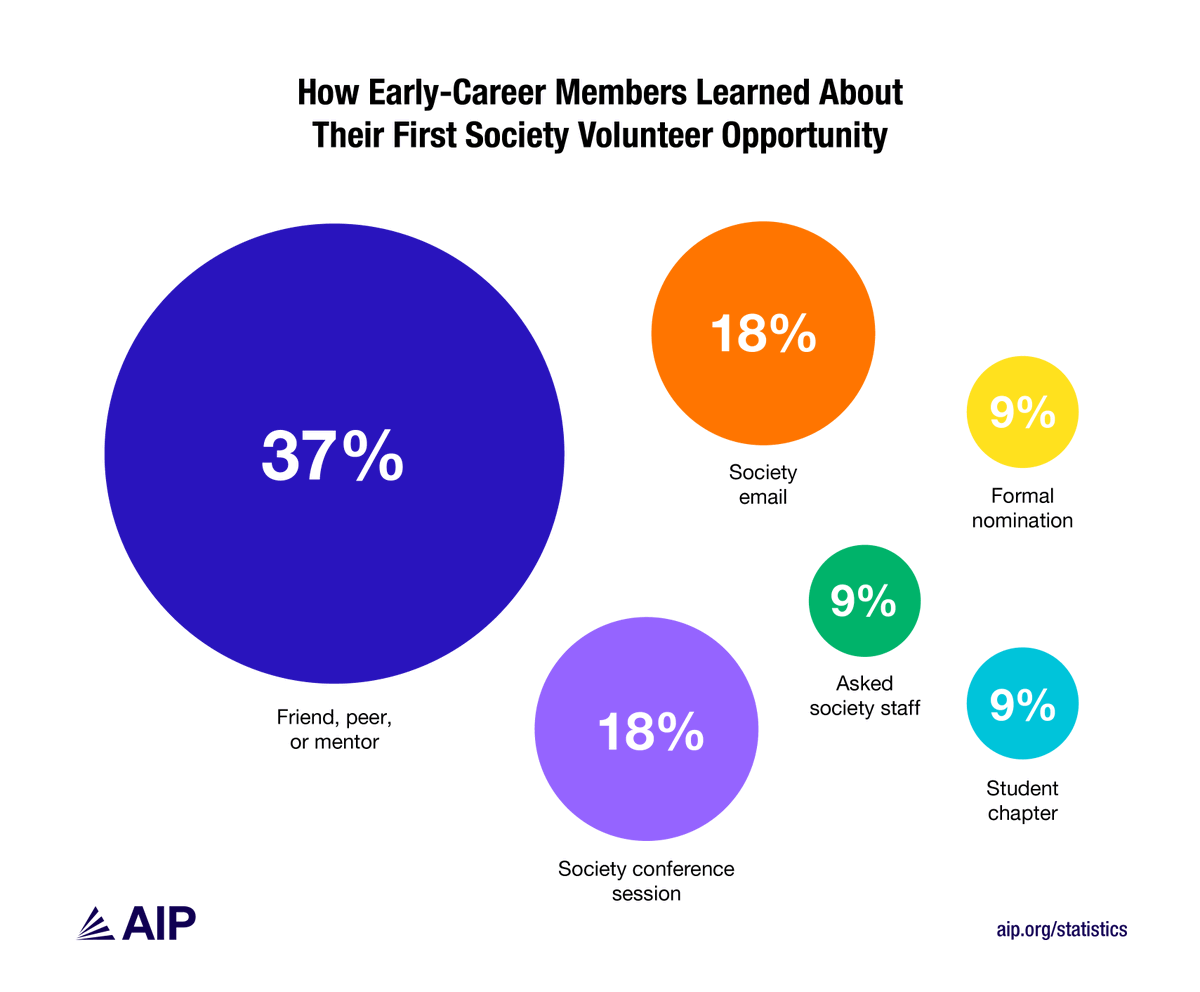
"You seem like you really care. . . . Would you like to join this committee?"
That's how most early-career physics leaders got their first volunteer role, per @AIP_Stats research.
One sentence. One career changed.
📊 https://t.co/VLfY413rSo
"We are conducting research to better understand and gathering firsthand accounts of careers impacted by these funding and policy changes — before details fade and institutional memory is lost." — Trevor Owens, AIP CRO
Share your story: https://t.co/ctnTkIRhdC