🧠 Cognitive control isn’t just where — it’s when.
👉 https://t.co/GY6XUhQmTN
New insights show the prefrontal cortex is organized by temporal hierarchy:
Slow, integrative neurons guide high-level control, while fast, bursty neurons execute rapid decisions.
When timing falls out of sync, cognition can unravel — even without visible structural damage.
Stay sharp on neuroscience that reshapes how we think about the brain.
#MedWeekly #Neuroscience #CognitiveControl #BrainTiming #ScienceDigest
Biomedical research is moving fast — but reading everything isn’t humanly possible.
https://t.co/IUnIwoE3vK
PubMedAI helps you cut through the noise:
🔍 Pinpoint key mechanisms
🧠 Connect findings across studies
⚡ Stay current without drowning in PDFs
Spend less time searching. Spend more time thinking.
#PubMedAI #BiomedicalResearch #AIinScience #LifeSciences #AcademicTwitter
Rheumatoid arthritis isn’t “just joint pain”—it’s a complex immune story.
This #WorldRAAwarenessDay, explore how inflammation, genetics, and therapies connect, all in one place on https://t.co/naK9karkCb.
🧬🦴 #RA#Autoimmune#PubMedAI
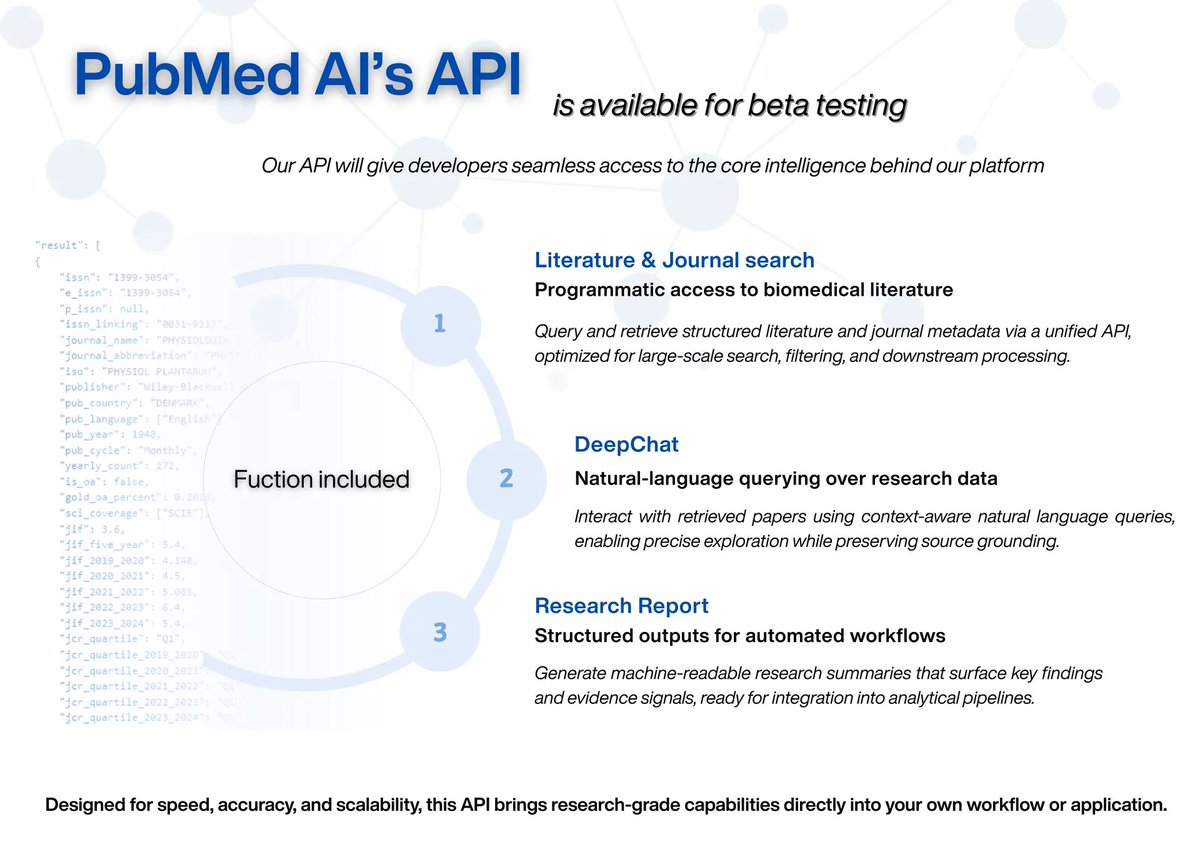
🚀 PubMedAI API Is Now Live
We’re excited to announce that the PubMedAI API is officially live and ready to be integrated into your research workflows, applications, and internal tools.
📘 Full API documentation
https://t.co/Za608rR0YP
With the PubMedAI API, you can programmatically access literature search, conversational querying, and structured research report generation — all built on top of biomedical and life science–focused retrieval and reasoning. Whether you’re developing research tools, automating evidence screening, or enhancing internal knowledge systems, the API is designed to be flexible, transparent, and research-oriented.
To support early adopters, the first two months of API access are completely free. This is an opportunity to explore real-world use cases, test integrations, and evaluate how PubMedAI fits into your existing pipeline with no upfront cost.
Please note that this API is currently in beta test stage. If you’re interested in getting access or want to discuss potential use cases, feel free to reach out to us directly. We’re actively listening to early users and welcome feedback to help guide future improvements and feature development.
🧬 Quick quiz for cancer researchers & clinicians:
Do you know why the time of day might change how well radiotherapy works?
https://t.co/O5KScqn32J
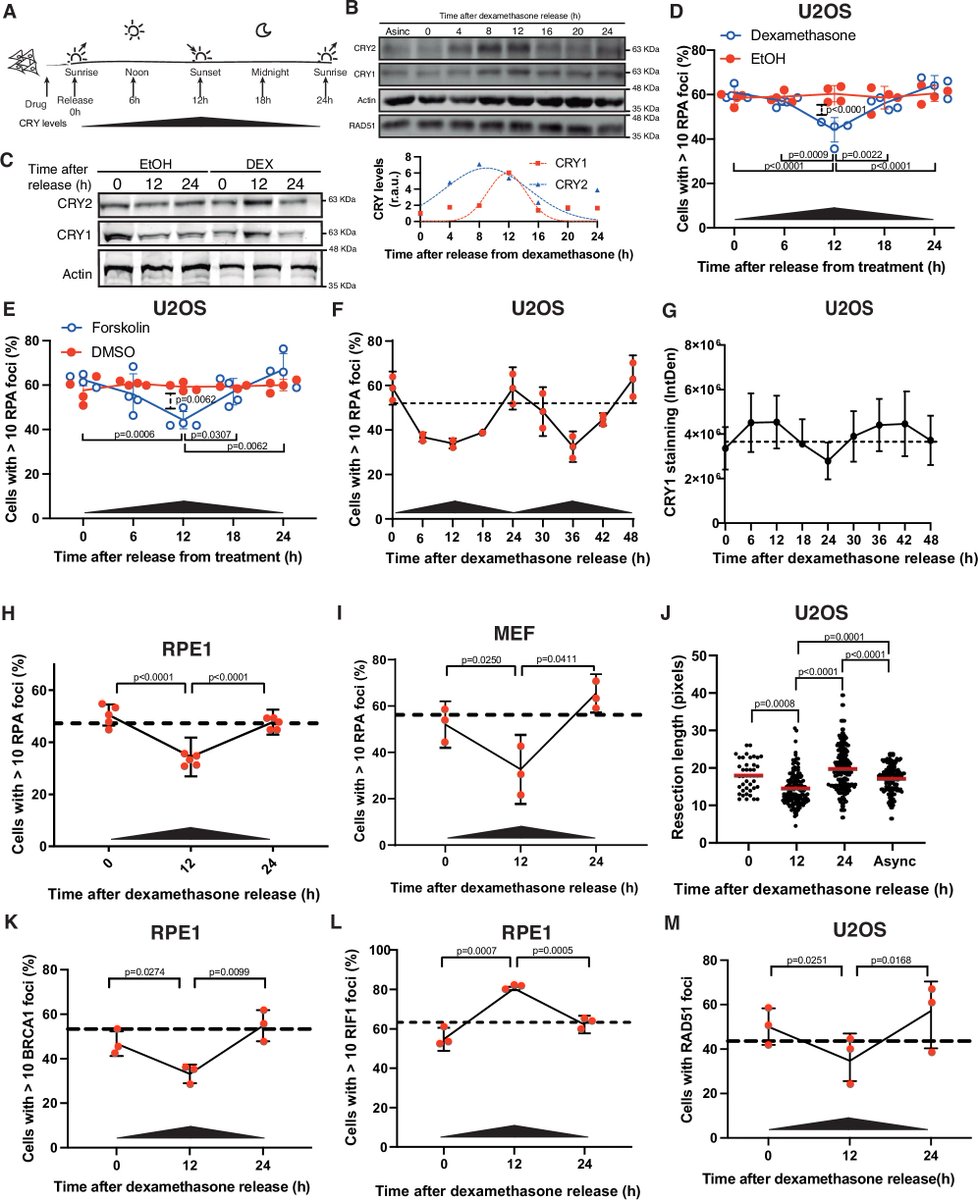
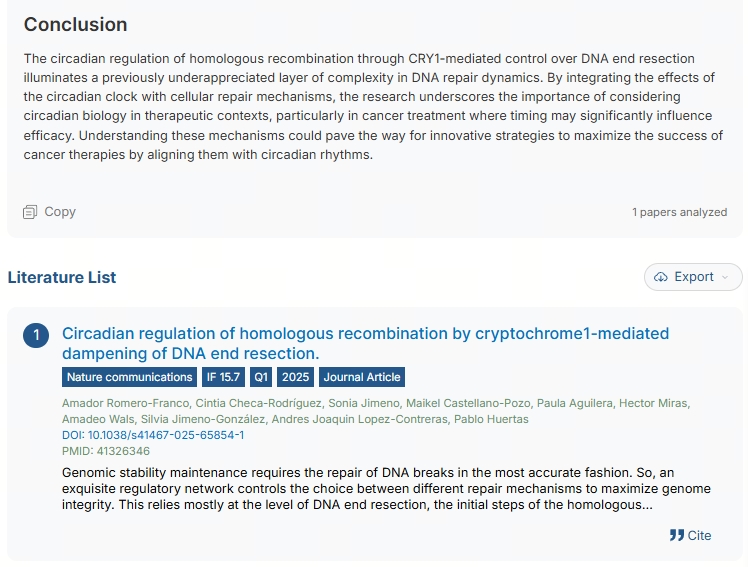
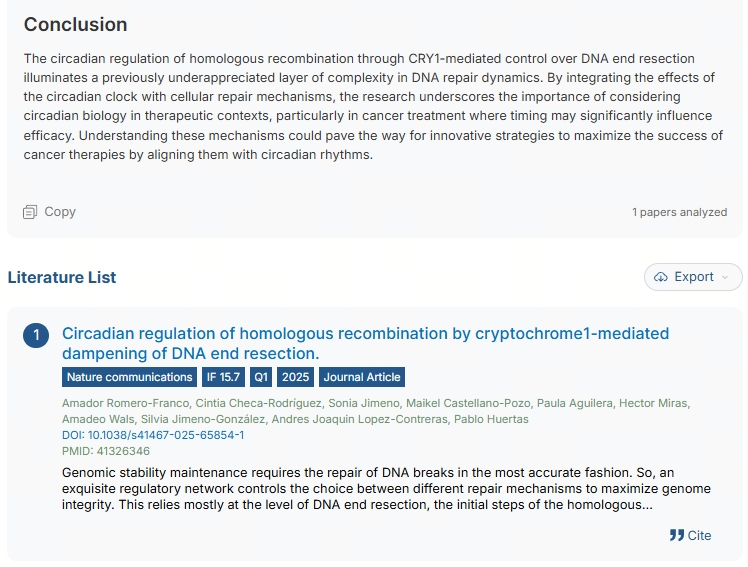
New evidence suggests the answer lies in circadian control of DNA repair—specifically homologous recombination and DNA end resection.
Dive into our latest blog on chronoradiotherapy, CRY1, and why when you treat may matter as much as how you treat.
And if you want to explore the research deeper, https://t.co/IUnIwoE3vK makes finding and connecting the evidence effortless.
🔬📚 Science has a clock—are we using it?
Circadian control of DNA repair may shape cancer outcomes
Find More Research: https://t.co/9PblNv7udg
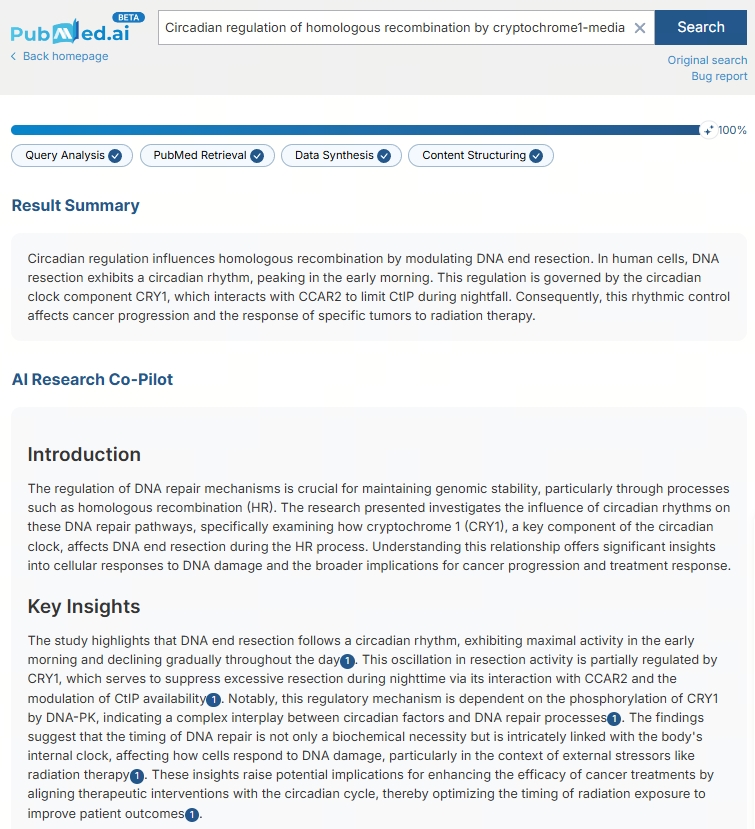
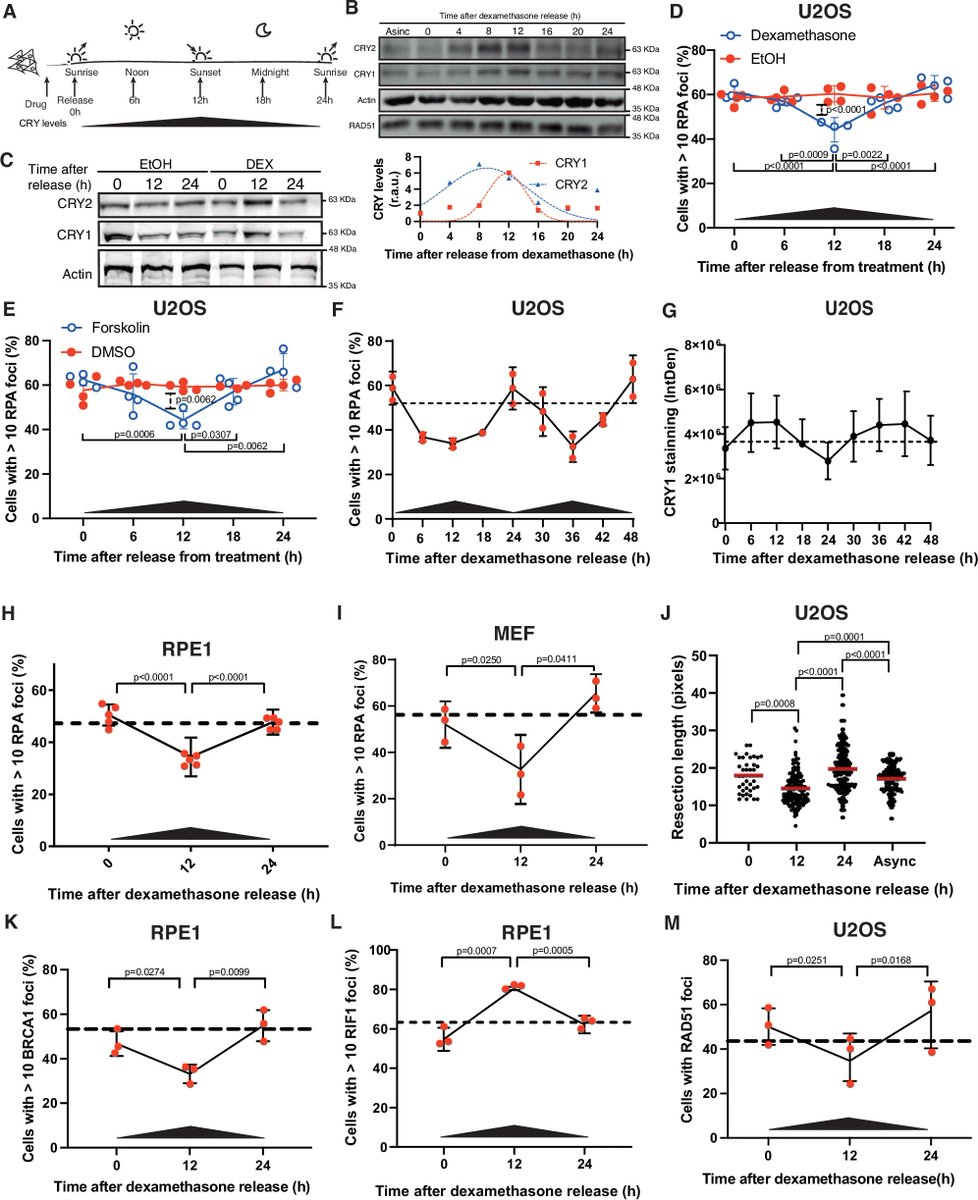
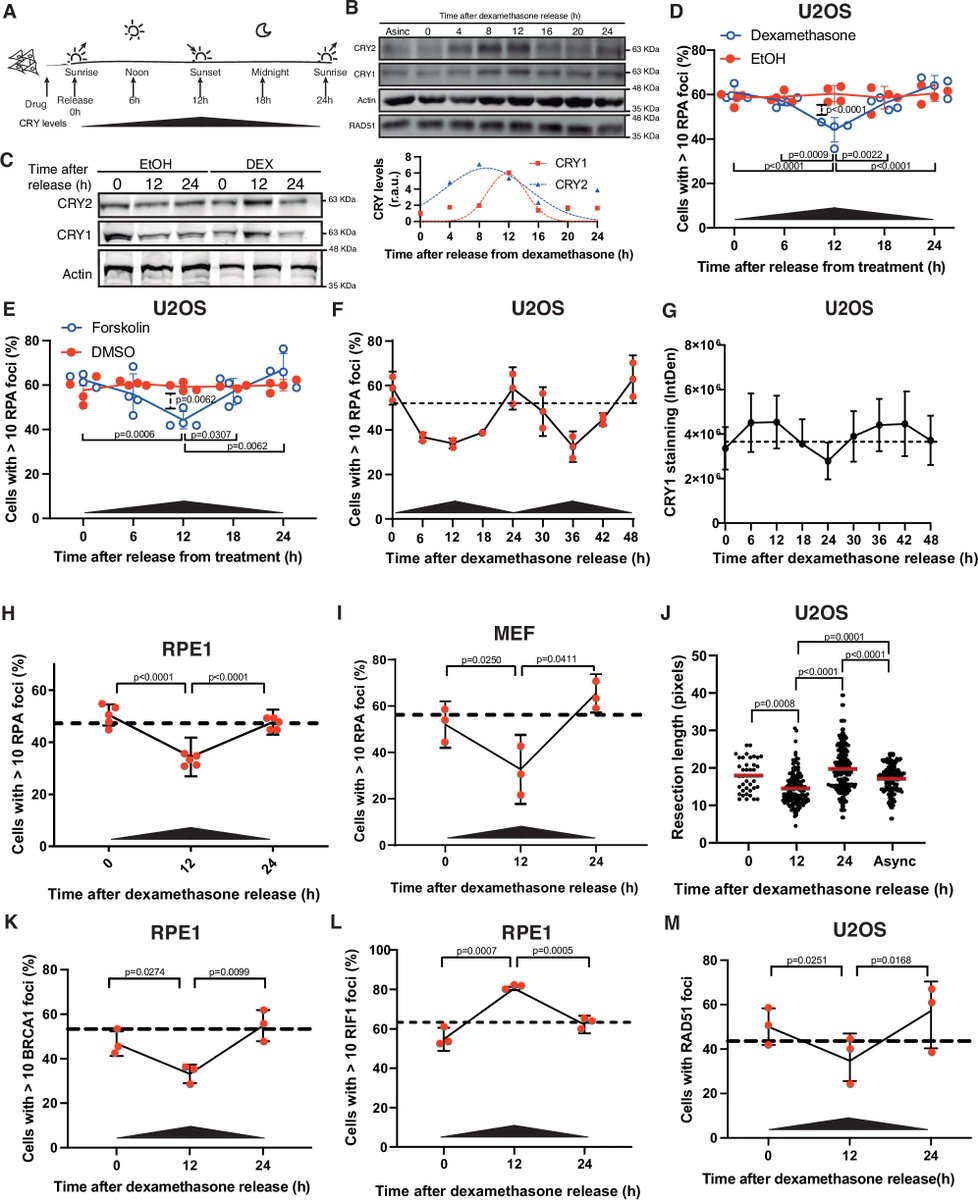
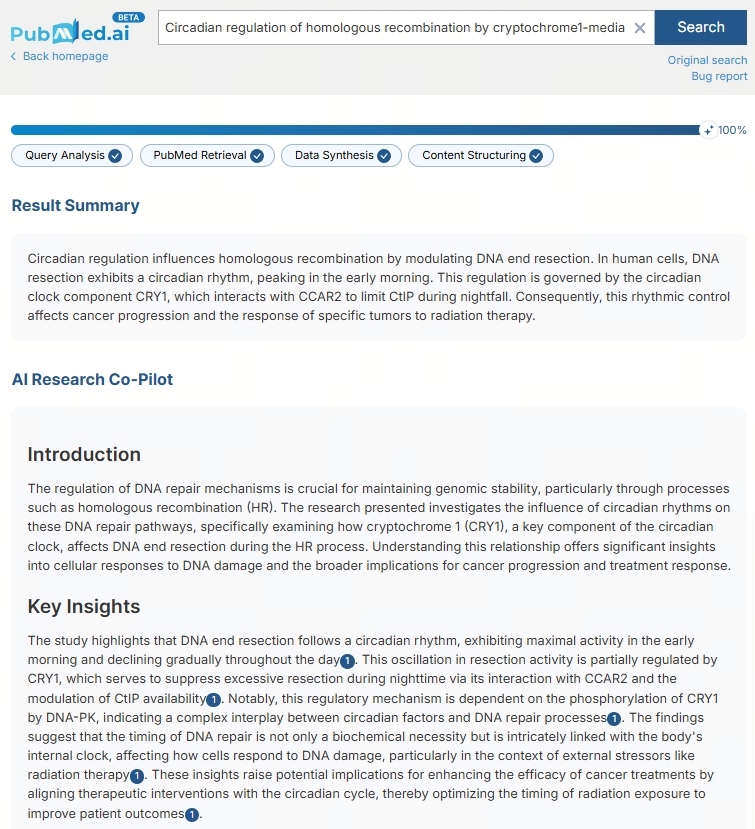
New research reveals that homologous recombination is not constant across the day. In human cells, DNA end resection follows a circadian rhythm, peaking in the early morning.
This process is tightly regulated by the clock protein CRY1, which interacts with CCAR2 to restrain CtIP-mediated resection during nighttime. The result is a rhythmic modulation of DNA repair capacity.
These findings link the circadian clock directly to genome stability — with important implications for tumor progression and radiotherapy timing.
#CircadianBiology #DNARepair #CancerResearch #Radiotherapy #Genomics
Does your DNA repair system know what time it is? ⏰🧬
Turns out, yes.
Find More Research: https://t.co/9PblNv7udg
Homologous recombination rises and falls with the circadian clock — peaking in the early morning and dialing down at night. The key player? CRY1, which teams up with CCAR2 to limit DNA end resection by CtIP after dark 🌙
Why it matters:
⏳ DNA repair efficiency isn’t constant
🎯 Tumor sensitivity to radiation may depend on timing
🧠 Cancer biology is more “time-aware” than we thought
Chronotherapy might be closer than we think.
#Chronobiology #DNARepair #CancerTiming #RadiationTherapy #MolecularBiology
🧠 Spotting Parkinson’s Before Symptoms Arrive
👉 Discover it fast: https://t.co/TRr2rT6dD6
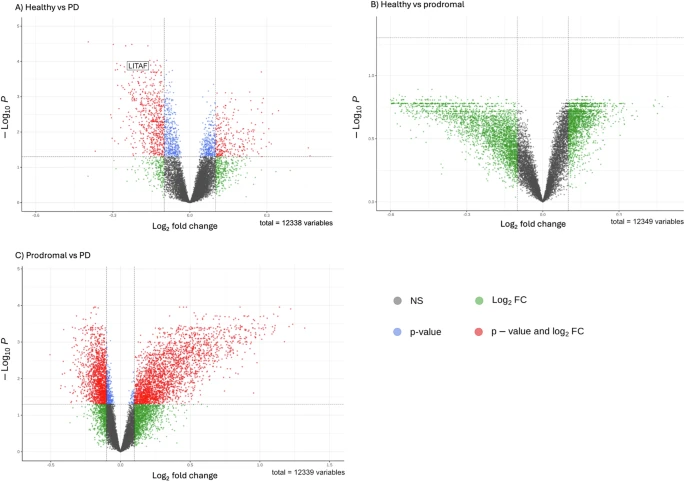
New evidence shows that peripheral blood signatures in DNA repair and integrated stress response genes evolve dynamically from prodromal to established PD—suggesting early molecular disruption long before clinical diagnosis is possible.
https://t.co/IUnIwoDvGc helps researchers analyze these complex longitudinal studies by turning raw literature into structured mechanistic insight.
#PubMedAI #EarlyDetection #ParkinsonsDisease #Bioinformatics #MedicalAI
🔬 Early Parkinson’s Signals Lie in DNA Repair Pathways
With https://t.co/IUnIwoDvGc, you can instantly extract these molecular insights and track subtle pathway shifts across disease stages.
Longitudinal transcriptomics reveals that changes in DNA repair and stress response genes may distinguish prodromal PD from healthy controls before motor symptoms emerge—highlighting a potential early biomarker window.
👉 Explore research the smart way: https://t.co/TRr2rT6dD6
#PubMedAI #ParkinsonsResearch #Biomarkers #Neurodegeneration #AIforScience
👉 Want clear, mechanism-focused scientific insights every week? Subscribe to MedWeekly: https://t.co/GY6XUhQmTN
🌍 When Detection Methods Shape the Conclusion
Humans are continuously exposed to micro- and nanosized plastics, but a recent evaluation finds that current Py-GC-MS techniques may not reliably quantify key polymers like polyethylene or PVC in blood without advanced controls. Interferences and nonspecific signature products can skew results, reminding us that methodology matters as much as data.
🧪 Microplastics in Blood? Science Says “Not Yet Clear���
👉 For a weekly breakdown of what really matters in emerging science, subscribe to MedWeekly: https://t.co/GY6XUhQmTN
A new Environmental Science & Technology study shows that widely used analytical methods like Py-GC-MS may produce false positives when measuring plastics in human blood due to matrix interferences—especially with fats. Realistic detection limits are far higher than expected, and many polymers simply fall below reliable thresholds. This raises serious questions about how earlier human microplastic findings were interpreted.
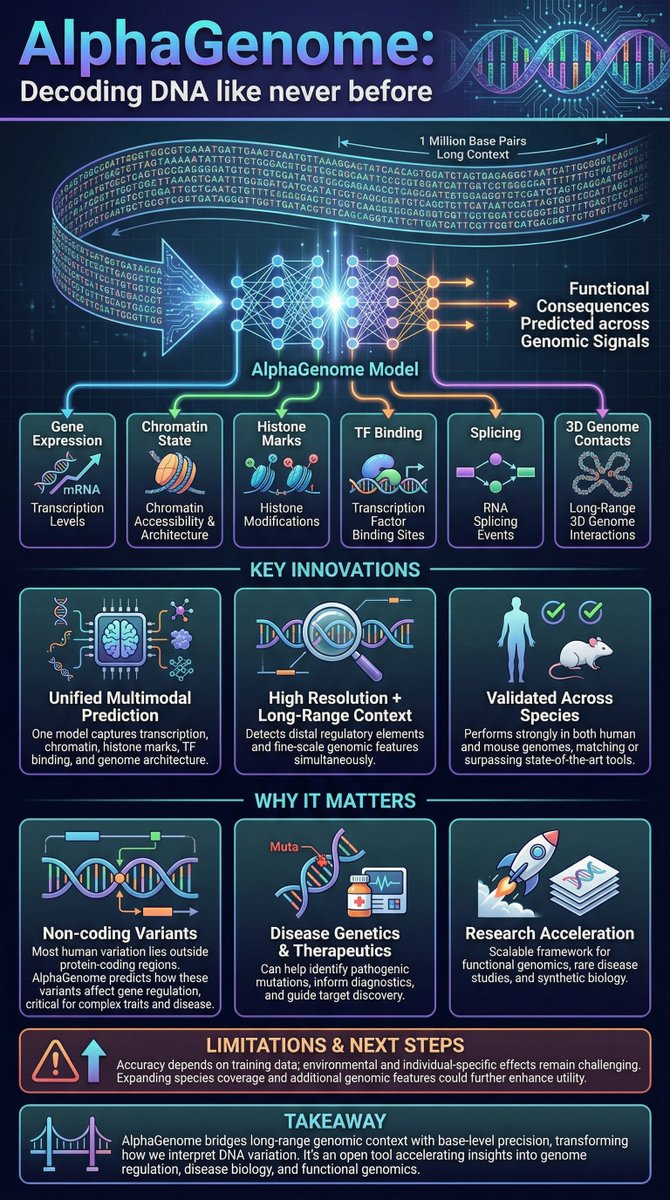
AlphaGenome: Decoding DNA like never before
https://t.co/bOSg0G6Uzk
A new deep learning model, AlphaGenome, predicts the functional consequences of DNA sequence variants across thousands of genomic signals — from gene expression to chromatin state, splicing, and 3D genome contacts — all from raw genome sequences up to 1 million base pairs long.
Key Innovations
• Unified multimodal prediction: One model captures transcription, chromatin, histone marks, TF binding, and genome architecture.
• High resolution + long-range context: Detects distal regulatory elements and fine-scale genomic features simultaneously.
• Validated across species: Performs strongly in both human and mouse genomes, matching or surpassing state-of-the-art tools.
Why It Matters
• Non-coding variants: Most human variation lies outside protein-coding regions. AlphaGenome predicts how these variants affect gene regulation, critical for understanding complex traits and disease.
• Disease genetics & therapeutics: Can help identify pathogenic mutations, inform diagnostics, and guide target discovery.
• Research acceleration: Scalable framework for functional genomics, rare disease studies, and synthetic biology.
Limitations & Next Steps
• Accuracy depends on training data; environmental and individual-specific effects remain challenging.
• Expanding species coverage and additional genomic features could further enhance utility.
Takeaway
AlphaGenome bridges long-range genomic context with base-level precision, transforming how we interpret DNA variation. It’s an open tool accelerating insights into genome regulation, disease biology, and functional genomics.
#Genomics #AIinBiology #FunctionalGenomics #VariantEffect #DeepLearning #NonCodingDNA #GenomeResearch
BREAKTHOUGH: Google's AI can now read 1 million DNA letters at once.
Google's DeepMind has unveiled a revolutionary deep learning model, AlphaGenome, which can analyze long sequences of DNA with remarkable accuracy.
A new peer reviewed study published in Nature, AlphaGenome can process up to 1 million base pairs (1 megabase) in a single input, capturing long range genetic interactions that previous models could not.
The system predicts how single letter DNA changes affect gene expression, RNA splicing, and chromatin regulation across 11 genomic signals, even within the 98% of the human genome that does not code for proteins. In benchmark tests, AlphaGenome matched or outperformed previous state of the art models at identifying functionally important genetic variants.
By making large sections of the non-coding genome interpretable, AlphaGenome could significantly accelerate disease variant discovery, cancer research, and precision medicine, moving genomics from sequence reading toward functional understanding.
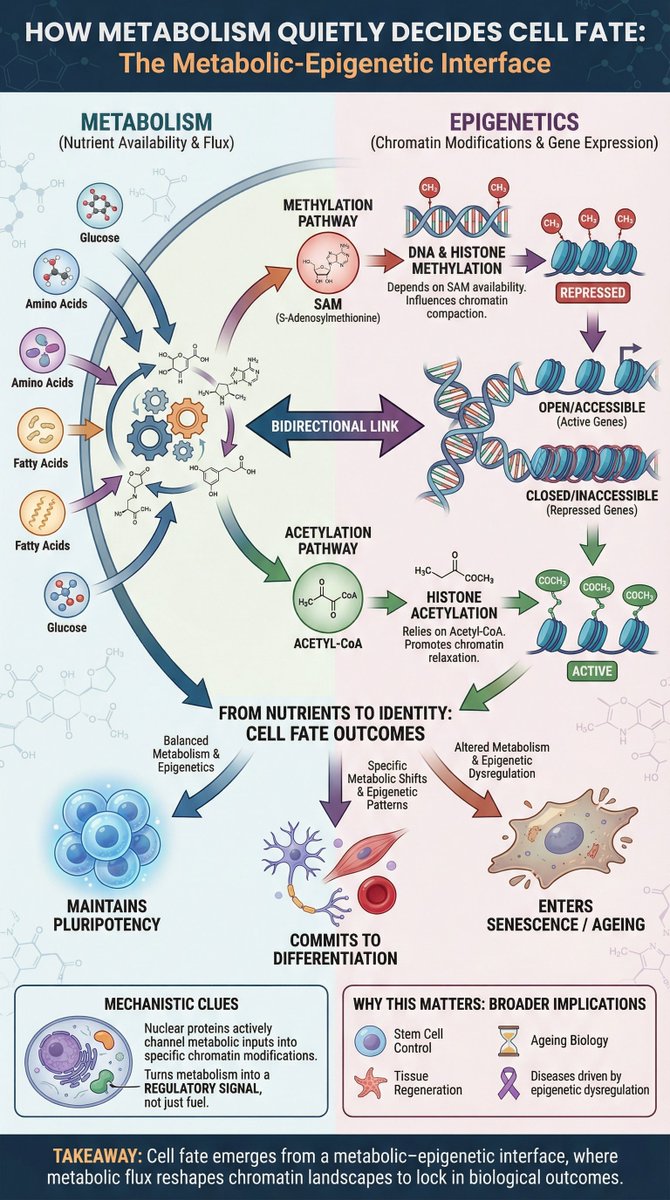
🧬 How metabolism quietly decides cell fate
https://t.co/ykV90SnaEm
A recent News & Views highlights a powerful idea: cell fate isn’t dictated by transcription factors alone. Instead, metabolism directly shapes cell identity by controlling epigenetic marks — especially methylation and acetylation.
Here’s the core insight 👇
🔗 Metabolism ↔ Epigenetics
DNA and histone methylation depend on metabolites like SAM, while histone acetylation relies on acetyl-CoA. Changes in nutrient availability and metabolic flux immediately alter these epigenetic substrates — and therefore chromatin accessibility and gene expression.
🧠 From nutrients to identity
By tuning methylation and acetylation patterns, metabolic state helps determine whether a cell:
• maintains pluripotency
• commits to differentiation
• or enters senescence / ageing
🧪 Mechanistic clues
Some nuclear proteins actively channel metabolic inputs into specific chromatin modifications, turning metabolism into a regulatory signal, not just cellular “fuel”.
🌱 Why this matters
This reframes metabolism as a direct regulator of the epigenome, with implications for:
• stem cell control
• tissue regeneration
• ageing biology
• diseases driven by epigenetic dysregulation
🔑 Takeaway
Cell fate emerges from a metabolic–epigenetic interface: metabolic flux feeds methylation and acetylation pathways, reshaping chromatin landscapes and locking in biological outcomes.
#Epigenetics #Metabolism #CellFate #StemCells #Aging #Chromatin #SystemsBiology