The nature of informality has also changed.
Contract workers made up 16.5% of factory #employment in 1997-98. Their share rose to 42% in 2023-24, while outsourcing and gig work have expanded across sectors.
#Agriculture still employs 43% of the workforce but contributes only about one-fifth of GVA.
#Manufacturing’s employment share remains stuck at 10-12%.
Moving workers towards more productive sectors, while strengthening skills and social protection, will be crucial to sustain growth.
The bigger challenge is the quality and structure of employment.
LFPR rose to 59.3% in 2025, but female LFPR was only 32%. Youth #unemployment stood at 9.9%, while self-employment accounted for 56.2% of employment, pointing to persistent informality.
#Opinion | #India’s growth is strong. Its jobs story is more complicated.
#Employment among those aged 15+ grew 3.5% in 2021-25, up from 1.1% in the preceding five years. But the challenge is to create enough productive jobs for a growing working-age population.
✍️ Rajani Sinha and Akanksha Bhende
https://t.co/w8DKdkI7f3
View Report: https://t.co/2KOFXeoqTn
India has stepped into FY27 amid an extremely challenging global landscape marked by escalating geopolitical hostilities. The ongoing conflict in West Asia has resulted in a drastic jump in international energy prices and triggered supply-side constraints. Given the prolonged nature of the conflict and rising risks of disruptions, our projections for the Indian economy have been revised from our previous assessment following the outbreak of the conflict.
CareEdge Group | Rajani Sinha | Akanksha Bhende | Bharadwaja Adiraju
#WestAsia #CareEdgeRatings #Conflict #India #Fundamentals
A #CareEdge analysis reveals that 22 Indian states face fiscal strain in FY26 as cooling revenue growth and rising capital expenditure threaten their ability to meet budgeted deficit targets.
#FiscalDeficit#CapitalExpenditure#Economy#GDP#GST
https://t.co/hCopp5jYWP
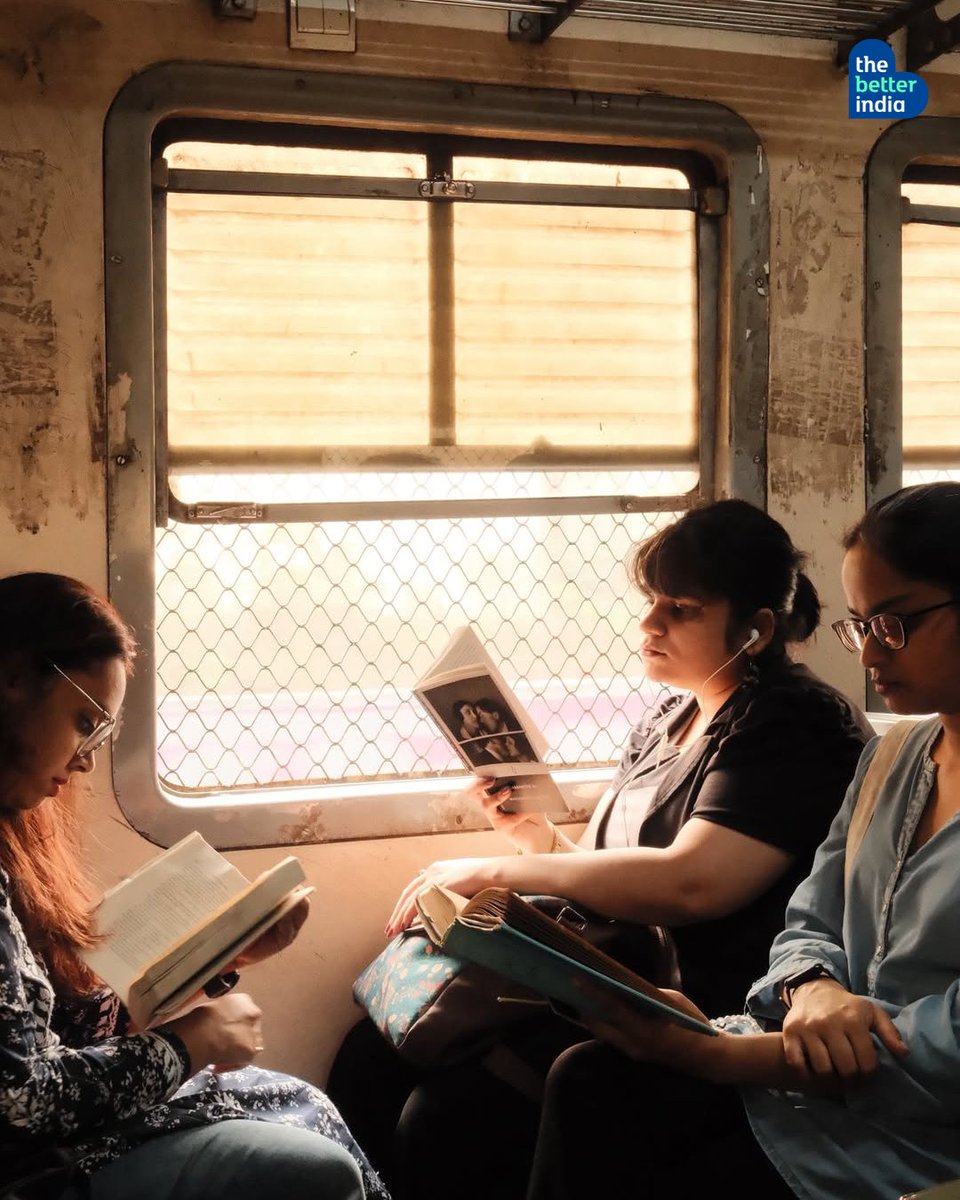
Ever imagined a Mumbai local packed with readers instead of commuters?
That’s exactly what happened when Mumbai Bookies, India’s largest reading community, took over a train.
Started in September 2024, Bookies meets every weekend in nature spots, heritage sites, quirky locations, and even cocoa factories to host 400–500 people reading in complete silence.
No devices, no distractions, just books and deep thought.
In a world curated by algorithms, this is a quiet act of rebellion. It gives back the power to think, to sit with perspectives we didn’t choose, and to rediscover reading as a habit.
Every unconventional space they choose—from beaches at sunrise to heritage libraries like David Sassoon and Asiatic, becomes a sanctuary for slow, mindful reflection.
Scroll down to see how a train became a sanctuary for slow, deep thinking. >>
Collab with - mumbaibookies | https://t.co/GGGTtYkRYg
#MumbaiBookies #MindfulReading
[Mumbai Bookies, Reading Community India]
(Survey Link Pinned To Our Page)
We have launched our Union Budget Expectations Survey to capture industry perspectives ahead of the Union Budget.
Our economists invite you to participate and share your expectations on key policy priorities and sectoral outlooks.
We look forward to your valuable inputs.
@CareEdge_Group | @RajaniSinha2025 | @sarbartho93 | @AkankshaBhende | Khushi Jindal
India's external sector is showing mixed signals as merchandise exports lose momentum amid tariff-related disruptions, according to a @CareEdge_Group Ratings report, which noted that services exports continue to provide critical support to the position.
https://t.co/7nBx34Trhf
India’s Animal Spirits Are Reviving
In this week's #IndiaEdition I write about difficult-to-ignore data on a pick up in corporate investment.
(I'm aware many many not agree with this hypothesis but it's still worth reading before reacting.)
https://t.co/FhW2692mzo