“I want to appreciate Lagos State Governor, Babajide Sanwo-Olu, for inviting us. It takes a lot of selflessness to invite other states to take advantage of a platform to market themselves, and I assure you I will not demarket you as I market myself. Lagos is a mega city. If you ask me, I would say it is overpopulated, and that is why it is good for other states to begin to grow. We cannot all be mega cities like Lagos, but there are things we can take from Lagos.”
— Abia State Governor, Alex Otti, speaking today at Invest Lagos 3.0
Yes, like totally free.
The school is Let It Shine Academy located at Sangotedo, Lagos Island.
They should get more visibility for the type of service they render for parents who are not able to cater for their ward’s school fees honestly.
The company that built the Bus Terminal in Oshodi is the same company that built the one in Umahia.
The one in Umahia is way bigger than the one in Oshodi but if you check the budget, even with inflation, you'll cry for Lagos.
😂😂�
The Power Oil Fitness Tribe pulled up heavy for our first exclusive meet-up and if you missed it… you really missed it 💚
Music. Movement. Games. Prizes. Real connections. Real energy.
This wasn’t an event. It was a vibe reserved for Tribe members only.
And the scary part? We’re just getting started.
OC Ukeje, an actor of Igbo origin from Anambra State, featured in the international crime drama series Departure (2019–2023).
He portrayed an agent in the series.
His role adds to an expanding portfolio of film and television credits, further highlighting Igbo talent on the global stage.
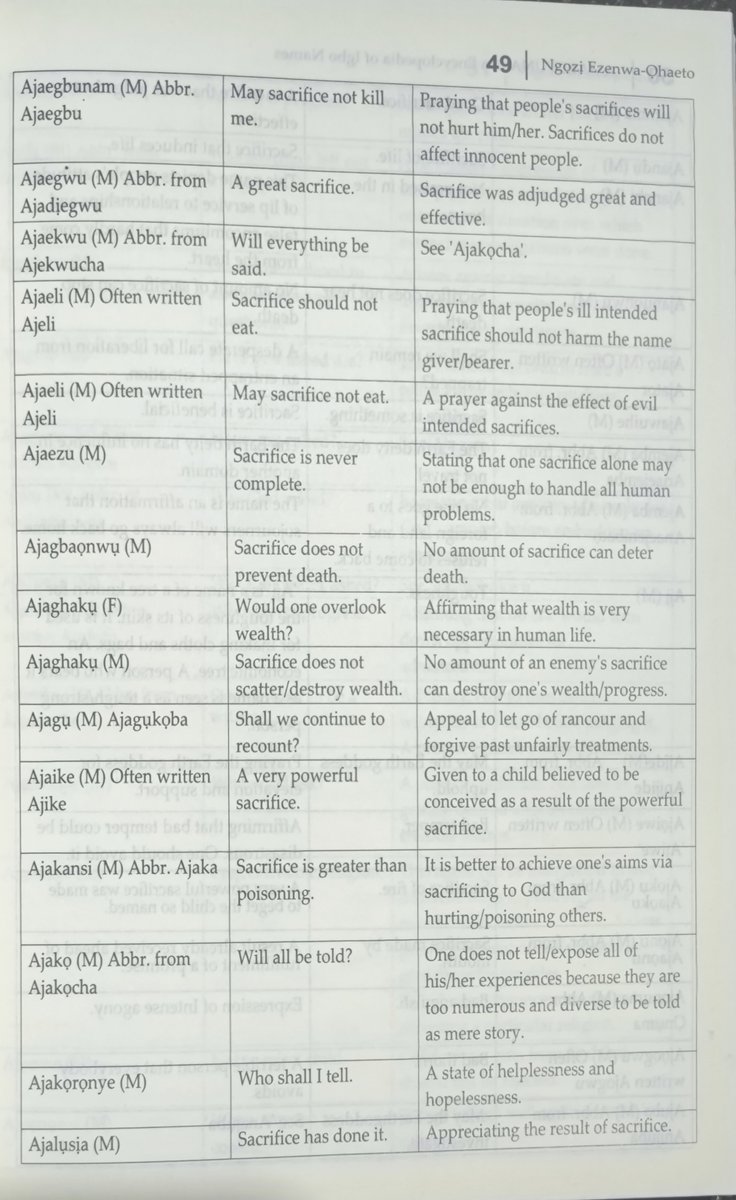
Ngozi Ezenwa-Ohaeto's 433-page encyclopedia of Igbo Names is titled, Afamefuna. As the book explains on page 33, 'Afamefuna (Afam)' is a male name that means 'May I not lose my name'. 'It is a prayer for a lasting linage which is often assured by having male children.'
I have a habit of asking people - at a first meeting - the meaning and ancestry of their names. That habit has enriched my education greatly, although I have also suffered some blowback: a Somali lady once rebuked me, thinking that I was trying to identify her clan in order to pigeonhole and discriminate against her.🤷
Books like Afamefuna might reduce my rudeness some, though I find that my curiosity brings insight. Years ago, I asked my friend, Amulo, about his unique name. Turns out it was short for Amulonaiweagwusia (We're all smiles now, right? But I'm still angry with you). Turns out that at the birth of her firstborn son his mum had been irritated by the celebration of the same neighbours who had mocked her throughout her years of barrenness.
So, she gave him a name that would rebuke those neighours every time they called him.
By the way, 'Amulo' is not in the encyclopedia. Neither is that memorable name, Uwachommadu (The world needs a real person), about which I have written previously. But in the last two pages of the book the author lists some names whose meaning she is still seeking for future edition. Cultural preservation is always a communal project.
I find that the ancestors packed a long more baggage into the names they gave their children. Modern couples are more likely to pick a name for how it sounds. I reckon corporate-sounding names will find more takers today. For the ancestors, names were often short stories and histories, entrancing nuggets for writers to sink their imaginations into.
The schism in naming styles and religious beliefs between past and present generations of Igbo families means that large tranches of Igbo names have slipped and are slipping into oblivion. There are not likely to be many Ogbenyeanus (A pauper should not marry me) in Gen Zee and Gen Alpha. There is probably less variety in Igbo names today than at any time in history. This validates Prof. Ezenwa-Ohaeto's book. Afamefuna should make namings a more thoughtful exercise, with a lot more choices for new parents.
I could say a lot more on the philosophy, sociology and gendering of names, or open up some of those short stories and histories concatenated into some deeper Igbo names but, no... don't get me started on names tonight!
If you’re ethical (like me), and wouldn’t want to lie about your location, here are some tips on how to bypass hiring biases as a Nigerian:
1. Target UK roles more.
Nigeria runs on UTC + 1
The UK runs on UTC+0 in winter and UTC+1 in summer.
That means:
• Same working day
• Zero–one hour difference
• Real-time meetings & no async delays.
Hence, being a Nigerian helps you neutralize the concern of being able to work across continents in remote hiring.
It’s a very big advantage.
2. ALWAYS starve the bias / stereotype.
People associate Nigeria with risk in remote hiring, but it almost only happens when there’s uncertainty, and trust is built with verifiability, process, & references.
So your answer to inquiries about your location should strongly communicate that you’re visible, accountable, and already trusted.
Eg:
I’m based in Nigeria and work remotely with international teams, mainly in the UK and Europe. I operate on UTC+1, which aligns closely with UK and European business hours, allowing for real-time collaboration, live meetings, and fast turnarounds.
My work is built around clear contracts, documented processes, and measurable outcomes. I’ve maintained long-term relationships with repeat clients who trust me with time sensitive and revenue critical work, and I’m happy to share references, work samples, or start with a defined paid trial so trust is based on evidence, not perception.
Nothing kills bias faster than evidence.
It’s well with us❤️
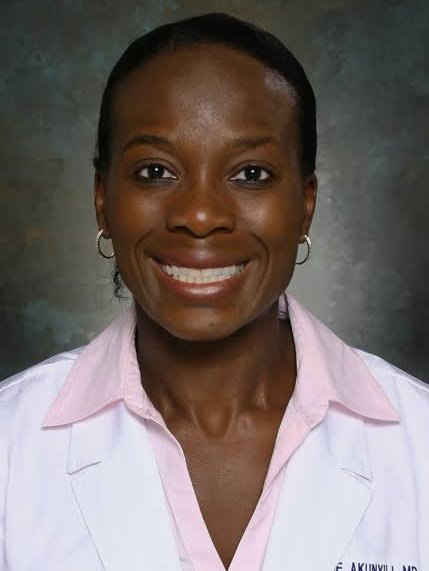
Dr. Ijeoma Akunyili, the daughter of the late Prof. Dora Akunyili, has been appointed Chief Medical Officer of Jersey City Medical Center, USA.
She becomes the first Black physician to lead the hospital since its founding in 1882.
Let's retweet to celebrate her! 🙏