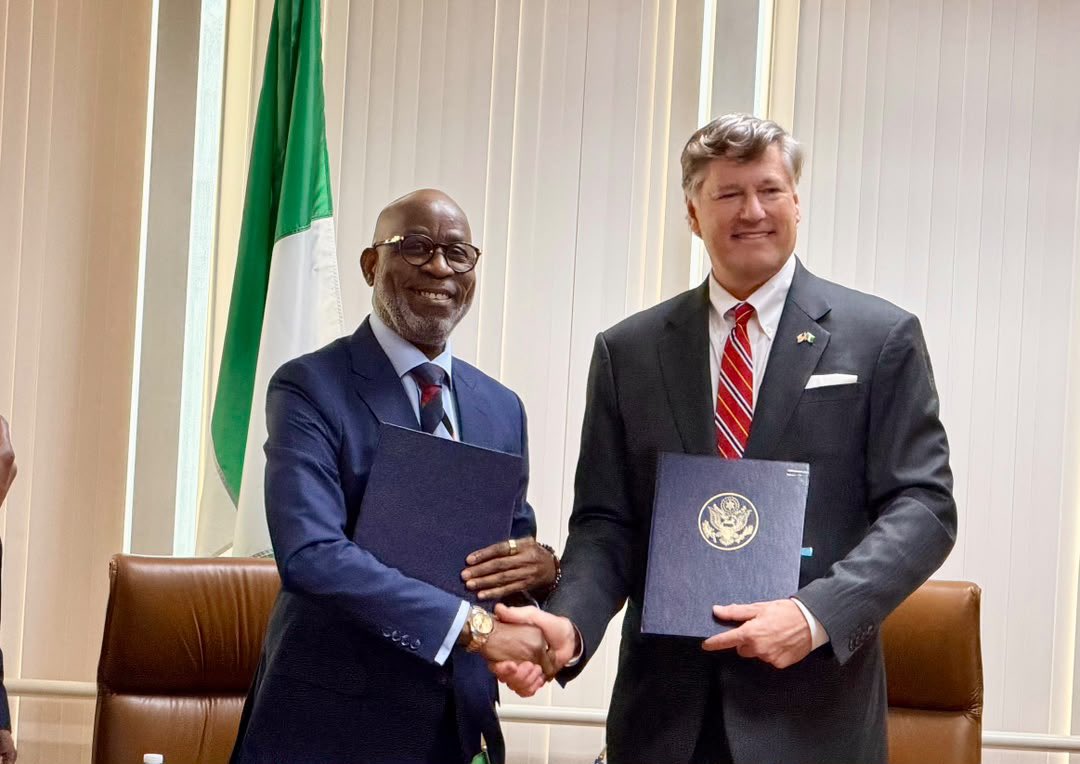
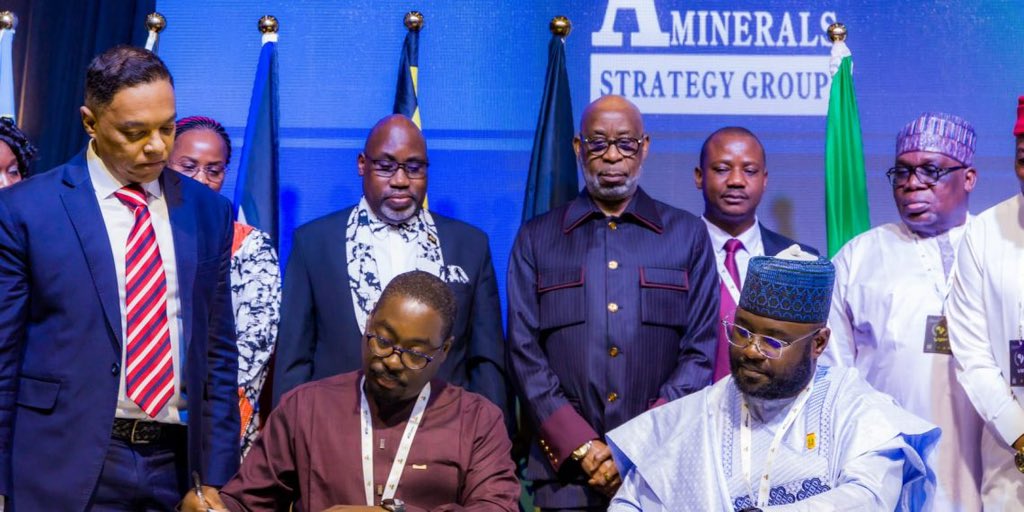
On Wednesday at the Nigeria Mission House in New York, US Deputy Secretary of State Christopher Landau and I signed an agreement to deepen American investment in Nigeria’s mining sector.
This is an important step in strengthening Nigeria-US cooperation around our mineral resources, valued at about $700 billion. The framework covers geological data and exploration, mineral development and processing, infrastructure, and technical capacity.
Nigeria cannot remain a source of raw materials while others capture most of the value. We want more local processing, quality jobs, stronger skills and greater opportunities for Nigerian businesses.
In the coming months, we will turn this framework into projects, investments and real results for our people. We will identify viable projects and build partnerships that create value for Nigerians and our US partners.
This is how we turn our mineral wealth into lasting economic growth and advance the diversification goals of President Bola Ahmed Tinubu’s Renewed Hope Agenda.
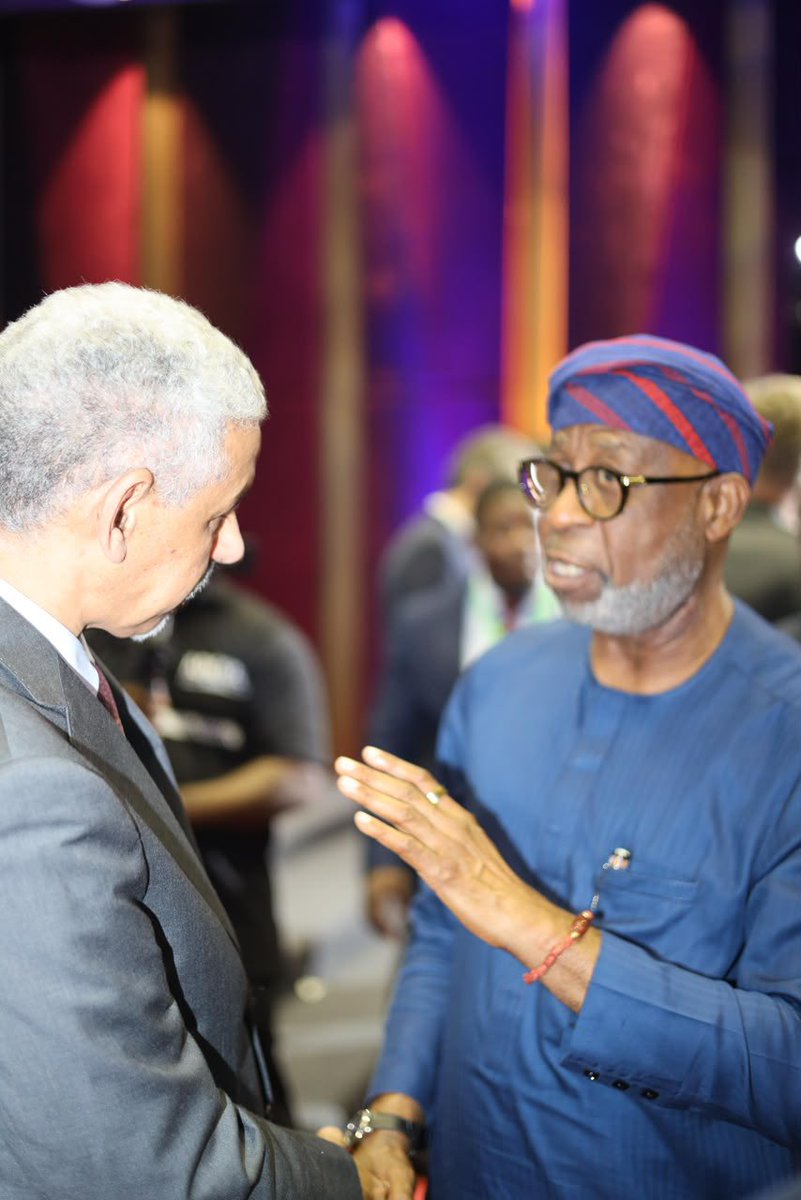
On the sidelines of UNGA 81 in New York, I hosted a meeting of the Africa Minerals Strategy Group with mining investors, development partners and Ministers responsible for Solid Minerals across Africa.
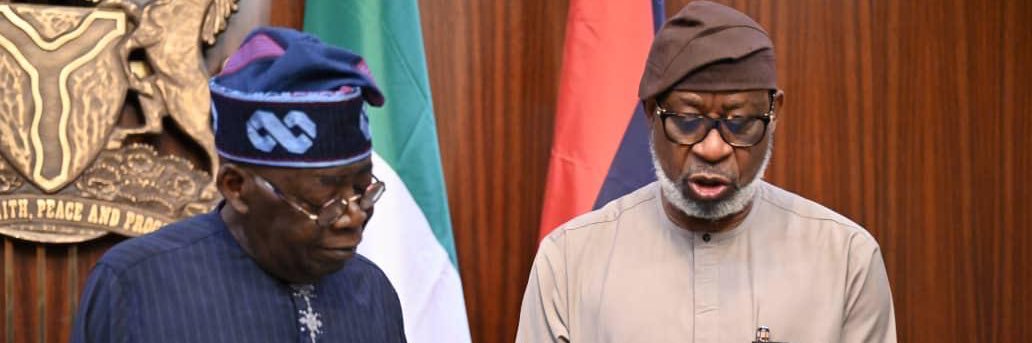
Representing HE President Bola Ahmed Tinubu, Vice President Kashim Shettima joined us as we considered how Africa can make greater use of its mineral wealth. Nigeria is committed to providing leadership in building stronger partnerships and ensuring our mineral resources contribute meaningfully to Africa’s growth and development.
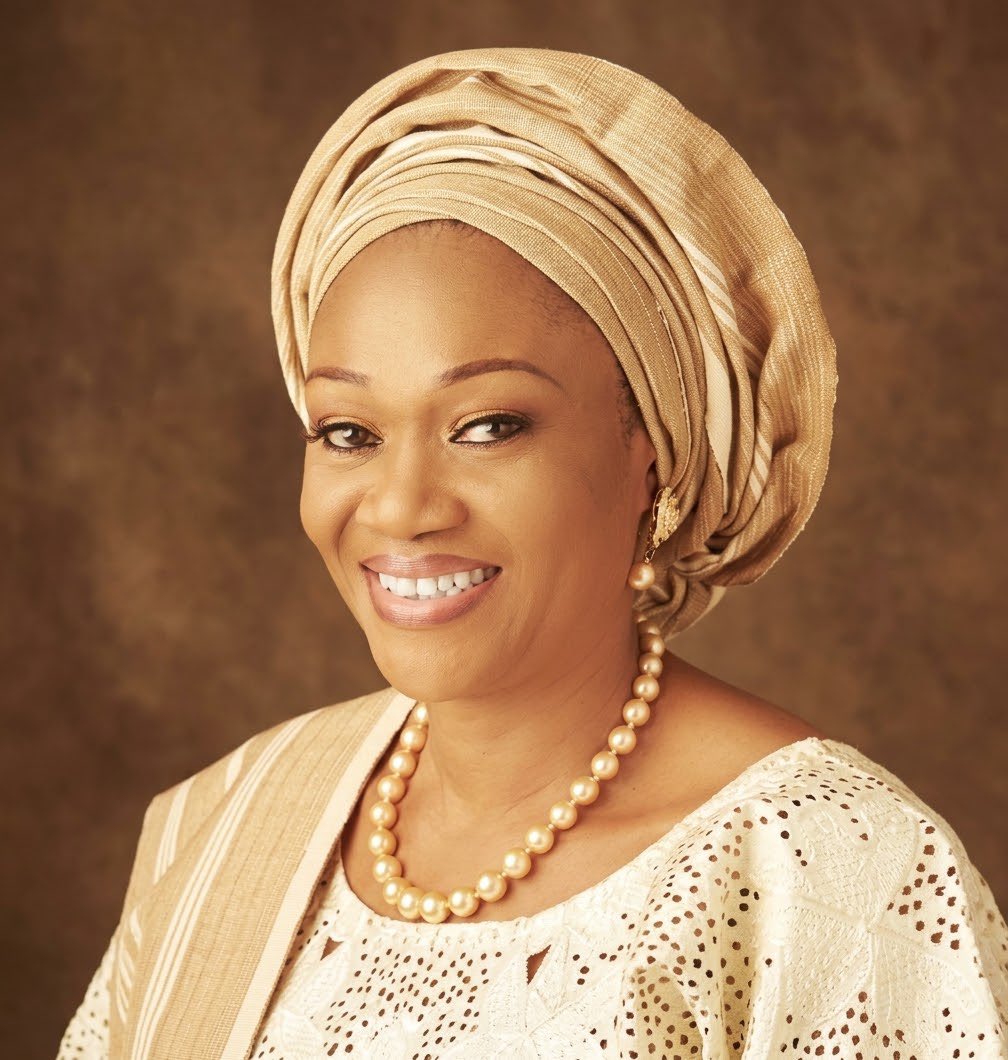
Today, I celebrate Her Excellency, Senator Oluremi Tinubu, First Lady of the Federal Republic of Nigeria, on her 66th birthday.
Over the years, I have witnessed your warmth and genuine concern for the well-being of others. You have brought these qualities to every responsibility you have undertaken, with a sense of duty and commitment to serving our people.
Your dedication to women, children, families and communities is reflected in the work of the Renewed Hope Initiative, which continues to reach people across the country and create opportunities that improve lives.
As you celebrate today, I pray that Almighty God continues to bless you with good health, wisdom and fulfilment. May the years ahead bring you greater joy and many more opportunities to touch lives and contribute to the progress of our nation.
It is with profound shock and deep sorrow that I extend my heartfelt condolences to the Governor of Niger State, His Excellency, Mohammed Umaru Bago, and the entire people of the state over the tragic loss of lives among detained citizens in Minna.
The loss of any life is a deeply painful occurrence, and a tragedy of this magnitude affects us all.
During this solemn period of state mourning, my thoughts and prayers are with the bereaved families and the communities bearing the weight of this grief.
I commend Governor Bago's swift administrative response in declaring a period of mourning and establishing an investigative framework to uncover the full circumstances of this unfortunate incident.
A thorough, transparent, and independent inquiry is vital to ensure accountability and prevent any recurrence of such distress in our detention and correctional facilities.
Given the allegation that the detained persons were arrested on suspicion of carrying out illegal mining, I have deployed a high-powered team of officials to Niger State to investigate the circumstances and ascertain the facts of the matter.
The team will collaborate with other investigators to provide a comprehensive report on the incident.
May the Almighty comfort the families affected and grant the souls of the departed eternal rest.
I am deeply saddened by the tragic mine collapse at the Al-Zaraa gold mine in West Kordofan, Sudan, which has reportedly claimed the lives of several artisanal miners, with others still missing.
My thoughts and heartfelt condolences are with the families who have lost loved ones and with the people of Sudan at this difficult time. I also stand with the families waiting anxiously for news of those still trapped and with those working to rescue them.
This tragedy is a painful reminder of the dangers faced by artisanal miners across Africa. As Chairman of the Africa Minerals Strategy Group, I call for urgent support for the rescue efforts and stronger measures to improve safety, training and oversight in artisanal mining across our continent.
Beyond this immediate crisis, we must do more to make artisanal mining safer. No amount of gold is worth a human life. We remain committed to working towards a safer and more responsible mining sector across Africa.
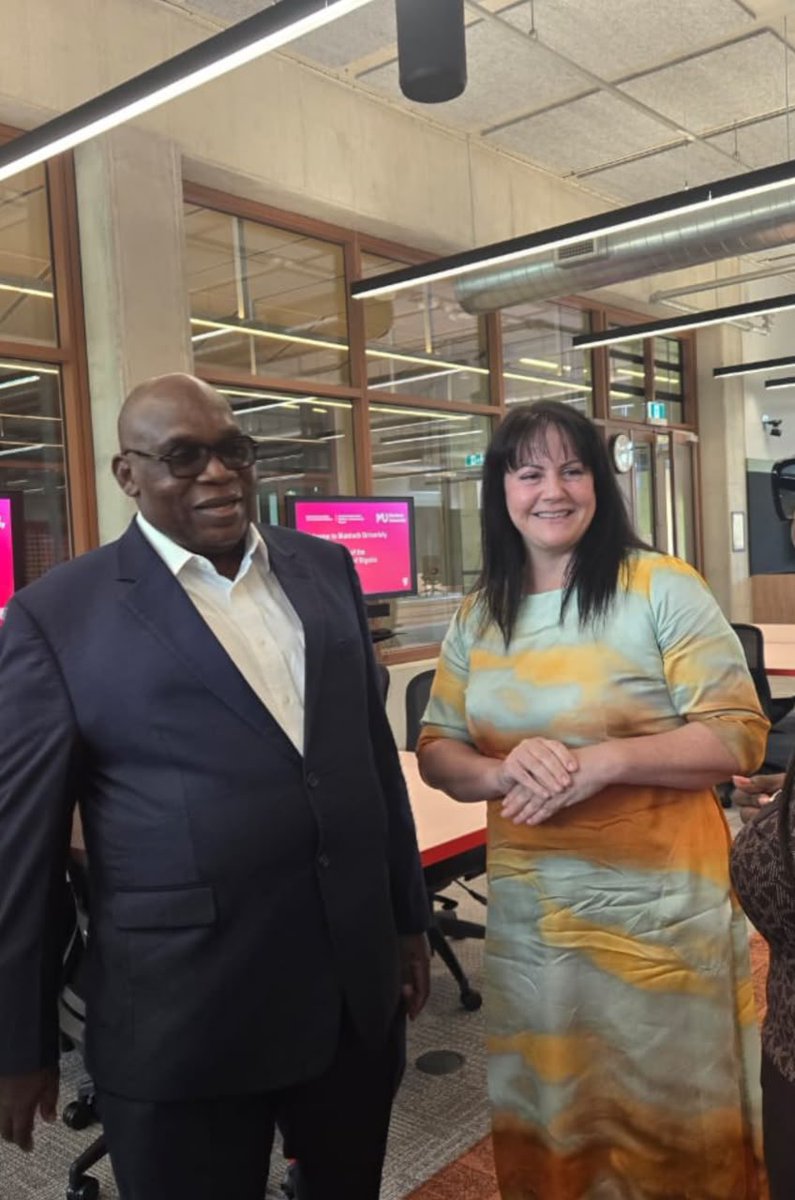
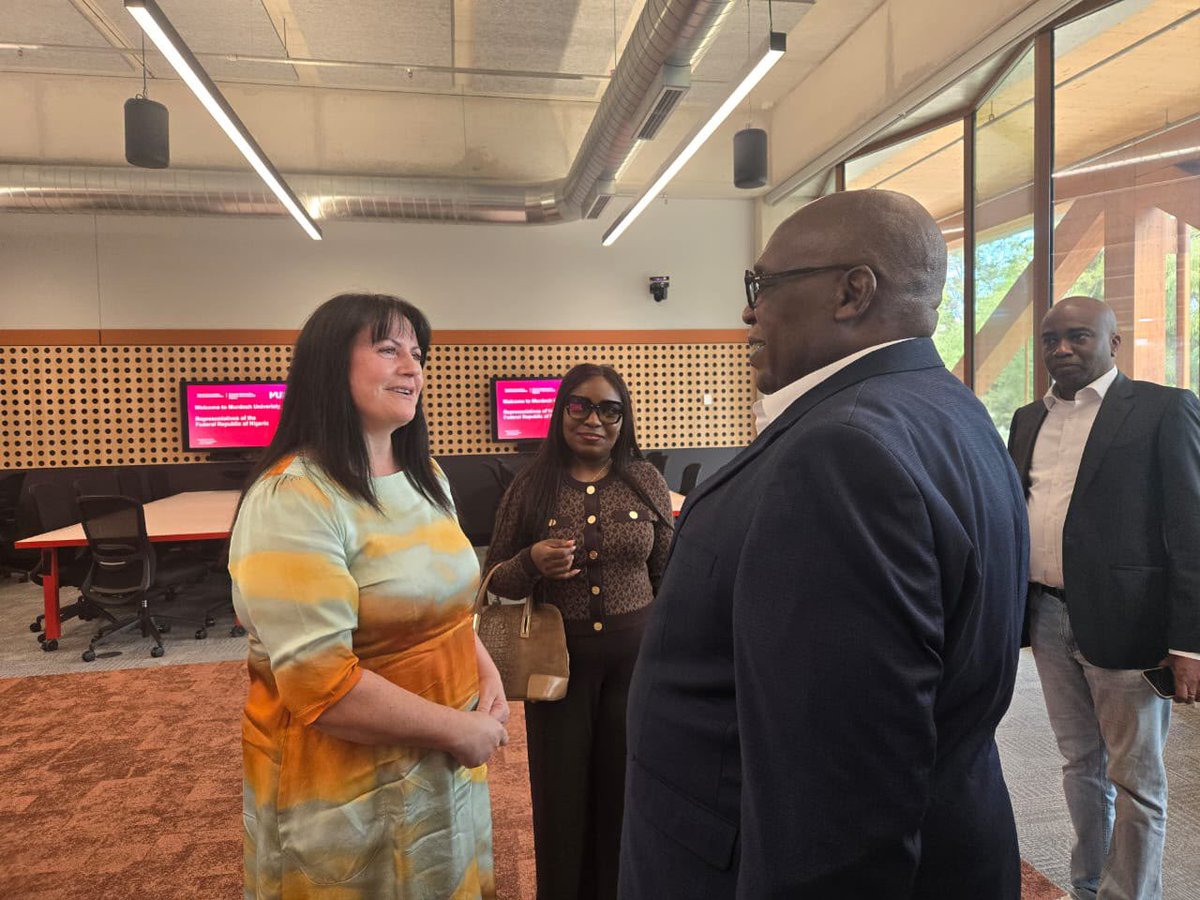
Our engagement with Murdoch University at Africa Down Under 2026 strengthened our commitment to building the knowledge and skills needed to strengthen Nigeria’s mining sector.
The Nigeria-Australia Resource Industry Collaboration and Capacity Building Programme has already trained two cohorts of Nigerian officials and we are now working towards a stronger third phase with more practical industry exposure and hands-on learning.
Attracting investment and technology must go hand in hand with building Nigerian capacity to manage and grow these opportunities.
A stronger mining sector ultimately depends on the people who will drive it and investing in them remains central to our reform agenda.
I met with the Governing Council of Obafemi Awolowo University, led by Professor Ralph Akinfeleye, on how the institution can make better use of its mineral and intellectual resources.
OAU has both the resources beneath its land and the expertise within its walls. With the right private-sector partnerships, these assets can generate revenue and create opportunities for students and researchers.
I encouraged the University to deepen its work in research, innovation and practical solutions that create real economic value.
We remain committed to supporting responsible mining and greater value addition across the sector.
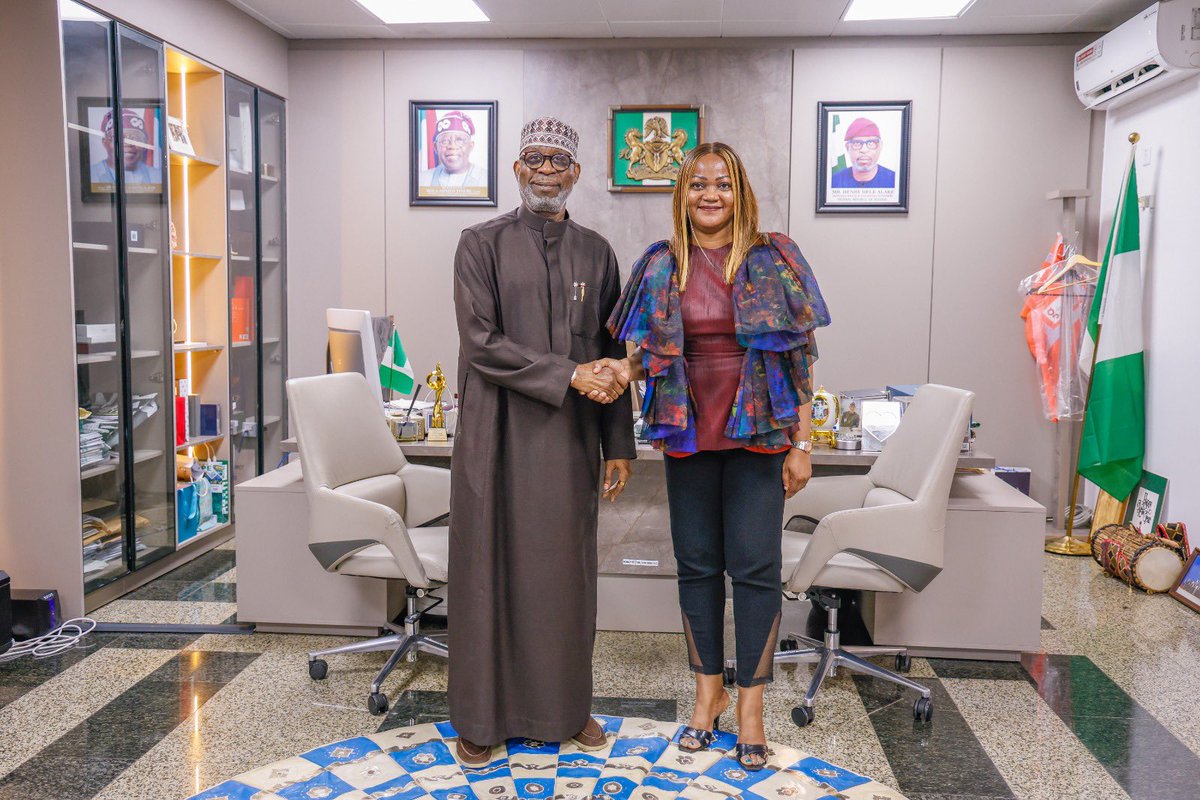
Today, I received the Director-General of the South-South Development Commission, Ms. Usoro Offiong Akpabio, and her delegation to the Ministry in Abuja for a discussion on how we can unlock the region’s solid mineral potential.
The South-South is known for its oil and gas wealth but its mineral resources also offer significant opportunities for investment, job creation and economic growth.
I assured the Commission of our full support as we work together to develop these resources responsibly, promote local processing and create greater value for our people.
We also discussed the opportunities available to states to participate directly in mining through properly structured state-owned entities and valid mining titles.
There is a shared objective here. Our task is to align our strategies and work together to unlock the South-South’s full mineral potential.
Today, I welcomed the Governor of Taraba State, H.E. Dr. Agbu Kefas, to the Ministry of Solid Minerals Development in Abuja.
We talked about how we can work together to create a safe and supportive environment for investors looking to explore Taraba’s rich mineral resources.
There is real potential in Taraba and our focus remains on ensuring that these opportunities translate into sustainable investment and value for the people.
At the Africa Minerals Strategy Group’s 3rd High-Level Roundtable in New York, we continued the conversation on moving beyond the export of raw minerals to building value chains that create jobs and retain more value within Africa.
Our critical minerals are central to the technologies and industries shaping the global economy so we must work together to ensure Africa is not only a supplier of raw materials but a major player in processing, manufacturing and innovation.
Through the newly unveiled Continental Integration and Economic Assurance Declaration, we are moving past policy talk into real execution. We are aligning our policies and setting up dedicated financing to back bankable projects across the continent.
Africa is no longer a passive bystander in the global economy. We are building the industries and taking control of our own wealth.
The tragic loss of seven lives following the collapse of an abandoned tin mine pit in Kassa, Plateau State is a painful reminder of the dangers of unlicensed mining.
Please, do not put your lives at risk by working in abandoned pits without the necessary permits and training. Working through registered cooperatives gives miners access to proper guidance and safer ways to earn a living.
Plateau State has more than 4,000 legacy tin mining pits. Our task is to turn these abandoned sites from hazards into opportunities for productive projects in areas such as tourism, energy and fisheries. The Ministry has already rehabilitated 59 abandoned pits and we are working with the private sector to do more.
I also extend my deepest condolences to the government and people of Plateau State and to the families who lost loved ones. May the souls of the departed rest in peace.
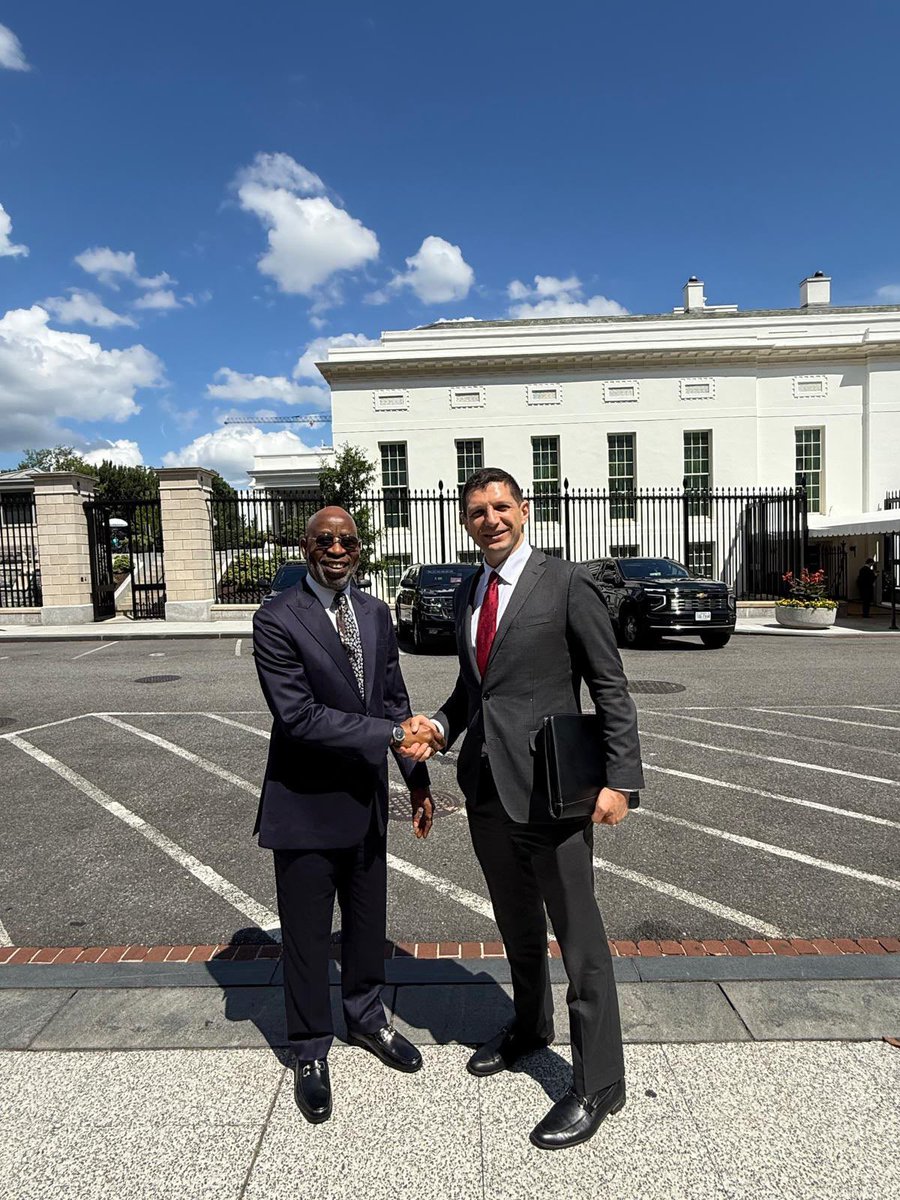
I led our delegation from the Nigeria Solid Minerals Company to the White House for a series of focused discussions with David Copley at the U.S. National Security Council and Diana London from the DCI Group.
Our focus is building a real, investment-driven partnership between Nigeria and the United States. We talked about moving beyond simple extraction and working together across the entire supply chain, from exploration and mining to local processing and refining.
This aligns directly with President Bola Ahmed Tinubu's vision to diversify our economy, create jobs, and ensure Nigeria gets full value from its natural resources while supporting the global shift toward clean energy.
For decades, Africa has exported raw minerals only to import finished products at a premium. At the African Development Bank Ministerial Forum in Abidjan, I made it clear to my fellow ministers that this cycle must end.
We must process more of our mineral resources here at home, create jobs, strengthen our industries and retain more value within the continent. I also called for Africa to take ownership of the data and reporting standards used to assess our mineral wealth through the Pan African Resource Reporting Code (PARC), because we must determine the true value of our resources on our own terms.
The adoption of the Abidjan Declaration is an important step forward. It reflects our shared commitment to stronger regional cooperation, better financing and practical investments, including cross-border processing hubs that will help us process our critical minerals locally, expand intra-African trade and drive industrial growth.
As Chair of the Africa Mineral Strategy Group, I remain committed to working with our partners across the continent to ensure Africa’s mineral wealth creates jobs, grows our economies and delivers lasting prosperity for our people.
I received the Director-General of NIMC, Dr. Abisoye Coker-Odusote, and her team as we discussed how digital identity can support the ongoing reforms in the solid minerals sector.
A credible identity system is essential to effective governance. It helps us track activities, strengthen regulation, improve security and make better decisions based on reliable data. These are all critical to our efforts to sanitise the mining sector and build greater transparency and accountability.
We also talked about how the new NIMC Act creates fresh opportunities for stronger collaboration across government. By working together and making better use of technology and trusted data, we can improve governance, support investment and deliver lasting reforms in Nigeria’s mining industry.
I started my career in the newsroom, and clear, honest communication has always been my anchor so it was an honour to receive the Fellowship of the Advertising Regulatory Council of Nigeria (ARCON).
This recognition means a lot to me because it reflects a lifelong commitment to journalism, public communication and service to our country. While it is incredibly humbling to be recognized by my peers for my years in journalism and public service, this award represents something much larger than me.
It is a reminder that policy only works when people actually understand it.
In our push to reform Nigeria’s solid minerals sector, we are tackling some tough challenges. We are stamping out illegal mining operations, ensuring minerals are processed locally to create jobs, rather than just shipped out raw and building the kind of regulatory trust that attracts serious, long-term investors.
None of this can happen in a vacuum. If we want people, communities, and investors to partner with us, we have to communicate with absolute transparency and accountability.
My sincere thanks to Dr. Olalekan Fadolapo and the entire ARCON council for this honor. It is a welcome validation of our work, and a reminder to keep talking and building.
I was decorated as a Tourism Ambassador by the Director-General of the Nigerian Tourism Development Authority, Mr. Ola Awakan, during a courtesy visit to my office in Abuja.
We discussed how we can strengthen collaboration between the solid minerals and tourism sectors, particularly through the development of a Geo-tourism Plan that showcases Nigeria’s rich mineral assets while creating new opportunities for investment, tourism and sustainable economic growth.
There is enormous potential at the intersection of mining and tourism, and we are committed to unlocking it for the benefit of our country.
Our joint task force, working with security agencies, shut down an illegal gold-mining operation at Ileki-Ijesa in Osun State.
We arrested two suspects on-site, seized their equipment and sealed the area. The suspects are currently cooperating with investigators to help us track down the financiers backing these operations.
I want to be clear that our focus isn't just on the casual workers on the ground. We are actively going after the sponsors and quiet backers of these illicit activities.
Through the work of our Mining Marshals, we have already arrested over 300 illegal miners and prosecuted more than 150 of them, including foreign nationals.
Illegal mining destroys local farmland, pollutes our waters and invites insecurity into peaceful communities. The government cannot police every stretch of land alone. If you live in these areas, I urge you to work with us. Do not shield these operators.
We are committed to making sure Nigeria's mineral wealth actually benefits Nigerians and we will keep putting the pressure on until the sector is completely orderly and sanitised.
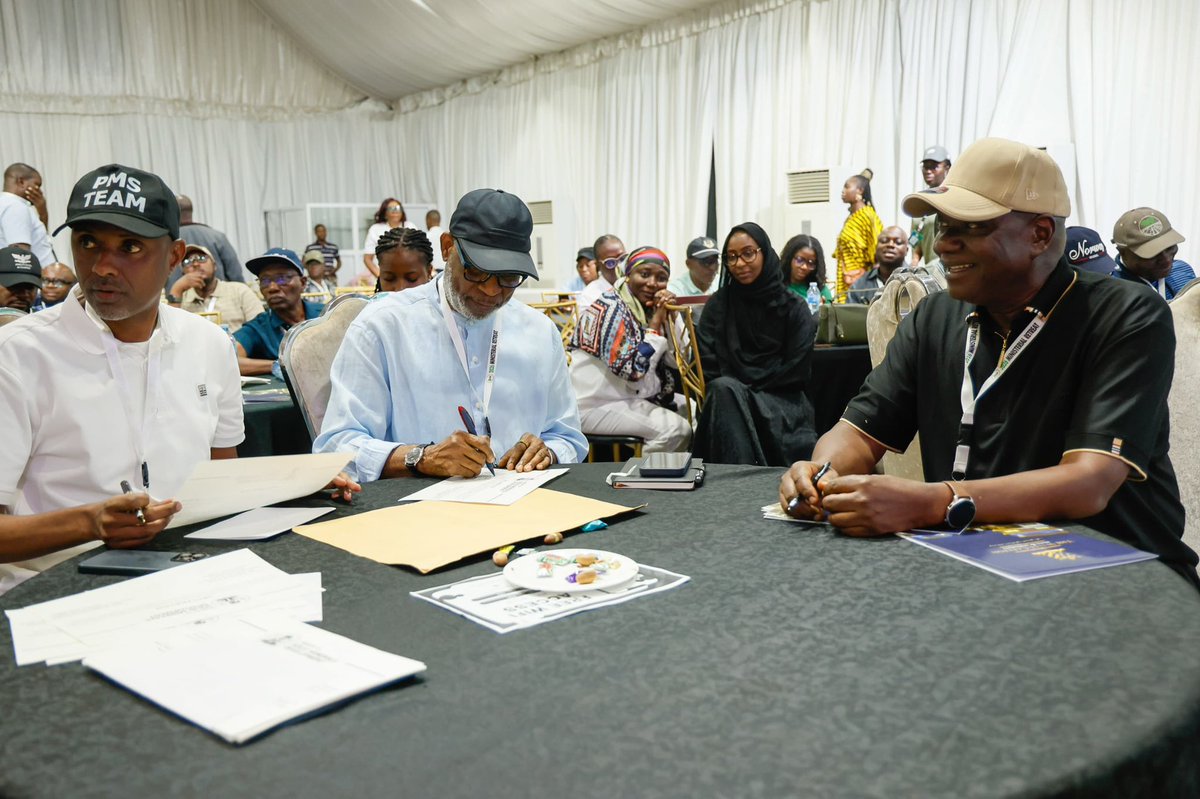
At our 2026 Ministerial Retreat in Abuja, I told stakeholders that while we have made real progress in repositioning Nigeria’s solid minerals sector, we cannot afford to slow down.
Our reforms have restored confidence, attracted serious investors and made the sector a key part of Nigeria’s economic diversification. Now, our focus is on accountability.
Mining companies that fail to honour their Community Development Agreements will face sanctions, including the revocation of their licences. Host communities deserve to benefit from the resources in their land, and there will be consequences for those who ignore that responsibility.
I also reaffirmed our commitment to ending illegal mining by strengthening the Mining Marshals and embracing practical, innovative ideas that will make the sector more secure and more beneficial to all Nigerians.
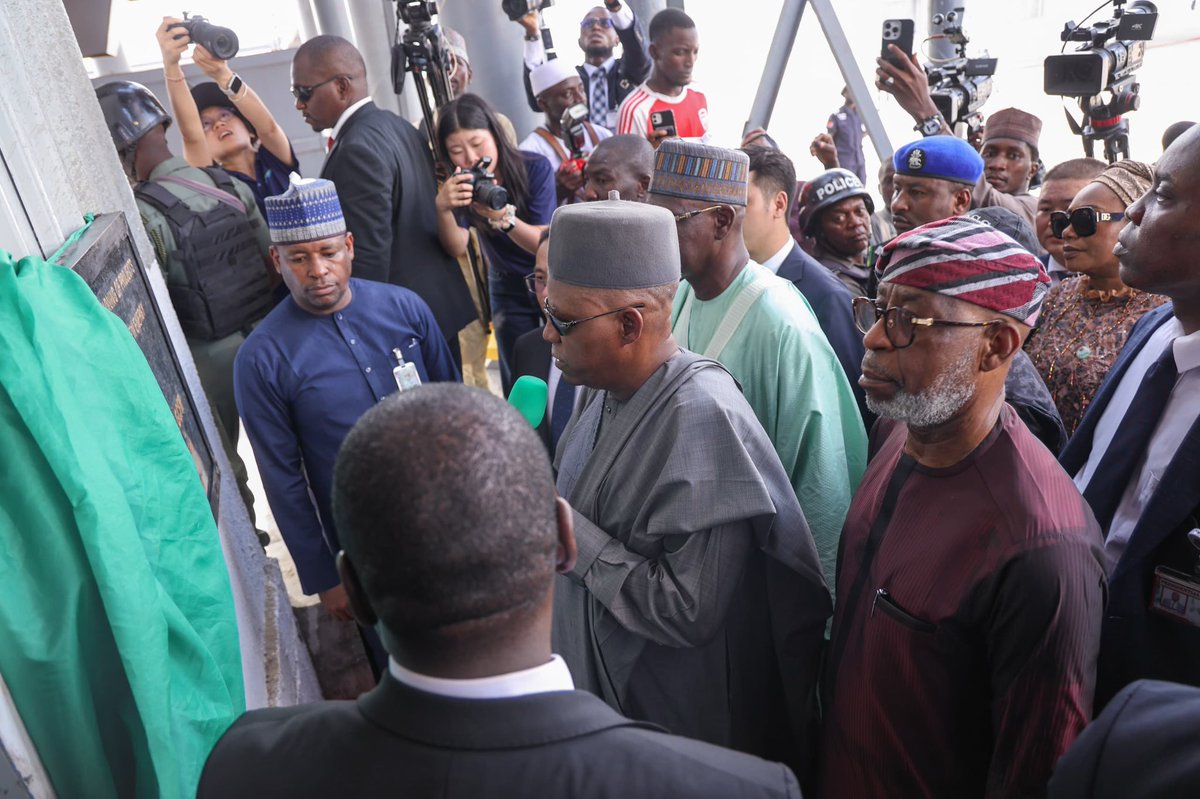
I joined His Excellency, Vice President Kashim Shettima, who represented His Excellency, President Bola Ahmed Tinubu, at the commissioning of the largest lithium processing plant in West Africa in Endo, Nasarawa State.
This milestone aligns directly with our goal at the Ministry to ensure that Nigeria processes its solid minerals locally rather than exporting raw materials.
It also demonstrates that our reforms are making Nigeria an attractive destination for serious mining investment. We are proud to support projects that create jobs and add value here at home.
As the 5th African Natural Resources and Energy Investment Summit (AFNIS 2026) came to a close in Abuja, I commended stakeholders from across Africa for their commitment to turning our vast natural resources into drivers of economic growth and industrial development.
I was very encouraged seeing partnerships and agreements take shape at the summit. They are proof that AFNIS is delivering real outcomes. Our task now is to ensure that the ideas, commitments and MoUs signed at the summit translate into measurable projects that create value for our people.
The true test of our success will be the tangible results we achieve in the months and years ahead.