Prof of Pharmacology & Toxicology @uni_firenze. Pharmaco-epidemiology, drug safety and perinatal health researcher. Founder of @Ciaolapo with @ClaudiaRavaldi
From Aristotle to glutamate, NMDA, GABA, benzodiazepines and PTSD: exploring the neuropsychopharmacology of stress, anxiety, coping and trauma. Because understanding the brain also helps us build more respectful, trauma-informed perinatal bereavement care. #TraumaInformedCare
Chen et al. recently argued that current large language models already display human-level intelligence, based on behavioural evidence.
In this letter to editor of @Nature , I suggest that their framing obscures a fundamental asymmetry.
https://t.co/fvwStAoNRv
Happy 30th birthday, Pokémon! Since 1996, the Japanese media sensation has inspired generations of researchers in fields as diverse as evolution, biodiversity and research integrity. https://t.co/xDkf4D7VyT
La mia nuova tattica pazzesca di autoconvincimento nello studiare farmacologia è semplicemente abbinare ogni Pokémon a un farmaco e ogni tipo a una classe (sarà un fallimento)
🆕 OA in J Clin Med: The UNSURENESS Study
We explored how Italian healthcare professionals support parents in pregnancies after #stillbirth / #neonataldeath, a period of grief, hope, and high clinical complexity. Trauma-informed, continuous care is key.
📄 https://t.co/R27rQtej28
Survey of 200 HCPs (mostly #midwives): only 1 in 3 had training for pregnancies after #loss.
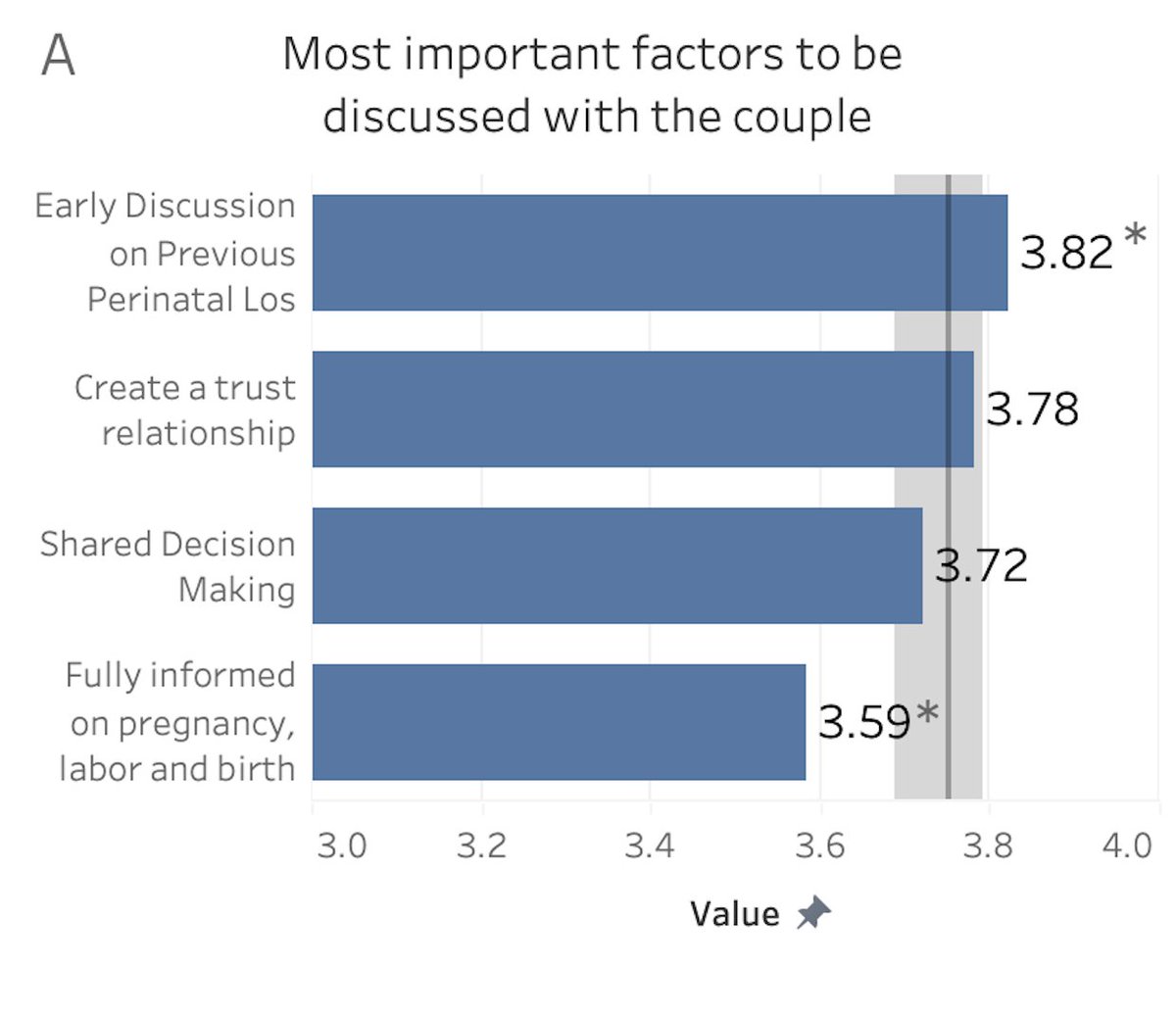
Most valued: acknowledge loss, build trust, share decisions, give full info.
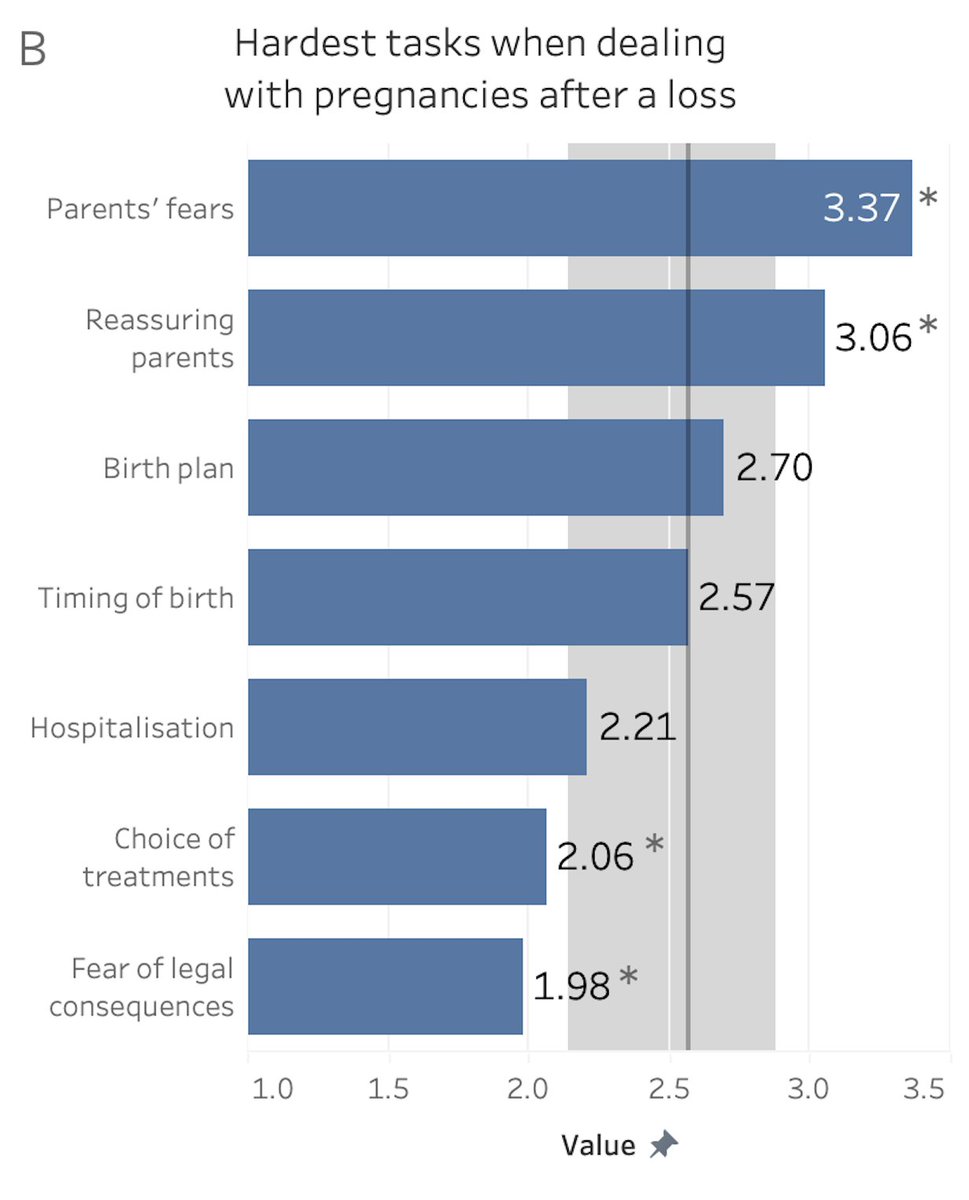
Hardest: address fears, reassure.
Care driven by continuity & parental wishes more than #guidelines.
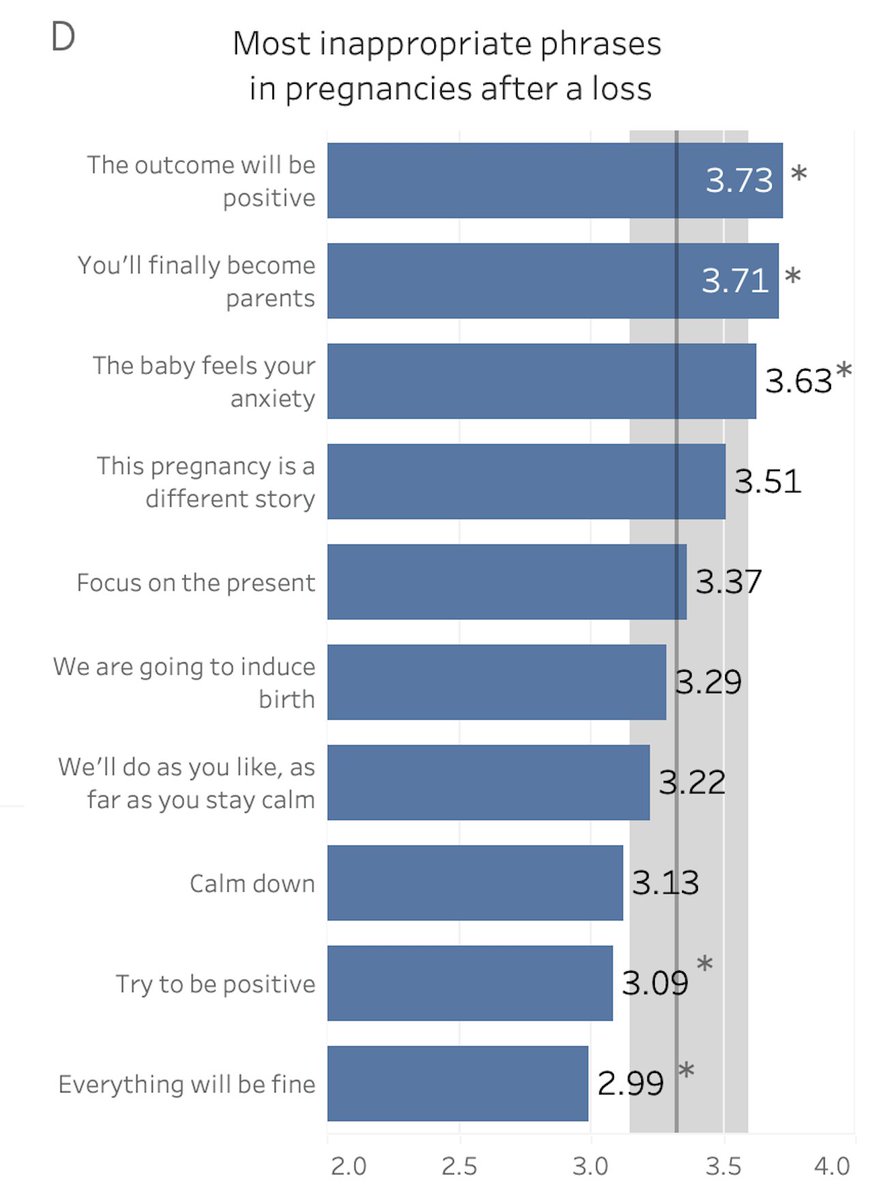
#Pregnancy after #loss is never “just another pregnancy.” Our study calls for national guidelines, structured #training, and integrated psychological #support to help families from loss to the next birth with safety, #empathy, and #respect.
1️⃣/3️⃣
We’re excited to share our preprint on how healthcare professionals support #lactation after #PerinatalLoss in Italy. Clinical and emotional challenges impact both parents and HCPs. Tailored care is essential to improve outcomes.
Read more: https://t.co/QMnQDYIZT4
2️⃣/3️⃣
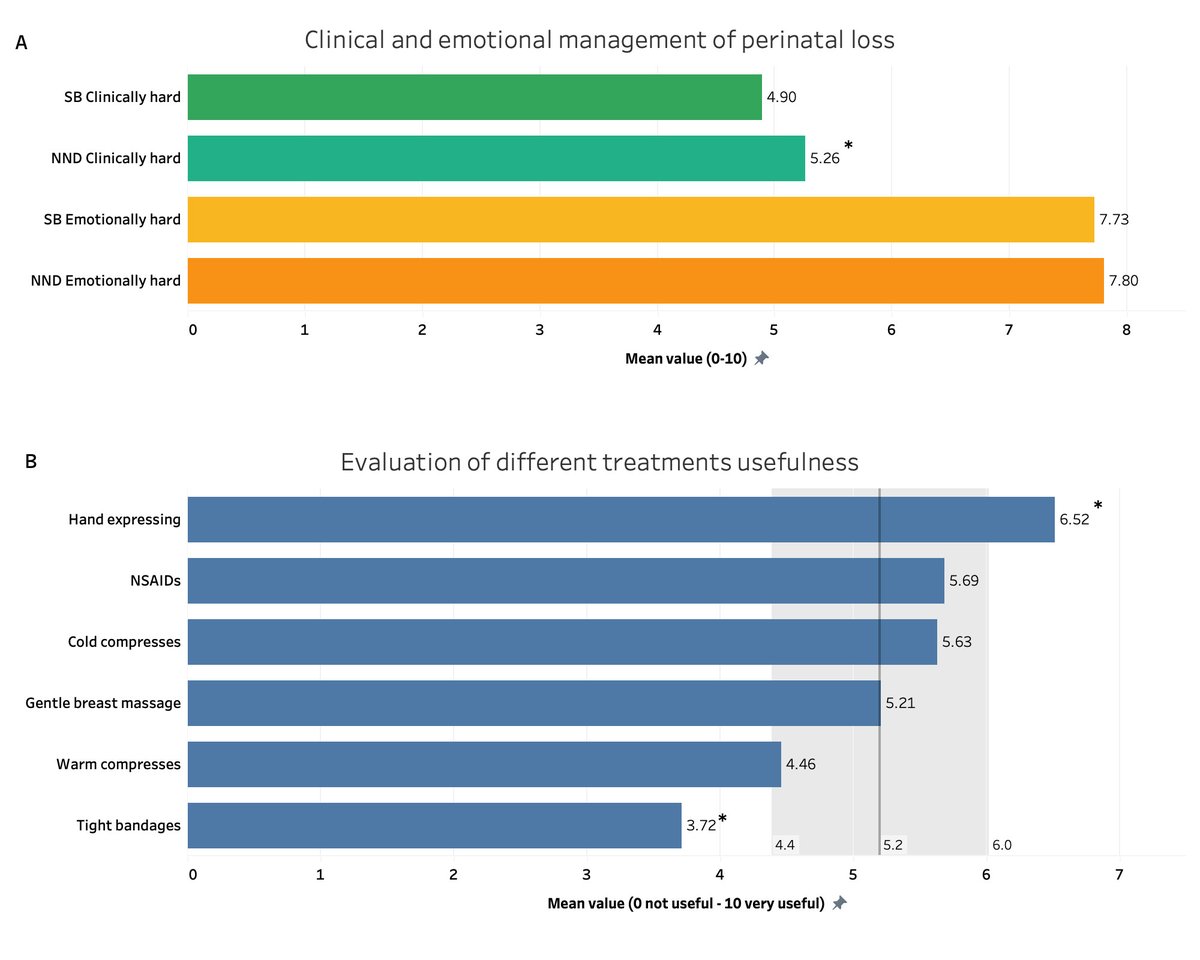
For HCPs, #NeonatalDeaths are more clinically challenging (5.26) than #stillbirths (4.90), while both are emotionally demanding (7.80 vs 7.73). #Empathy and clear communication are critical for grieving parents.
Read more: https://t.co/QMnQDYIZT4
3️⃣/3️⃣
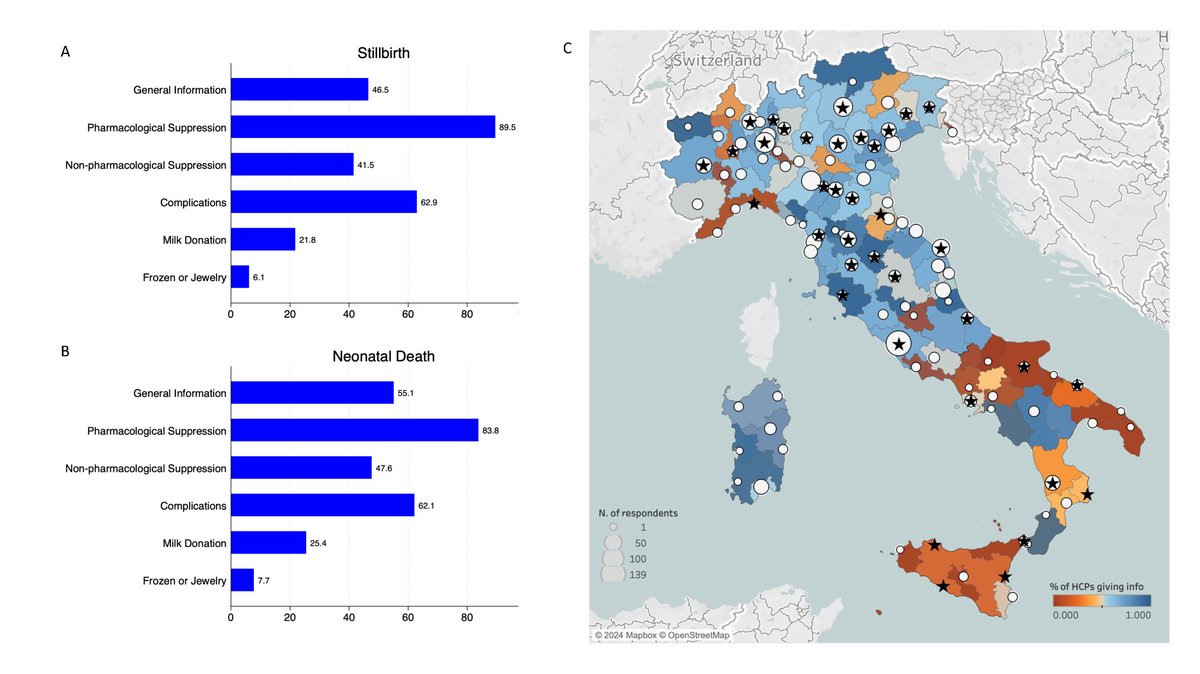
Pharmacological suppression was discussed by 89.5% of HCPs after #stillbirth and 83.8% after #neonatal#death. Only 21.8% shared info on milk donation post-stillbirth (25.4% post-NND). Written guidance was rare (15.8%) but rated useful.
Read more: https://t.co/QMnQDYIZT4
@SpencrGreenberg This is the most intriguing result, as it highlights the epistemological shortcomings of astrology as a science, at least among the subjects tested. Even in cases of negative outcomes, one would expect high agreement if astrology had a reproducible methodological approach.
🤗Paper Sharing @JCM_MDPI
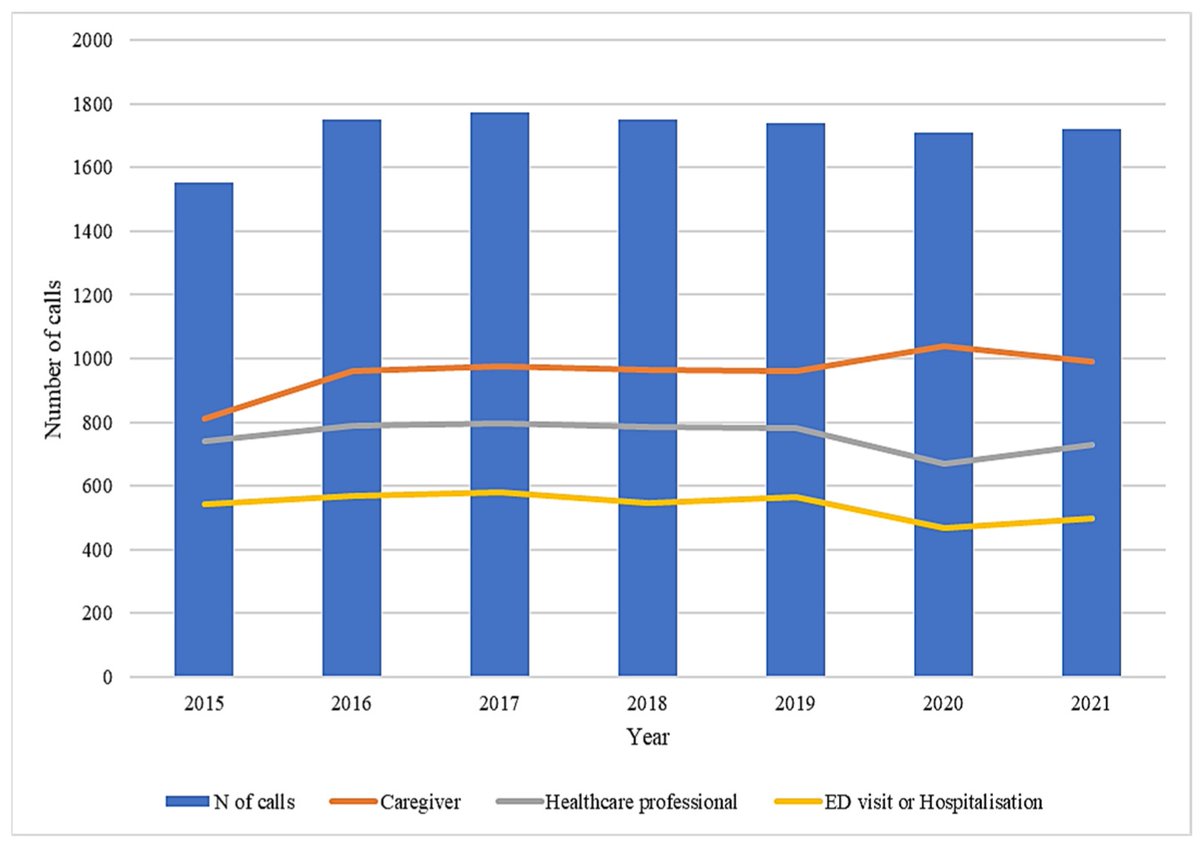
"Exposures and Suspected Intoxications to Pharmacological and Non-Pharmacological Agents in Children Aged 0–14 Years: Real-World Data from an Italian Reference Poison Control Centre"
👥@CrescioliGiada@AlfVann@cucumba86 et al.
https://t.co/xLUGnu6xYh
#mdpijcm
Call for Reading🫱
"Safety Profile of Vitamin D in Italy: An Analysis of Spontaneous Reports of Adverse Reactions Related to Drugs and Food Supplements" https://t.co/4zwHZDJjAG
👥@vale_maggini et al. @cucumba86
🎯 Views 1639; Citations 1
#vitamin#medicine
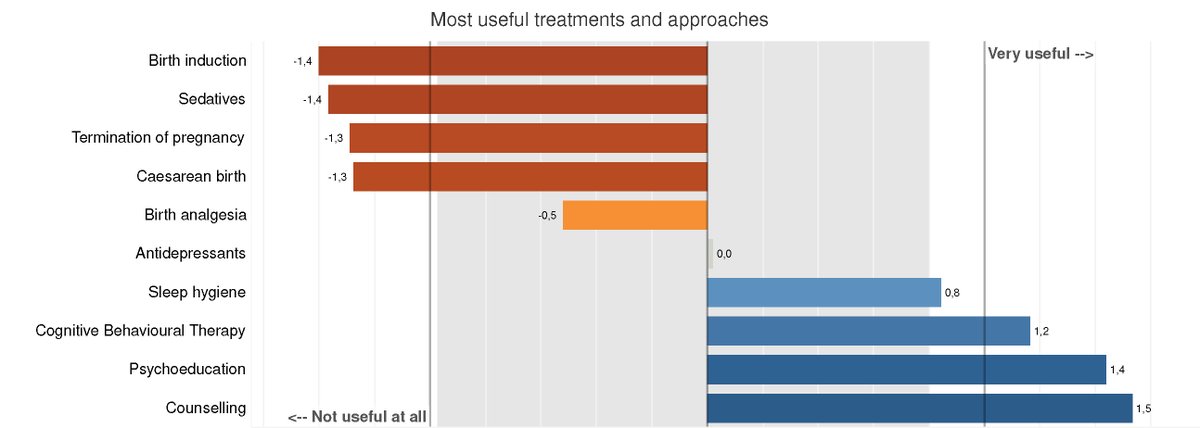
Data shows: Less than 30% of midwives feel confident in the effectiveness of non-medical interventions for perinatal depression. Highlighting the urgent need for better education on holistic care approaches. 4/4
Read more #OpenAccess in @AWMH_Journal: https://t.co/clLRSC90Lo
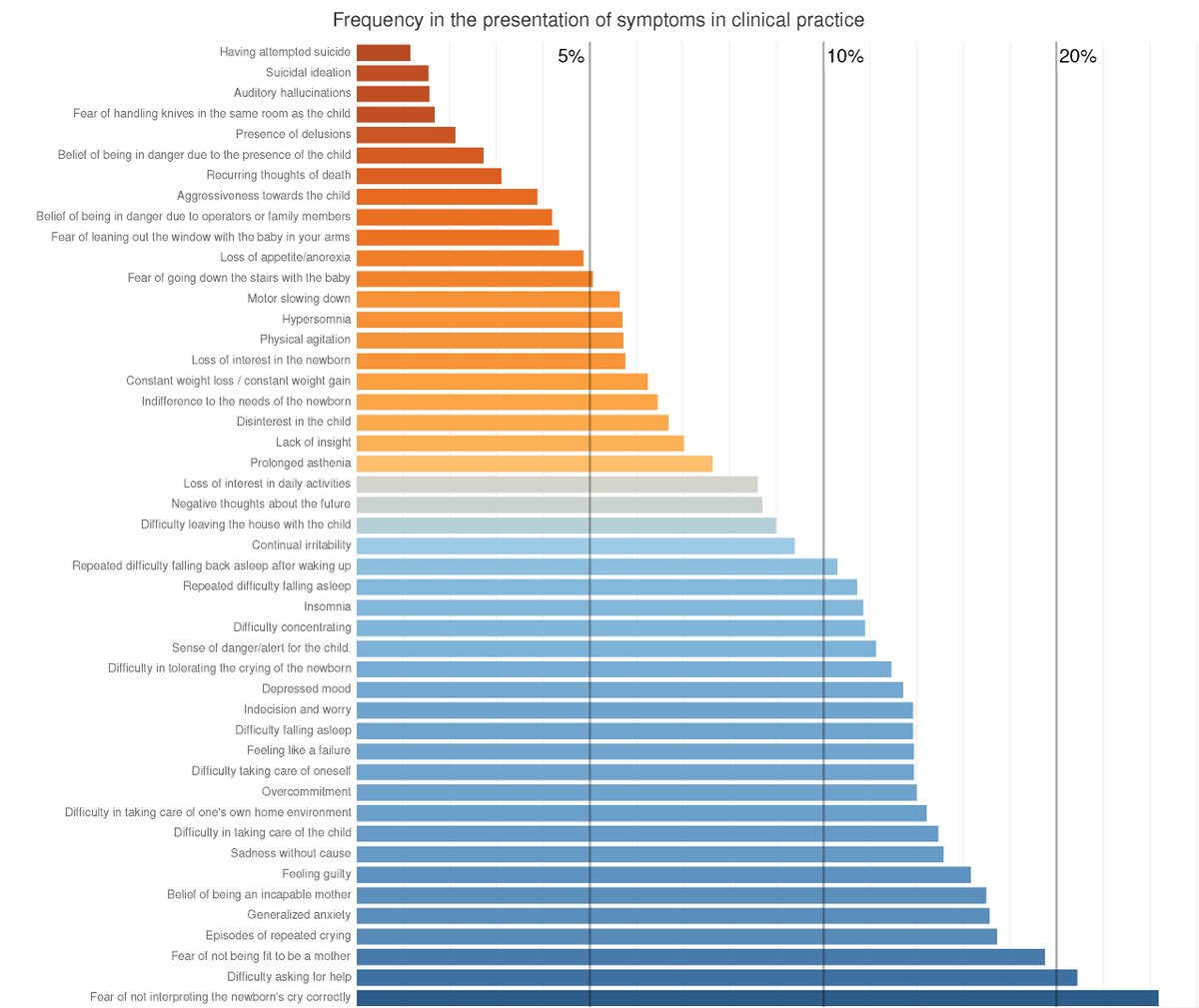
Insights: Over 60% of midwives reported observing symptoms like excessive worry and guilt in patients, underscoring the need for comprehensive symptom recognition training. 3/4
Read more #OpenAccess in @AWMH_Journal: https://t.co/clLRSC90Lo
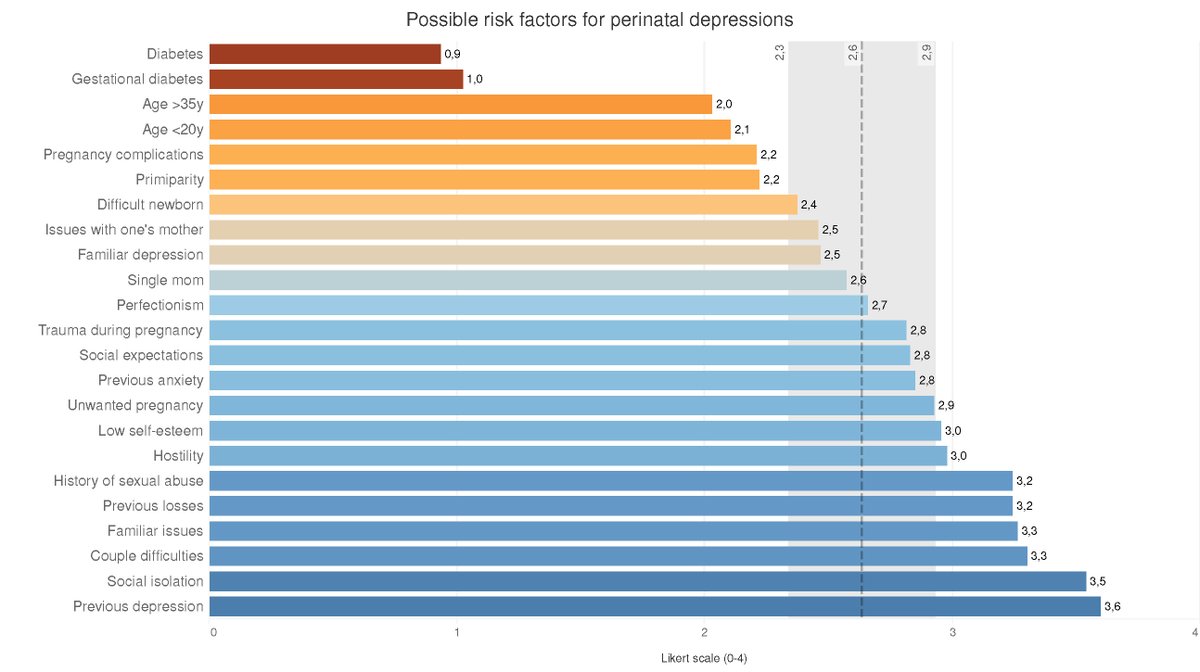
👉 Key findings: Only 24% of midwives identify age as a risk factor, while a mere 15% consider diabetes during pregnancy significant.
A call for greater awareness among healthcare professionals. 2/4
Read more #OpenAccess in @AWMH_Journal: https://t.co/clLRSC9yAW