Sacred groves in Bali have comparable tree diversity and demography as protected forests.
Our data lends support to Indon.’s forest decentralization policies through which local communities maintain stewardship over biodiversity-rich customary forests.
https://t.co/tL483WkhNw
New article! 🚨 #Rubber plantations are impermeable to understory habitat specialist #birds. Strips of native #vegetation with #understory layers can serve as corridors for birds in rubber-dominated landscapes. #Conservation#Biodiversity 🌿🐦 https://t.co/oIkTT4NsdC
We’re calling for applications for the Yang Chang Man Research Fellowship in Biodiversity and the Leo Tan Research Fellowship in Biodiversity, designed to empower early career researchers of Southeast Asia’s biodiversity.
📷: https://t.co/sxtqbxQSbq
@kwekings and I first floated the idea over coffee at ATBC2018 in Kuching, and Weng Ngai Lam and Jie Huang led it to completion. Thanks to all of those who made this possible, @hongjhun_s, @pcha929, and others.
How plants invest in their infrastructure can teach us a lot about the efficiency-safety trade-off. Our data from the iconic Nee Soon swamp showed that the growth-survival strategies of trees are reflected in their leaf & twig traits. https://t.co/47HINrbqAw
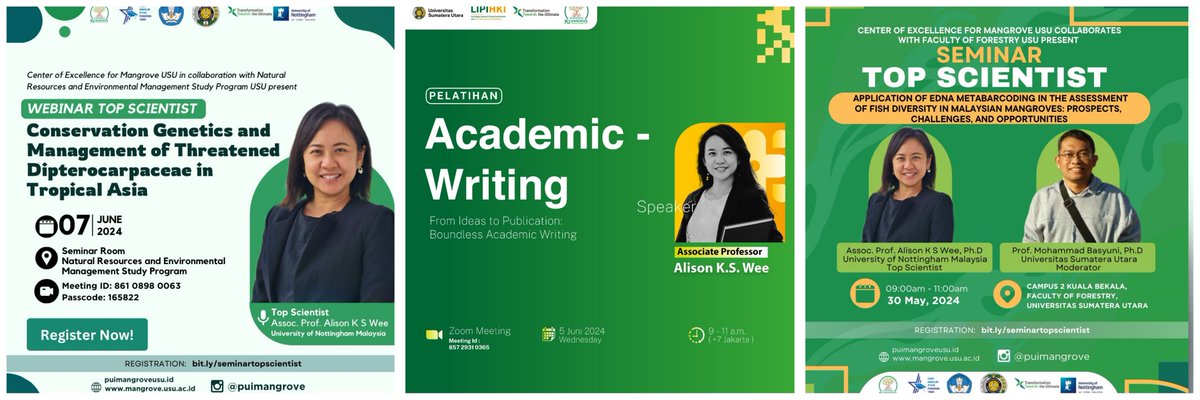
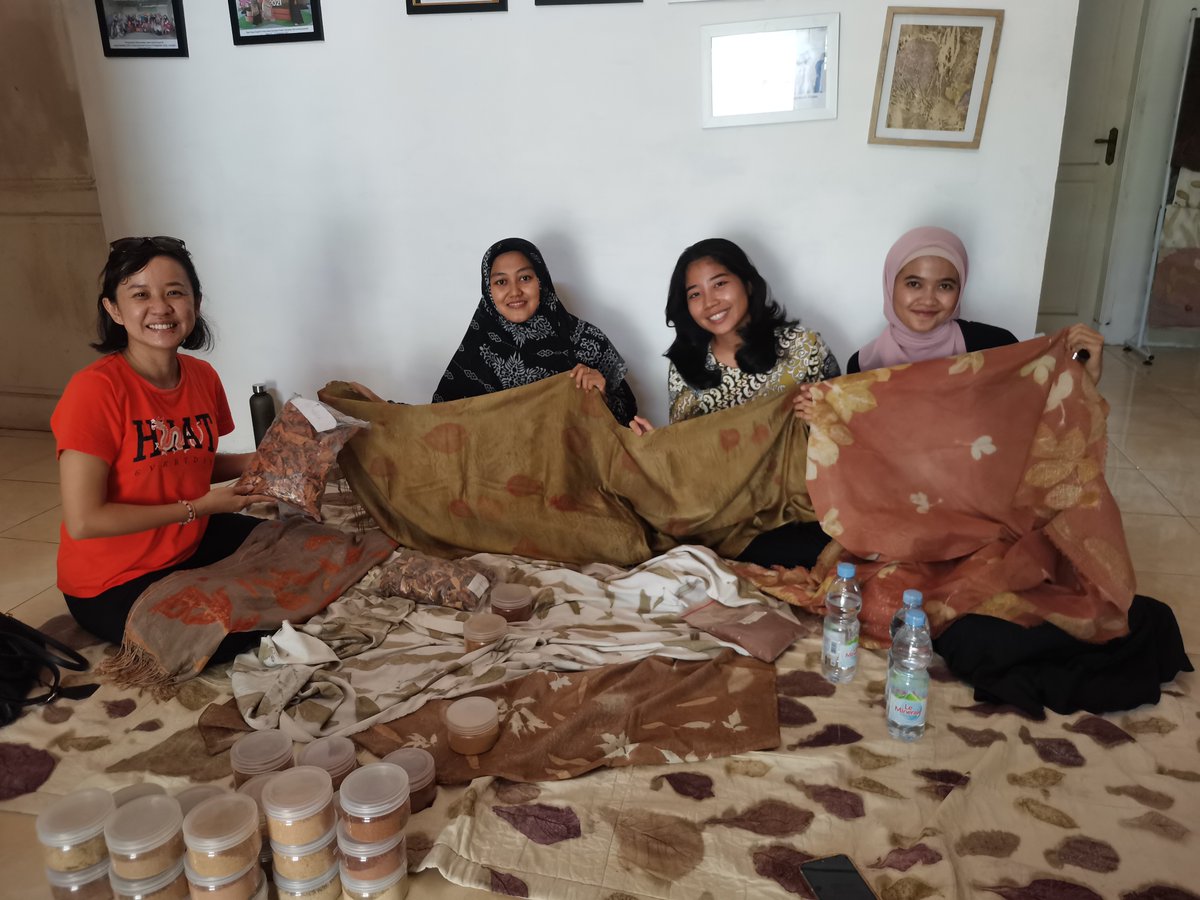
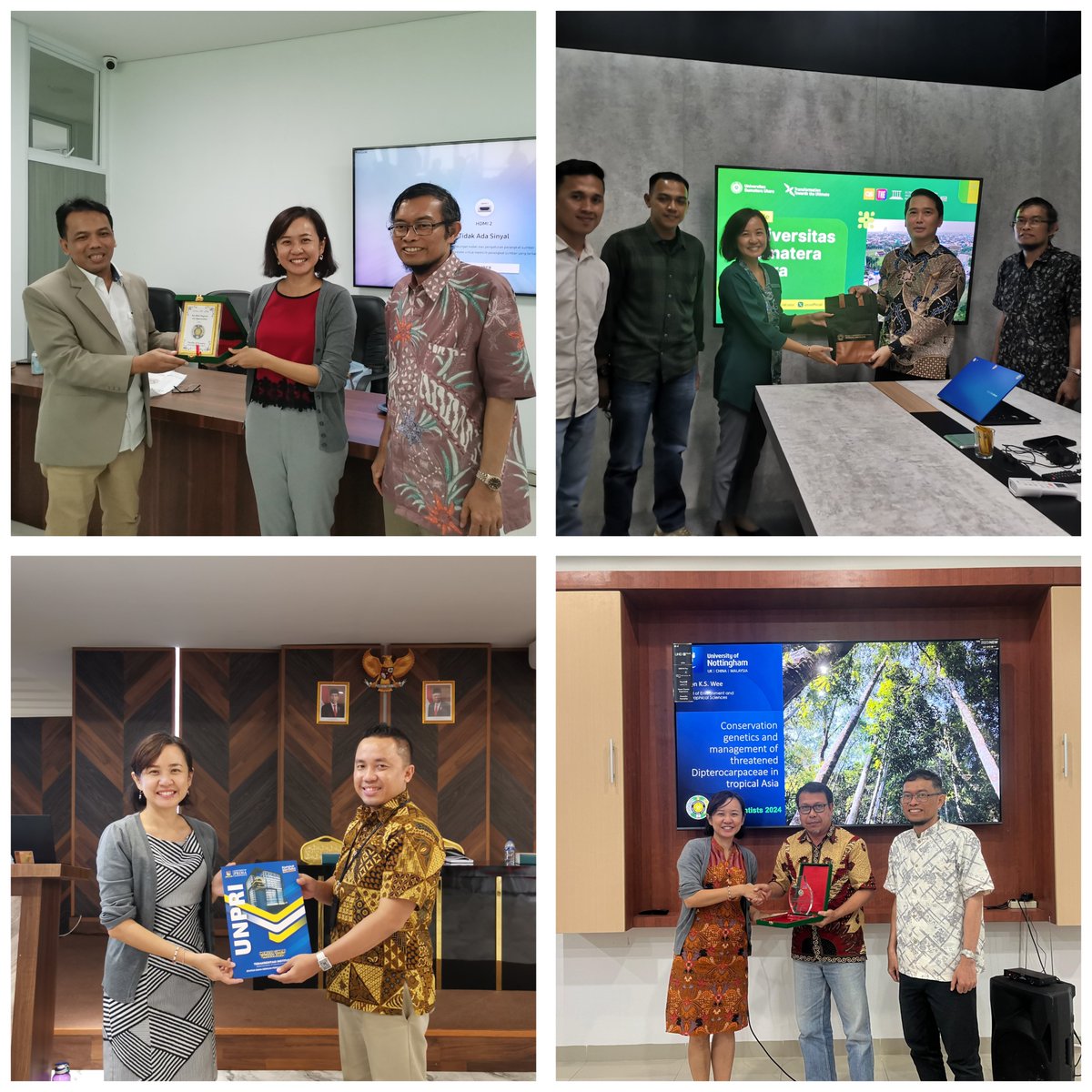
A big thanks to @usuofficial and @unpri_medan, esp. Prof Basyuni, for their hospitality during my visit to Medan in May/June under USU's Top Scientist Global Partnership program. What an insightful trip! 4 lectures, 1 publication & knowledge exch. on bioutilization in mangroves.
@DrAmarMOH@macarangatweets@MyMangrove Thanks, Dr Amar. The bird diversity survey will be conducted by Dr Shahfiz Azman and team from FRIM later this month. The total biodiversity survey will include plants, fish, birds, mammals, insects.
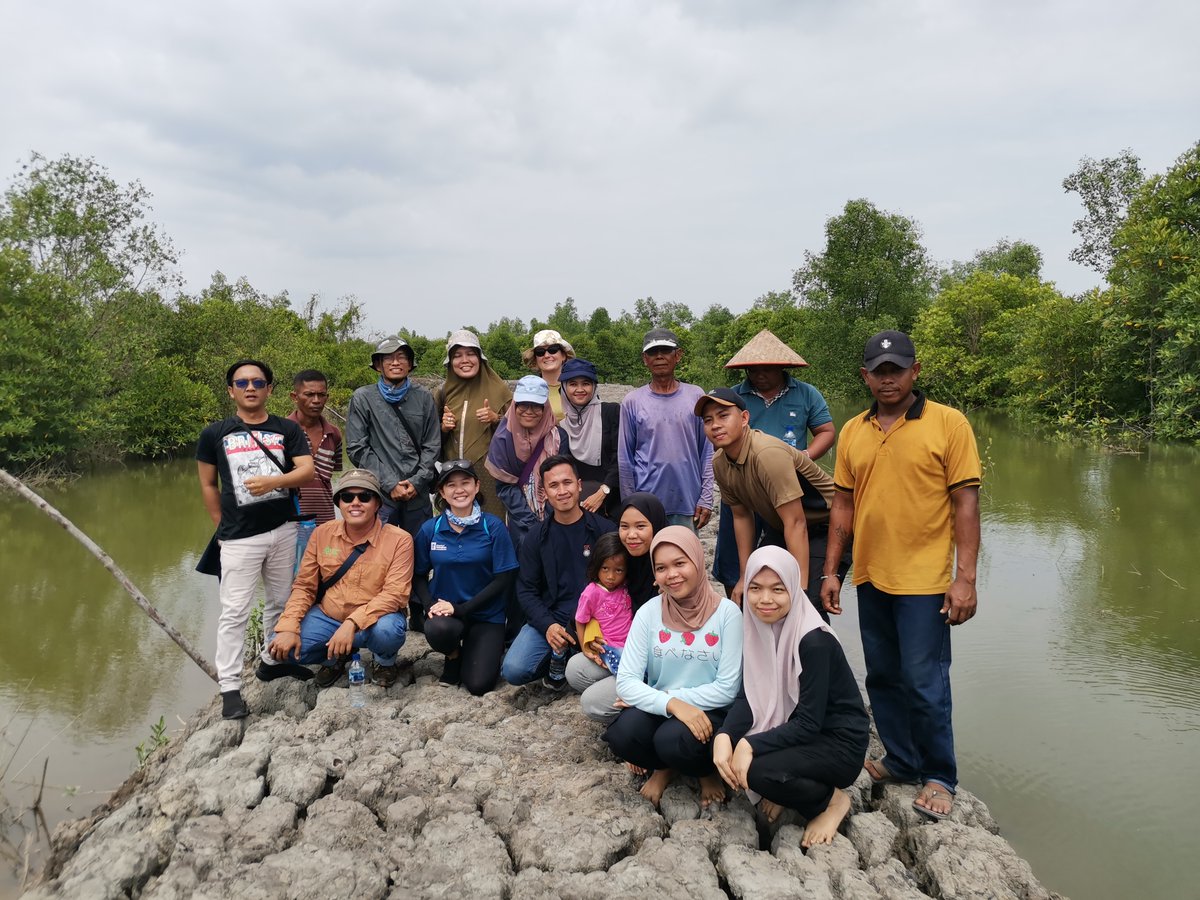
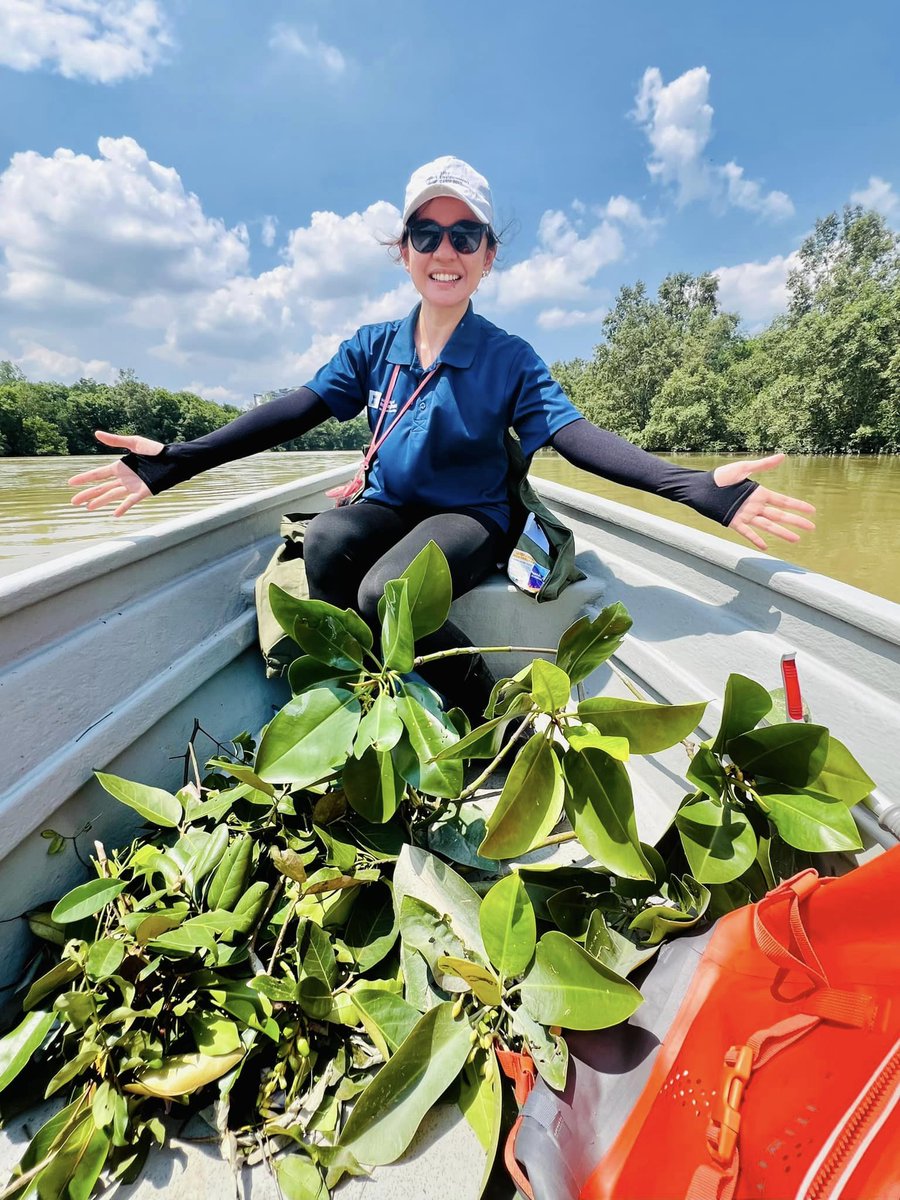
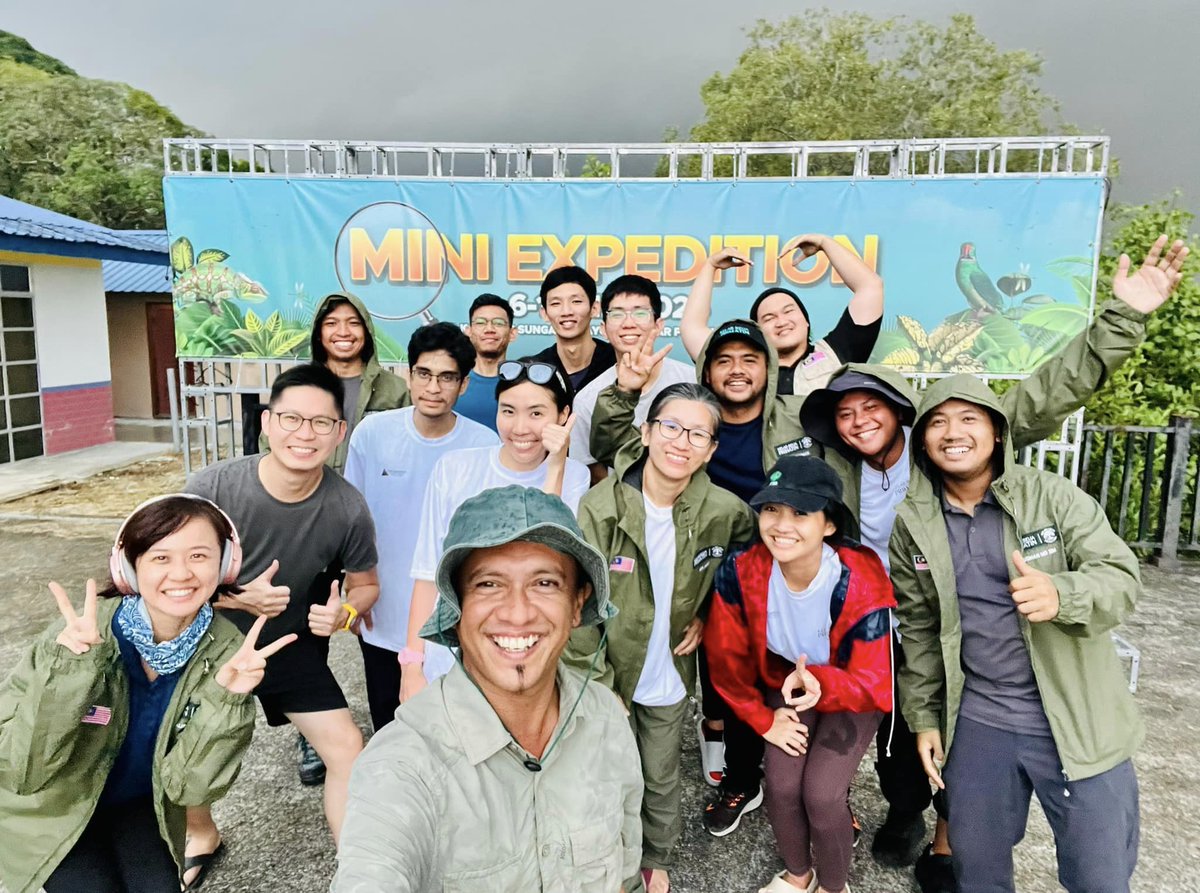
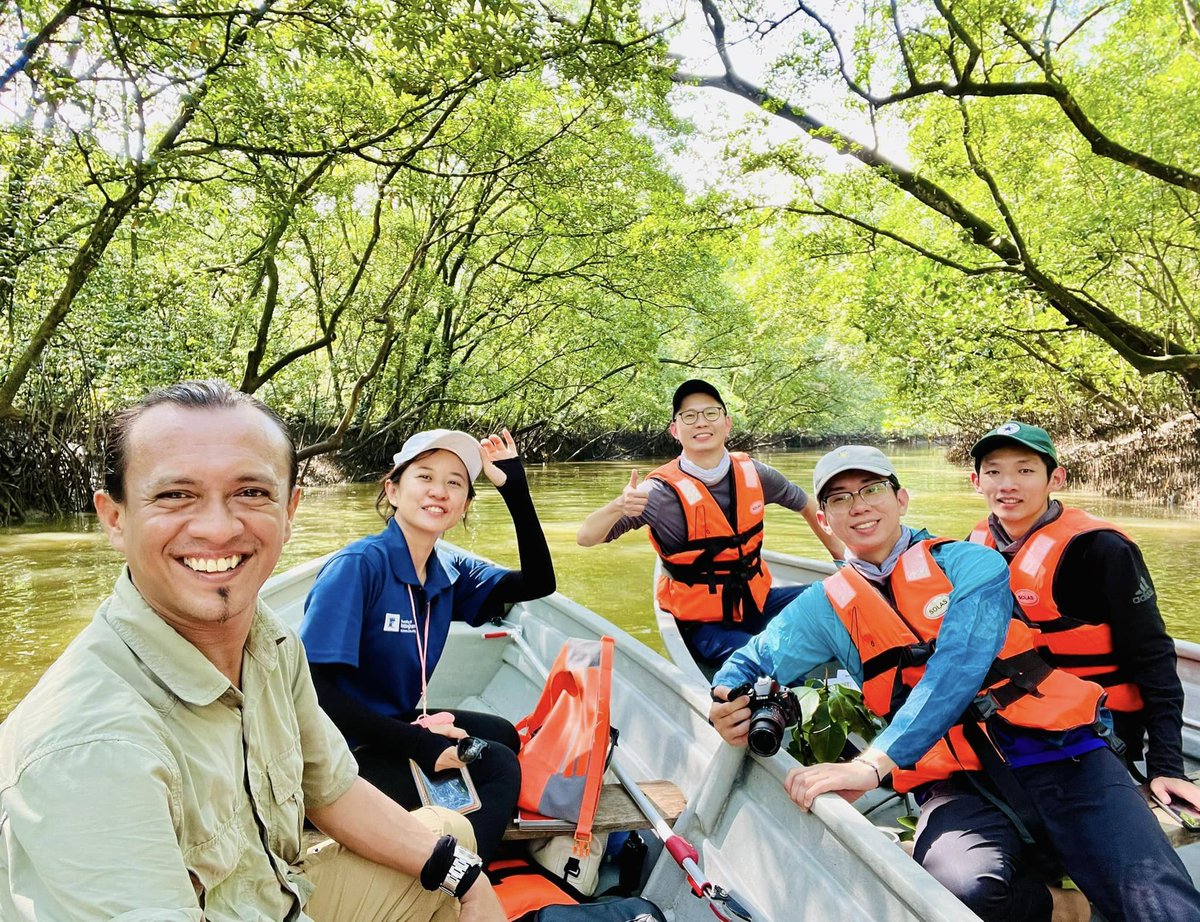
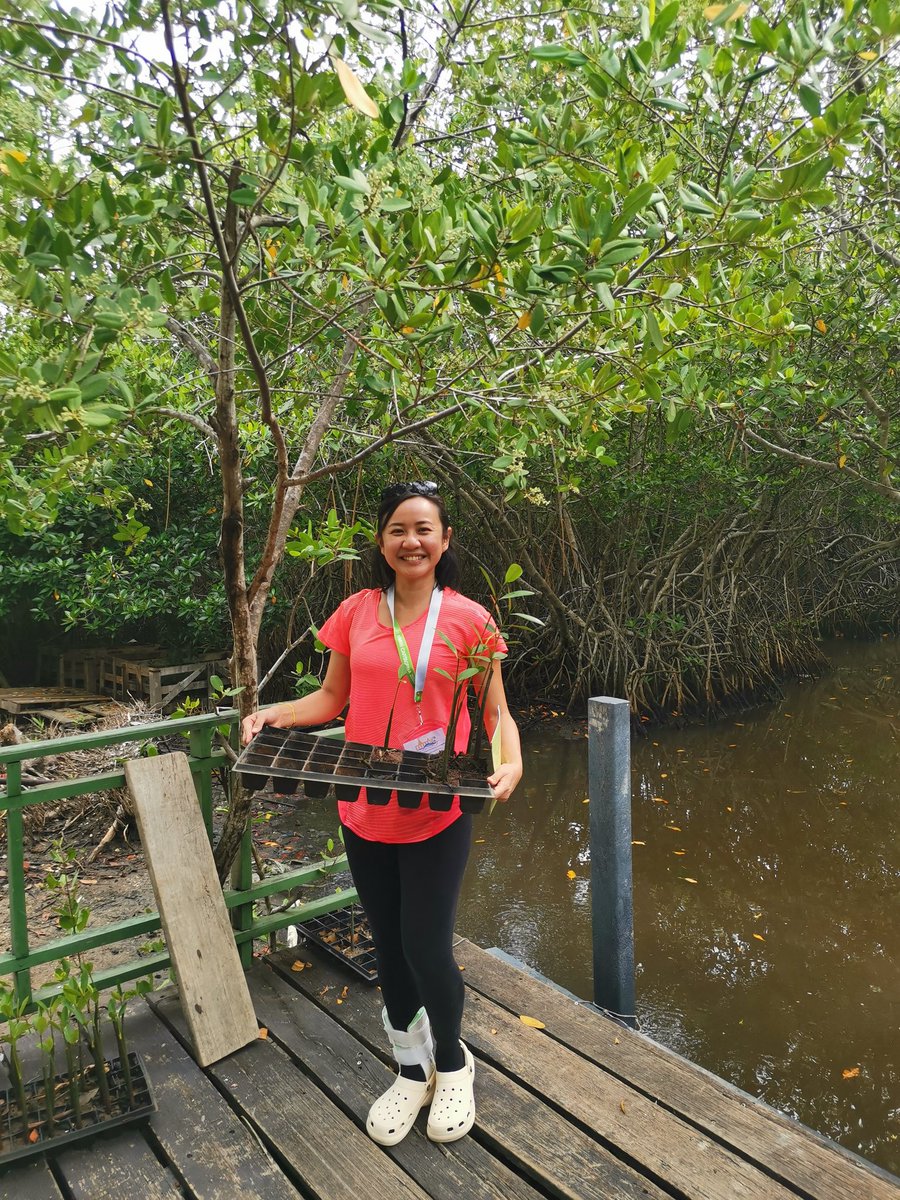
This week, we conducted a biodiversity survey at the mangroves of Kampung Sungai Melayu and opened our ears to the history, culture and needs of the local people, to help develop ecotourism that is both science-driven and need-based. Thanks, #IIB and #KBPM@MyMangrove
eDNA is perfect for a quick survey of fish diversity in the mangroves. We can detect fish species in the waters without catching them. Knowing the diversity would help us showcase the estuary, improve fishery management and promote recreational fishing.
https://t.co/zqp12WN8Uh
We're delighted to announce that applications are now open for the EDGE Fellowship 2025!
If you're an early-career conservationist from Asia or the Pacific, we want to hear from you.
To find out more and apply now, visit https://t.co/3JF8aPuokY
What makes a mangrove cold-tolerant?
Our work showed that efficient photosynthesis regulation when it's just chilly (15°C) allows Bruguiera gymnorhiza to tolerate low temps better than other tropical mangrove species. @AidanWShort1 @DrJohnDParker
https://t.co/8AwMb5VTQn
https://t.co/tpLPRLtLP3
A big thanks to @TatlerAsia for highlighting our work on mangrove eDNA metabarcoding in Malaysia for Earth Day 2024! I'm happy to be named alongside amazing ladies as Ravinder Kaur, @Yasmin_Rasyid, Baida Hercus, Pua Lay Peng, @LaraAriffin & Kae Kawanishi.
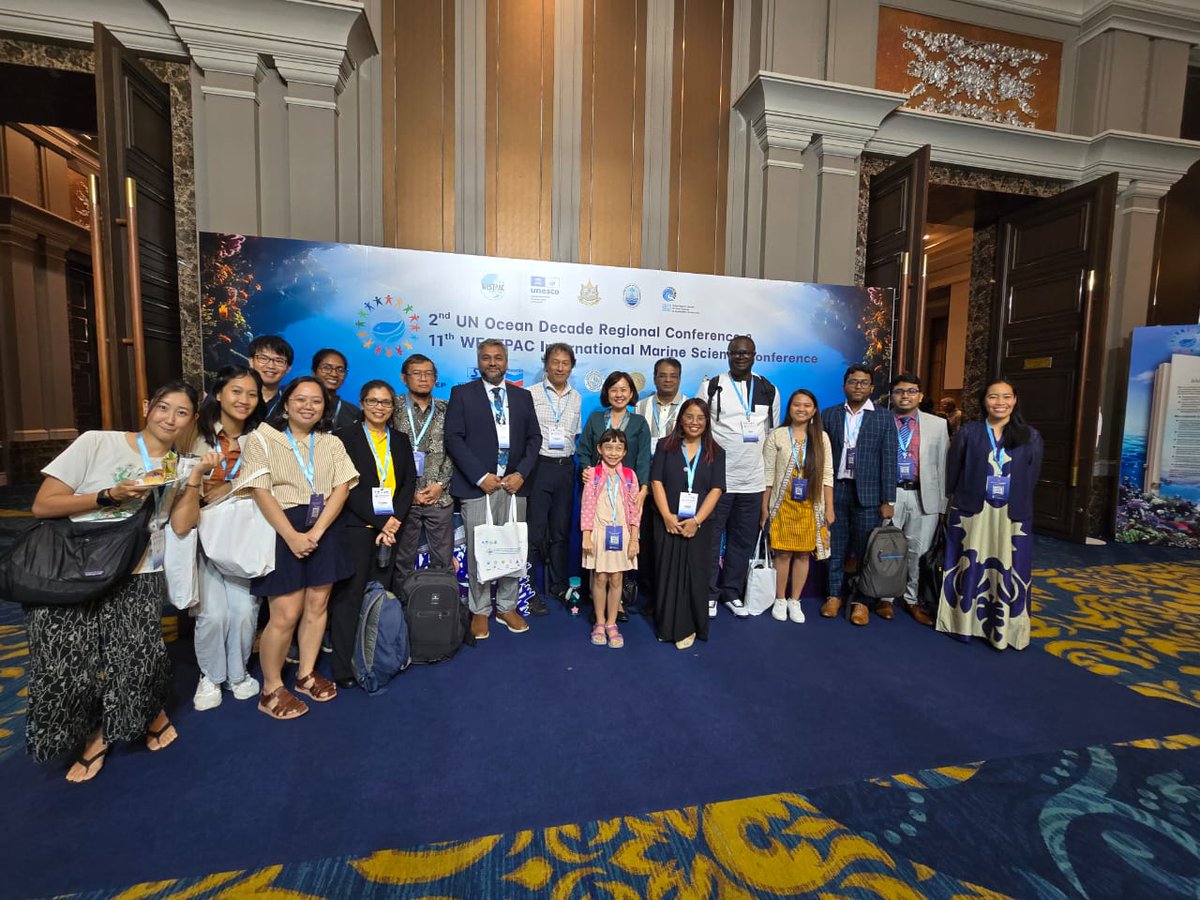
At the 2nd UN Ocean Decade Regional Conference in conjunction with the 11th WESTPAC International Marine Science Conference in Bangkok. Great to see a large presence of eDNA work and happy to deliver a symposium alongside our mangrove eDNA colleagues.
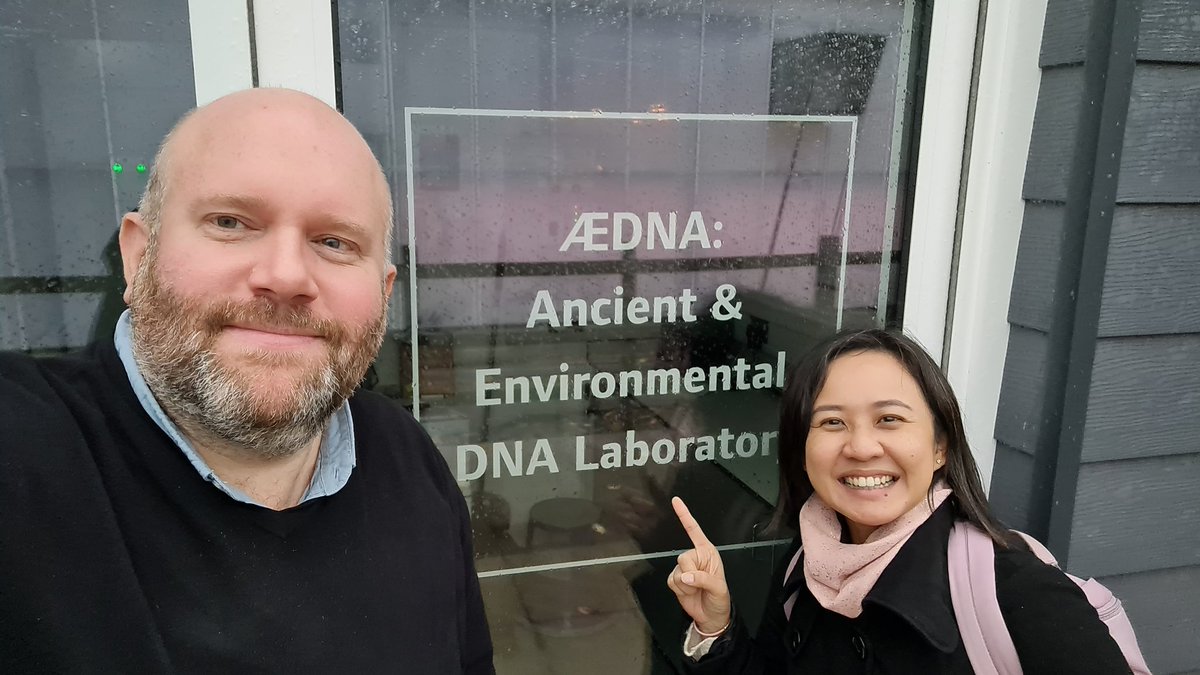
Finally visited University of Nottingham's own ÆDNA lab. Positive pressure, periodic UV sterilisation, compartmentalised processes. It's a dream! Thanks @aclarkenz for an amazing facility!
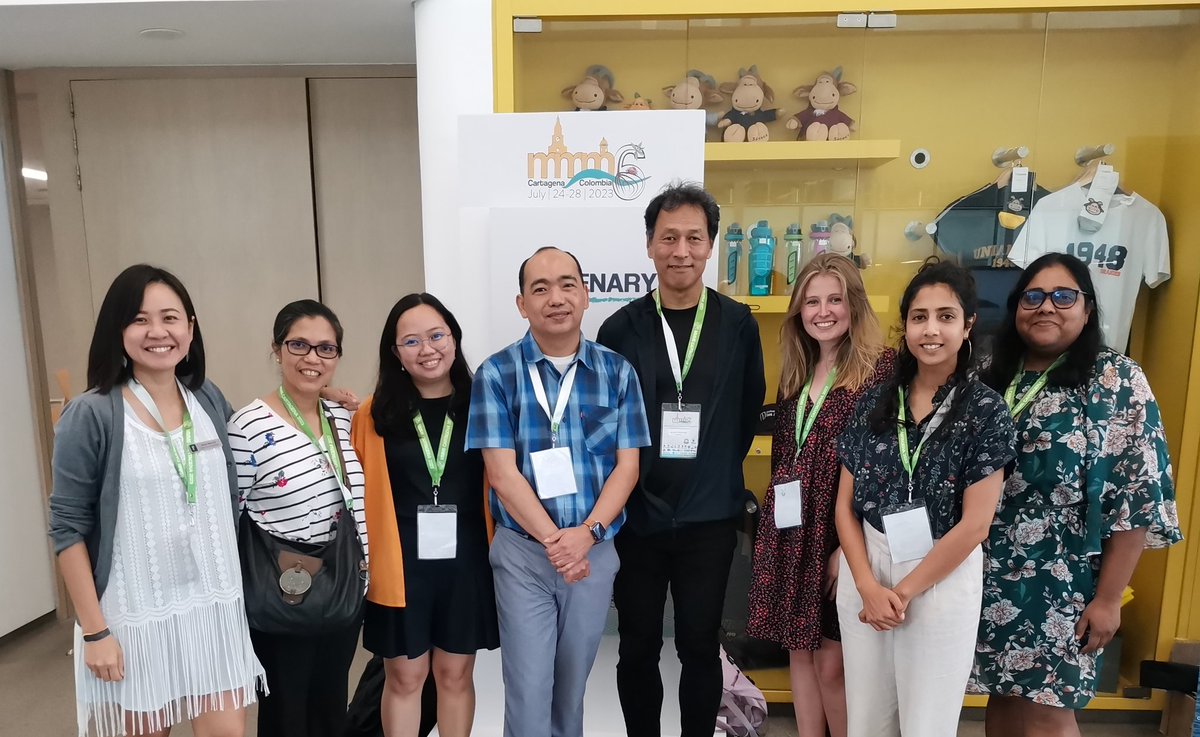
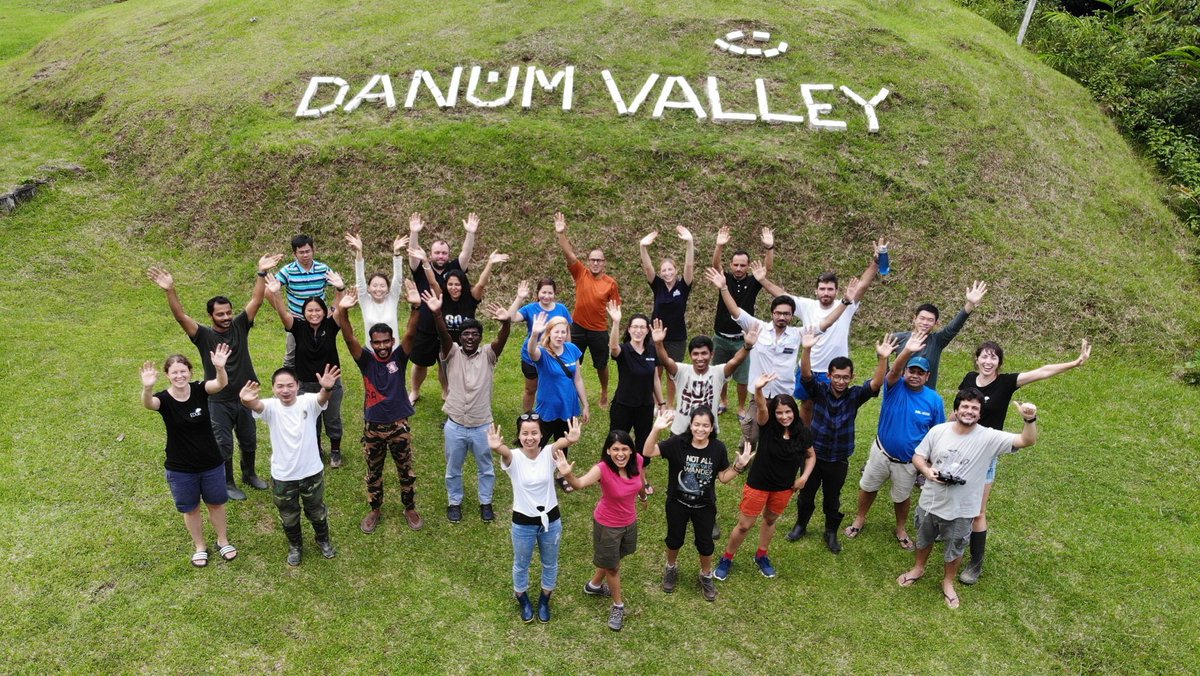
It's official!!! MMM7 2026 in Japan. Bansai! 🥳 Thanks Prof. Tadashi Kajita for taking up the mamoth task. See all you MMMers in Okinawa! #mmm6@MeetingMmm6
Celebrating the International Day for the Conservation of the Mangrove Ecosystem 26 July at MMM6 Colombia @MeetingMmm6. Great to meet old friends and new. Long live mangroves! #mmm6
Ever wonder how language might be shaping (or be a barrier to) our understanding of global biodiversity? Here is our paper on the visibility of non-English biodiversity reports. A key study for all non-English speakers!
Do we ignore non-English science? Of course NOT! In 37 countries surveyed, 65% of references in national biodiversity reports were in non-English languages. But non-Eng literature represents just 3.4% of the refs in @IPBES reports (1/4). https://t.co/6sYU4OL9cH #languagebarriers