If you're planning to ring in the New Year with fireworks, be sure to protect your vision! Use safety glasses, keep a safe distance and supervise kids closely. Don’t let celebration lead to an eye emergency. Read more: https://t.co/CsHrUaK69s
Ever wondered why Santa wears glasses? It turns out his iconic wire-rimmed specs aren’t just for show. They help him with everything from checking the Naughty & Nice list to navigating the night sky! https://t.co/BSrfJNmeqC
Christmas tree cataracts are a rare type of cataract featuring multicolored, needle-like flecks in the eye's lens. If you notice vision changes, like halos or blurred vision, it’s time for an eye exam. Read more: https://t.co/afZ8nDdI7s
When buying toys this season, steer clear of anything that:
- Shoots projectiles
- Has long poles or wires
- Uses aerosol string
- Includes laser pointers & bright flashlights
These pose serious risk to children’s eyes. Protect playtime and vision: https://t.co/UHE5wsOblQ
For International Day of Persons with Disabilities, remember that ADA accommodations ensure equal access, not special treatment. Ask for what you need to thrive at work. Learn more: https://t.co/K5UEqxxi4n
For #GivingTuesday and Give the Gift of Sight Month, support the OneSight EssilorLuxottica Foundation. The organization has provided eye care access to more than 65 million people worldwide. Donate or volunteer to help improve lives through clear vision. https://t.co/10iwHVNELt
Deep-frying a turkey for Thanksgiving? Follow these safety tips:
- Protect your eyes from hot oil by wearing safety goggles
- Fully thaw & dry your turkey to prevent splatters
- Use a sealed lid
- Never overfill
- Keep kids and pets away
https://t.co/8ymD7McheR
Got old eyeglasses? Don't toss them! Instead, consider donating them to organizations that help provide vision care to those in need. Alternatively, get creative by turning the frames into a unique craft or art project. For more ideas check out this guide: https://t.co/iaDfGe9zPG
Vision is a two-part process: Your eyes focus and capture images, and your brain interprets them. The cornea & lens focus light, the retina detects light and creates a signal, followed by the optic nerve that transmits the signals to the brain. Read more:
https://t.co/94lsOD1QOv
November 14 is #WorldDiabetesDay — a reminder that diabetes affects more than blood sugar. High blood sugar can damage blood vessels in the eye, causing diabetic retinopathy, macular edema and other eye diseases. https://t.co/4Oaaaf4vEY
This #VeteransDay, we honor our military heroes and raise awareness for more than 130,000 U.S. veterans who are legally blind, and the 1.5M who live with low vision. Let’s support access to VA eye programs so every veteran can see clearly. https://t.co/54kgJyaHwr
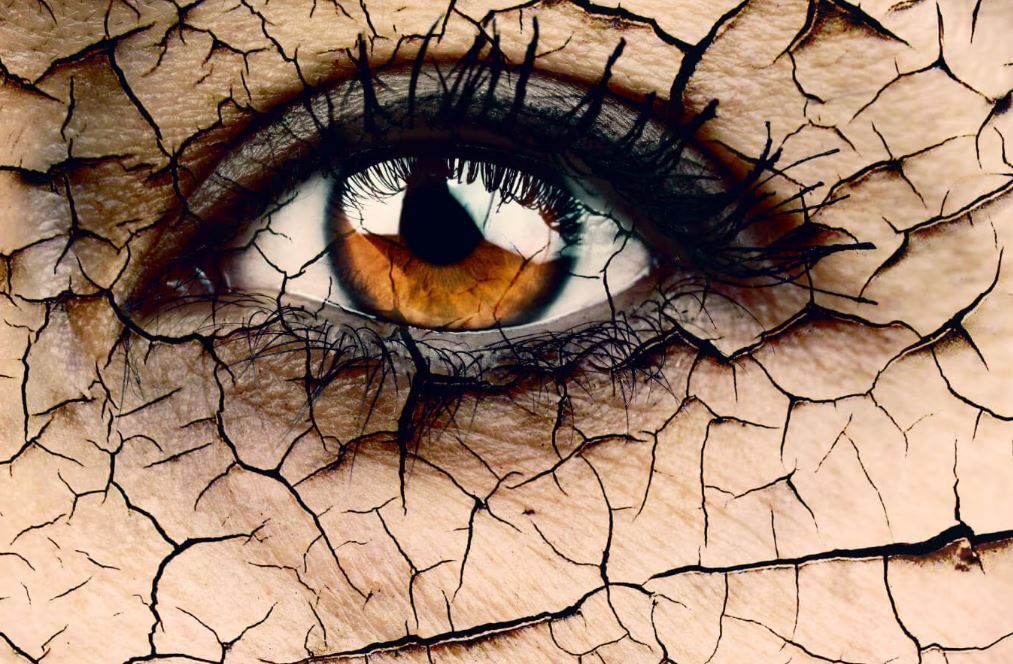
Your eyes can reflect whether you're drinking enough water. When you're dehydrated, your eyes’ delicate tissues may become dry and irritated, and your vision can become blurry. Drink plenty of fluids and listen to your body to protect your vision. https://t.co/ofZf9dGVvn
For Native American Heritage Month, we honor the strength and resilience of Indigenous communities. Many face higher rates of vision loss, diabetes-related eye disease and cataracts due to limited access to care. Learn more: https://t.co/5ySfUDGTG8
Embrace your eyewear this Halloween by making your glasses the highlight of your costume! Explore ideas and tips to make your Halloween costume truly eye-catching: https://t.co/zJeFRgNdFi
After a stroke, vision changes are common and can significantly impact daily life. These issues occur due to damage in areas of the brain responsible for processing visual information. Rehabilitation and adaptive tools can help improve quality of life. https://t.co/WrFFQttH7s
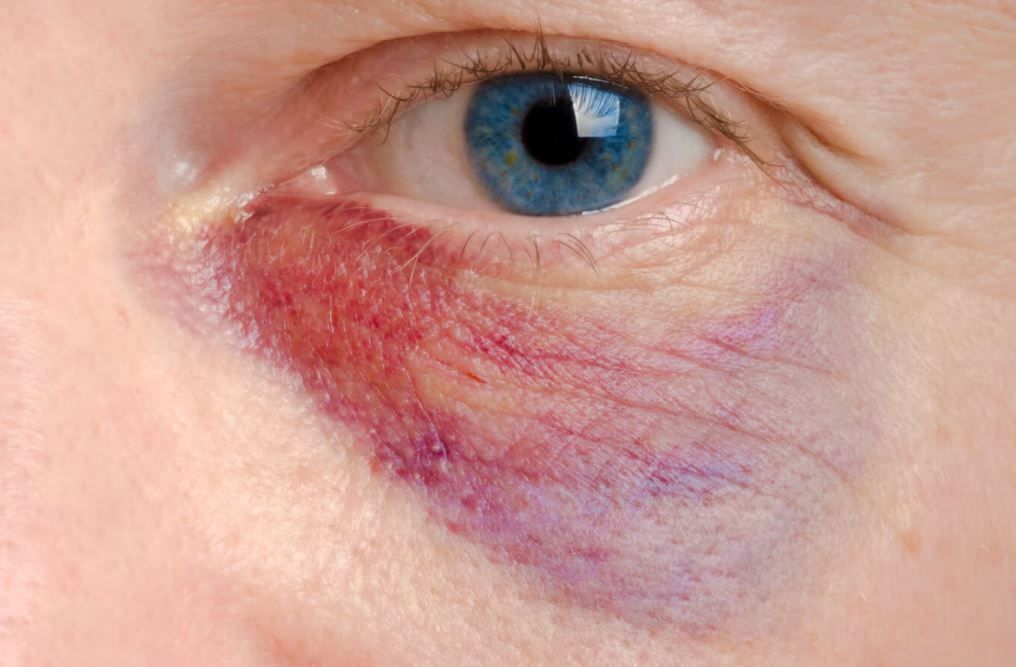
Eye injuries like corneal abrasions, foreign objects and chemical burns can happen unexpectedly. Avoid rubbing the eye or attempting to remove foreign objects and seek immediate medical attention. Prompt care can prevent serious damage. https://t.co/Nedzfmn2fW
New to contact lenses? Learn how to insert, remove, and care for your lenses safely to protect your eyes and maintain comfort. Follow cleaning and replacement schedules, and never sleep in lenses unless approved. Learn more: https://t.co/qagIgWp62a
People with Down syndrome have higher risk of eye issues, such as refractive errors (blurry vision), strabismus (eye misalignment) and nystagmus (involuntary eye movements). Early, routine eye exams can help detect treatable conditions. Learn more: https://t.co/mgeOrT6Pb7
Vision loss can affect mental health just as much as physical health. Talking about your feelings, navigating changes and utilizing resources can help you adjust to your new life and live it fully. Read more: https://t.co/QZguVuStsH
World Sight Day spotlights global vision impairment and the importance of eye care. Globally, around 2.2 billion people struggle to see clearly. Half of these cases are preventable or treatable. Together, we can help improve lives by improving sight. https://t.co/81Q7GYZsqX