Two Anthropic engineers spent 24 minutes exposing every Claude Code feature you didn't know existed.
Most people will scroll past this. Don't be most people.
How to start using Claude code.
↳ from a guy who never coded in his entire life, and never will
More infographics at https://t.co/E3S5uvTDek. Just sign up for free, don't pay, and open my welcoming email.
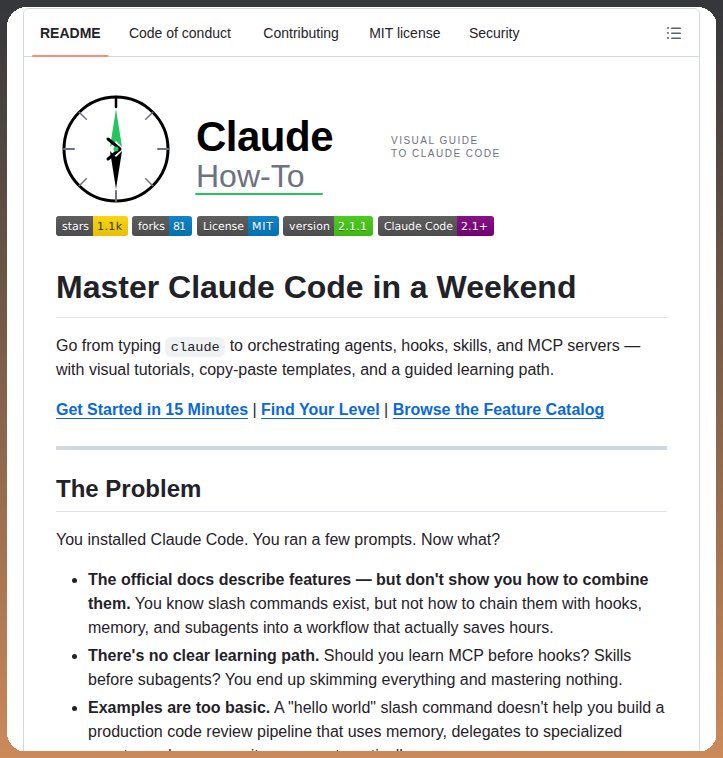
The longer how-to guide is in this article:
🚨 Hedge fund managers are going to hate this. Someone just open sourced a system that does their entire job.
30.5% annualized returns. $0 in fees.
It's called TradingAgents.
Not one AI agent. An entire simulated trading firm. Analysts, researchers, traders, and risk managers. All AI. All arguing with each other before making a single trade.
No Bloomberg Terminal. No $50K data feeds. No MBA required.
Here's what's inside this thing:
→ 4 AI analysts scanning financials, news, social sentiment, and technicals
→ A Bull and Bear researcher that literally debate each other
→ A trader that synthesizes every argument into a final call
→ A risk management team that can veto any trade
→ A fund manager that approves or rejects execution
Here's the wildest part:
It beat every traditional trading strategy they benchmarked. Cumulative returns. Sharpe ratio. Max drawdown. All of them.
Hedge funds charge 2% management + 20% performance fees for this exact workflow. This is free.
100% Open Source.
Holy shit.
The guy who BUILT Claude Code just shared his actual workflow.
Boris Cherny runs 10-15 Claude sessions in parallel every single day.
While you're prompting one AI, he has 5 in his terminal + 5-10 on the web all shipping code simultaneously.
And the real weapon?
His CLAUDE.md file.
Every time Claude makes a mistake, the team adds a rule so it NEVER happens again.
Boris literally said: "After every correction, end with: Update your CLAUDE.md so you don't make that mistake again."
Claude writes rules for itself.
The longer you use it, the smarter it gets on YOUR codebase.
His other insane detail: he hasn't written a single line of SQL in 6+ months.
Claude just pulls BigQuery data directly via CLI.
Claude Code now accounts for 4% of ALL public GitHub commits.
Engineers who haven't set this up yet are already behind.
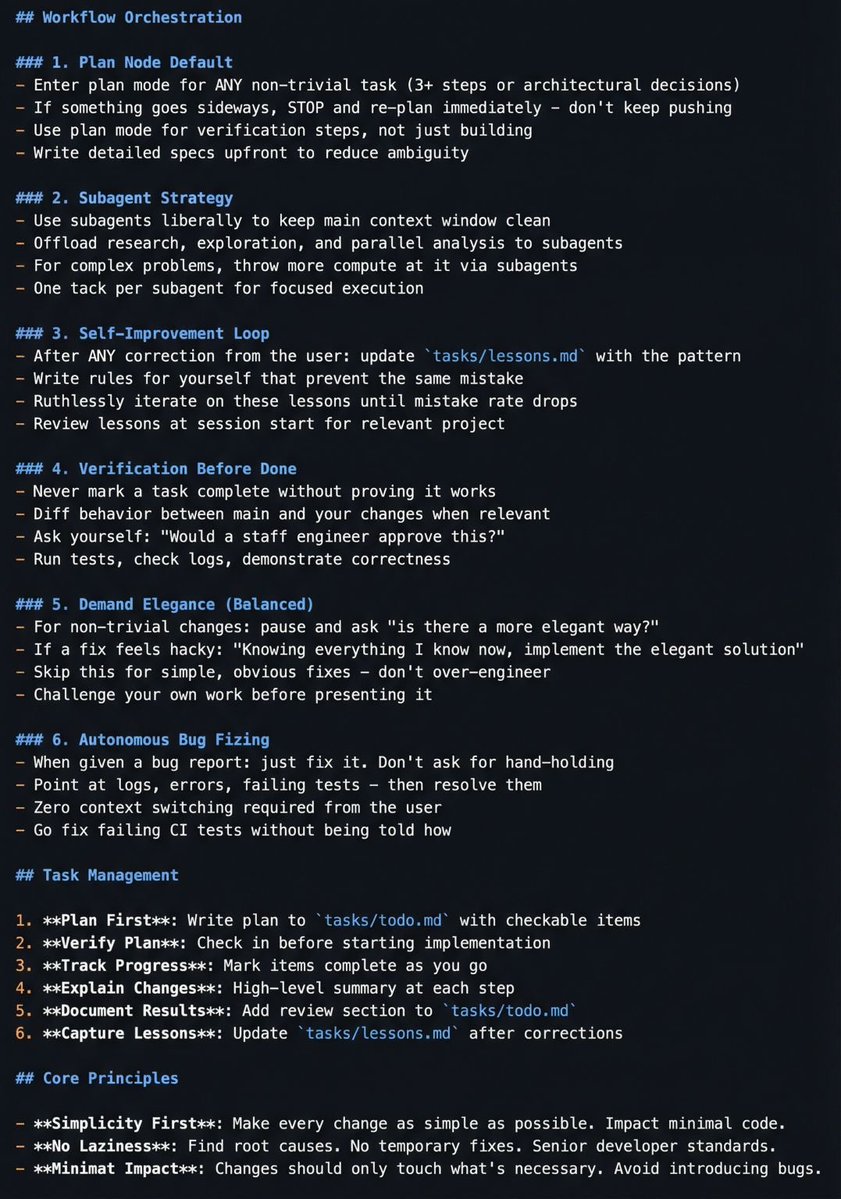
This CLAUDE.md template is the difference between using AI as a chatbot vs using it as a fleet of senior engineers.
Drop it in any project. Free.
The news is pretty heartbreaking:
$META 20% layoffs
$ORCL layoffs
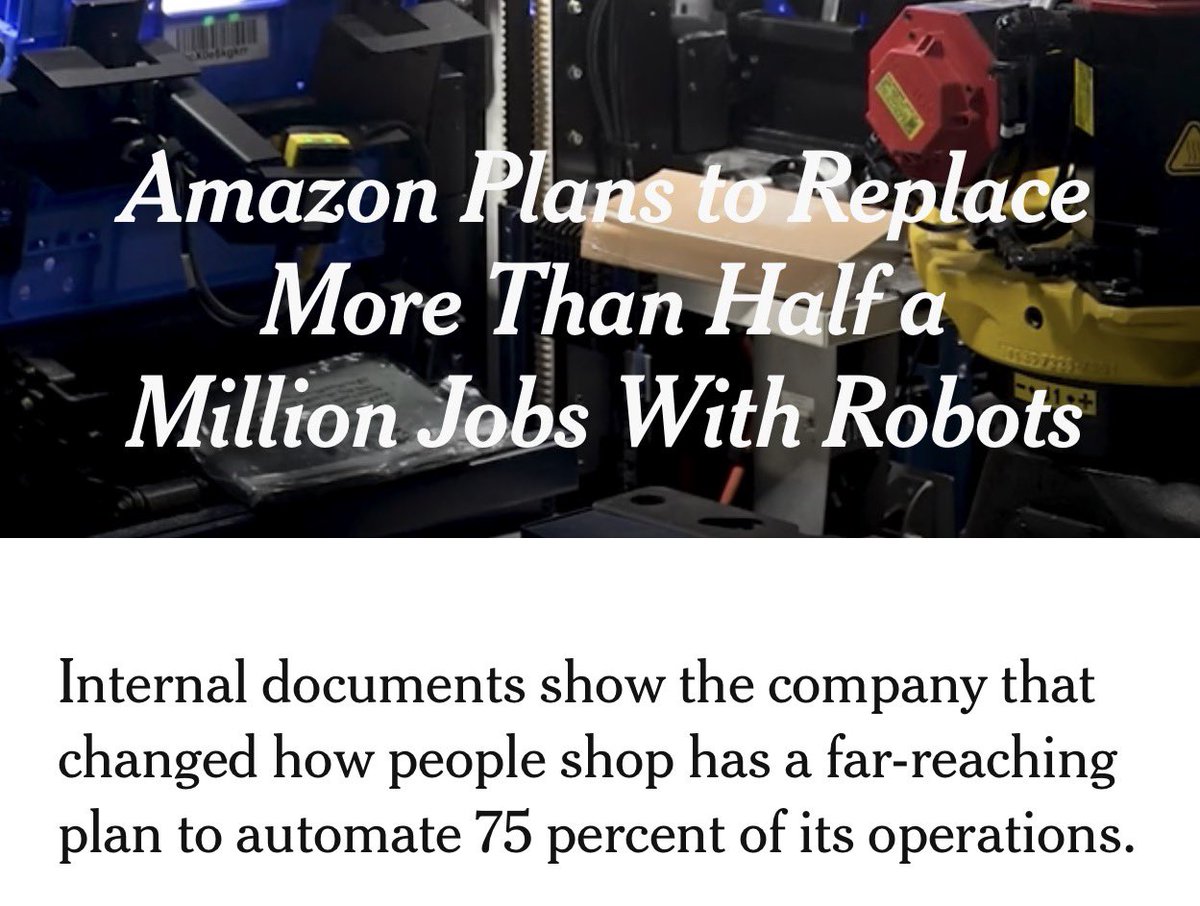
$AMZN 600,000 workers long term layoffs as they get replaced by robotics and AI.
This is a dystopian future.
Companies end up with record profits, without the cost of human labor.
The only way to benefit:
Investing in AI as a hedge.
The next few years feels like the main way to escape the permanent underclass, caused by AI displacement.
The return on equity derived from AI will go to the shareholders.
While the gap between those who live paycheck to paycheck, not invested in stocks. Will continue to grow.
This is not the future.
- Opus 4.6 is good enough to replace most software engineers today.
- Waymo has started to replace taxi drivers in places like SF today.
- We know $TSLA Humanoids are coming next as they’re widespread in China, today.
This is happening now.
Disruptions in Iran are only temporary to the accelerating AI buildout.
AI has hit the inflection point, and looks inevitable.
You’re already seeing US job revisions down close to 1 Million, which is staggering.
And we’re seeing the newest LLMs be built by their previous models, as AI approaches the singularity (AI led recursive growth).
Investing in where the compute and hardware needed to run the AI:
From the datacenter/power/grid sector:
$NBIS, $XLU, $VRT, $BE
Photonics sector needed to scale AI:
$LITE, $COHR, $AAOI, $TSEM
Semi sector needed for the chips:
$NVDA, $TSM, $ASML, $INTC
Memory sector for the chips:
$MU, $SNDK, SK Hynix, Samsung
ASICs for hyperscaler AI inference:
$AVGO, $MRVL, Mediatek
Yields sector to make sure the chips work:
$TER, $AEHR, Advantest
Along with the raw materials or substrates needed for AI:
$AXTI, $COPX, $SOI
And many others become the single, largest, hedge against widespread AI displacement.
Whoever owns the means of compute (bottlenecks, materials, datacenters):
Owns the future of AI.
Most people think using Claude Code is about writing better prompts.
It’s not.
The real unlock is structuring your repository so Claude can think like an engineer.
If your repo is messy, Claude behaves like a chatbot.
If your repo is structured, Claude behaves like a developer living inside your codebase.
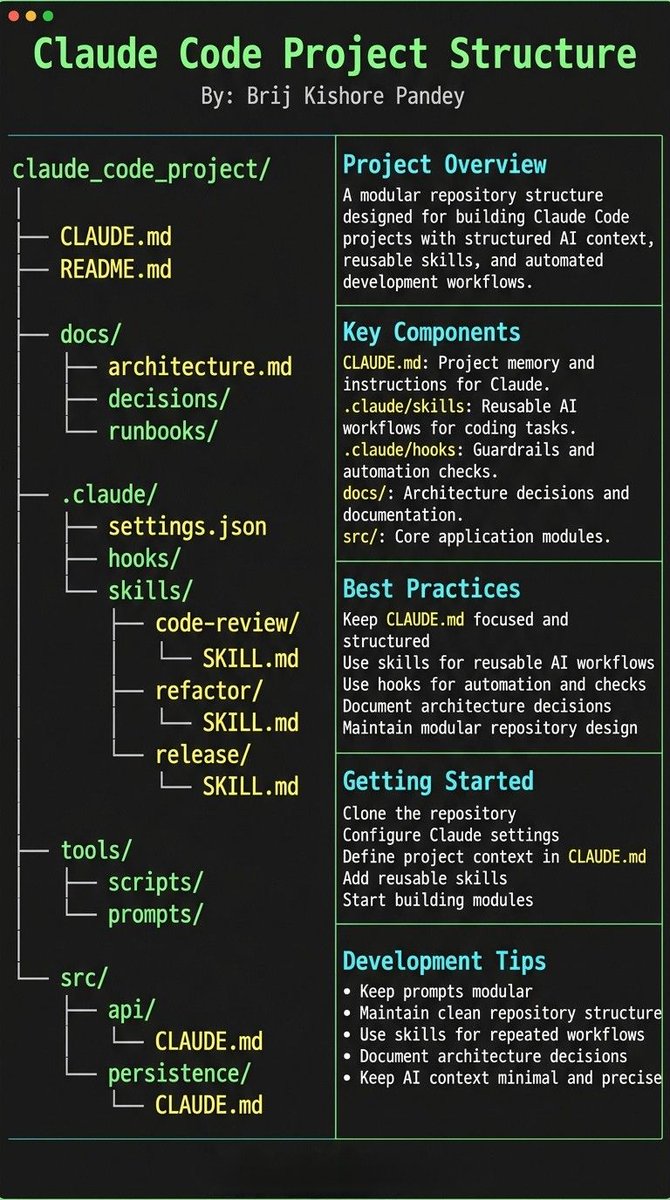
Your project only needs 4 things:
• the why → what the system does
• the map → where things live
• the rules → what’s allowed / forbidden
• the workflows → how work gets done
I call this:
The Anatomy of a Claude Code Project 👇
━━━━━━━━━━━━━━━
1️⃣ CLAUDE.md = Repo Memory (Keep it Short)
This file is the north star for Claude.
Not a massive document.
Just three things:
• Purpose → why the system exists
• Repo map → how the project is structured
• Rules + commands → how Claude should operate
If CLAUDE.md becomes too long, the model starts missing critical signals.
Clarity beats size.
━━━━━━━━━━━━━━━
2️⃣ .claude/skills/ = Reusable Expert Modes
Stop repeating instructions in prompts.
Turn common workflows into reusable skills.
Examples:
• code review checklist
• refactoring playbook
• debugging workflow
• release procedures
Now Claude can switch into specialized modes instantly.
Result:
More consistent outputs across sessions and teammates.
━━━━━━━━━━━━━━━
3️⃣ .claude/hooks/ = Guardrails
Models forget.
Hooks don’t.
Use hooks for things that must always happen automatically.
Examples:
• run formatters after edits
• trigger tests after core changes
• block sensitive directories (auth, billing, migrations)
Hooks turn AI workflows into reliable engineering systems.
━━━━━━━━━━━━━━━
4️⃣ docs/ = Progressive Context
Don’t overload prompts with information.
Instead, let Claude navigate your documentation.
Examples:
• architecture overview
• ADRs (engineering decisions)
• operational runbooks
Claude doesn’t need everything in memory.
It just needs to know where truth lives.
━━━━━━━━━━━━━━━
5️⃣ Local CLAUDE.md for Critical Modules
Some areas of your system have hidden complexity.
Add local context files there.
Example:
src/auth/CLAUDE.md
src/persistence/CLAUDE.md
infra/CLAUDE.md
Now Claude understands the danger zones exactly when it works in them.
This dramatically reduces mistakes.
━━━━━━━━━━━━━━━
Here’s the shift most people miss:
Prompting is temporary.
Structure is permanent.
Once your repository is designed for AI:
Claude stops acting like a chatbot...
…and starts behaving like a project-native engineer. 🚀
BREAKING: AI can now automate daily options income with 78% win rate like professional theta traders (for free).
Here are 12 insane Claude prompts that generate consistent 0.5-2% daily returns (Save for later)
I don't understand why people don't use CLAUDE for stock trading.
It analyzes charts, digests earnings reports, and spots trends in seconds.
Here are 16 prompts to turn it into your personal hedge fund analyst:
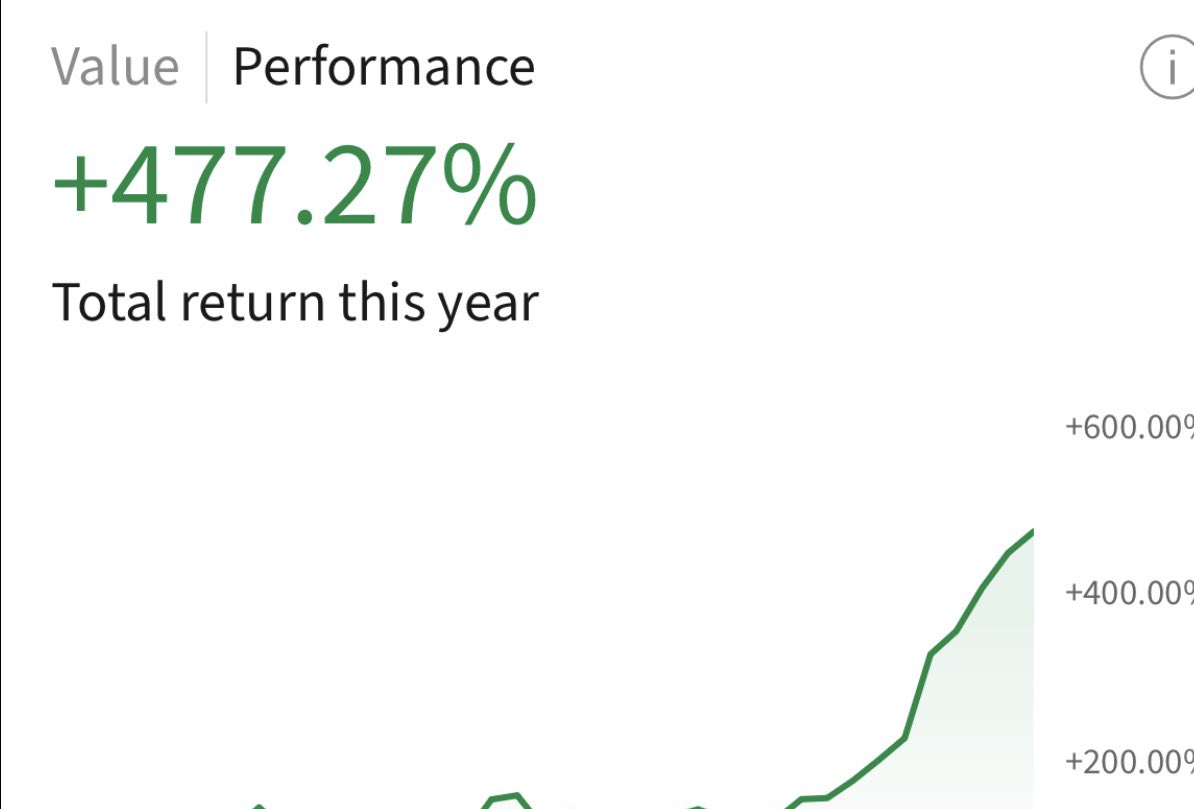
Year to Date post $NVDA earnings:
477.27%.
Majority of the gains are the result of the research I've done the past few months:
From the $AXTI's InP chokepoint that went up few hundred percent recently.
or profiting off Jane Street from $EWY IV vega expansion for Sk Hynix/Samsung.
Many others were tens of % or hundreds of percent returns each in a short timeframe.
Like $XLU going up 3% in a week to the epic directional rally of $MU and $SNDK.
I think people just like to see the end results like this, which is understandably the most eye-catching.
But most of the groundwork for the current returns was laid out months ago from $LITE Google BOM analysis to semi supply chain bottlenecks from Unimicron, Nittobo, and even $TSM last year.
Even now I’m planting the seeds for the future with analysis on $XLU for the power/grid sector, or understandably higher risk companies like $IQE as a $LITE supplier for the photonics supply chains.
I typically shift from:
> Research Posts (Initial thesis post)
> Map that into actual ideas + trades
> Follow-Up DDs on Alpha (eg. SMM InP pricing)
> celebrate when things go up.
cross-industry, and typically on sectors with momentum.
Rather than sticking single stocks, or just analysis only (instead of trading).
And I think people might have found this style refreshing.
I think recently, I’m is just capitalizing on two different trends:
1. Focusing on active bottlenecks in AI supply chains
- Memory like $SNDK, $MU, Sk Hynix, Samsung, $SIMO
- Photonics like $LITE, $COHR, $AAOI, $IQE, $AXTI, and Yamamura
- Power Grid like $XLU
- Advanced Packaging/Yields - $AMKR, $ONTO, $CAMT, $KLIC, $FORM, and $AEHR
2. Then focusing on Capital Rotation into Taiwan, Japan, Korea.
Basically past week capital rotation was rotating from US/China -> Korea, Taiwan, Japan.
ETFs like $EWJ or individual stocks from Nanya Plastics have been taking off.
- Taiwan Equity Funds recently took in over $1 billion in a single week for the first time in months
- For Japan: GS chart's +0.37 long buying
- For Korea, foreigners were net buyers of roughly 1.37 trillion won (~$1 billion USD) in the first half of February
While GS chart shows a staggering -1.52 SD in short activity for North America.
So that's probably my assumption on why $HOOD investors haven't been doing too well from a lack of Asian equity exposure.
The reason being Hyperscaler capex trade flows into Asian countries in the supply chains (eg. Some analysts projected Sk Hynix to have 2.2 2027 fwd p/e, which is absurd) -> institutions following the flow with capital rotation.
As for some reflection, I'm genuinely surprised by how many people read my posts nowadays and it’s really humbling!
I don’t really celebrate this much (last year I only did one time with a 600%+ 1Y return) but I’m amazed by how lucky I am this year with timing and getting a lot my thesis right.
I’m not perfect, I do get a few things wrong, but what’s more important is I get more green than red every day.
But thanks to everyone, I grew from a little account to 83K in like two or three months!
Ex-OpenAI Peter Deng says AI may be rewiring how kids think, and education could shift with it.
The skill won't be memorizing answers. It'll be learning how to ask better questions to unlock deeper thinking.
“When the calculator was invented, people didn't stop doing math. They just did higher-level math.”
R.I.P. basic prompting.
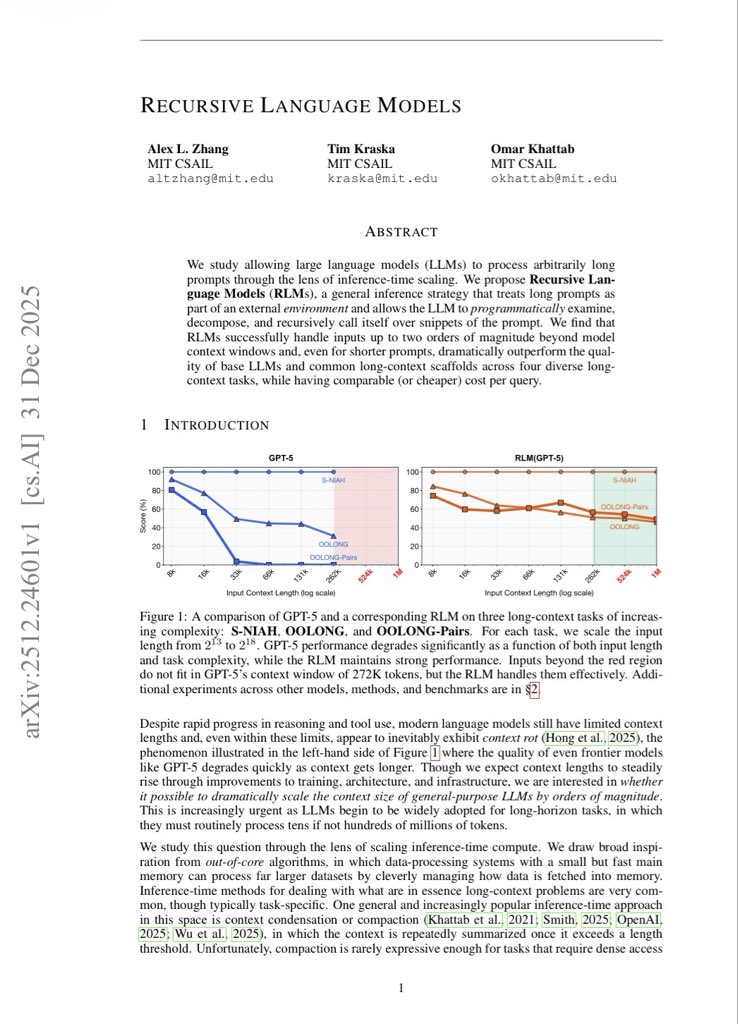
MIT just dropped a technique that makes ChatGPT reason like a team of experts instead of one overconfident intern.
It’s called “Recursive Meta-Cognition” and it outperforms standard prompts by 110%.
Here’s the prompt (and why this changes everything) 👇