The Molotov-Ribbentrop pact is the topic that comes up every day in my replies so I thought I would write a long piece explaining the rationale behind it !
Part 1:
Western historians and their ideological allies have spent decades smearing this decision as cynical or opportunistic. This article rejects that framing entirely. The pact was not a compromise. It was a masterstroke of statecraft, executed with cold precision by a leader who understood better than anyone that the Soviet Union's survival was the precondition for the defeat of world fascism. History vindicated Stalin completely.
To understand the pact, one must first understand the criminal failure of the Western powers in the years that preceded it.
Throughout the 1930s, the Soviet Union was the only major power that consistently and sincerely opposed the rise of Nazi Germany. Under Foreign Minister Maxim Litvinov, the USSR championed collective security, called for a united anti-fascist front, and pleaded with Britain and France to build a defensive coalition capable of stopping Hitler before war became unavoidable. The Western powers refused at every turn. Their reasons were not principled. They were ideological.
For the ruling classes of Britain and France, Nazi Germany was not a threat to be stopped; it was a weapon to be directed eastward against the Soviet Union and the socialist project it represented.
This calculation was laid bare at Munich in September 1938. Britain and France, without consulting or even informing the Soviet Union, handed Hitler the Sudetenland on a silver platter. Czechoslovakia, a sovereign nation with a capable military and treaty obligations from both France and the USSR, was simply surrendered.
Stalin had personally signaled the Soviet Union's readiness to honor its commitments and defend Czechoslovakia. France refused to act, and the chance to stop Hitler without a general war was squandered. Stalin correctly concluded that the West had deliberately steered German aggression eastward and would do so again at the Soviet Union's direct expense.
The Anglo-French-Soviet negotiations that limped along through the summer of 1939 confirmed every suspicion. The Western delegations arrived without binding authority, stalled endlessly, and refused to address the core Soviet requirement: guaranteed military access through Poland and Romania to actually engage German forces. Britain and France were not negotiating in good faith. They were performing diplomacy while privately hoping that Hitler and Stalin would exhaust each other, leaving the capitalist West to dictate terms to a weakened Europe. Stalin saw through this performance with perfect clarity.
Faced with a West that had chosen appeasement over alliance, Stalin took the only path that protected the Soviet state. He turned the Western powers' own strategy against them. The Molotov-Ribbentrop Pact denied Hitler the quick eastern war he wanted and preserved the Soviet Union for the fight that was coming. It was a strategic masterstroke that bought the time the USSR needed to prepare the most powerful military force the world had ever seen.
The defining feature of Stalin's leadership in this period was his absolute clarity about the future. While Western leaders clung to delusions of lasting peace, Stalin never wavered in his understanding that war with Germany was inevitable. The only question was when it would come and whether the Soviet Union would be ready.
El 17 de abril de 1939, tras la ocupación nazi de Checoslovaquia después de que UK y Francia le regalaran los Sudetes, la URSS ofrecía una alianza antifascista a Gran Bretaña, EEUU y Francia, ofreciendo 1 millón de tropas para detener a Hitler.
Los imperialistas occidentales rechazaron la oferta, no porque fuesen unos irresponsables, sino porque su plan desde el principio precisamente fue el de usar a Hitler como ariete contra el comunismo, para derrocar a la URSS, querían empujar al monstruo hacia el este.
Esta oferta soviética, que ya era la 3ª vez que la ofrecía a UK, EEUU y Francia tras 1937 y 1938 (y en agosto de 1939 volvería a hacerlo por última vez).... fue realizada por el ministro de guerra Marshall Klementi Voroshilov y el jefe del estado mayor general del Ejército Rojo, Boris Shaposhnikov, ofrecieron hasta 120 divisiones de infantería (cada una con unos 19.000 soldados), 16 divisiones de caballería, 5.000 piezas de artillería pesada, 9.500 tanques y más de 5.500 aviones de combate y bombarderos en las fronteras de Alemania.
"Si los británicos, franceses y estadounidenses, hubieran tomado en serio esta oferta, juntos podríamos haber puesto unas 300 o más divisiones en el campo en dos frentes contra Alemania, el doble del número que tenía Hitler en ese momento. Esta era una oportunidad para salvar el mundo o al menos detener al lobo en su camino". ", dijo el general sovietico Sotskov.
Tras el rechazo de esta alianza antifascista, la URSS supo que jamás podría contar con Occidente, se vio completamente sola ante el monstruo hitleriano y sabía que era cuestión de tiempo que le invadiera, por lo que tuvo meses más tarde que guardarse las espaldas pactando un acuerdo de no-agresión con Alemania para ganar tiempo, poner en marcha la defensa, reforzar la industria militar y prepararse para la inevitable guerra contra los nazis.
5 декабря 1941 года наши перешли в контрнаступление под Москвой.
Вдумайтесь в слова И.В.Сталина.
И тогда были "перепуганные интеллигентики".
И тогда мы вспоминали всю нашу Историю.
Мы победили. Мы закончили войну в Берлине.
Те, кто на этих кадрах, этого ещё не знали. Но верили.
Сначала они собирают деньги на ремонт и обслуживание сетей, круглый год люди платят за отопление, а потом когда вся их надутая ебала рвется на куски, оголяя голую и разворованную суть ЖКХ, они заявляют о износе более 70% сетей, говоря про то что люди платить должны больше !
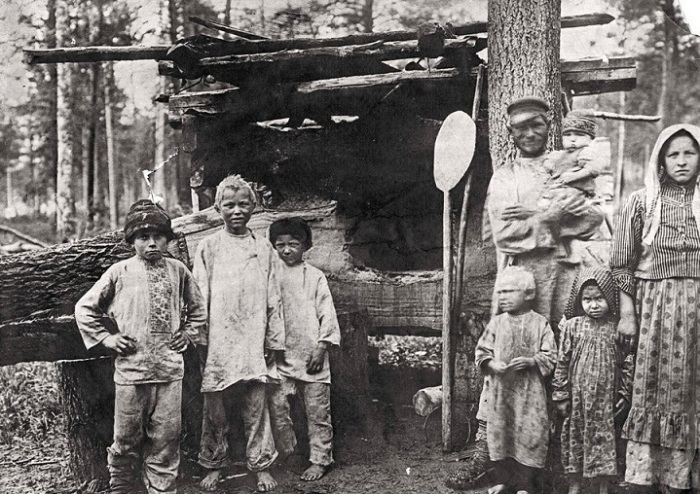
Почем крепостные на Руси ?
Стоимость зависит от возраста,пола и навыков.
В середине 18 века за крестьянина просили около 30 рублей,к 1880 г. уже до 100 «целковых». Хотя где-нибудь в далёкой губернии обычную девушку можно было купить всего за 5 р,а годовалого ребёнка и вовсе
One thing about the CIA I remember reading was that if they tried to infiltrate Eastern Europe/ the Soviet Union, the average life expectancy for an agent was 24 hours.
The KGB were no joke