Supplements that every strength trainer needs: Doctor explains which ones you should take and avoid
Find out which supplements can boost your strength and performance, and which ones to avoid for your health. This information comes from expert Dr Sudhir Kumar.
Read this informative article published in @htTweets which has cited one of previous posts
https://t.co/RC134Gj0lw
Aging, Running & the Brain- A Neurologist’s Note
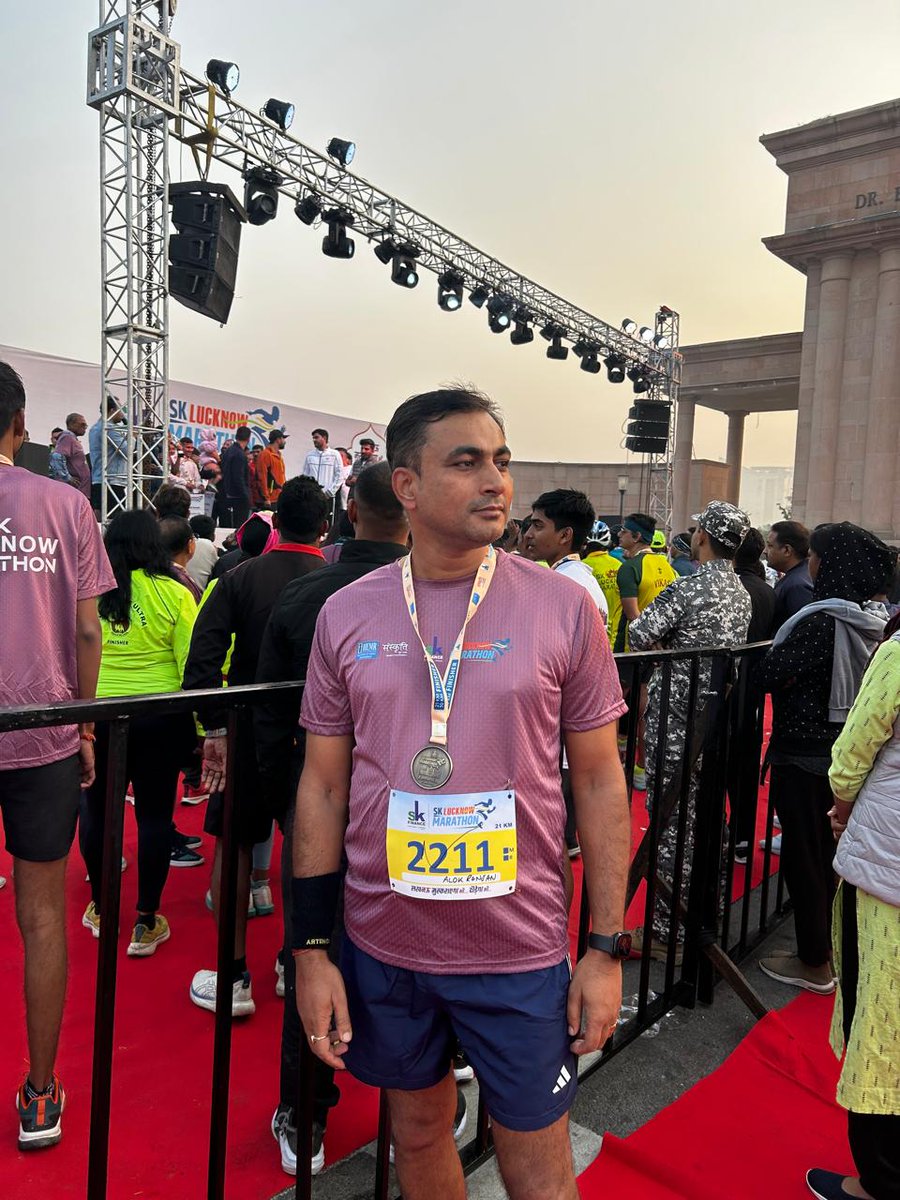
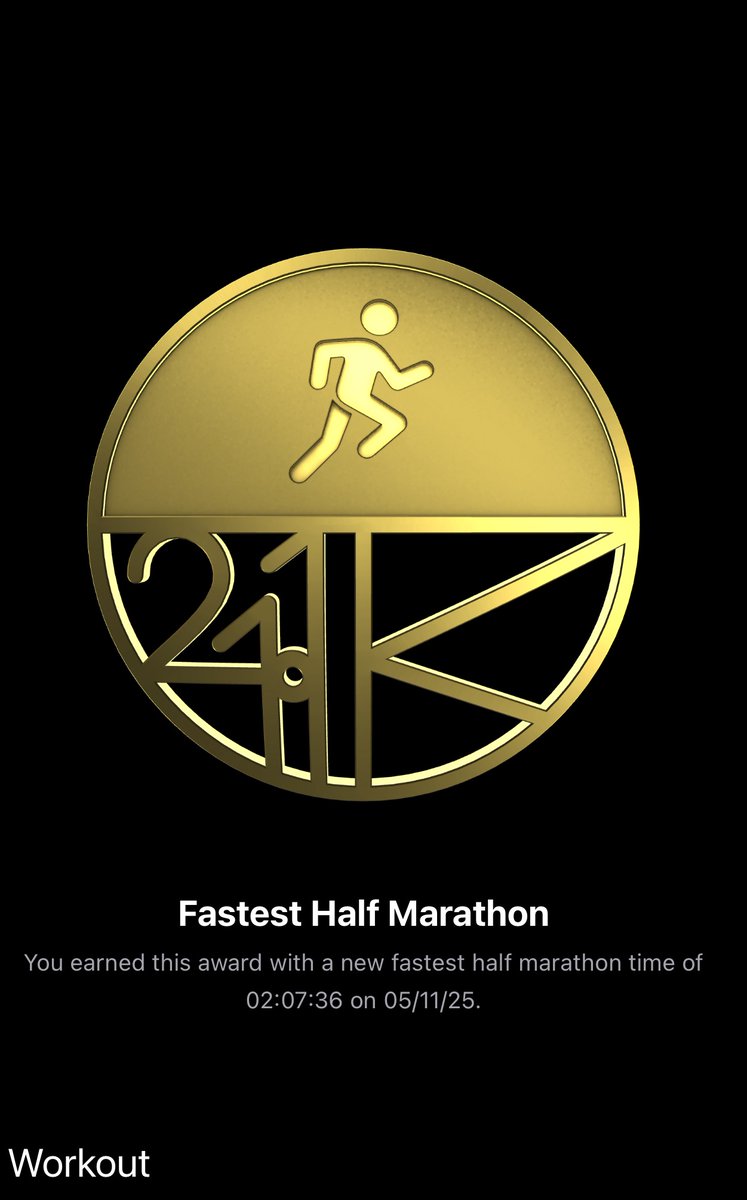
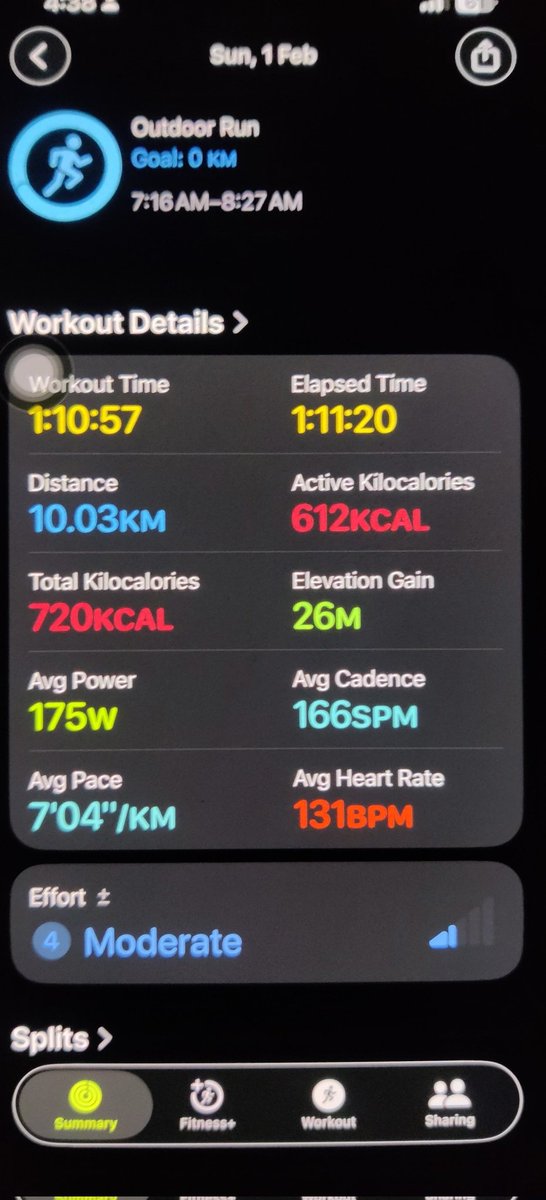
I’m 54. I just ran 21.1 km. As a neurologist, I didn’t do this for speed or calories. I did it for my brain.
Most people think running is about the heart or weight loss.
But the brain may be the biggest winner.
Regular aerobic exercise increases BDNF, often called the brain’s fertilizer.
It supports memory, learning, and protects against age-related cognitive decline.
✅Long-term runners consistently show better executive function, healthier hippocampal volume, and a lower risk of dementia compared with sedentary peers.
And no, you don’t need to run a half marathon.
Even 30–40 minutes of brisk walking on most days delivers measurable brain benefits.
Aging is inevitable. Cognitive decline is not.
Move your body to protect your mind.
Dr Sudhir Kumar
@hyderabaddoctor
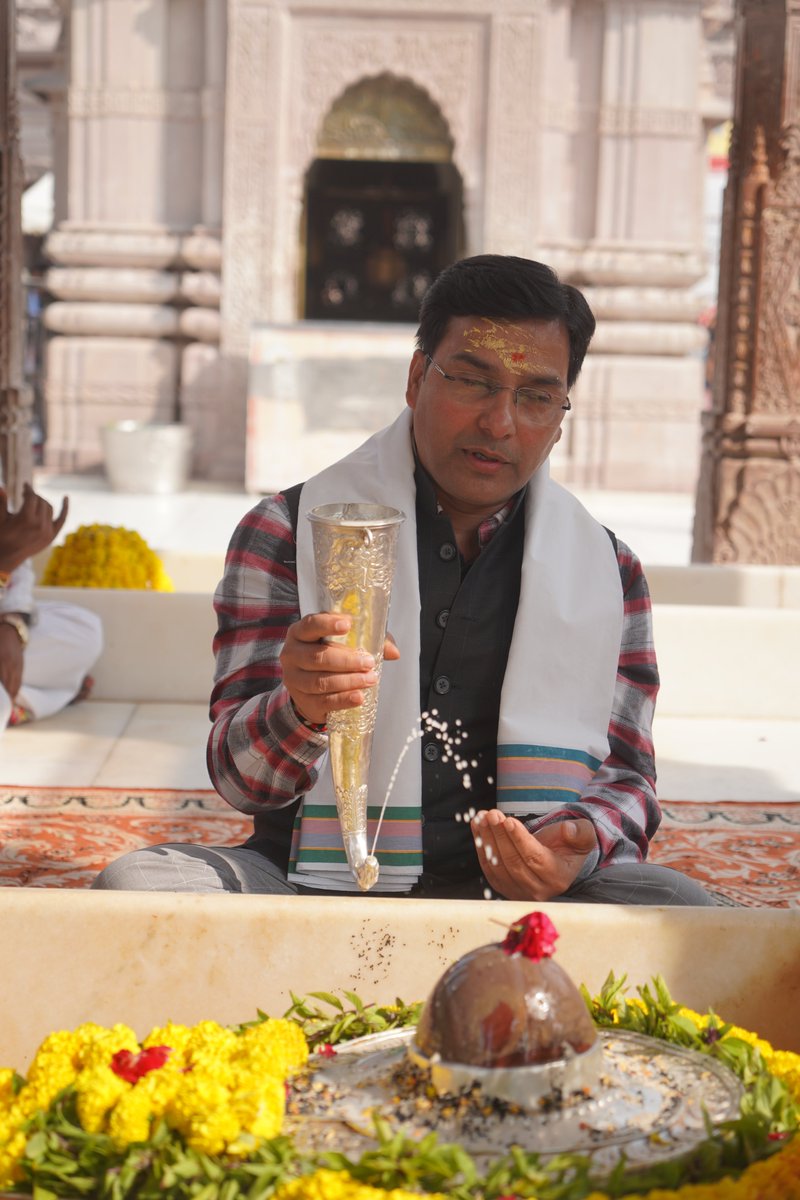
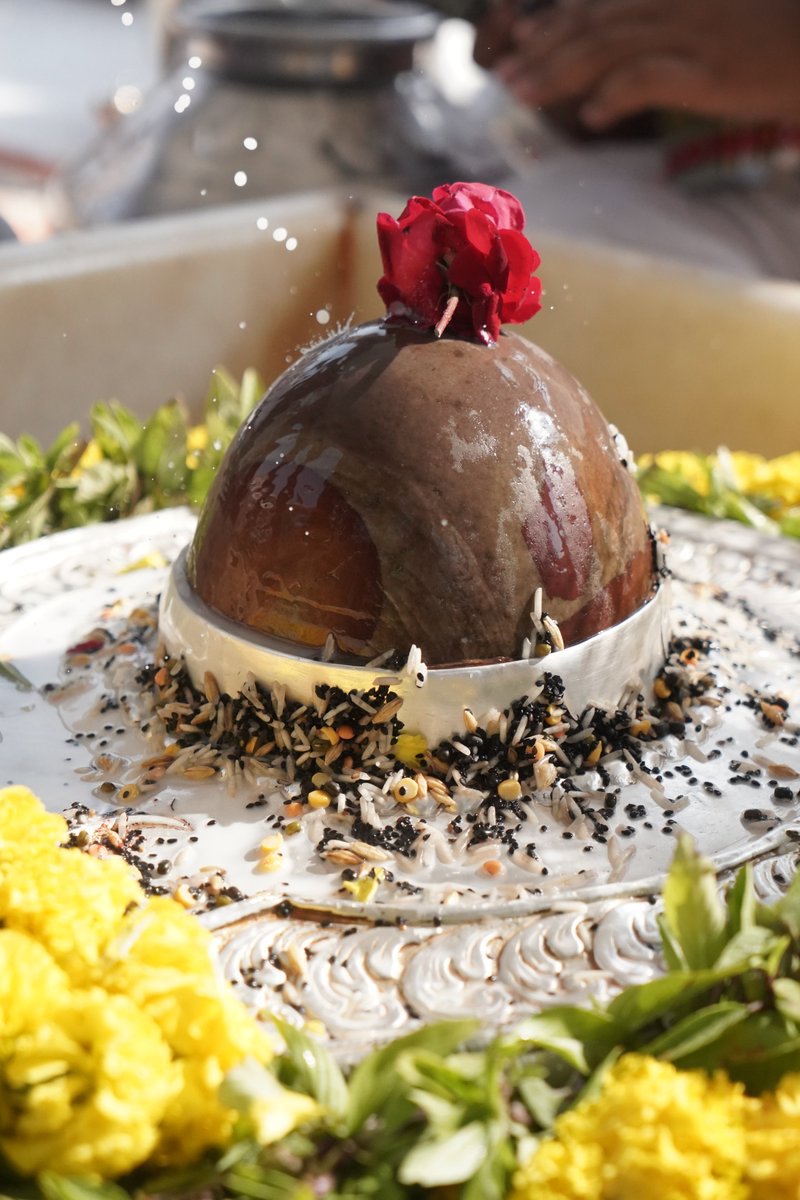
श्री काशी विश्वनाथ धाम में संकल्प पाठ संग किया गया सोमवासरीय रूद्राभिषेक , श्री काशी विश्वनाथ मंदिर न्यास द्वारा संकल्पित प्रत्येक सोमवार को रुद्राभिषेक एवं संकल्प पाठ का अटूट क्रम नि���ंतर जारी है। आज दिनांक 1.12.2025, को श्री काशी विश्वनाथ मंदिर न्यास का प्रतिनिधित्व करते हुए मंदिर के डिप्टी कलेक्टर ने धाम स्थित श्री अविमुक्तेश्वर महादेव का रुद्राभिषेक संकल्पित विशिष्ट उद्देश्य के संकल्प पाठ सहित किया।
।।श्री काशीविश्वनाथो विजयतेतराम।।
#banaras #Kashi #HarHarMahadev
A Visit After Twenty Years: A Story of Resilience and Medical Miracle
It was more than two decades ago when a 10-year-old girl was carried into our hospital in Hyderabad by her anxious parents. She was fighting a severe neurological illness (viral encephalitis with refractory status epilepticus) that had nearly claimed her life. The child’s mother clutched her prayer beads tightly, whispering silent mantras, while her father stood pale and speechless, his eyes filled with helplessness.
The next few days were critical. She needed intensive care: IV medicines, ventilator support, endless monitoring. Every time I walked into the ICU, I could feel the weight of the family’s fear. Her mother would fold her hands to me and ask, “Doctor saab, will my daughter live to go back to school?” Those words still echo in my memory.
But slowly, the tide turned. The fever broke. Her small hands began to move. And one day, her eyes opened. The smile that followed was weak, but it felt like the rising sun after a long stormy night. She was discharged weeks later, frail and in a wheelchair. Her parents thanked me with tears in their eyes, but I could still see the unspoken worry: What kind of life will she have?
Life, as it often does, moved on. I treated many more patients, and though I occasionally wondered about her, the years swept her memory into the background.
Until one afternoon, nearly twenty years later.
A young woman walked into my OPD. Dressed smartly in office wear, she carried herself with grace and confidence. She smiled warmly and asked, “Doctor, do you remember me?”
I searched her face, and then recognition struck. She was the same little girl; the one who had lain in our ICU bed fighting for her life.
Her voice trembled as she continued: “I was that child you treated. My parents were told I might not survive. But today, because of you and your team, I am alive. I completed my studies, became a software engineer, and now I support my family. I wanted to come back after all these years to say thank you.”
She placed a small box on my desk. Inside was a simple fountain pen. “Doctor,” she said with a smile, “please use this to write hope into many more lives.”
For a moment, my eyes blurred with tears. Doctors rarely get to see the long-term stories of their patients. That day, I did.
Message for Doctors and Society
Every life saved in a hospital is not just a medical success; it is a family’s hope restored, a child’s future protected, and society’s dreams kept alive. Modern medicine, combined with compassion, can transform despair into destiny.
Patients may forget the pain of their illness, but they never forget the kindness of their doctors.
(Note: Based on a true incident. Image is for representation purposes only)
Last evening, a critically ill patient arrived at my clinic, transferred from a remote hospital from Hosmar town in Karkala Taluk. He was in an almost collapsed state, without a measurable pulse or blood pressure. Recognizing the urgency, I immediately arranged for his transfer by ambulance to the nearby hospital, where I performed an emergency angioplasty.
The patient was unconscious at the time, placed under anesthesia, and required multiple shocks to stabilize his erratic, life-threatening rhythm. Given his condition, I did not expect him to have any awareness of his surroundings.
However, this morning, when I visited him in the ICU, he was awake. To my surprise, he recognized me, gesturing with folded hands, expressing silent gratitude – as though he had been fully aware throughout the ordeal. Remarkably, he also recognized the medical team members who had been involved in his care, greeting each with the same gesture of reverence.
This encounter serves as a humbling reminder that even in states of altered consciousness, patients may still perceive their surroundings, transcending the boundaries of conventional medical understanding.
It is a profound testament to the sacred bond between a doctor and a patient – a connection that defies logic yet remains deeply human.
She dares, she dreams, she conquers! This International Women’s Day, celebrate those who turn aspirations into achievements. With Canara Aspire, we empower every woman to chase her dreams and shape her future.
#CanaraBank#InternationalWomensDay