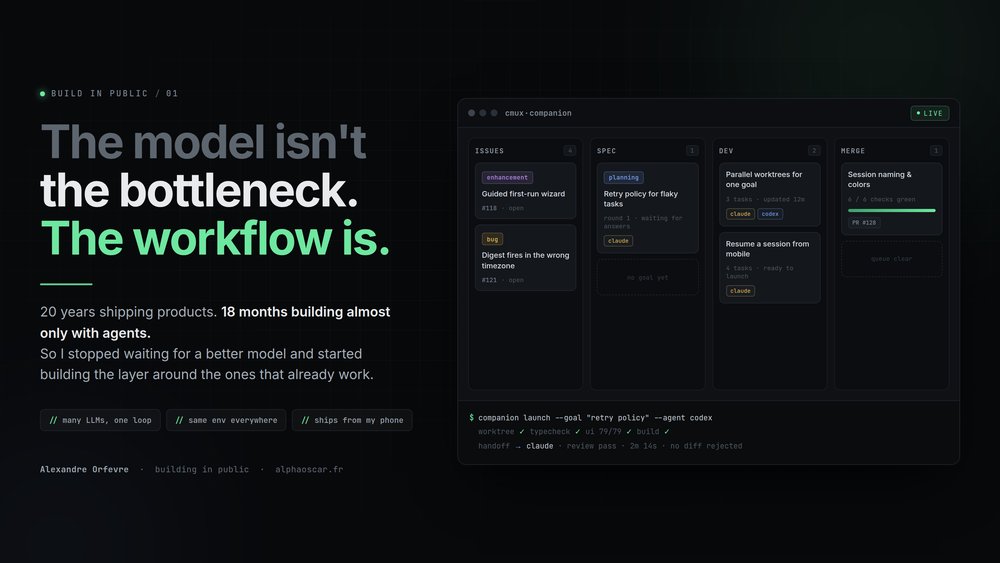
20 years building products. IT engineer by training.
For the last 18 months, I've been building almost exclusively with AI agents.
The models aren't the bottleneck anymore.
My workflow is.
Here's what broke — and what I'm building to fix it 🧵
Private credit led tokenized asset growth in CoinDesk Research's October report, up 7.15% in a month to $5.62B. Stablecoins grew 1.29%.
Onchain capital is starting to lend to real borrowers.
Read more: https://t.co/7dn0mhqyur
51 of 79 public companies with a disclosed BTC cost basis now hold it below cost (MSB Intel, Oct 26).
For these treasuries, a sale realizes the loss.
Pledge in Place is the alternative:
• BTC is pledged, not sold
• It stays with a qualified custodian
• Capital raised against it is deployed into verified private credit
A note on my $1M ARR journey: I'll keep revenue, search traffic and development progress separate in the updates.
Each tells a different part of the story.
When I share a number, I'll include the period and what it measures, so you can follow the progress with me.
5/5 I'm also working on lead generation, including the software behind a lead marketplace.
That involves collecting leads from different sources and building the tools and partner portal to manage them. Another part of the business-building journey I'll share here.
1/5 A quick tour of four projects I'm working on as I build toward my $1M ARR goal.
French learning, public information, training and lead generation. Here's what each one is about.
4/5 Tempo: a training app for sports including CrossFit, running and strength.
It brings together programs, sessions and progress tracking. I'll share the product decisions behind making a training plan usable day to day.
5/5 I'll share the journey toward $1M ARR: the projects, internal tools, experiments and results.
Including what works, what doesn't, and what I change along the way.
More about me and my work: https://t.co/CT99ctvPNy
1/5 I'm Alex. I've been in IT for 20 years, and I'm building my journey as a solopreneur.
My goal: $1M in annual recurring revenue.
I'll be sharing the work behind that goal here. First, a little context.
4/5 The projects themselves span French learning, public information, training and lead generation.
Alongside the development, there's content, distribution and understanding how people find the sites. I'll introduce the projects properly in the next thread.
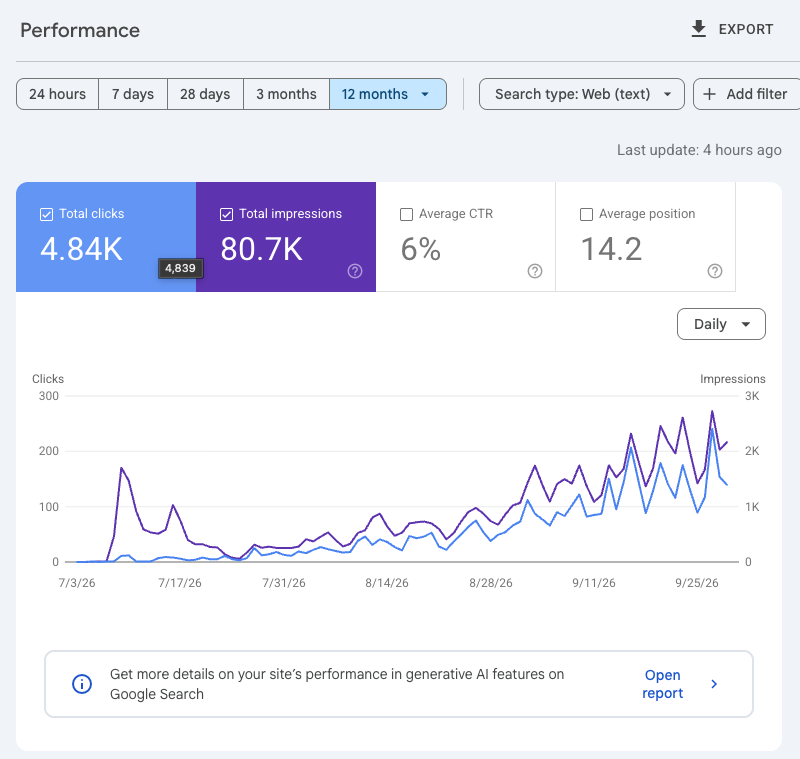
@SearchForRyan On my side, I have been testing different strategies in term of SEO/GEO in the last 12months.
This one has just 3months (launched early July) and is starting to pick up and rank in google / llms.
you need to understand the intent and frame it & source it to get those traffic!
I’m iterating on my multi-agent workflow, and token allocation is becoming an engineering constraint.
So I added usage visibility into the companion: weekly quota, short-window quota, reset timing + account capacity.
Goal: know how hard I can push agents without wasting tokens.
Good specs matter. Being able to challenge them before approving them matters even more.
I’m still iterating on how to make agent plans human-readable: scope, assumptions, risks, success criteria + delivery plan.
Not perfect yet, but this is where I’m at 👇
git worktree prune isn’t enough.
Some worktrees are:
merged → delete
active → keep
temporary → no PR ever created
So I’m building custom lifecycle tracking to know exactly when a worktree is safe to remove.
The problems change when you start operating agents at scale.
230+ worktrees created in 2 days across just 3 projects.
That’s what a consistent agentic development methodology looks like at scale.
Creating them is easy.
Now I need to garbage collect them intelligently. 😅
I'll build it in public here.
What works.
What I throw away.
What actually saves time.
And what the numbers look like once the hype is removed.
If you're juggling several products with coding agents:
where does your setup break?
I'll probably hit the same wall next week.
20 years building products. IT engineer by training.
For the last 18 months, I've been building almost exclusively with AI agents.
The models aren't the bottleneck anymore.
My workflow is.
Here's what broke — and what I'm building to fix it 🧵
The goal isn't “AI writes more code.”
It's to remove everything around the agent that still requires me to babysit the process:
context
routing
environment
parallel work
project switching
remote access
workflow consistency