Thank you @JoylandPub for nominating “Girls’ Church” for the Pushcart Prize.
Absolutely grateful especially to @evgeniyadame and @michellelynking for giving this story a home…thank you ❤️
Artificial intelligences do not undergo experiences, do not possess a body, do not feel joy or pain, do not mature through relationships, and do not know from within what love, work, friendship or responsibility mean. Nor do they have a moral conscience, since they do not judge good and evil, grasp the ultimate meaning of situations, or bear responsibility for consequences. They may imitate or even simulate, but they do not understand what they produce, for they lack the affective, relational, and spiritual perspective through which human beings grow in wisdom. #MagnificaHumanitas
The best way to tell a love story is to imagine the characters as human, therefore imperfect.
Read about Rami and Ehiba in "Magenta" here ☺️ : https://t.co/Kj17tar1Tr
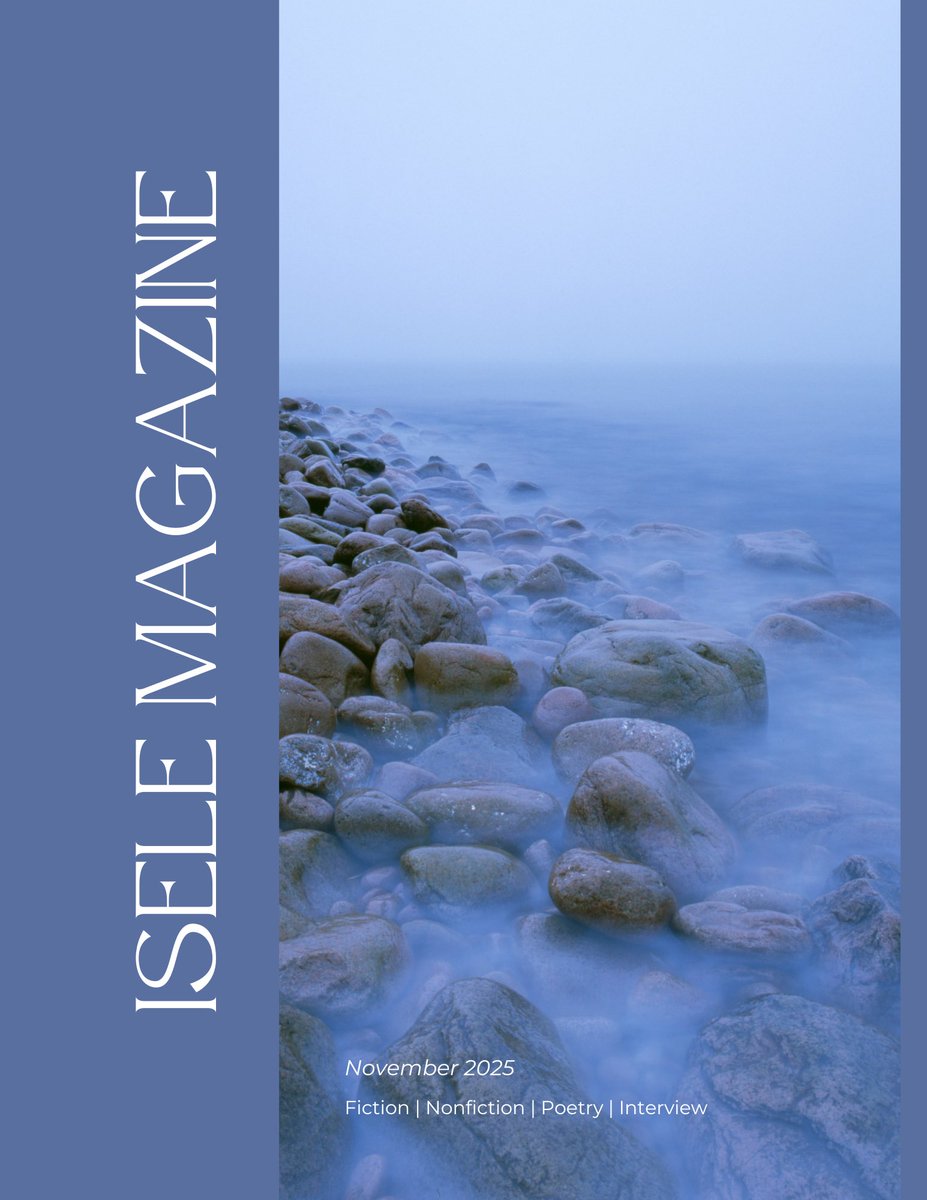
Today, we publish our special issue of the year!
Featuring the Best of Caine award winner and two-time Booker Prize-shortlisted author NoViolet Bulawayo, IfeOluwa Nihinlola, Lucia Edafioka, Tolu Daniel, Frances Ogamba, and more.
Read here:
https://t.co/SQAKRamHjp
Modern Nigerian art owes much to Afi Ekong, one of the first Nigerian women to gain prominence as a professional artist, dedicating her career to preserving and elevating African culture.
Educated at the Oxford College of Arts and Technology, St Martin's School of Art and the Central School of Art and Design in England, she brought intellectual depth to her work, drawing inspiration from African traditions, classical music, and philosophical thought.
Her paintings were more than visual expressions; they served as a means of documenting African spirituality and history before colonial influences. She sought to restore the dignity of African religious symbols and challenge the Eurocentric dismissal of indigenous practices.
In an era when few women occupied public artistic spaces, she carved a place for herself and others, ensuring that Nigerian art reflected its true heritage.