THE AMERICAN COMPUTE PROJECT:
Artificial intelligence has been the most important technological story of the 20’s.
If it realizes its potential, it will define the rest of the century and all the centuries to come.
But its success isn’t something we can take for granted. 🧵
New piece by @realmfoster about China’s methods of exerting influence on American infrastructure politics and the threat they pose to the data center buildout.
https://t.co/u1Rg8V8FWT
The AmCompute newsletter, Computing Infrastructure, just released a new piece:
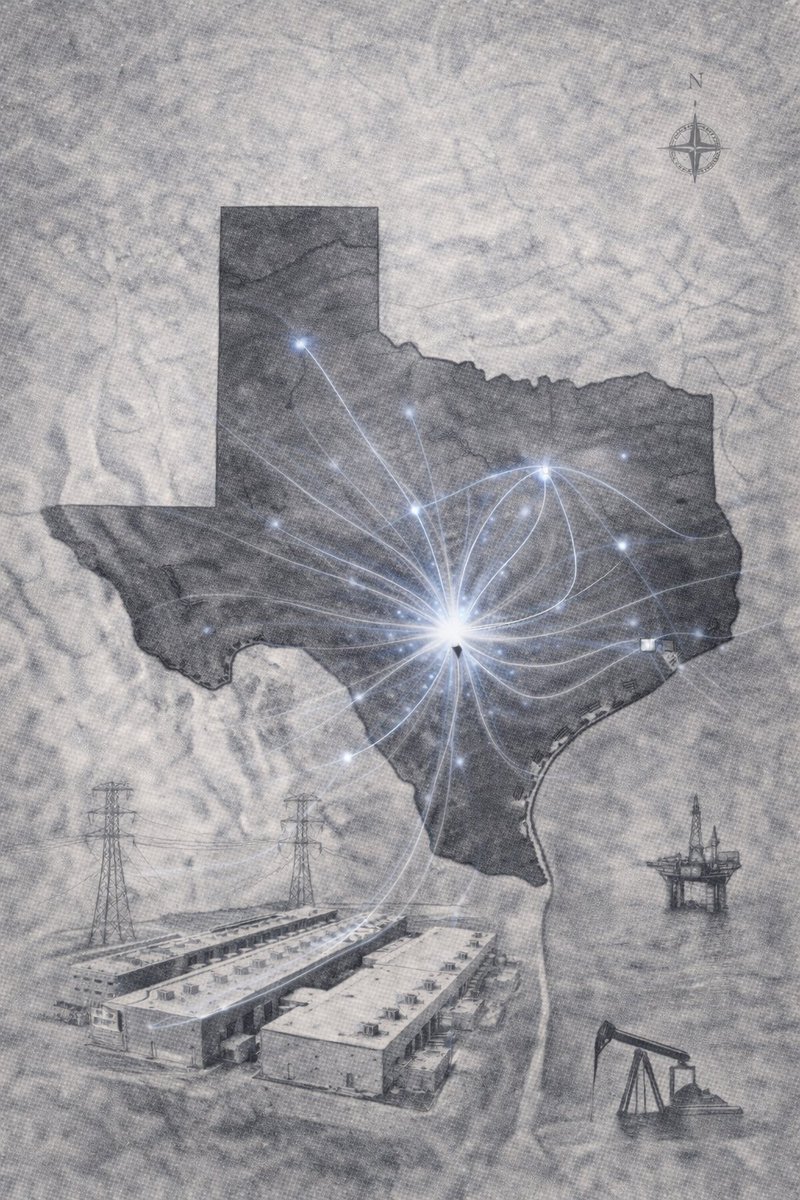
Which States Will Win the AI Race?
We consider the examples of Virginia, Texas, and Mississippi to determine which policies will lend themselves to dominance in the AI Era.
Announcing the official American Compute Project newsletter:
Computing Infrastructure
We just published the introductory essay: Toward a New Developmentalist Politics by @realmfoster
The job-loss narratives around AI are reductive and in the case of construction, telecommunications, and energy workers, completely backwards.
@realmfoster explains why American workers will be a pillar of the coming developmentalist coalition.
https://t.co/5jK60DQkGW
Meanwhile states like Texas and Mississippi welcome computing infrastructure with open arms, future-proofing their economies and enriching their workers.
A time for choosing…
“The idea that we wouldn’t have an all-of-the-above approach to energy…. saying we’re gonna forget about it and put it in some box somewhere and hope it doesn’t happen, is literally just ceding the race.”
- Rep. Gottheimer on a data center moratorium https://t.co/H9hCuBfWqf
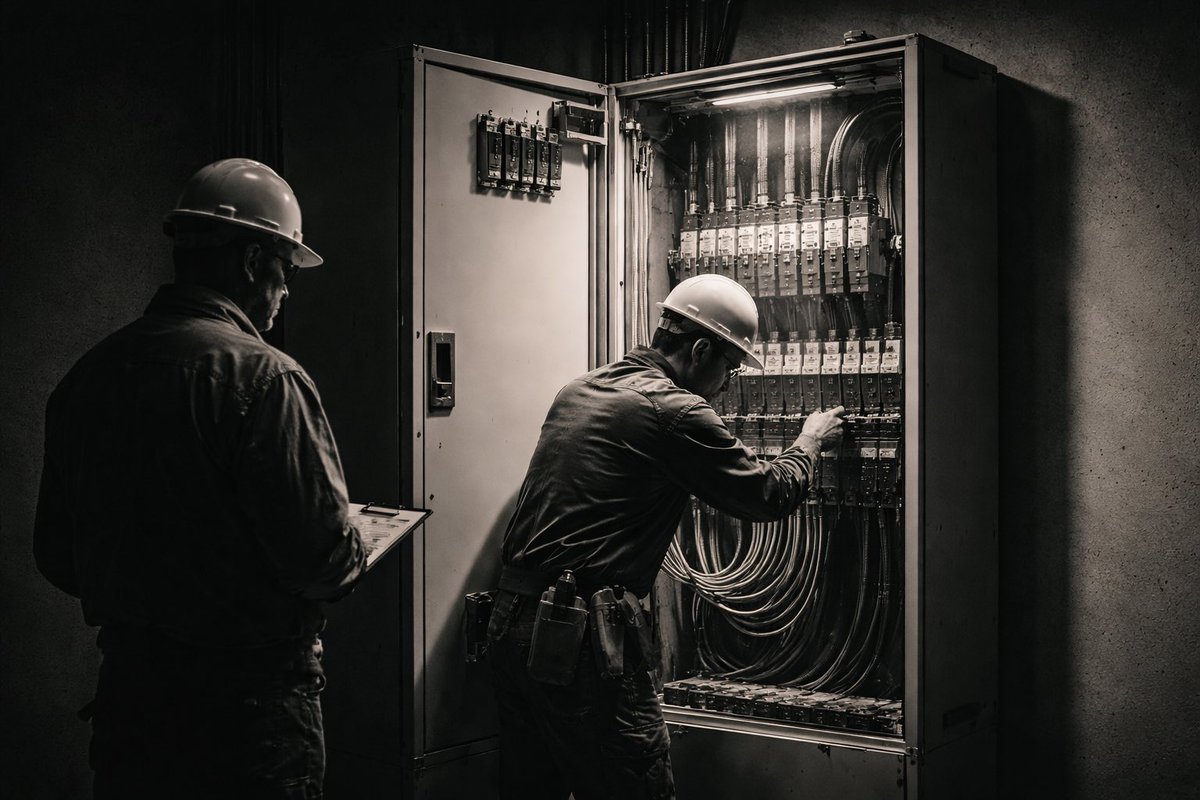
45% - 70% of data center construction budgets go toward electrical services, allowing electricians to cash in on the AI boom.
The International Brotherhood of Electrical Workers announced in May 2025 that some of its locals need four times their current membership to meet the demands of individual data center projects.
“Whether we like it or not, we are in a new cold war with our adversaries over AI, and crippling this fledging industry would make Americans less safe.”
Workers in multiple construction trades earn more in data center hotspots, according to payroll data from Gusto:
- Plumbers, Pipefitters, and Steamfitters (20.1%)
- Construction Managers (7.3%)
- HVAC Mechanics and Installers (4.3%)
- Drywall and Ceiling Tile Installers (1.4%)
White House Science Advisor Michael Kratsios highlights the administration’s actions to ensure computing infrastructure providers bear the cost of growing electrical usage, not consumers.
Texas counties have limited zoning authority, and county-level regulations that conflict with state laws are generally void.
This regulatory consistency insulates Texas projects from local obstructionism while the patchwork approach of other states makes their climates more fraught.
Local approval processes often lead to a default-no orientation and the legal and regulatory targeting of particular projects.
State-level frameworks, such as in Texas, can produce a predictable, pro-growth environment.
Consider Brazoria County: 🧵
County judge Matt Sebesta is reported to have said:
“We cannot stop this project. We do not have the tools. We can only do what the legislature allows us to do. They do not give us the power to stop this project."
So what is Texas doing differently than other states?
Data centers, more than any other type of industrial enterprise, lend themselves to unique and aesthetically pleasing designs.
No waste products and fewer logistical needs than most industries.
Consequently, they can either blend in with the environment or become wonders.
Trammel Crow built a version of the Chrystal Palace back in the 1980s in Dallas.
Today it's a huge data center and has THREE of it's own dedicated electrical substations.
Honestly, this would be a cool model for building new data centers and earning the trust of the public.
Northern Virginia Community College has launched new programs to prepare students for careers in data centers.
The school’s Data Center Operations (DCO) programs include associate degree and certificate paths and allow students to enter the school’s pipeline to employers in the area.
Jobs associated with DCO programs include Electro-Mechanical and Mechatronics Technologists and Technicians ($90k a year) and Mechanical Engineering Technologists and Technicians ($87k a year).