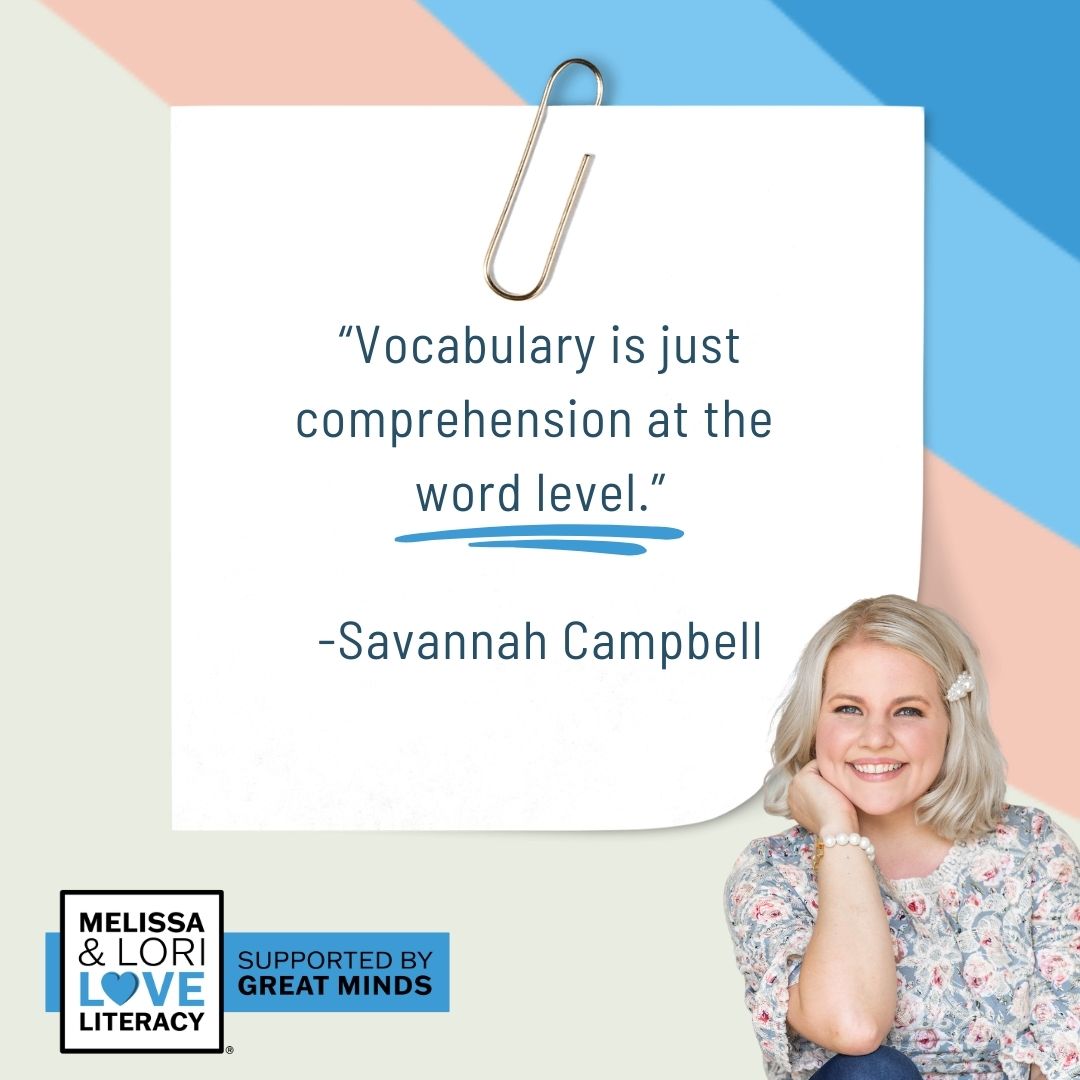
Comprehension starts at the word level. 🚀 When students struggle with a text, it’s often the vocabulary. Strong vocabulary = stronger comprehension.
Listen 🎙️ https://t.co/Avsi5Vnpq2
Printable 📝 https://t.co/QjpNptoeUp
“Fifteen years. Thirteen million students. Not a single high-quality, independent study showing i-Ready improves learning.”
And in Georgia? We kept it on the approved list…because it’s widely used.
That’s not evidence-based leadership.
That’s lowering the bar for kids.
We should demand better.
@georgiadeptofed@GwinnettSchools@DDGA13
https://t.co/cPEqmvRWkC
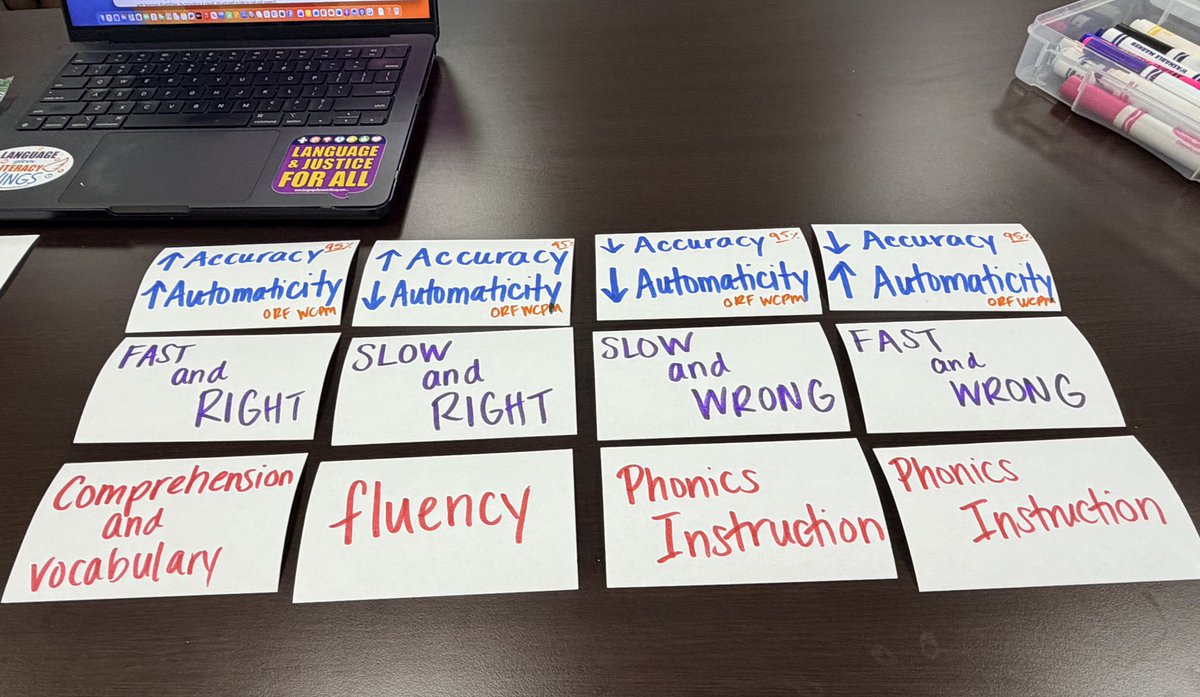
This fluency progression came up in our latest podcast episode with Kerry Cusick and Erin Sharon.
📄 Want this fluency progression? https://t.co/DaHF9i4vPf
🎧 Want the podcast episode? https://t.co/zsmSJ0IooR
Everyone teaching phonemic awareness READ THIS ‼️This blog skilfully explores the research as to why phonemic awareness should focused on blending and segmenting of individual sounds [rather than lots of time on rhyme, syllables]. ⏰Get up to date! https://t.co/tYbjFgCXp0
@MelK_Ed Agree! I love Lexia Reading for personalized learning, but it does not replace explicit instruction to address deficits provided by interventionists. S’s need immediate, authentic corrective feedback in real-time.
This is a lengthy, but worthwhile read. It challenged me, yet confirmed my belief that upper grade students benefit from reading high volumes of novels from a variety of genres.
New from me:
Books are going missing from school curriculum, and the issue is worse than you imagine.
The culprits might surprise you, too.
Link follows.










![NathanielRSwain's tweet photo. Everyone teaching phonemic awareness READ THIS ‼️This blog skilfully explores the research as to why phonemic awareness should focused on blending and segmenting of individual sounds [rather than lots of time on rhyme, syllables]. ⏰Get up to date! https://t.co/tYbjFgCXp0 https://t.co/5cRt0fXG1z](https://pbs.twimg.com/media/HDkBPIRXoAIE2P9.jpg)