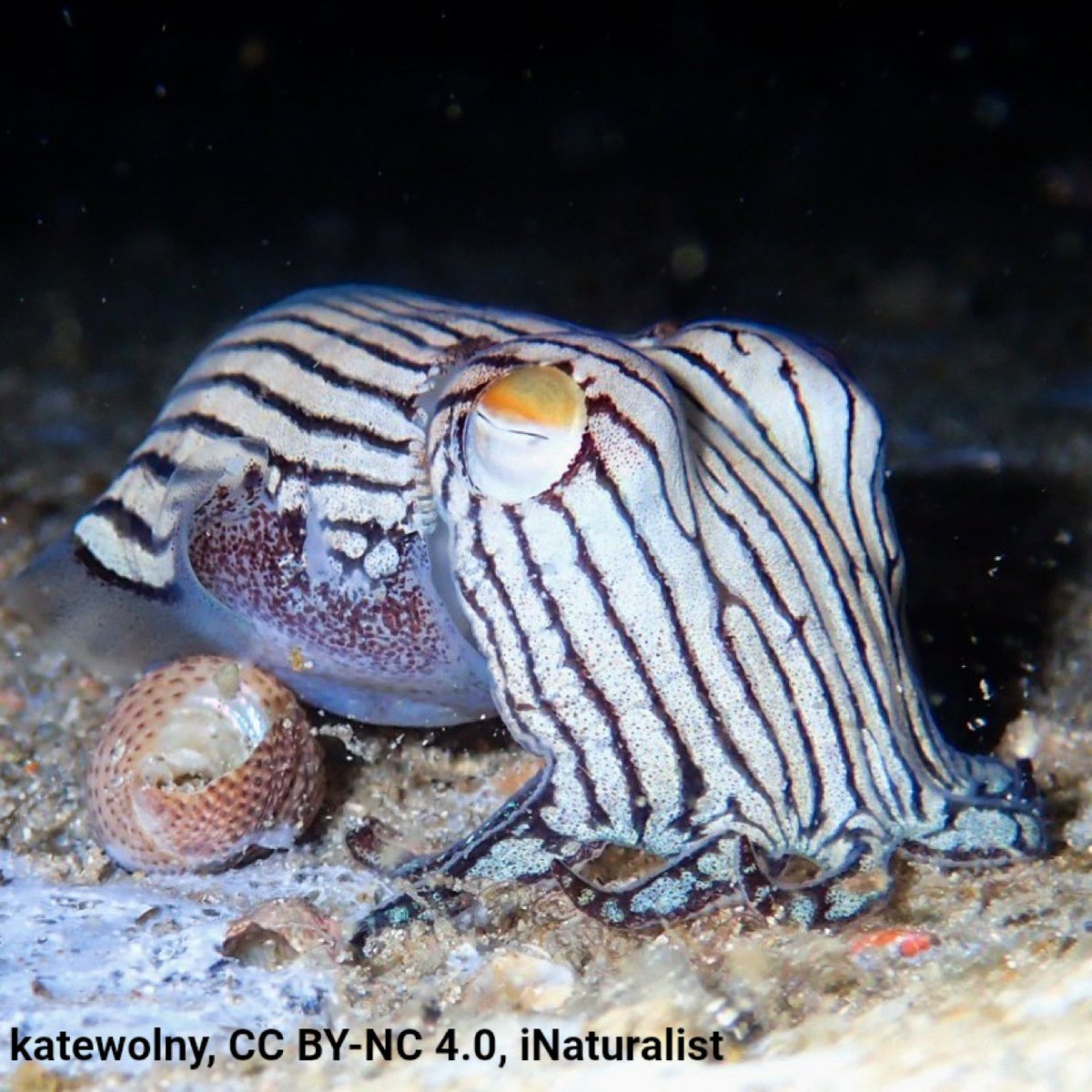
If Tim Burton had a favorite cephalopod, it might be this one. Meet the striped pyjama squid! One of the few known poisonous cephalopods, this critter can change color & secrete slime to intimidate foes. It spends its days nestled beneath the sand, hunting for prey by night.
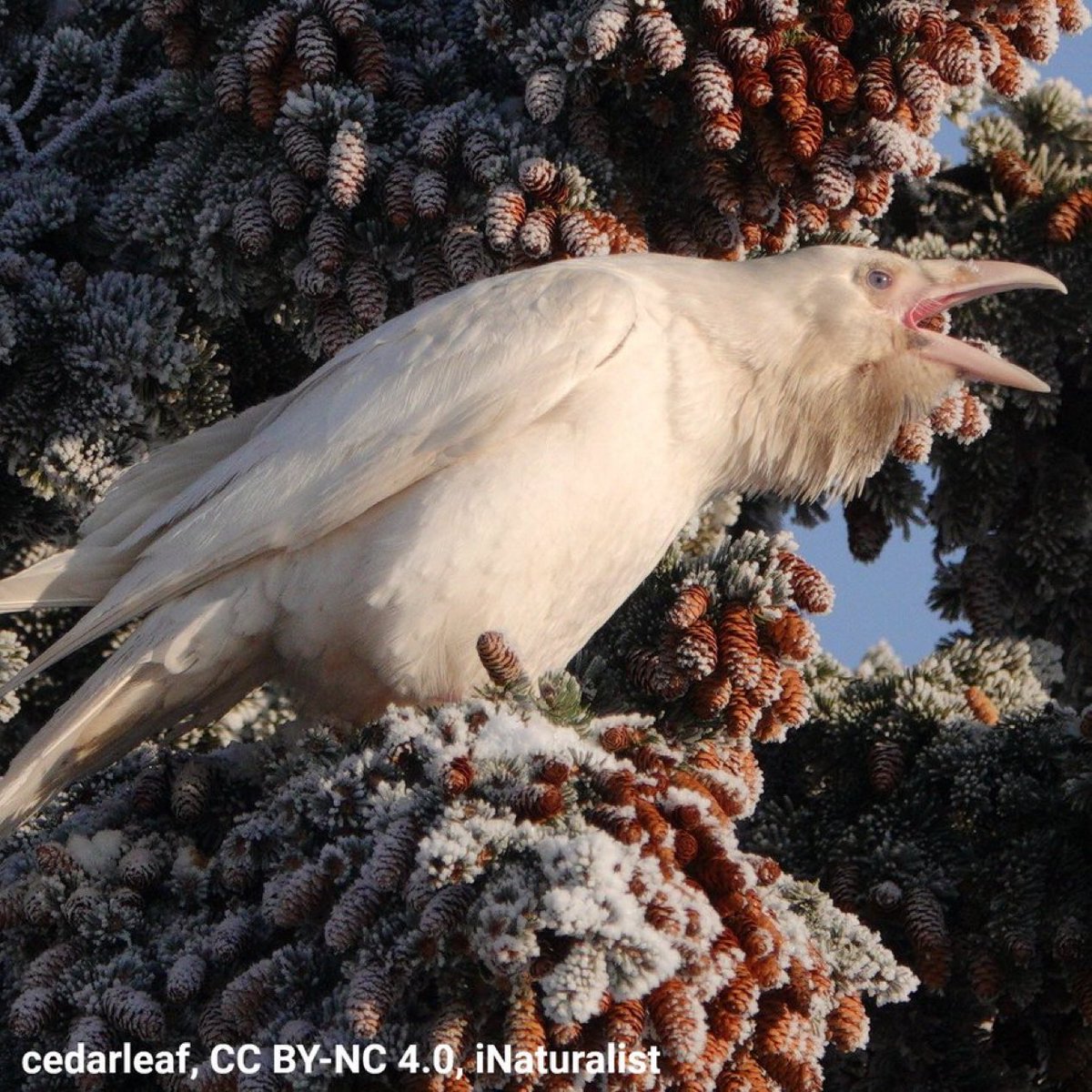
Ever seen a white Raven? No, this isn’t a new species or a ghost: This Raven’s striking pale plumage is the result of the genetic mutations leucism or albinism. White Ravens are rare. An estimated 1 in 30,000 individuals is born without this species’ signature black plumage.
Behold the striking colors of the blue-spotted stingray! Its bright spots are a warning to onlookers that it's venomous—& if its colors aren’t enough to ward off foes, it’s equipped w/ a tail that can inject a lethal dose of toxins.
What’s one of the world’s spookiest fungi? The dead man’s fingers. Its “fingers” are its fruiting body, and they can grow up to 4 in (10 cm) tall! You might spot it in forests growing on decaying or dead wood in parts of North America and Europe.🧟
Meet the long-tailed semi-slug. Unlike the shells of snails, semi-slugs’ shells are too small for the animals to retract their bodies into. This critter can often be spotted wrapping its tail—which measures three times the length of its body—around itself like a cat.
🦕🦖👣 Step into this archival image from 1961, featuring the Glen Rose Trackway in the Museum’s Hall of Early Dinosaurs. The smaller prints of these 107-million-year-old fossilized dino tracks were made by a theropod. The larger ones were probably left by a sauropod.
Crikey! Meet Irwin’s snapping turtle. The late Steve Irwin, and his father Bob, spotted this rare reptile in the early 1990s & contacted herpetologist John Cann. He was the first to describe this species—and he named it after the Irwins! It can be found in Queensland, Australia.
Trilobite lovers, meet the blue green chiton! Though it resembles some trilobites, this critter is actually a mollusk that inhabits waters around Australia & New Zealand. Growing about 1.4 in (3.5 cm) long, this nocturnal critter can roll into a ball when threatened or disturbed.
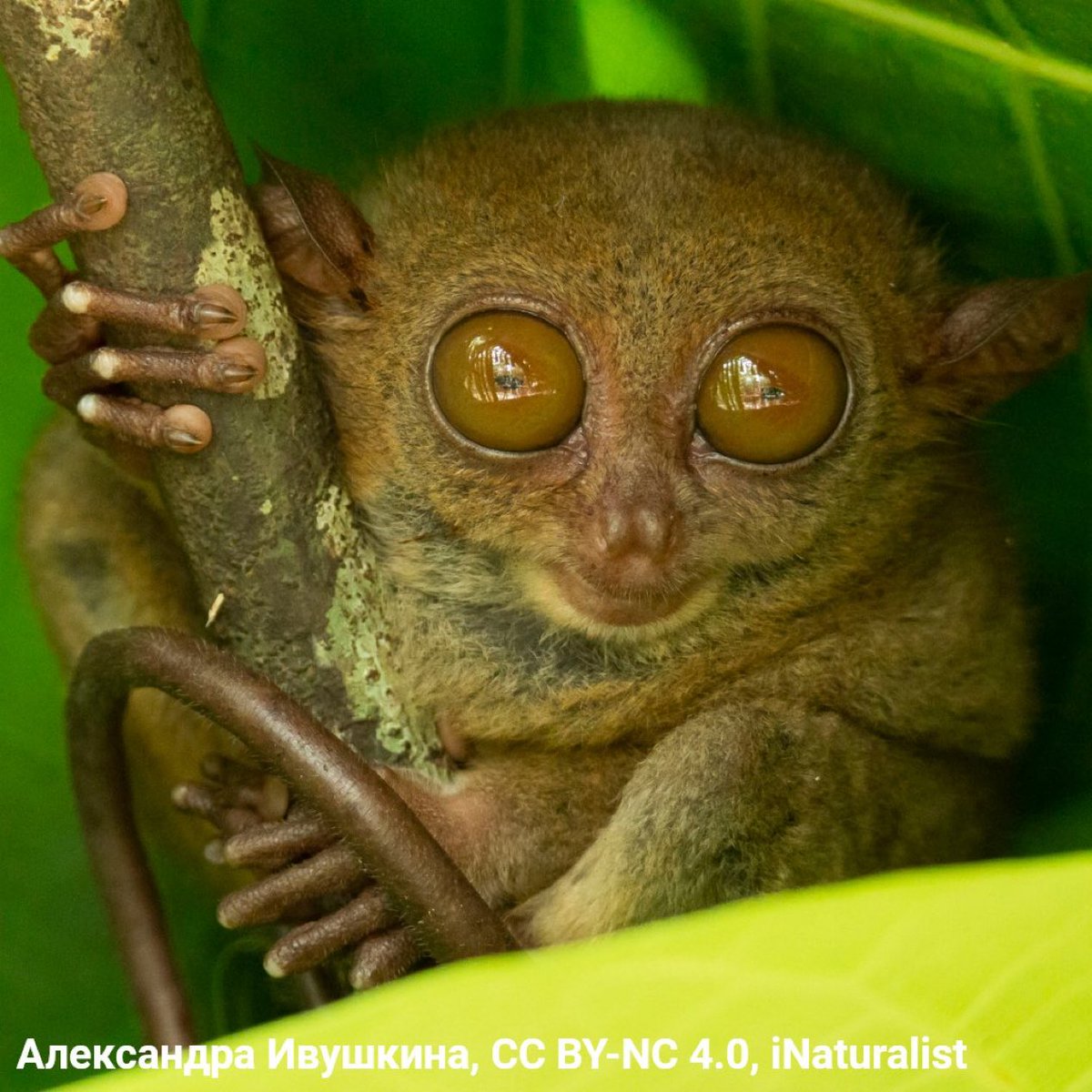
The Philippine tarsier is one of the world’s smallest primates, measuring ~5 in (13 cm) long & weighing ~5 oz (142 g)—roughly as large as a baseball. It uses its large eyes (each of which is about the size of its brain) to hunt insects at twilight.
It’s Fossil Friday! Unlike its three-horned cousin Triceratops, Styracosaurus had a singular nasal horn & huge spikes on its frill. It may have used its headgear to defend against predators, attract mates, or compete with rivals.
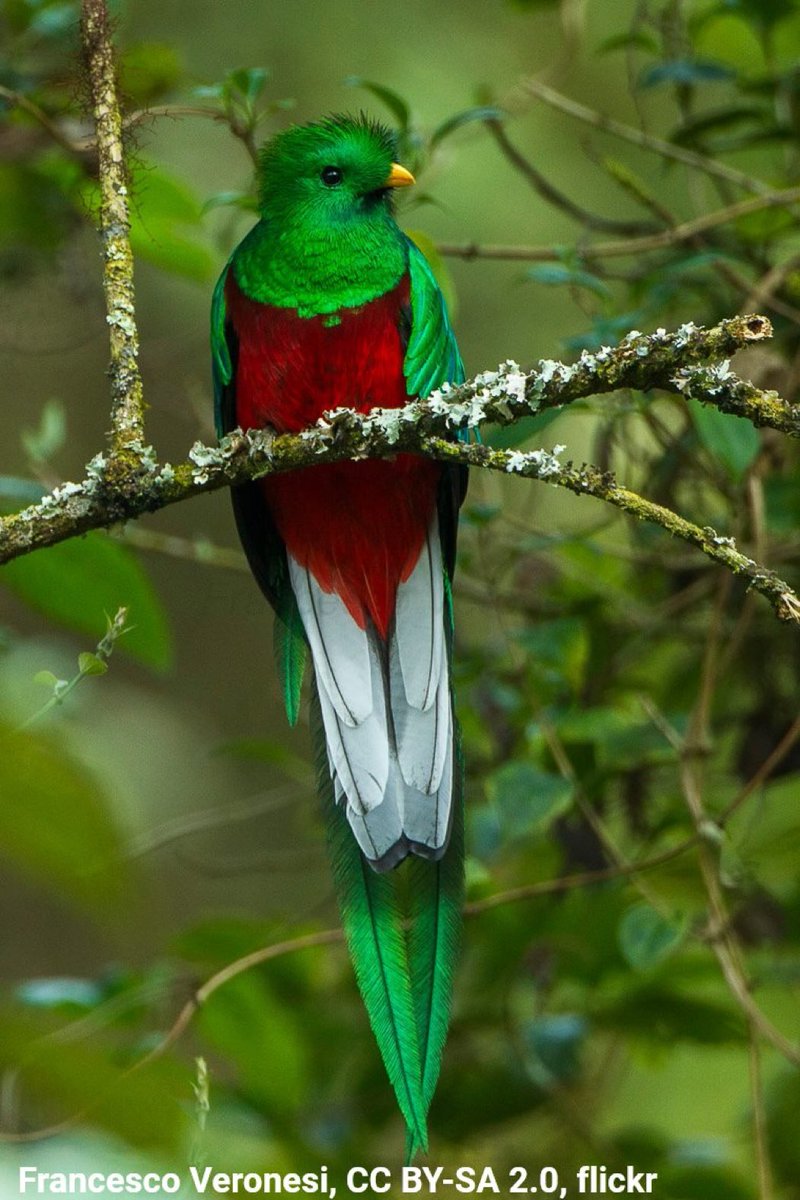
The Resplendent Quetzal inhabits the cloud forests of Central America at elevations of up to 10,00 ft (3,048 m). Males showcase brilliant iridescent green plumage that contrasts with a vibrant shock of red on their bellies, and their tail feathers can grow ~3 ft (0.9 m) long!
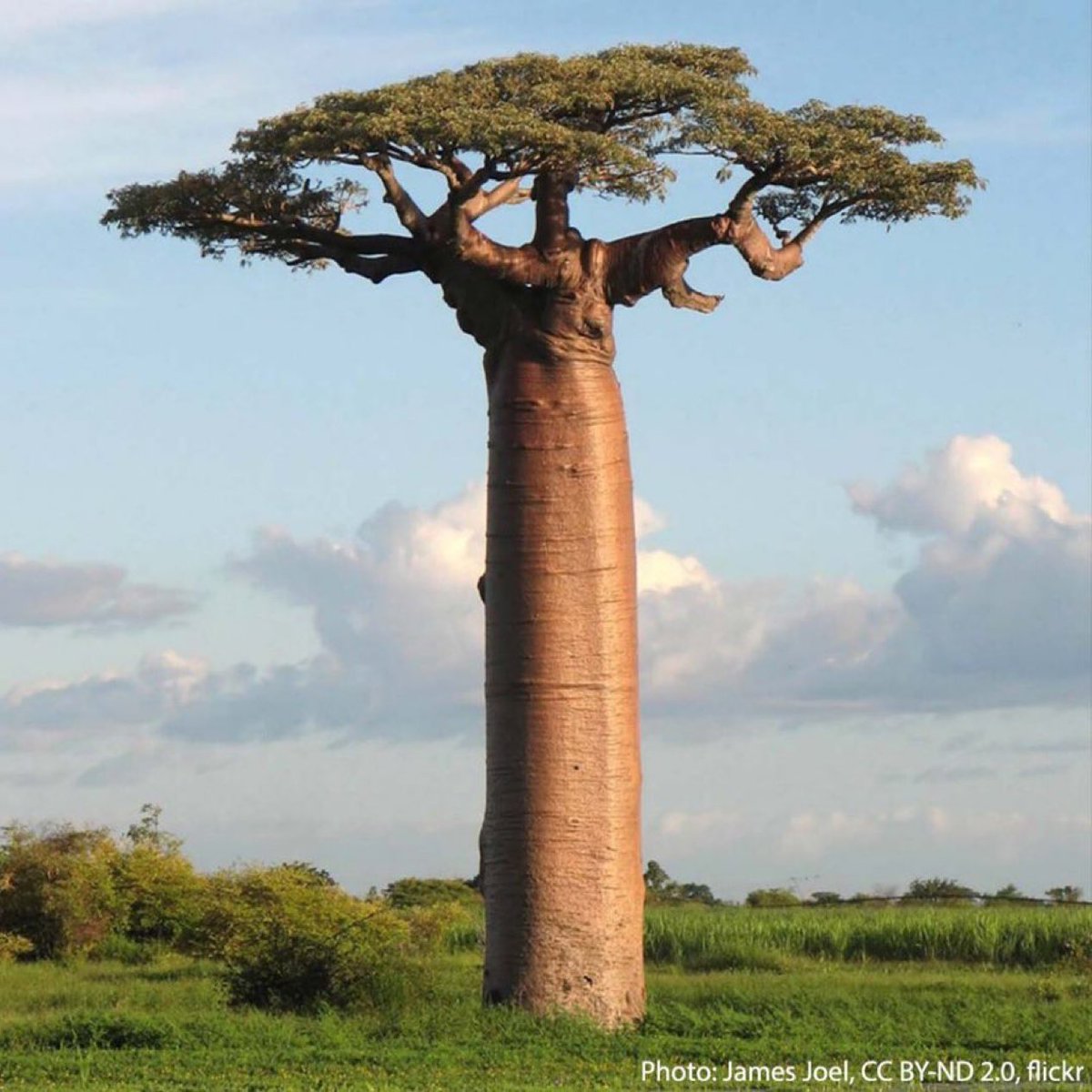
The Grandidier's baobab, also known as the renala, may live to be more than 300 years old! Scientists are unable to confirm these trees' exact age because baobabs don't produce annual growth rings. This species of baobab is found only in Madagascar's dry deciduous forests.
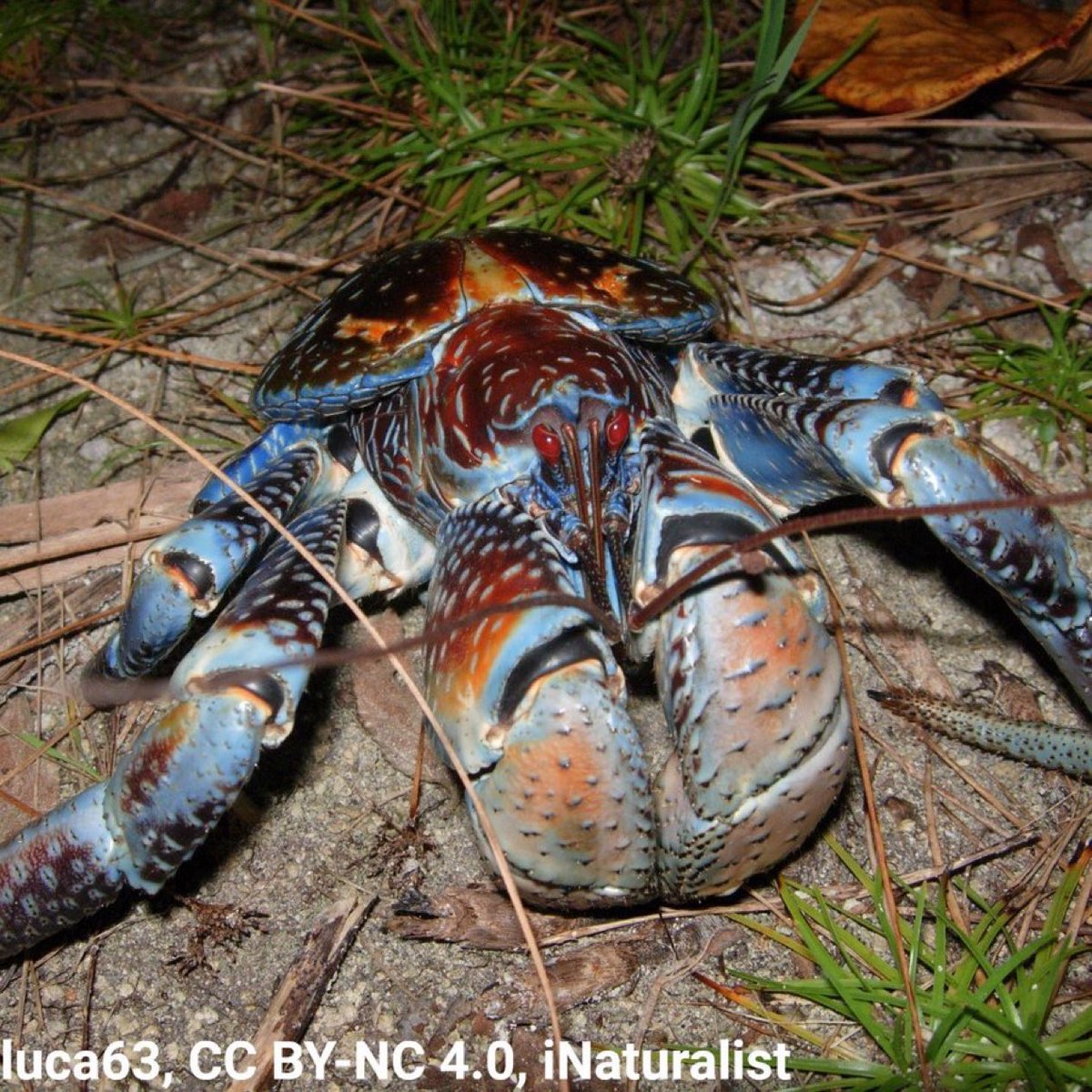
The world’s largest terrestrial invertebrate? That would be the coconut crab. It can span ~3 ft (1 m) long from leg tip to leg tip & weigh ~8 lbs (4 kg)! It inhabits coasts off of the Indo-Pacific Ocean. Scientists have compared its pinching power to a lion’s bite force!🥥🦀
What’s a spiny lumpsucker? No, it’s not a nickname for your ex. This fish's body shape and small fins mean that it isn’t the best swimmer, but a powerful pelvic fin helps it stick to solid surfaces, acting like a suction cup to hold it in place as it hides from predators.
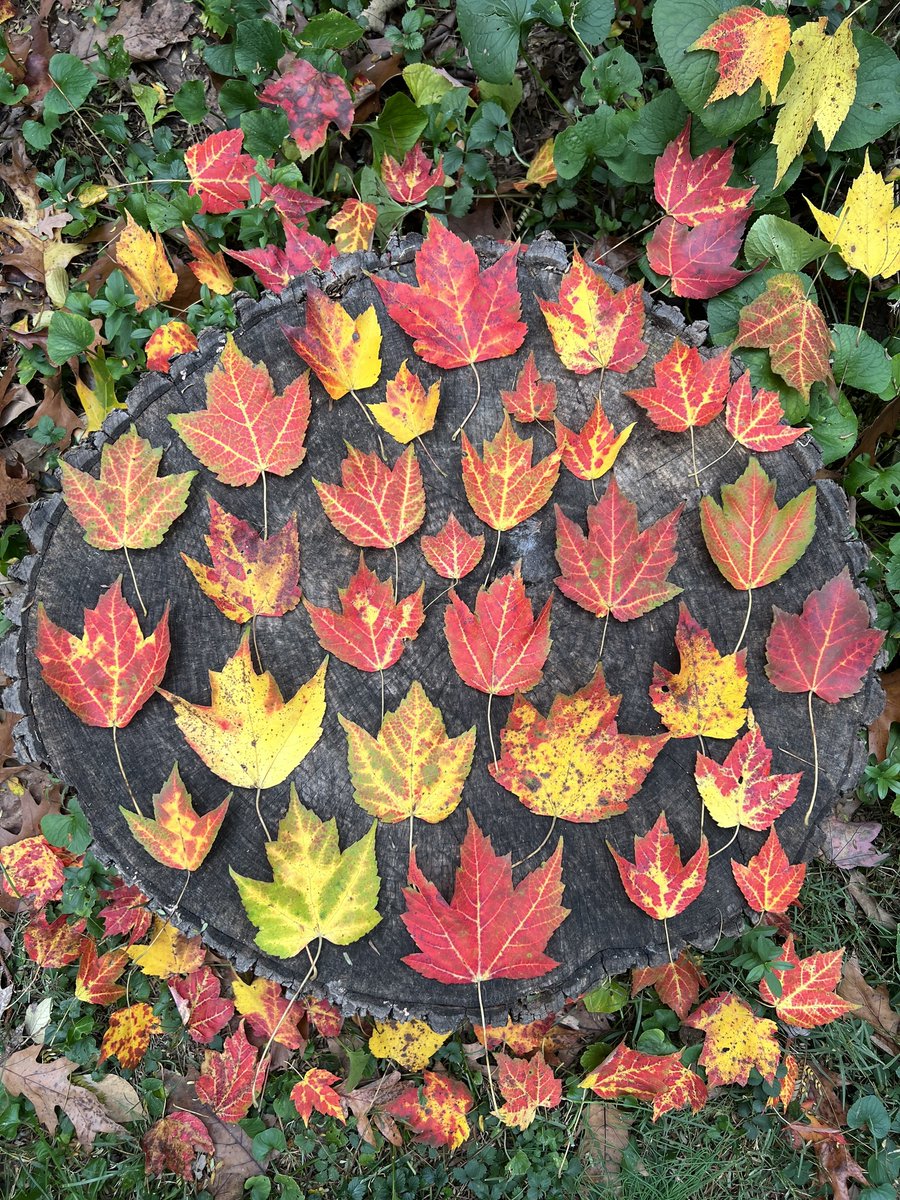
Few things make it feel more like fall than the foliage of the red maple tree. #DYK? It sports something red all year round: in winter, it has red buds; in spring, red flowers begin to bloom; in summer, the leaf stalks turn red; & in autumn, the foliage is a vivid orange-red.🍁
#DYK? The short beaked echidna is a monotreme, meaning it’s one of the few mammals that lays eggs instead of bearing live young. And? This species is unusually long-lived, with individuals living up to 50 years in captivity. This spiky critter can weigh ~15.4 lbs (7 kg).
This cricket isn’t named Jiminy. Growing ~1.9 in (5 cm) long, the armored bush cricket uses powerful jaws to feed on a diet that includes leaves, other crickets, & even nestling birds. When threatened, it's able to squirt a distasteful liquid called hemolymph at foes.
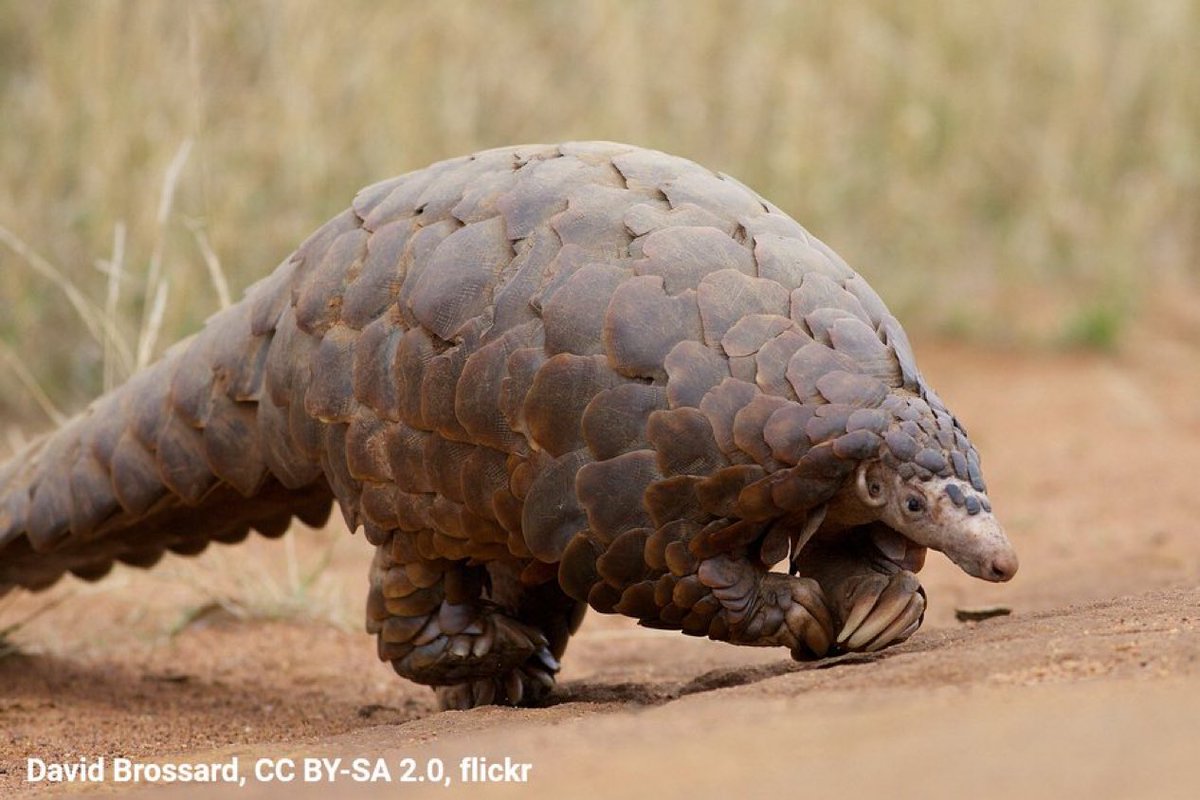
What’s up? Not the ground pangolin. It spends most of its time on the ground, creating underground burrows to snooze in during daylight. At night, it uses its long tongue to slurp up insects. When threatened, it can roll up into a ball, protecting its soft body from predators.
Who’s this fuzzy noodle? That would be the long-tailed weasel. North America’s largest weasel, this nocturnal critter feeds on small mammals, insects, and birds. It inhabits the burrows of other species, but it’s also a skilled climber that can often be found in the trees.