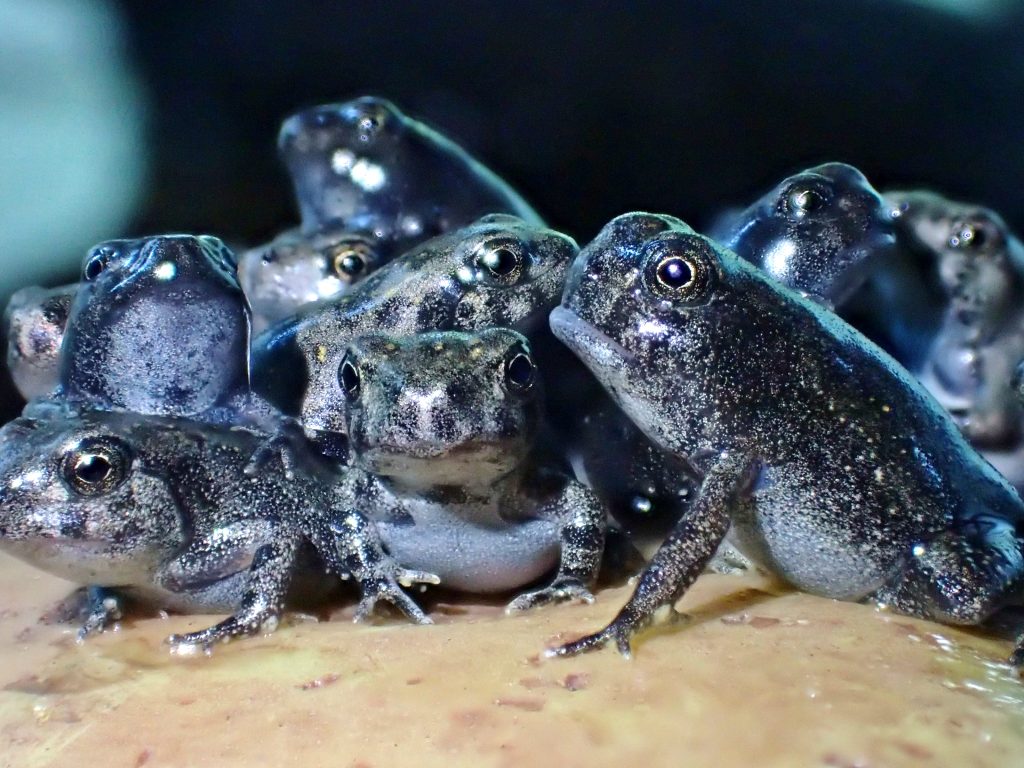
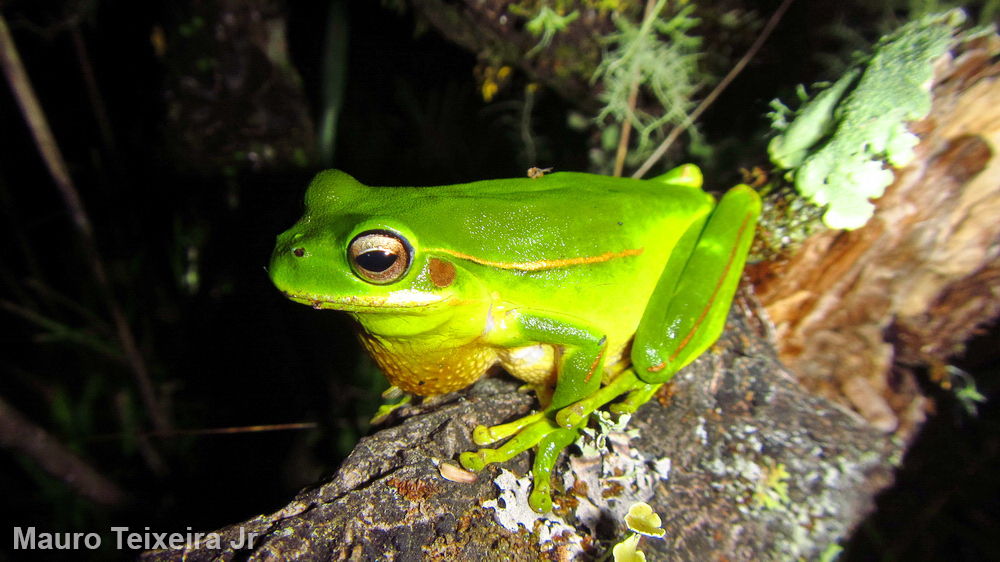
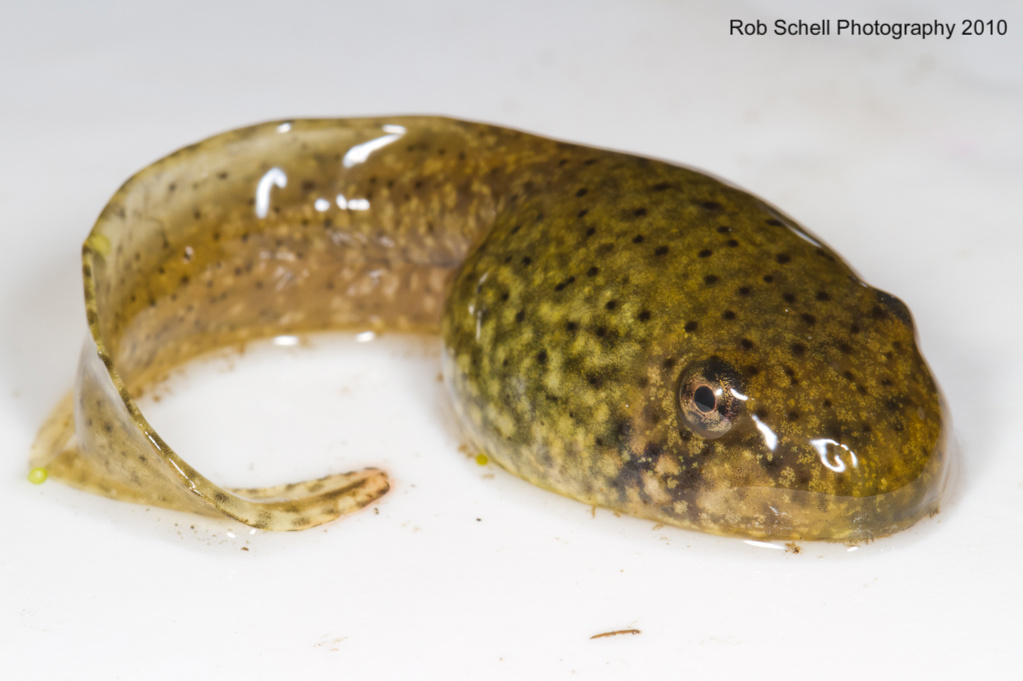
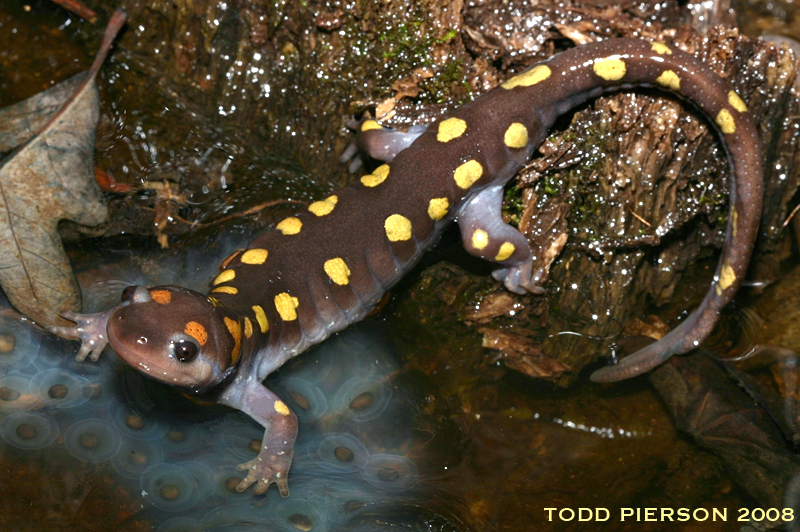
Information on amphibian declines, conservation, natural history, and taxonomy since 2000 through sheer passion, informatics, & science! (photo B. Freiermuth)
Amphibians, with their unique reliance on skin for respiration and ion regulation, are severely threatened by climate change.
Rollins-Smith & Le Sage (2023) compiled research on heat-stress and desiccation to better understand future risks.
https://t.co/ZRXa0HdJbu
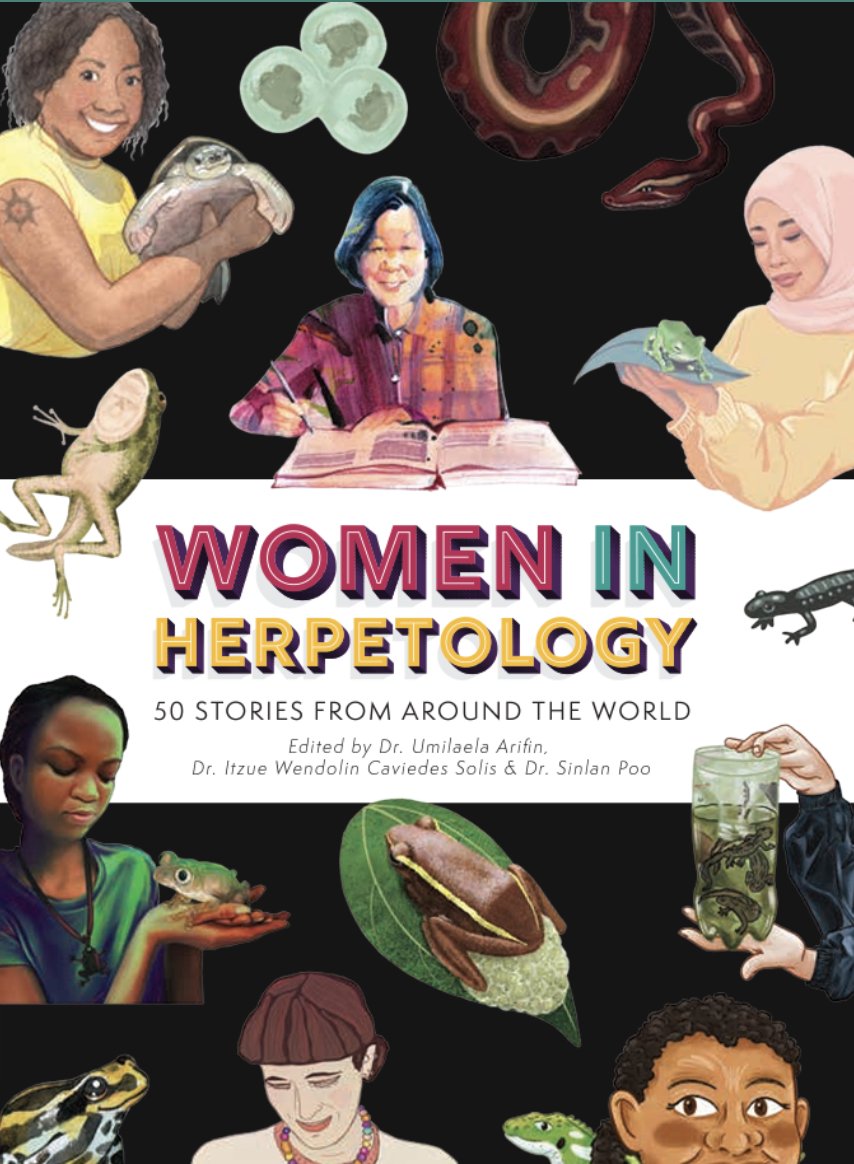
This week we are celebrating the Global Women in Herpetology Project, which highlights female scientists worldwide.
Their captivating book showcases 50 inspiring women, their fieldwork, challenges, and amphibians & reptiles.
https://t.co/SCThBb31oD
https://t.co/ZRXa0Heh12
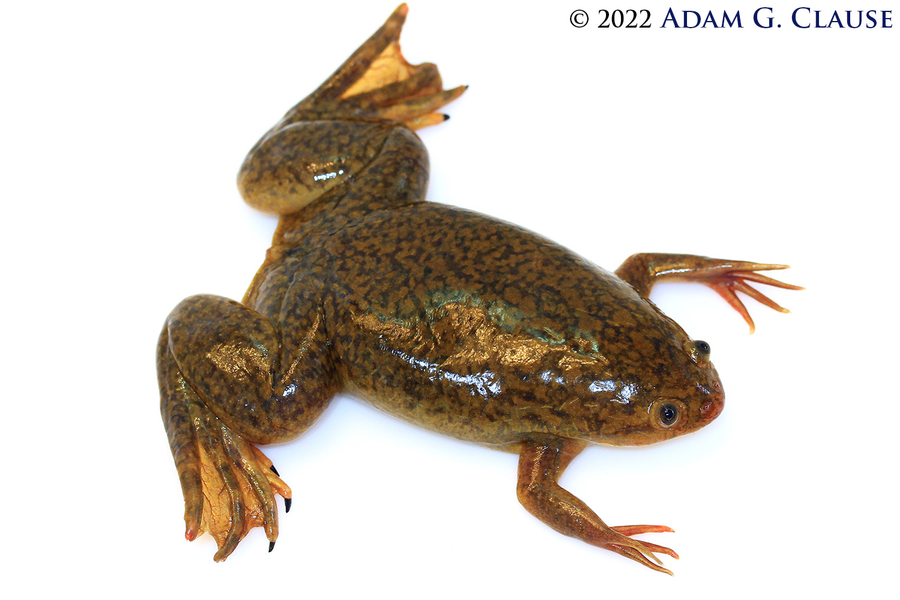
IVF for frogs? 💉🧫 🐸
Researchers are looking into repopulating declining species using embryos from frozen sperm and eggs.
However, Poo et al. 2022 found IVF frogs smaller than their wild counterparts indicating more research is needed in this area!
https://t.co/ZRXa0Heh12
Communication is key when raising kids right? 👨👨👦! 🐸?
Many poison dart frogs have bi-parental care, including multiple types of acoustic communication.
Moss, Tumulty, and Fischer (2023) analyzed the evolution of calls dad makes to tell mom to feed baby!
https://t.co/Mt3XLO6ENe
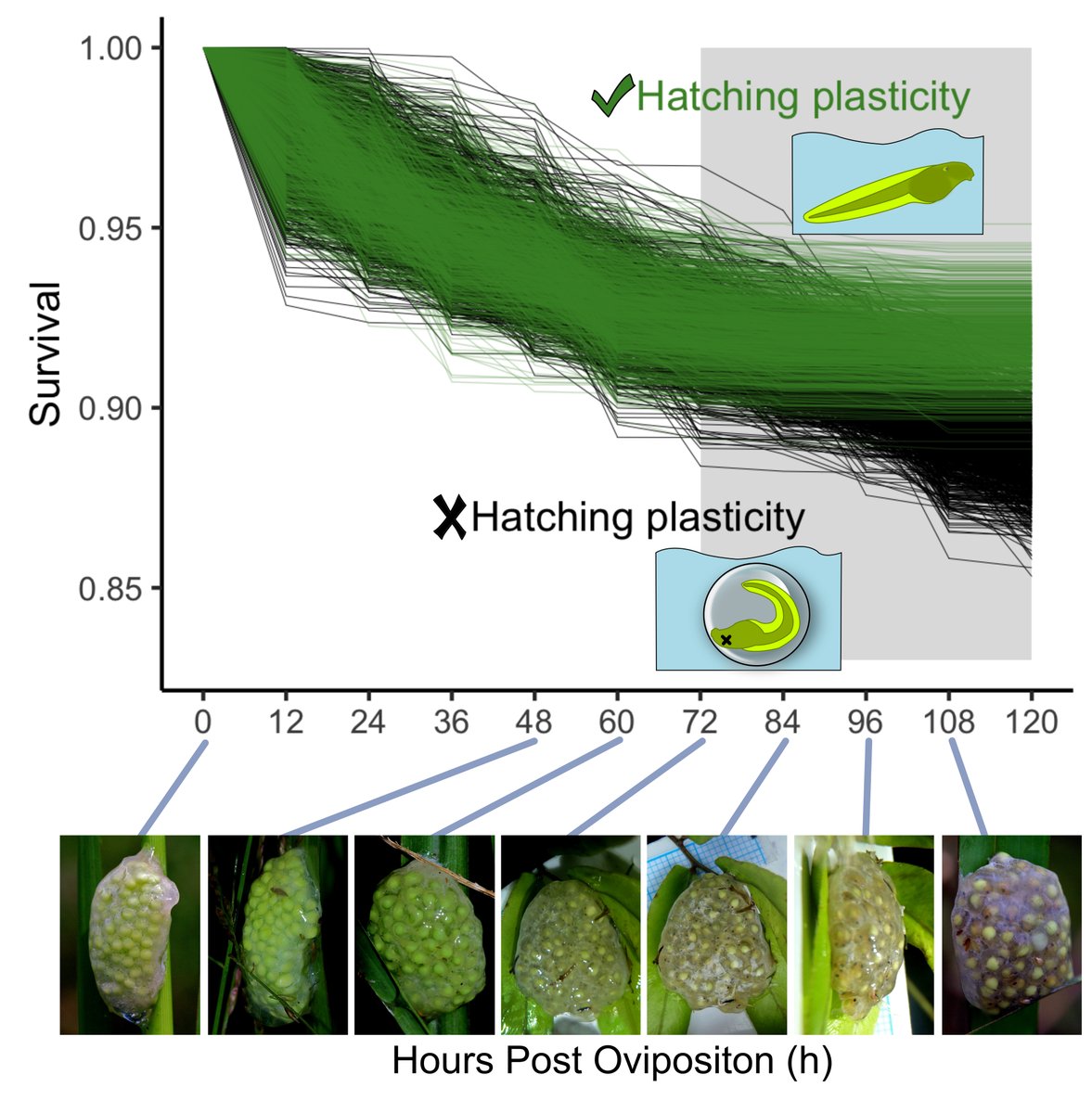
Many amphibians can adjust hatching times in response to external factors.
For terrestrial eggs, flooding can cause embryos to hatch early.
Poo et al studied this plasticity in rhacophorid tree frogs in Thailand.
https://t.co/ZRXa0Heh12
Research in vitro? 🧪 🐸 🧫
Cultured cell lines exist for 23 diverse amphibian species.
Douglas (2023) reviews and encourages use of this amazing resource to further study host-pathogen interactions in declining species.
https://t.co/ZRXa0HdJbu
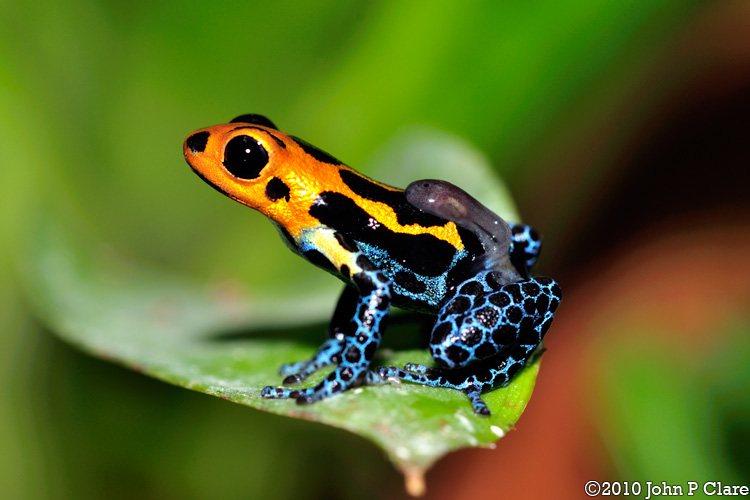
Brilliantly colored Peruvian Mimic Poison Frog have extensive biparental care.
Tadpoles feed on unfertilized eggs rather than the usual tadpole diet of detritus.
Weinfurther et al. (2023) found evidence of unique gut microbiome in the egg feeding tads.
https://t.co/ZRXa0Heh12
Frog cologne and perfume? 🐸
Chemical signals are likely used during mating in some frogs.
Brunetti et al. (2023) found that some of the odors were coming from symbiotic microbial communities found on the skin of Burmeister's Treefrog.
https://t.co/ZRXa0Heh12
Rhacophorid tree frogs make up 6% of all anurans. They inhabit a wide range of climates and have evolved multiple modes of reproduction.
Ellepola et al (2022) looked into how and why these frogs are so evolutionarily successful.
https://t.co/ZRXa0Heh12
👅 🐸
Tadpoles and adult frogs have vastly different diets - herbivorous to carnivorous.
Do their tastes change?
Possibly!
Hao et al 2023 found bullfrog adults and larvae express different genes in their taste receptors.
https://t.co/ZRXa0Heh12
The Conservation Science group at the University of Newcastle, Aus. @ConservationUon has announced 3 amazing PhD scholarships opportunities to study the impacts of longwall mining on the Littlejohn’s tree frog.
Check it out:
https://t.co/GfLINvyNCx…
📸 Nikola Markovina
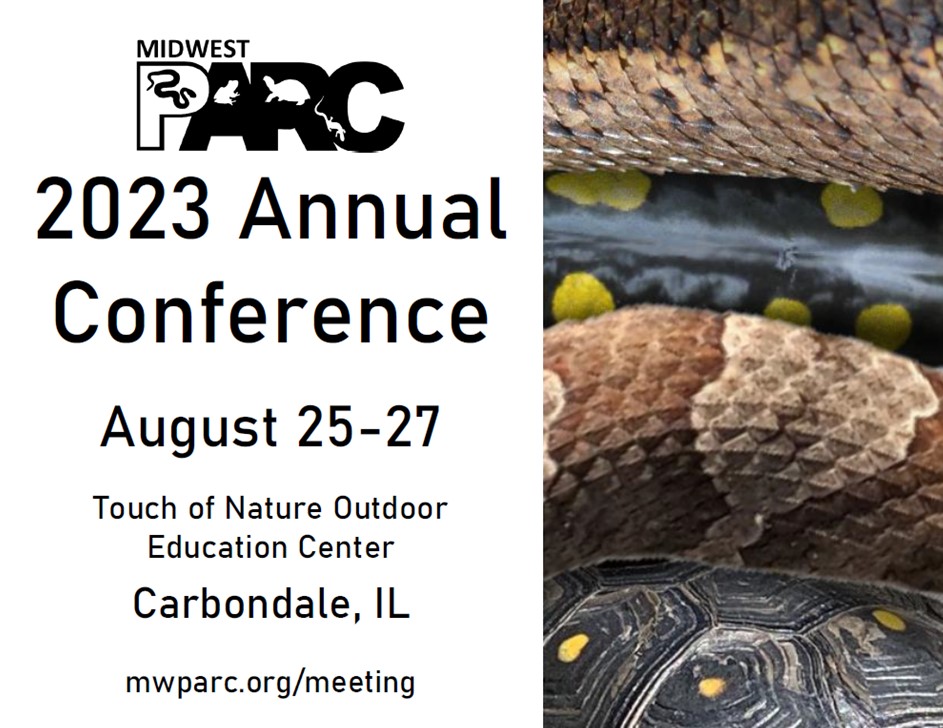
Save the date for the Midwest PARC 2023 Annual Conference! 🎉 This year’s gathering will take place Aug. 25-27 at the Touch of Nature Outdoor Education Center at Southern Illinois University. Stay tuned for details and registration. 🐸
Looking to move?
Amphibians are generally small and dry out easily, but they often move more than expected.
Davis et al 2023 used extensive modeling and 6 years of mark recapture data to understand how and when salamanders move between ponds.
https://t.co/ZRXa0Heh12
Batrachochytrium dendrobatidis (Bd) is a fungal pathogen responsible for global amphibian decline.
With museum collections, Ghose et al. (2023), reconstructed the historical spread of Bd across Africa.
https://t.co/ZRXa0Heh12