WHAT REALLY HAPPENED TO NOLAN WELLS? As questions continue to surround the death of Mississippi teen Nolan Wells after he disappeared during a boat trip with friends, ‘The View’ co-hosts discuss the ongoing investigation and the online speculation that has followed.
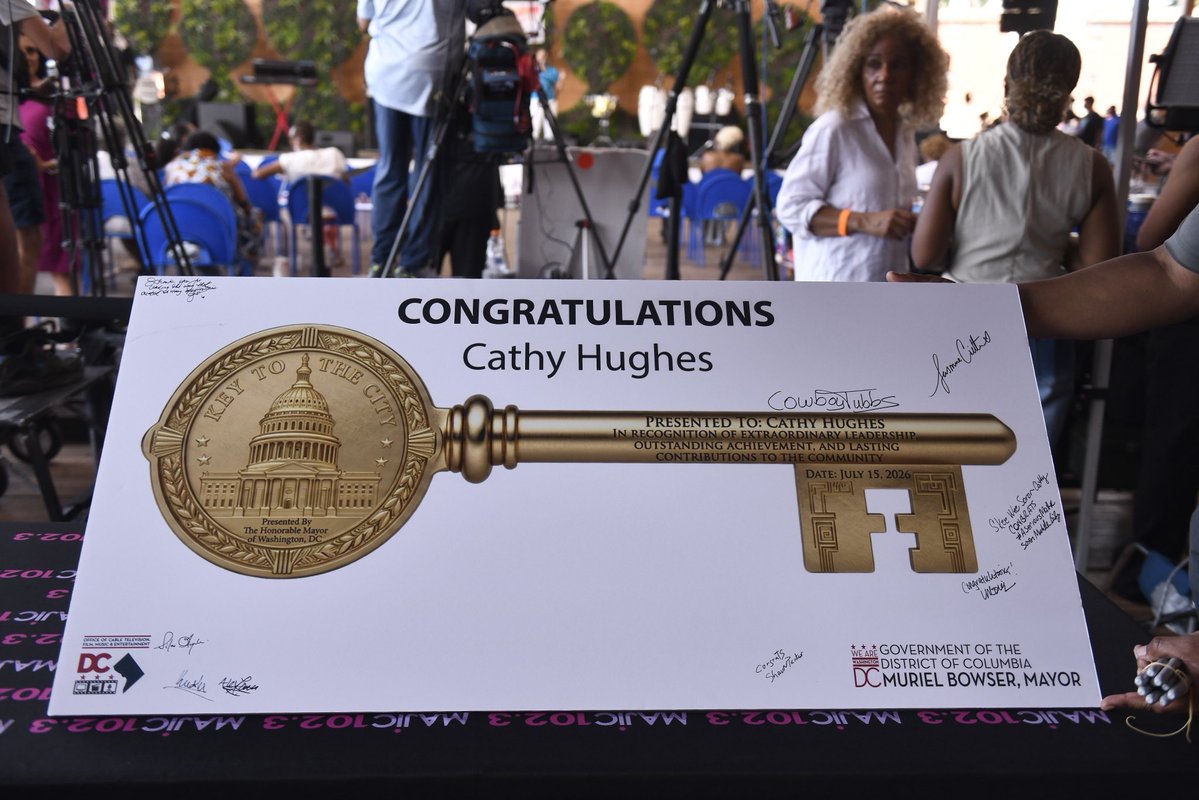
Media pioneer Cathy Hughes received the Key to the District of Columbia from Mayor Muriel Bowser, honoring her decades of leadership and lasting impact on Black media.
Hughes continues to inspire generations of entrepreneurs!
📸 Robert R. Roberts / The Washington Informer
School culture becomes visible in the moments when people choose to support one another.
It is the colleague who shares a resource, helps solve a problem, follows through on a commitment, or notices when someone needs support. Those small actions build trust and make demanding work feel more sustainable.
Strong teams are not defined by everyone having the same strengths. They are built by people who communicate, contribute, and can be counted on when the work becomes difficult.
Who is a coworker who has made a meaningful difference in your professional life?
Republicans need to stop standing in the way of us doing our jobs and start figuring out how to do theirs.
Just this past week, two people who weren’t even the intended targets lost their lives because of rogue ICE agents.
Enough is enough. We need leaders who can actually govern.
Cynicism can sound intelligent, but it often protects us from the vulnerability of hope. It allows us to name what is wrong without risking the responsibility of helping to make it right.
Critique is necessary, but critique alone will not heal communities, transform systems, or create the Beloved Community. Nonviolence requires more. It requires the courage to remain engaged, the discipline to resist dehumanization, and the commitment to pursue justice without becoming what we oppose.
Hope is not denial. It is a decision to believe that transformation is possible and to participate in bringing it forward.
Critique is not enough. Commitment is required.
#Nonviolence365 #BelovedCommunity #BeLove
A consequence can end an incident. That does not mean it changed anything.
In schools, the real test comes later. What happens the next time the student is angry, embarrassed, impulsive, challenged, or given the same opportunity to make a poor decision?
That is where discipline has to do more than communicate, “Do not do that again.”
Students need to examine what happened, understand the impact, repair what they can, and rehearse a better response for next time. Accountability is not removed from that process. It is the process.
The goal is not a student who behaves only when an adult is watching.
The goal is a student who can eventually make a better decision without us standing there.
Born on this day in 1862, Ida B. Wells was a civil rights champion and one of the first investigative journalists in the United States.
She was also a feminist and anti-lynching advocate whose reporting documented lynchings in the American south.
Wells went on to help found the @NAACP.
Thinking of her legacy today.
People remember how you made them feel.
In classrooms, schools, teams, and relationships, small moments matter more than we realize.
A quick comment can make someone question themselves.
A dismissive reaction can make someone stop sharing.
A sarcastic response can make someone feel smaller.
But the opposite is true, too.
A kind word can help someone breathe again.
A moment of listening can restore confidence.
A simple “I see you” can remind someone they belong.
Strong classroom culture and healthy school communities are not built through posters, slogans, or assemblies alone.
They are built in the daily moments when people choose to make others feel seen, heard, respected, and supported.
Be the person who makes the room feel safer.
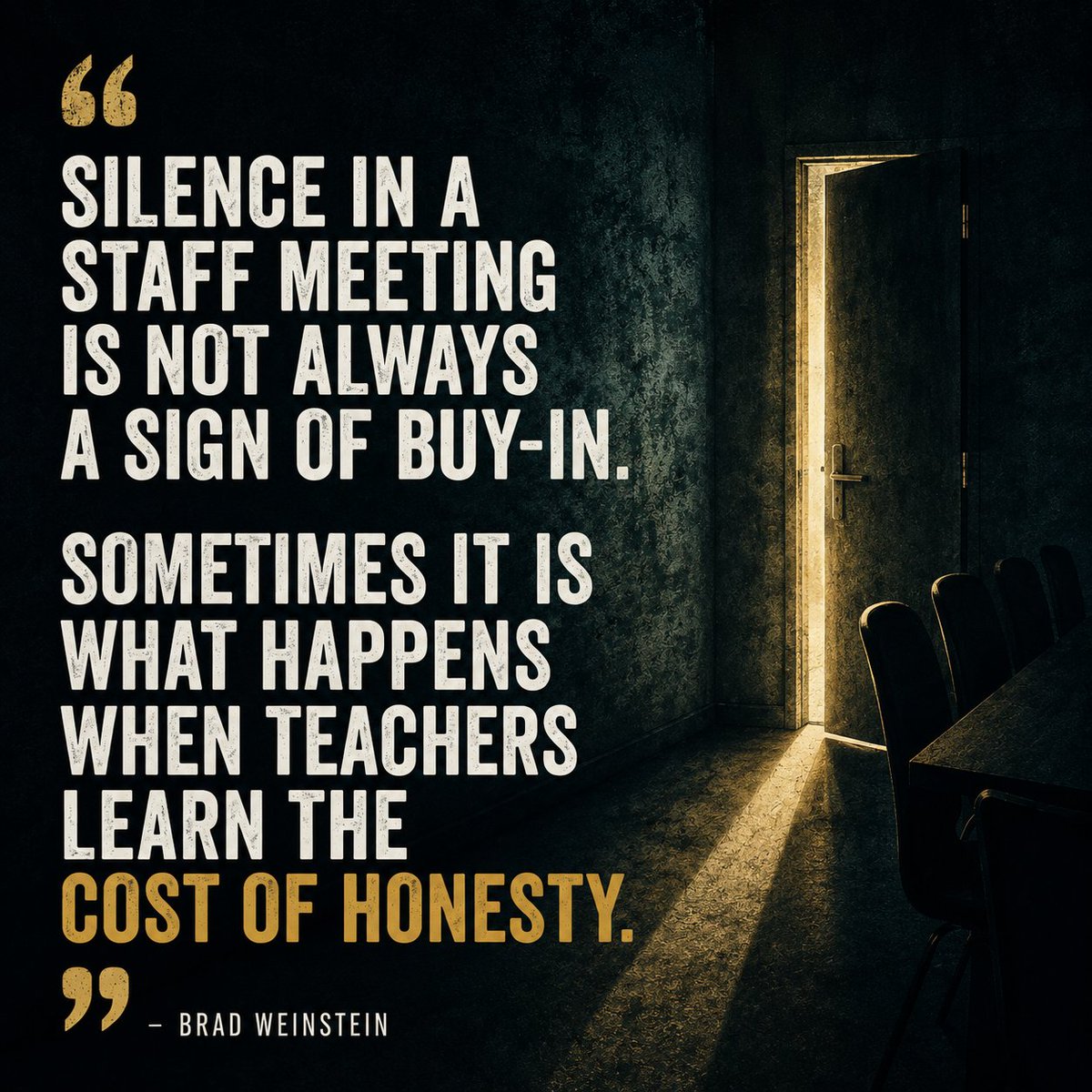
Silence in a staff meeting can look like agreement.
But in many schools, it is something else.
It can be what happens when teachers have learned that honest feedback gets dismissed, labeled as negativity, or quietly used against them later.
Teacher voice does not disappear overnight. It fades when educators realize that speaking up does not lead to meaningful change, safer conversations, or better school leadership.
Real teacher buy-in is not measured by who stays quiet.
It is measured by whether educators feel safe enough to be honest before decisions are already made.
If school leaders want stronger school culture, they have to ask a harder question:
Are teachers quiet because they agree, or because they have learned it is safer not to speak?
Understanding behavior does not mean removing accountability.
Yes, there is often a reason behind student behavior.
A skill gap.
A need for connection.
A lack of clarity.
A nervous system under stress.
A pattern that has been reinforced over time.
But sometimes, a student knows the expectation, understands the impact, has the skill, and still makes a choice.
That matters.
Classroom management gets messy when every behavior is treated like confusion, dysregulation, or trauma.
Students need compassion. They also need boundaries.They need adults who ask why. They also need adults who follow through.
A consequence is not supposed to be revenge.
It is supposed to teach responsibility, repair harm, and help students understand that their choices affect other people.
Real school discipline is not about being harsh.
It is about being clear, consistent, connected, and honest.
Students learn regulation from the adults around them.
Not just from what we say. From what we model.
If we tell students to calm down while we escalate, they notice. If we ask students to use respectful language while we use sarcasm, they notice.
If we expect students to pause, reflect, and make better choices while we react from frustration, they notice that too.
Classroom management is not about adults being perfect.
It is about adults being aware enough to recognize when our own reactivity is shaping the room.
A dysregulated adult cannot consistently create a regulated classroom.
That does not mean teachers should ignore disrespect, unsafe behavior, or disruption. It means the response has to match the lesson we want students to learn.
Pause before the lecture.
Regulate before the consequence.
Model before demanding.
Because students do not just learn expectations from our words.
They learn them from our nervous systems.
Classroom management does not begin when behavior gets loud.
It begins in the quiet moments before that.
The greeting at the door.
The follow-up after a hard day.
The repair after conflict.
The check-in when a student seems off.
The consistency that helps students know where they stand.
Relationships are not a reward students earn after they behave.They are part of the structure that helps behavior improve.
That does not mean teachers ignore expectations, consequences, or accountability.
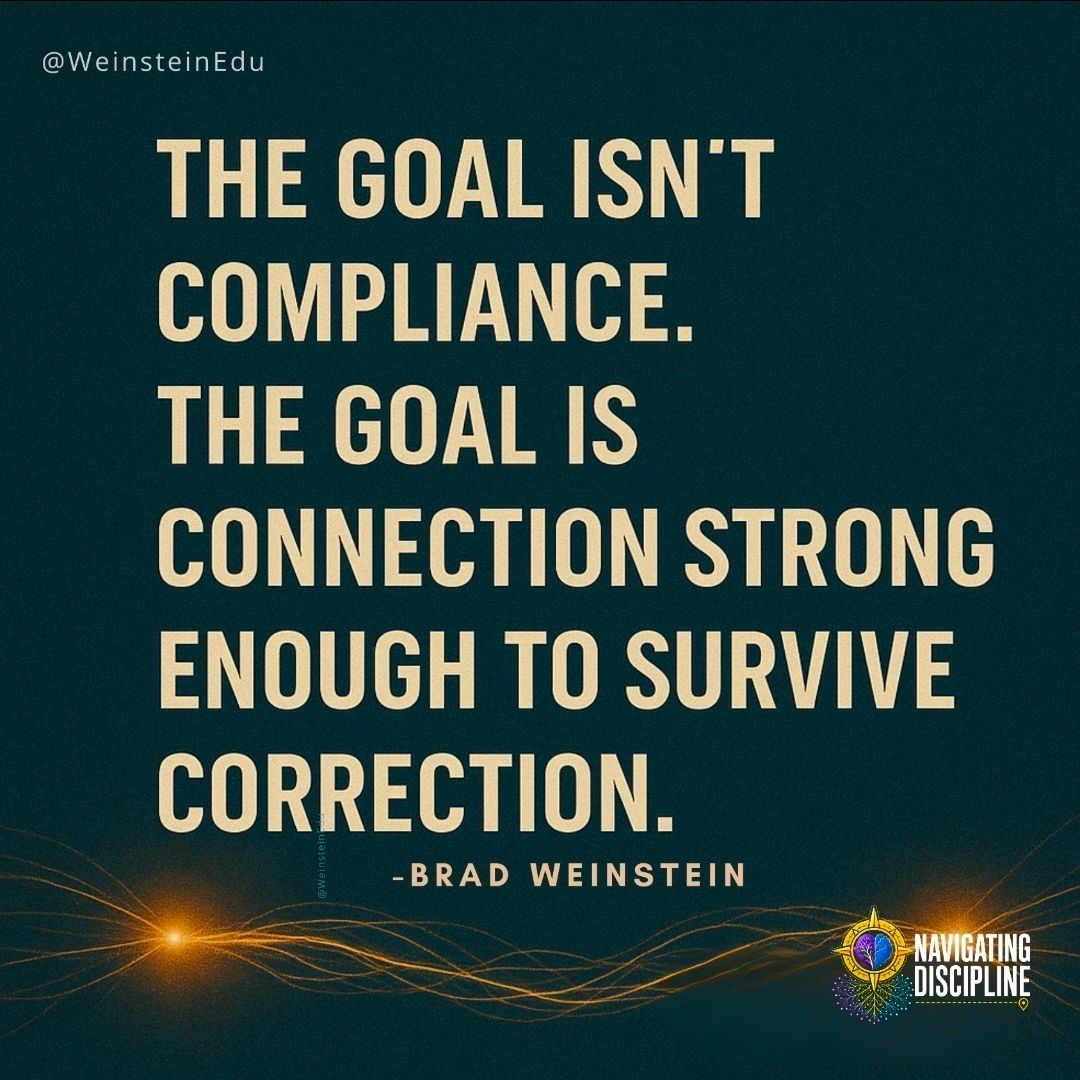
It means students are more likely to respond to correction from an adult they trust, respect, and believe is still on their side.
The real work is not just managing behavior in the moment. It is maintaining the relationship before, during, and after the moment.
Because discipline without relationship can turn into control. But discipline with relationship can become growth.
Summer break is funny because the “best parts” are things most people get every day.
Behind every joke about summer break is a very real truth about teacher burnout, classroom stress, decision fatigue, and the emotional load educators carry all year.
Teachers do not need summer because they stop caring. They need summer because they care so much that they need time to feel like people again.
Which one would you rank number 1?
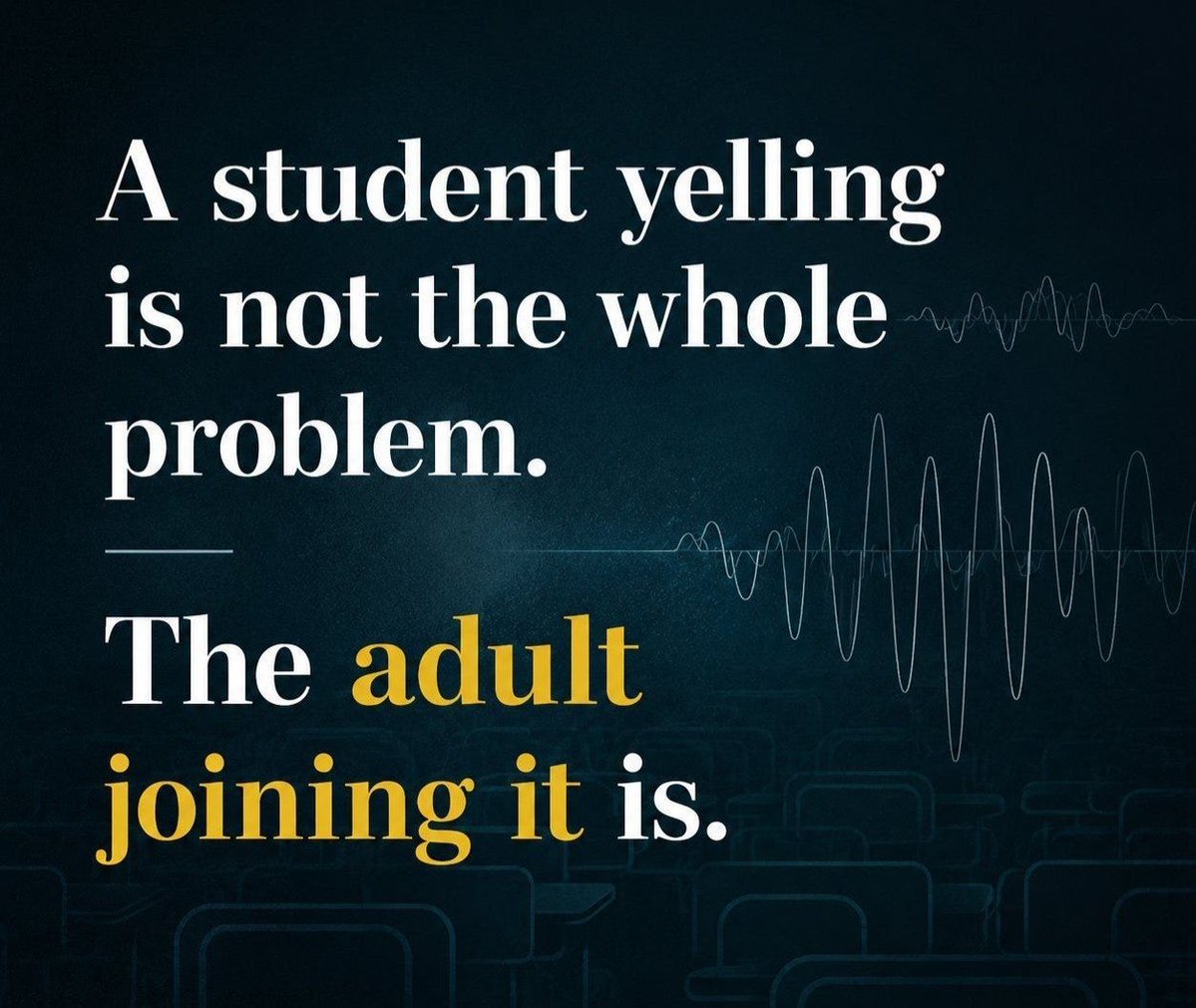
A student losing control does not mean the adult has to lose control too.
In a hard classroom moment, the adult response can either lower the temperature or raise it.
That does not mean teachers should ignore yelling, disrespect, disruption, or unsafe behavior.
It means the adult has to stay anchored enough to lead the moment instead of becoming part of the escalation.
Students in conflict often need clear limits, fewer words, calm direction, and a path back to regulation.
They do not need an adult matching their volume, sarcasm, intensity, or frustration.
Classroom management is not just what we do after behavior happens.
It is who we become while it is happening. The goal is not to win the argument. The goal is to keep enough calm in the room to teach the next right step.
A lot of discipline conversations get stuck in a false choice.
Be firm or be relational. Hold students accountable or protect the connection. Correct behavior or understand it.
Students need adults who can do more than deliver consequences. They need adults who can stay steady enough to correct behavior without turning the moment into a contest for control.
That does not mean lowering expectations. It means building enough trust that correction can be received instead of only resisted.
The relationship is not the opposite of accountability. It is the structure that helps accountability hold.
When students believe an adult is still for them after a mistake, correction has a better chance of becoming learning instead of shame, avoidance, or escalation.