Through the development of metal–organic frameworks, 2025 chemistry laureates Susumu Kitagawa, Richard Robson and Omar Yaghi have provided chemists with new opportunities for solving some of the challenges we face.
Following the laureates’ groundbreaking discoveries, researchers have created numerous different and functional metal–organic frameworks (MOF). So far, in most cases, the materials have only been used on a small scale. To harness the benefits of MOF materials for humanity, many companies are now investing in their mass production and commercialisation. Some have succeeded. For example, the electronics industry can now use MOF materials to contain some of the toxic gases required to produce semiconductors. Another MOF can instead break down harmful gases, including some that can be used as chemical weapons. Numerous companies are also testing materials that can capture carbon dioxide from factories and power stations, to reduce greenhouse gas emissions.
Some researchers believe that metal–organic frameworks have such huge potential that they will be the material of the twenty-first century.
🔬 International Conference On Nanomedicine And Nanobiotechnology in Rome
📆 Jan 14-16, 2026
🎙 Very experienced speakers
🏅 Awards to promote excellence
🎻 Social activities to network
📜 Publication opportunities
📝 Submit now!
🔬 International Conference On Nanomedicine And Nanobiotechnology in Rome
📆 Jan 14-16, 2026
🎙 Very experienced speakers
🏅 Awards to promote excellence
🎻 Social activities to network
📜 Publication opportunities
📝 Submit now!
New Class of Carbon-Centered Diradicals Discovered
Monosubstituted carbon atom stabilized by a phosphine shows a triplet ground state
(work published in @angew_chem)
https://t.co/AZIFwO1Byq
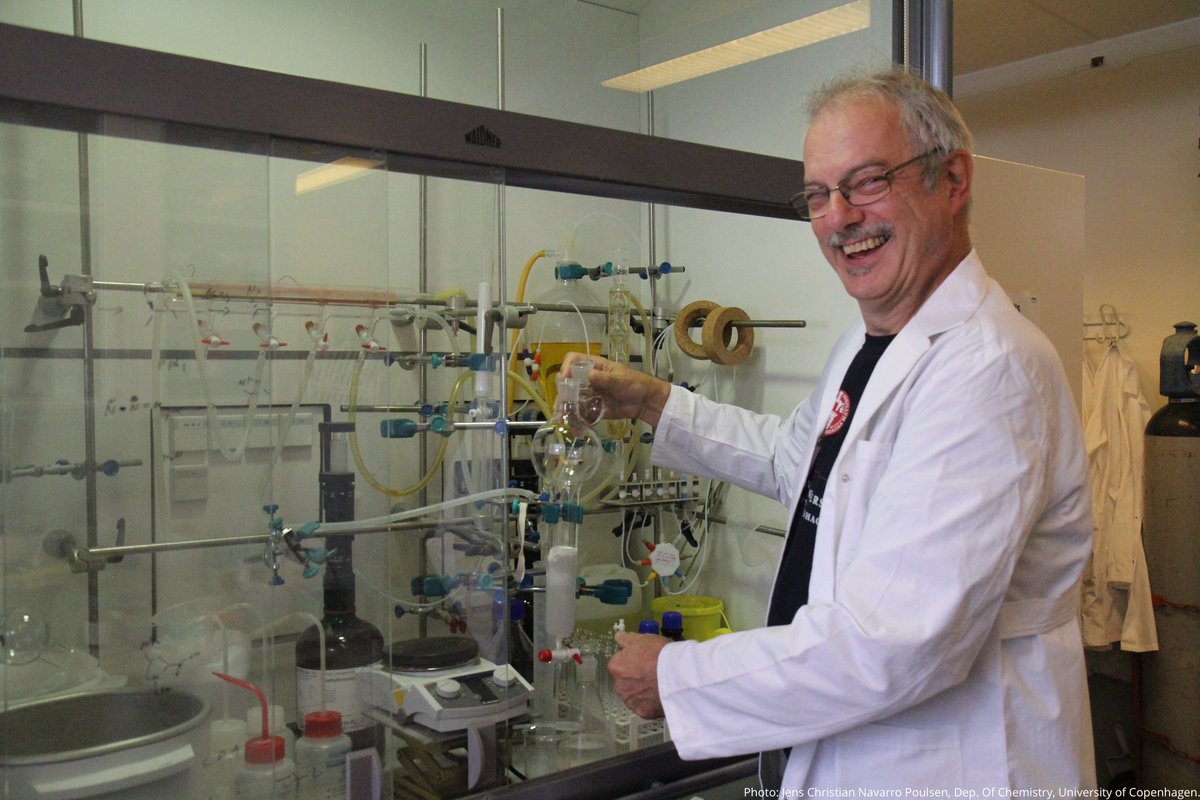
“My philosophy is that you cannot make new discoveries behind the office desk, you make them in your fume hood.”
Chemistry laureate Morten Meldal talks about his love of science and making discoveries in his official Nobel Prize interview. Watch here: https://t.co/m6ag1NsGS0
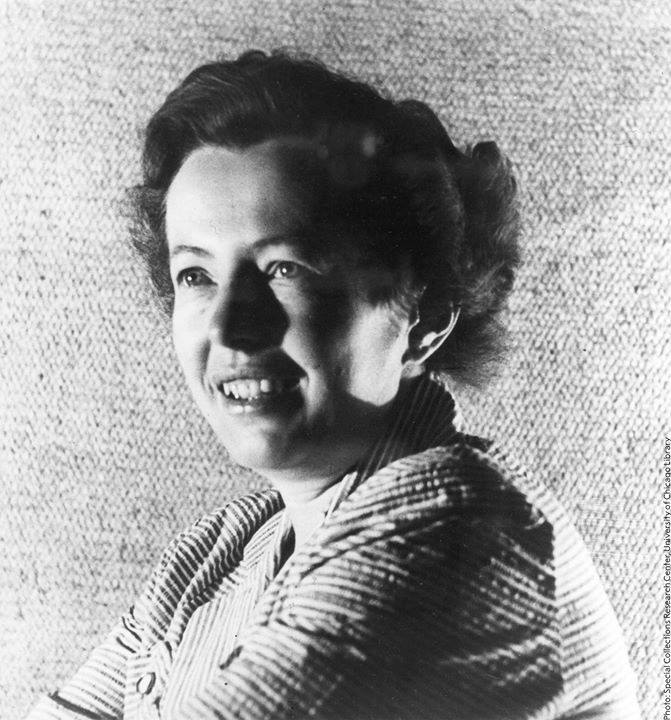
Maria Goeppert Mayer changed the field of nuclear physics by explaining the structure of atomic nuclei. She developed a model in which nucleons were distributed in shells with different energy levels – the nuclear shell model.
#NobelPrize