Online Exhibit 🫒 Rare, Beautiful & Fascinating
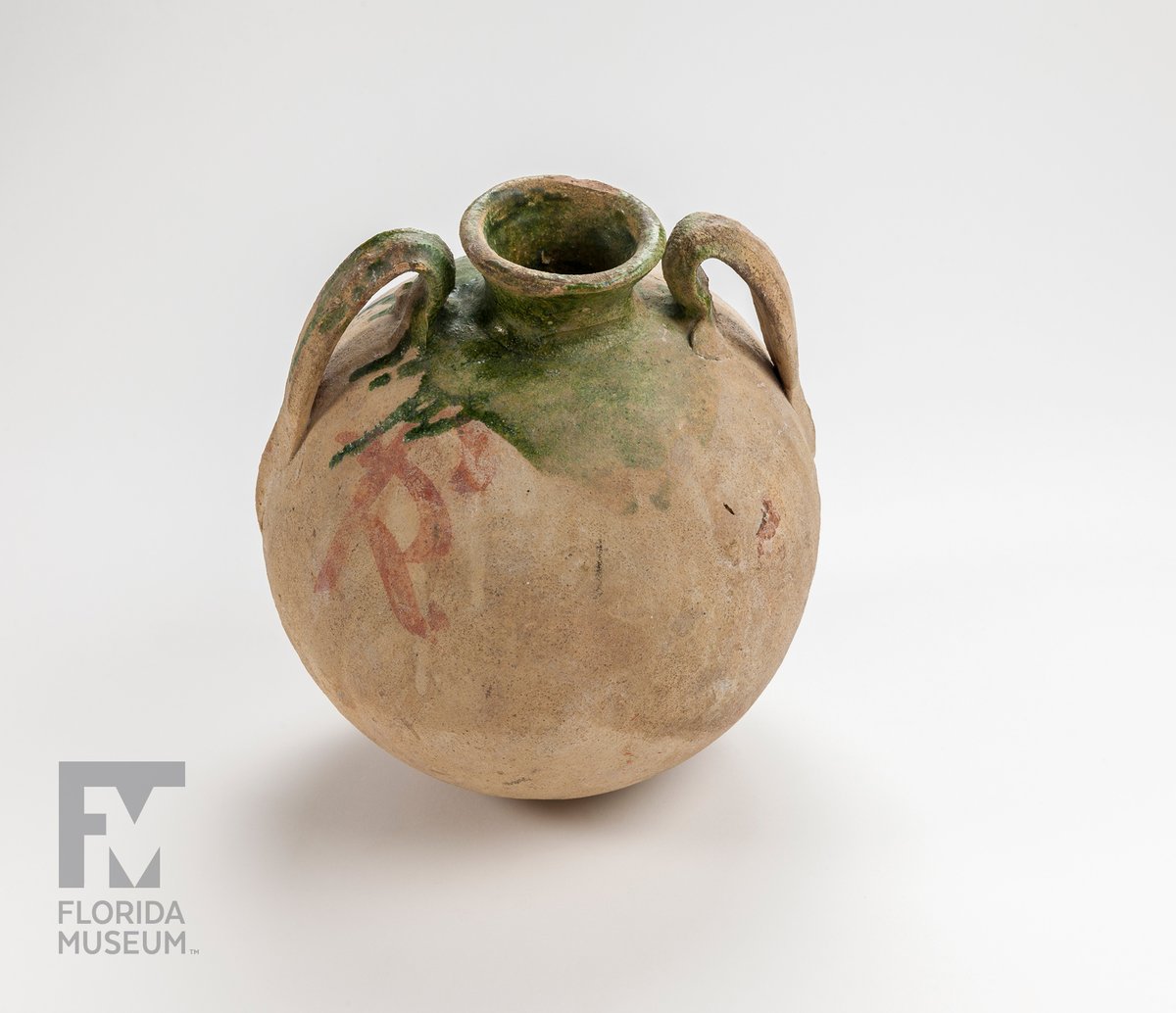
Feature: Spanish Olive Jar
Spanish colonists used olive jars to ship olive oil, wine, honey and other goods. Archaeologists rarely find intact jars like this one. 🎧 More with Gifford Waters: https://t.co/lLgUYzJ0bY
Online Exhibit 🐟 Rare, Beautiful & Fascinating
Feature: Mummified Alligator Gar
“Zooarchaeology is the wedding of zoology and archaeology and we seek to understand the human and natural history of zooarchaeological sites.”
🎧 More with Irv Quitmyer: https://t.co/GHmsExG17m
Museum Collections 🔬 While taxonomy is not everyone's cup of tea, many researchers use the large collections here at our McGuire Center for Lepidoptera & Biodiversity as a resource for their numerous taxonomic works:
https://t.co/YOnfAdFOxl
🦋🦋🦋🦋
Online Exhibit ☀️ Rare, Beautiful & Fascinating
Feature: Sun Star Fossil (Heliaster microbrachius)
The Sun Star enjoyed a wide distribution along both American coasts until the Isthmus of Panama formed 3-4 million years ago.
🎧 More with Roger Portell: https://t.co/wJeKgKDPAf
Tom and John Emmel and Sterling Mattoon officially began their work on “The Butterflies of California” book in 1974.
Now, more than 50 years after they began, the book draft has officially been published online and is freely available to the public:
https://t.co/evWvQm0VrX
Crashed a party at #San_Felasco past Sunday night. Fermented beverages were served. Required attire was: formal for beetles; more frivolous for butterflies.
Crashed a party at #San_Felasco past Sunday night. Fermented beverages were served. Required attire was: formal for beetles; more frivolous for butterflies.
Rajaei et al (2026). Exceptionally preserved Oligocene emperor butterfly
from France provides a new calibration point for Apaturinae evolution. Acta Palaeontol. Pol. 71 (1): 185–191, 2026 https://t.co/OsF0qP88PS
#MondayMood 🐠 Museum technology is shifting how specimens are processed, providing more accessibility for research, education, outreach and collaboration. Explore our online exhibit:
Inner Beauty 🩻 Skeletons Revealed from the Museum’s Fish Collection
https://t.co/bryXvh899w
Citizen science contributions from both casual observers and highly active users can be equally valuable and — in some cases — even complement each other, says a new study of iNaturalist data.
Story:
https://t.co/wc9qTbSYNo
Study:
https://t.co/1NRf5woFyp
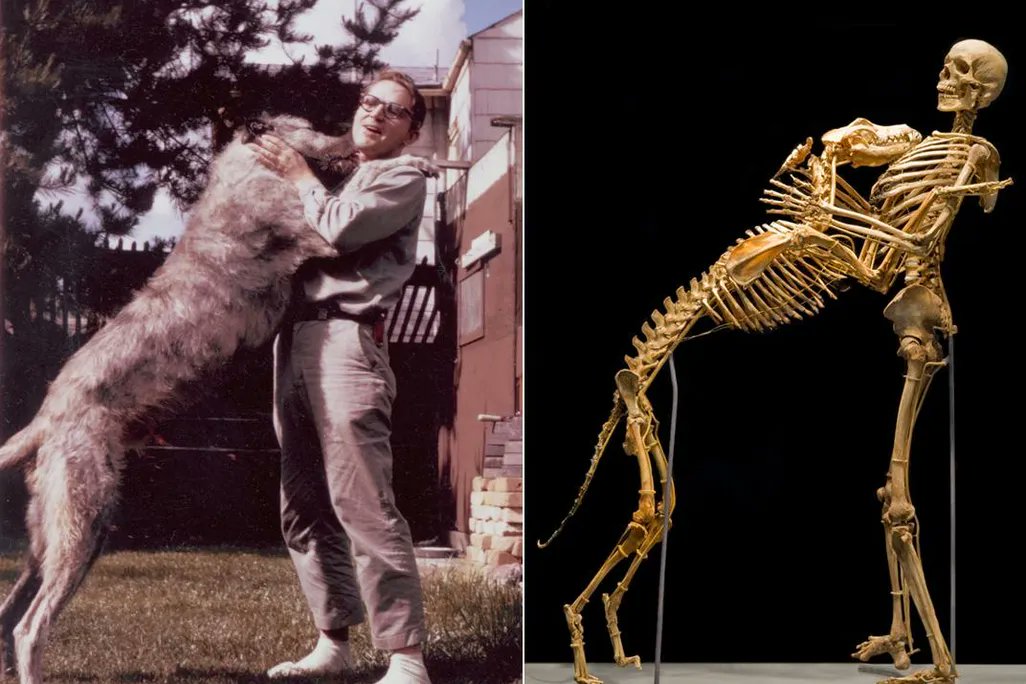
Skeletons of Anthropologist Grover Krantz & his Irish Wolfhound Clyde displayed at the Smithsonian National Museum of Natural History 2009-2011 https://t.co/hdtqkUIASy
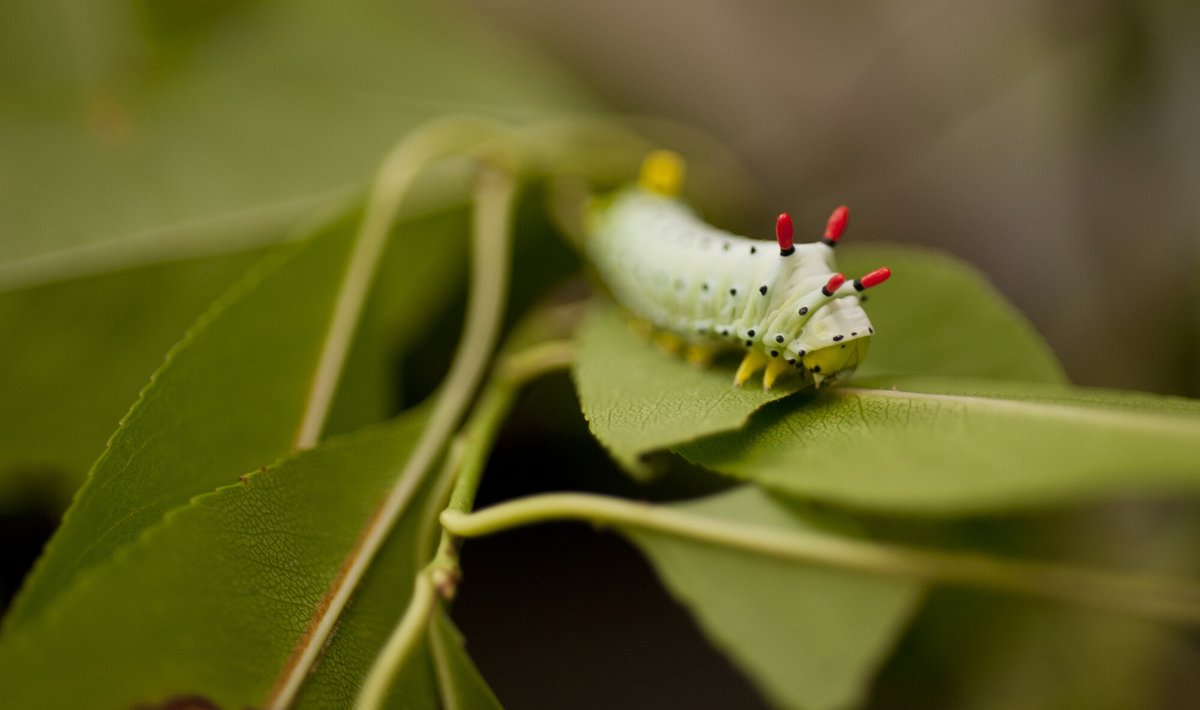
The evolutionary path that brought us to butterflies is intriguing. Moths originated 300 million years ago and diversified with a little help from a fungus and bacterium. Then...
Scientists lay out what we do & don’t yet know about moths and butterflies: https://t.co/Ka6z8NrVpm
Apparently, today is Taxonomist Appreciation Day, which has been celebrated (albeit quietly) annually on March 19th. Here are some recent taxonomic works published by the McGuire Center for Lepidoptera and Biodiversity @floridamuseum:
https://t.co/q2qUXn12sc
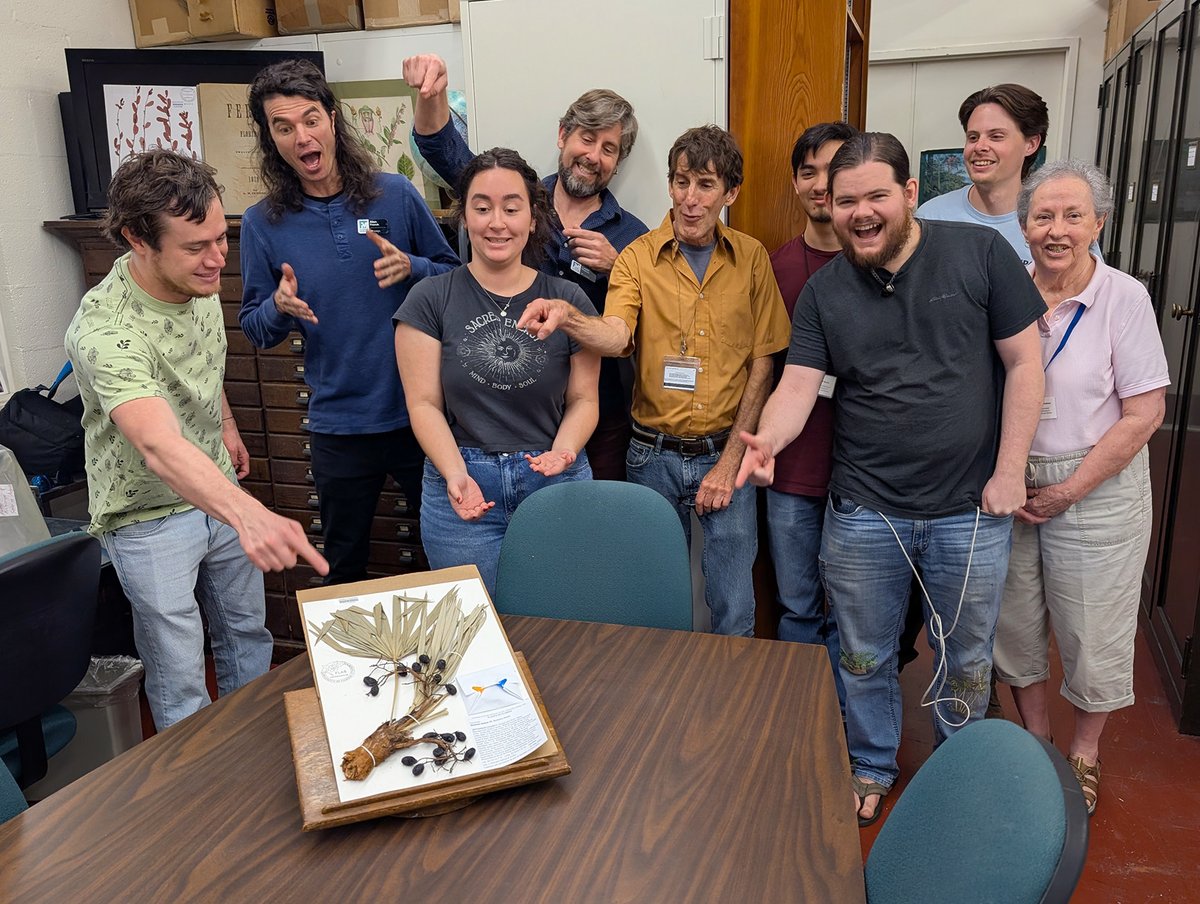
#ICYMI 👏👏👏 Our Herbarium recently accessioned their 300,000th vascular plant specimen into the collection! Founded in 1891, the University of Florida Herbarium (FLAS) here at the Florida Museum houses over 530,000 preserved plant specimens. More:
https://t.co/Svb8kEDPmc