Without this global town square for free speech, a lot of important things never would’ve seen daylight.
Real-time information governments tried to bury. Scientific debate that was actively censored. Voices that would’ve stayed silenced forever.
Respect to @elonmusk for being the man in the arena when it actually counted. 🫡🙏
In Matt Beall’s podcast I estimated an 80% probability of a second Sphinx at Giza. Today I raise it to 100%: we have located it exactly where declared and now hold the high-resolution acoustic image. The second Sfinx in off course there!! The head is visibly different from the known and first Sphinx. Full details at Nicole Ciccolo’s conference on June 21 in Bologna (Centro Congressi Artemide) with me and Corrado Malanga.“Veritas vos liberabit” — The truth will set you free.#SecondSphinx #GizaProf. Filippo Biondi
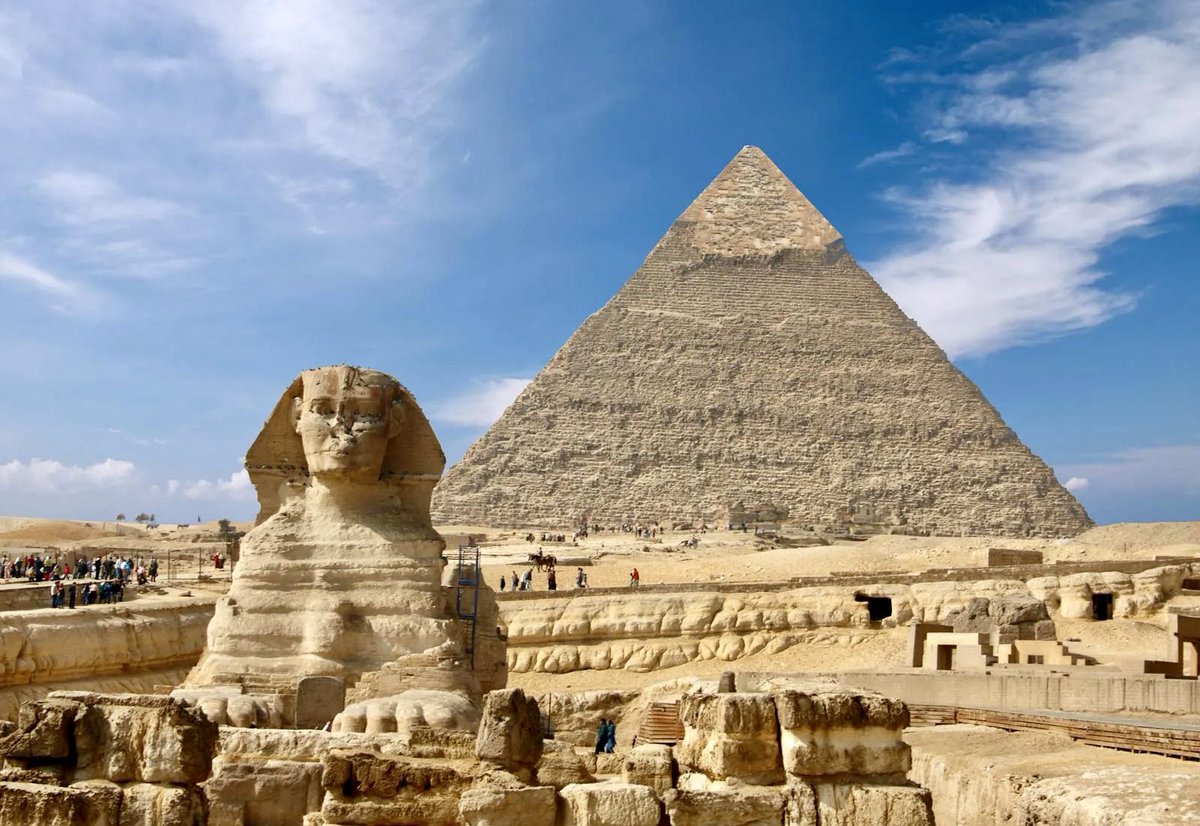
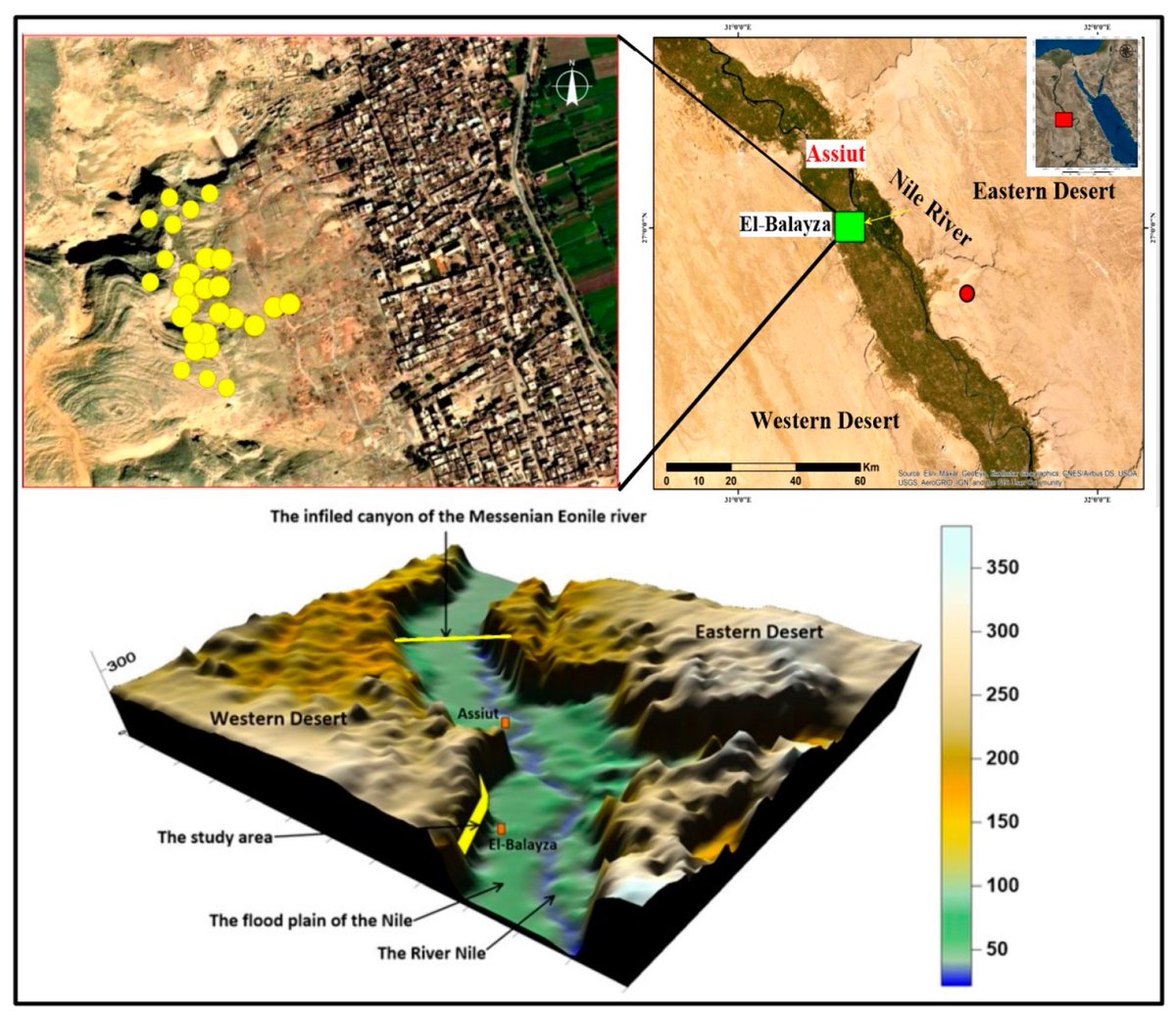
I was today years old when learned that the GREAT SPHINX & GIZA PYRAMIDS literally sit at the top of a ginormous CLIFF, in what is a now subterranean Canyon larger than the GRAND CANYON 🤯
The ‘Messinian Eonile Canyon’ is up to 1.8 miles deep, 5.5 miles wide and extends 800 miles North/South from Aswan to the Mediterranean
It immediately borders the Eastern/North Giza Plateau, and plunges 1500-1800m (.93-1.1 miles) directly right in front of the Great Sphinx
It was said to be created ~5.5M years ago when the Mediterranean was empty (another mind-blowing rabbit hole), as strong fluvial forces carved this massive Canyon over a period estimated to be as rapidly as just 20,000yrs, to possibly 270,000yrs 🌊
The canyon was then filled over those thousands of years with silt, sand and gravel.
Our planet is nothing like it once was.
This is seriously amazing!
A powerful scene in the Odyssey happens when Odysseus finally returns to Ithaca after twenty years of war and wandering.
You would expect the story to end with celebration, with the hero coming home, the family reunited, and order restored.
Homer does something far stranger.
Odysseus arrives disguised as a beggar, because Athena warns him that the palace has been taken over by more than a hundred suitors who have been living there for years, eating his food, drinking his wine, and pressuring his wife Penelope to marry one of them.
They believe Odysseus is dead and in their minds the kingdom is already theirs.
So the king of Ithaca walks through his own halls dressed in rags while the men stealing his house sit comfortably at his tables. They mock him, throw scraps at him, and one of them even strikes him, and Odysseus takes it. That is the remarkable part, because the same man who blinded the Cyclops and survived twenty years of disasters now stands quietly while strangers insult him in his own home. Homer tells us his heart burns inside his chest and that he wants to attack them immediately, yet he restrains himself and waits.
Instead of striking, Odysseus studies the room carefully. He counts the men, watches their habits, and quietly observes which servants remain loyal and which have betrayed him. The hero of the Odyssey does something most people cannot do, which is delay revenge until the moment is right.
Eventually Penelope announces a contest and brings out Odysseus’ great bow, declaring that she will marry the man who can string it and shoot an arrow through twelve axe heads lined up in a row. One by one the suitors try and fail, because none of them can even bend the bow. Then the beggar asks for a turn. The suitors laugh at first, but the bow is eventually handed to him.
Odysseus takes it in his hands and strings it effortlessly. Homer says the sound of the bowstring tightening rings through the hall like the note of a swallow. Then he places an arrow on the string and sends it cleanly through all twelve axe heads.
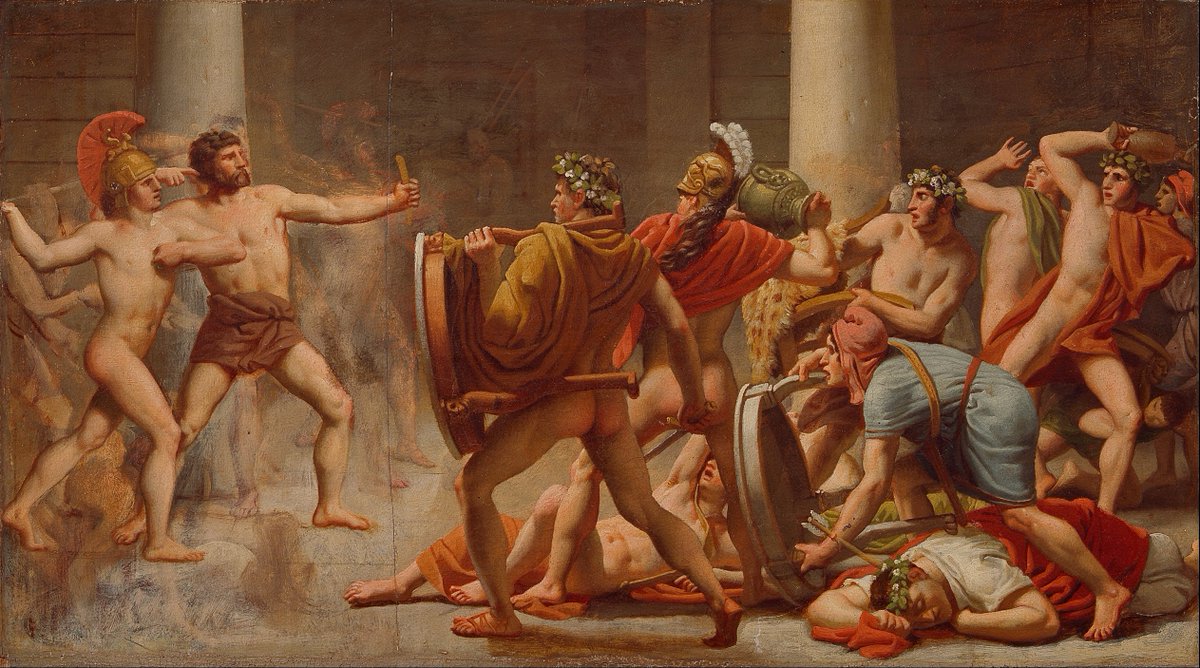
In that moment the beggar disappears. Odysseus turns the bow toward the suitors and reveals who he is.
What follows is one of the most brutal scenes in Greek literature. The doors are sealed and the suitors realize too late that they are trapped inside the hall. Odysseus, his son Telemachus, and two loyal servants begin killing them one by one. There is no escape, no mercy, and no negotiation. The men who spent years consuming another man’s house die inside it.
It is a violent ending, but Homer wants you to understand something important. The real danger to Odysseus was never just the monsters and storms on the long journey home. It was the possibility that someone else might take his place while he was gone. When Odysseus finally returns, he reminds everyone in Ithaca of a simple truth: a man’s home is not truly his unless he is willing to fight for it.