This tweet is a perfect example of why the consultant class keeps losing elections. They're totally clueless, and they're hellbent on keeping working-class people out of politics.
I've spent more time in kitchens than faculty lounges. Perhaps you'd like to come to Wisconsin and work a Friday night dinner rush with me?
P.S. @ me next time 😎
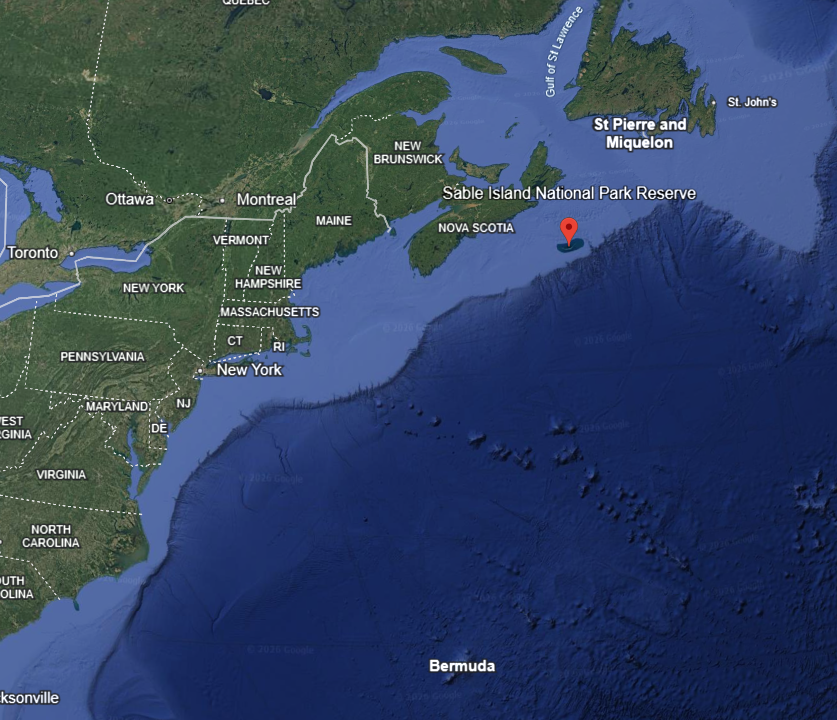
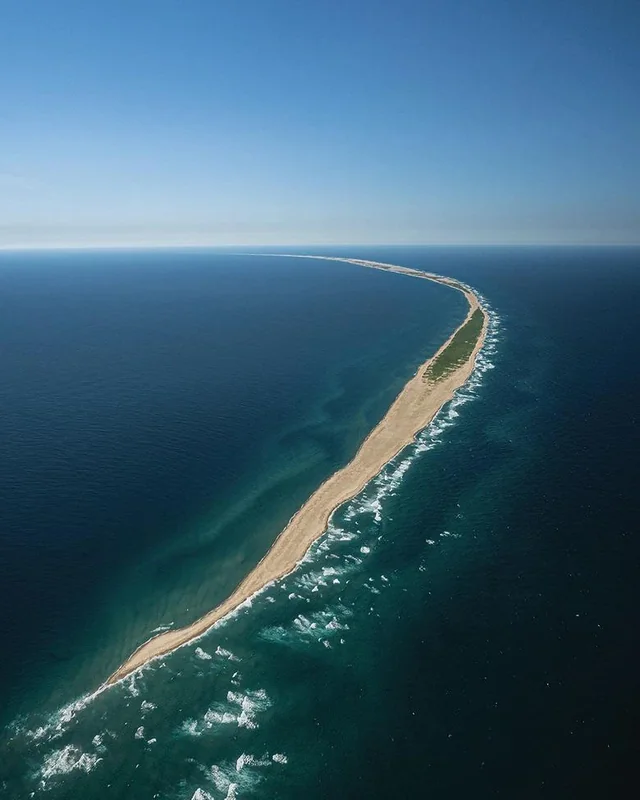
A narrow crescent of sand more than 300 km from mainland Canada supports a wild population of the most unexpected animals. The island is 26 miles (42 km) long, barely a mile (1.6 km) wide at its widest point, and covered in fog an average of 127 days a year. Yet around 500 of these animals survive there.
1/n
Top places (min. 10K) by Guyanese %, 2020 Census:
Schenectady, NY (8%)
East Orange, NJ (3%)
Valley Stream, NY (3%)
Elmont, NY (2%)
North Valley Stream, NY (2%)
Baldwin, NY (2%)
Clermont, FL (2%)
South Plainfield, NJ (1%)
Not excusing the DoorDash overindulgence by Millennials/Zoomers (I can count the number of times in my life I’ve eaten out with my parents on one hand because money was tight growing up) but I would bet a lot of this is doomspending. The attitude for a lot of 20-30somethings is nihilism: why bother saving if homeownership is out of reach? The psychological incentive to delay gratification weakens and they don’t perceive a meaningful tradeoff because the gap between where they are and traditional financial milestones is seemingly enormous
🇩🇪 Molbergen: Germany’s real demographic halo effect:
While Gavrus in Normandy shows what a traditional Catholic institution can do to a tiny village. Molbergen (Cloppenburg district, Lower Saxony) is potentially more impressive again.
This is a full rural municipality of over 9,000 people with 26.6% of its population being under the age of 18, or roughly 10 percentage points above the German average, with younger cohorts that keep getting larger.
This produces the definition of a "Population Pryamid" which is seen in youthful, growing populations.
Positive natural increase continues year after year with the driver being the same “halo” mechanism, but this time from a different source..
In the case of Molbergen it's the Spätaussiedler (Russlanddeutsche) from the former Soviet Union.
Roughly every second resident has this background. Many belong to free churches (especially Pentecostal, Mennonite Brethern and Baptist communities) that still practise high fertility as a cultural and religious norm.
Large families are common, churches are full, and the age pyramid looks nothing like the rest of Germany.
Molbergen is a quiet, agricultural place west of Cloppenburg, typical of the Oldenburger Münsterland countryside and yet demographically it is an outlier of national significance.
This fits the "downwardly mobile graduate" story people have been telling about millennial politics: degrees without the income that used to come with them. Education pulls toward El-Sayed, income pulls away. His base was educated-but-squeezed Michigan. 3/
Here are the top last names in the US by two or more races %.
Most of these names are associated with the Afrikaners of South Africa, but are also very common with the Coloured (mixed) community in SA.
Thrilled to share that my first law-review article is forthcoming in the @VirginiaLawRev. In “The Lost Senate,” I tell the story of how compromises at the 1787 Constitutional Convention compromised U.S. capacity for grand strategy.
I’d be grateful for comments. Link below.
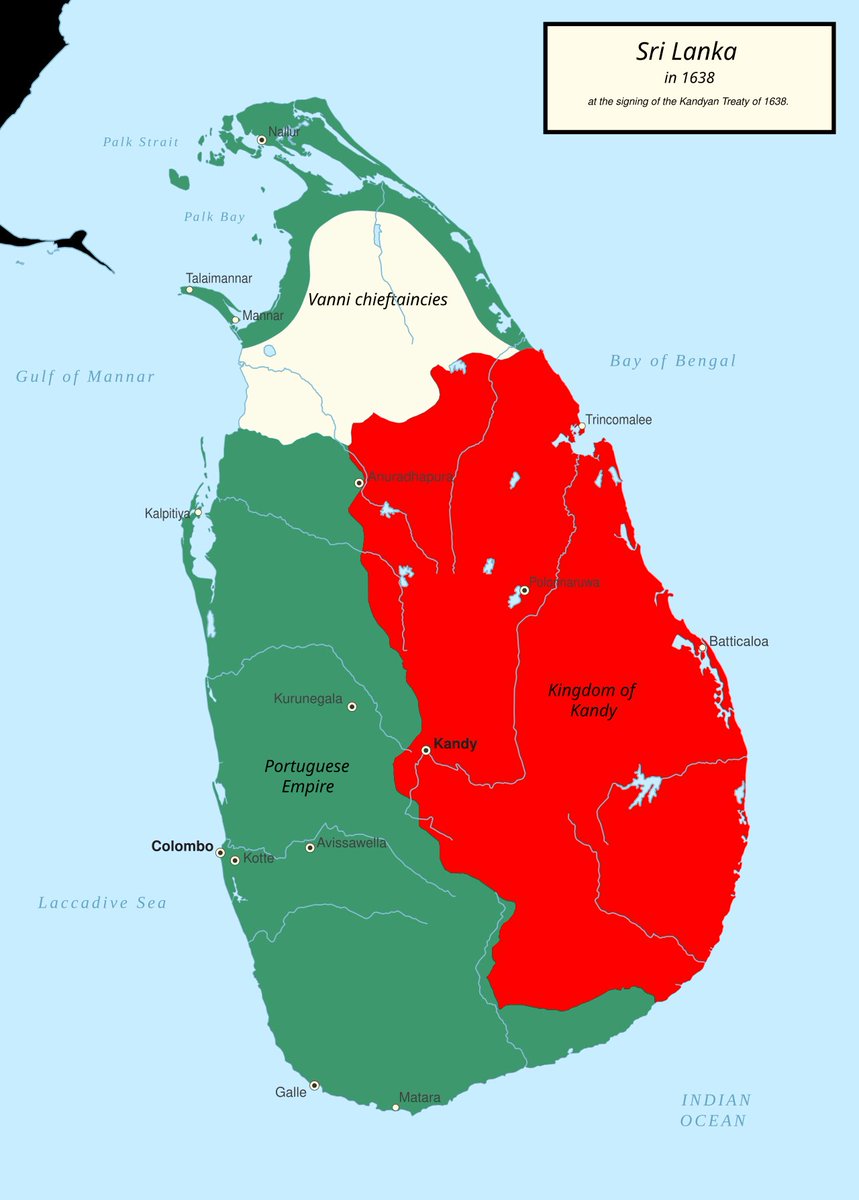
The Portuguese left unusually deep roots in some of their colonies
In Sri Lanka, they never fully controlled the island, yet Christians often have Portuguese surnames and 80% of Christians are Catholic
By contrast the 138-year Dutch presence barely left any memory at all!
WEIRD PHILLY DATA THING:
So I've been looking at Philly public data for a piece and found an interesting thing that might be useful for people covering/interested in Philly homelessness and the Kensington Wellness Court Program. The number of vagrancy incidents spiked this year, almost exclusively in Kensington 🧵