The future probably won’t belong to giant studios alone.
And it also won’t belong to prompt spammers flooding timelines with random generations.
The people who win will be the ones who combine:
• taste
• story instinct
• editing rhythm
• cinematography knowledge
• emotional restraint
• obsessive iteration
The camera is becoming software.
But vision still isn’t.
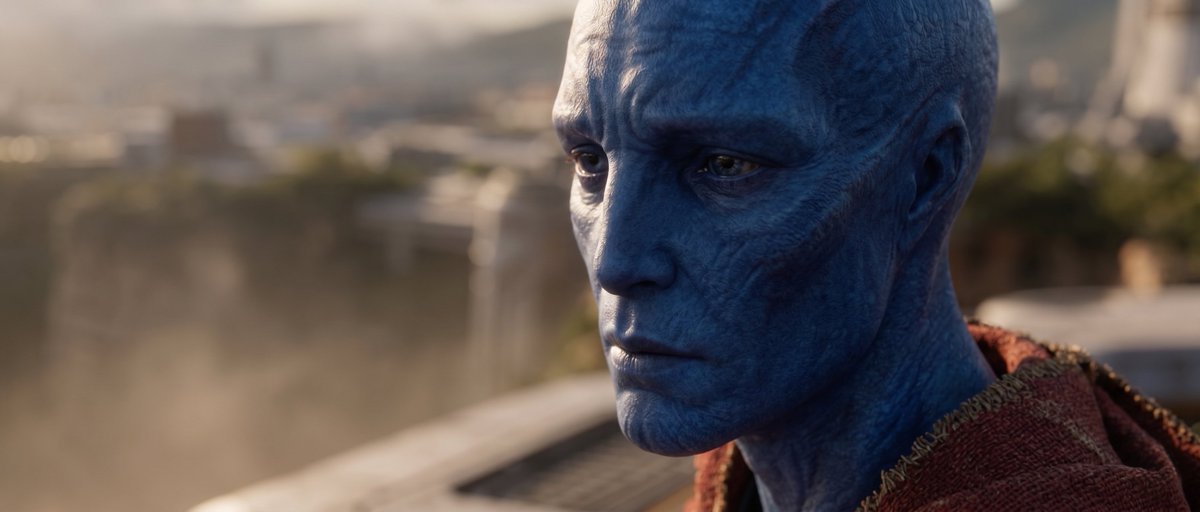
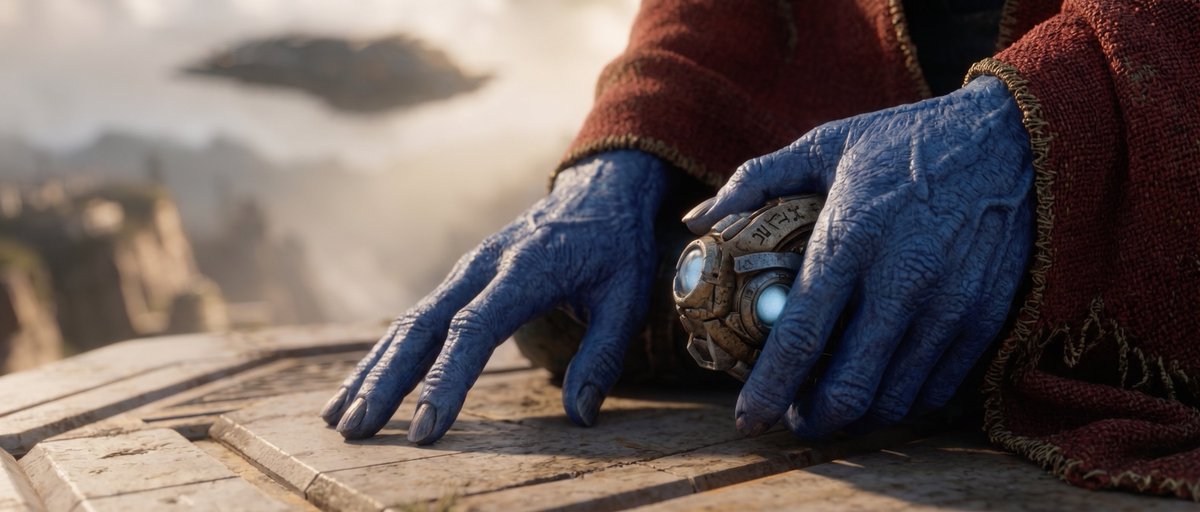
reference video from upcoming trailer #VisionOfTheFuture for
@XPRIZE@PeterDiamandis
Most AI images look impressive for a second.
Very few make me want to know what happens next.
When I'm designing worlds for films, I try to think less like an illustrator and more like a production designer.
Who built this place?
Why does it float?
How do people move through it?
Where does the power come from?
What does it sound like at sunrise?
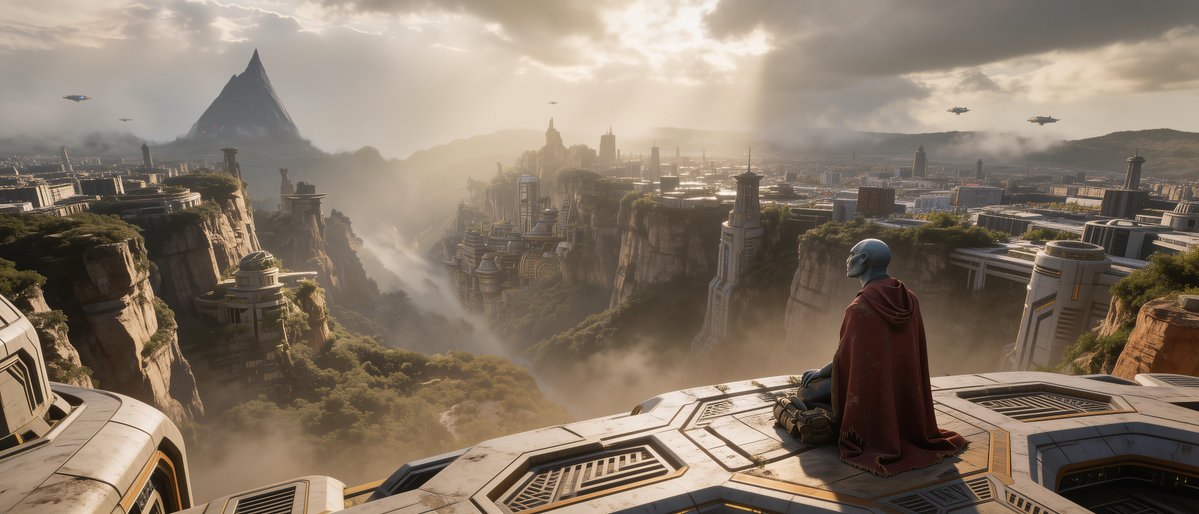
This floating rainforest commune started as an architecture study, but quickly became a piece of a larger world. A civilization that chose to build with nature instead of against it.
Every image becomes a location.
Every location becomes a story.
That's when AI stops feeling like image generation and starts feeling like filmmaking.
You’re totally right about the composition critique. Most of those observations are valid.
My point wasn’t that every frame should ignore composition rules. It’s that a lot of people treat those rules as absolutes when they’re really just tools. Some of the most memorable shots in cinema break “correct” framing, create awkward negative space, hide subjects, or feel slightly wrong on purpose because that’s what serves the mood.
Perfection isn’t always what feels real. Real spaces are often messy, unbalanced, and imperfect. I’d rather have a frame that creates a feeling than one that’s technically flawless but emotionally dead.
The post was aimed more at the photography mistakes that instantly make AI look synthetic, not at suggesting every image should follow classical composition to the letter.
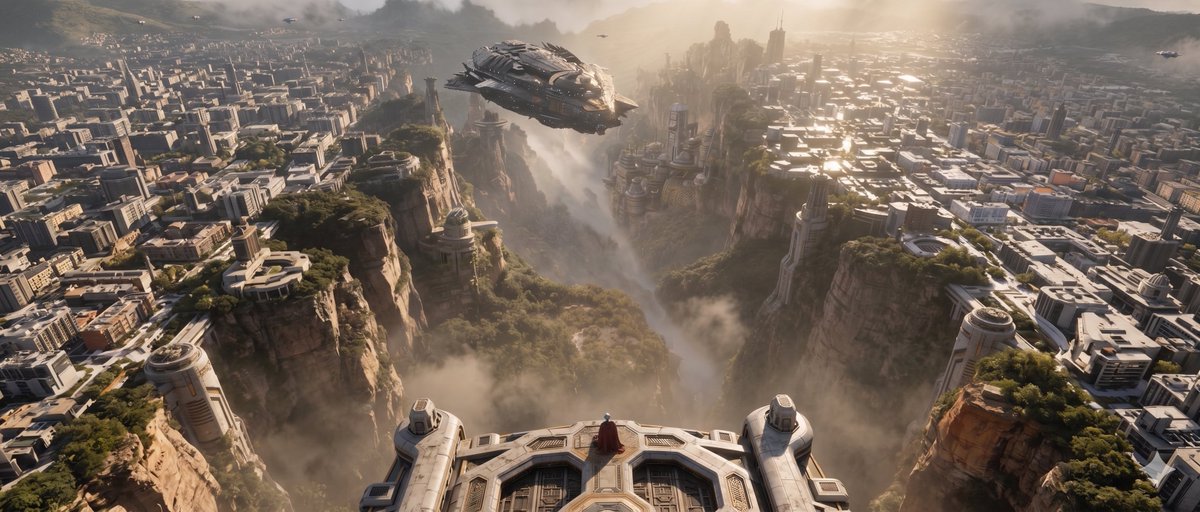
If your AI shots still feel “off,” check these before blaming the model:
• horizons too clean
• blacks crushed too hard
• saturation too high
• no atmospheric perspective
• every surface equally sharp
• lighting has no believable source
• characters posed instead of behaving
• scale cues missing
• environments too empty
• no lens imperfections
Most bad AI cinema is actually just bad photography.
[reference shot is from my upcoming short film]
Why is there NO AI image or video in this post?
This will help you skip the hype and finally start making your own AI films instead of just watching.
AI Filmmaking 2026 starter playbook (zero crew, pro results):
1. Block first: Generate locations + character sheets. Lock your vision.
2: Creative flow: Midjourney (and bit of gpt image 2) for wild concepts. Nano Banana as your Photoshop AI to insert consistent characters & perfect scenes.
3: Smart prompts: Build a custom GPT/Claude that knows your style. Feed shot needs → bulletproof prompts that crush every tool.
4: Seedance: Storyboard → dialogue + camera moves + emotion. Turn boards into cinematic sequences.
The $50k short film barrier just evaporated. You can direct from your couch.
This is only the surface. The revolution hits when you create.
Who’s shooting their first AI film this month?
What story are you dying to tell?
@JSFILMZ0412@grok@imagine Another step closer. Great job for the time and effort testing this out. It’s definitely competing pretty well to the contenders.
Should I share the prompt?
Another artifact from the abandoned tech archive I'm building for my short film.
The idea was simple:
What if a lost civilization stored living ecosystems inside engineered seeds and scattered them across the world before disappearing?
Centuries later, the technology remains dormant beneath roots, mud, and moss, still waiting for the right conditions to wake up.
I'm less interested in futuristic gadgets and more interested in technology that feels ancient, forgotten, and strangely believable.









![AndrewFromDO's tweet photo. If your AI shots still feel “off,” check these before blaming the model:
• horizons too clean
• blacks crushed too hard
• saturation too high
• no atmospheric perspective
• every surface equally sharp
• lighting has no believable source
• characters posed instead of behaving
• scale cues missing
• environments too empty
• no lens imperfections
Most bad AI cinema is actually just bad photography.
[reference shot is from my upcoming short film]](https://pbs.twimg.com/media/HItOQejXgAADJD4.jpg)


