There are three places where a country is changed: the garden, the classroom, and the home.
The garden teaches discipline and respect for nature.
The classroom builds knowledge and skill.
The home forms character, work ethic, and responsibility.
A country grows when its people carry these values into production, industry, markets, and public life.
#Uganda #NationBuilding #Agriculture #Education
Today I had an excellent interaction during my vetting with the appointments committee of Parliament of Uganda as they carried out their constitutional mandate. I outlined my vision for the Ministry of Foreign Affairs.
With a grateful heart, I sincerely thank His Excellency President Yoweri @KagutaMuseveni for appointing me Minister of State for Internal Affairs. It is a great honour, and one I do not take lightly.
I understand just how big this responsibility is. Behind this appointment stand the hopes of millions of Ugandans, the safety of our communities, and the future of a country that continues to grow stronger under His Excellency's leadership.
I step into this role with humility, with a deep sense of duty, and with a strong desire to serve well. I promise to work hard, to act with honesty, and to give my very best every single day. My focus will be simple and clear: to help keep our people safe, to protect peace in our country, and to serve Uganda with all the energy and care I have.
Your Excellency, thank you. Thank you for believing in me. Thank you for this chance to serve. By God's grace, I will work hard to prove that this trust was well placed.
For God and my country.
I am delighted by the appointment of Amb Adonia Ayebare to the post of Minister of Foreign Affairs of #Uganda by HE Yoweri K. Museveni. Well known figure to the people of #Burundi, his vital contribution as special envoy to our peace process remains etched in our memories.
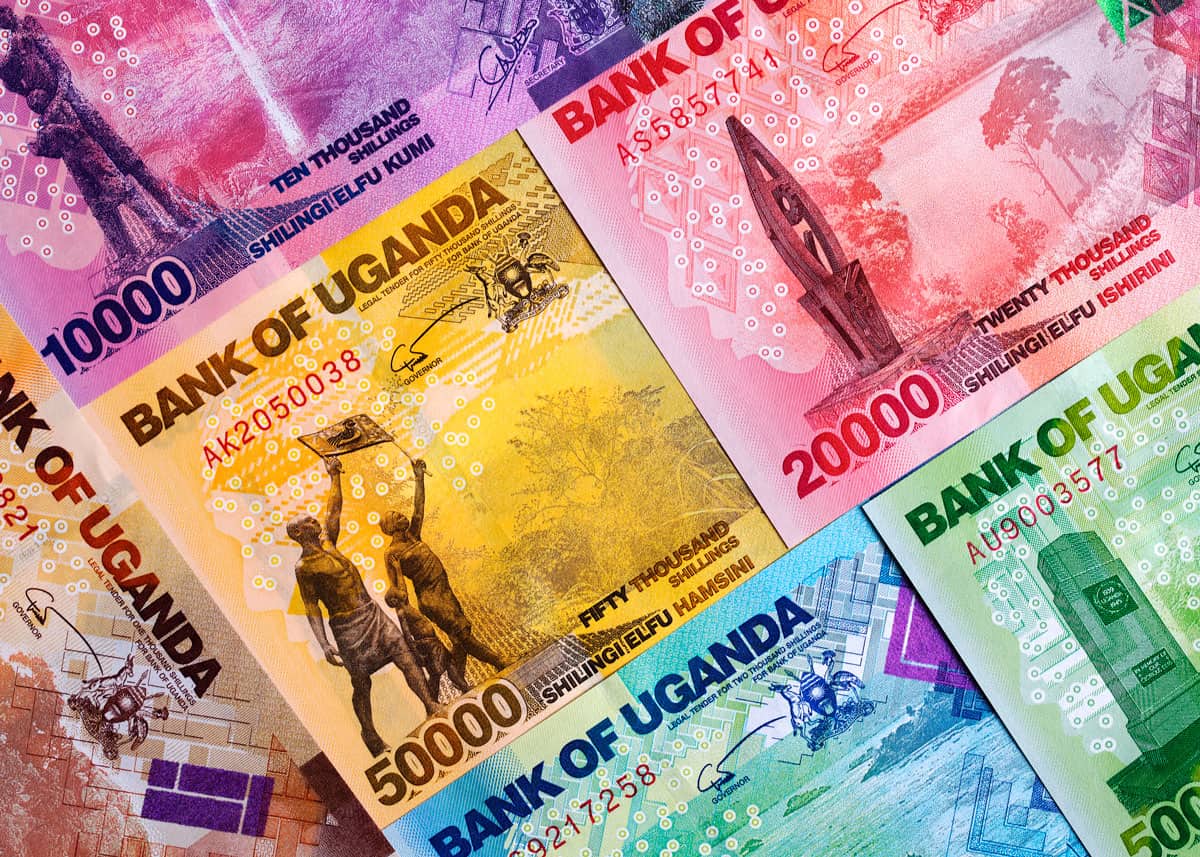
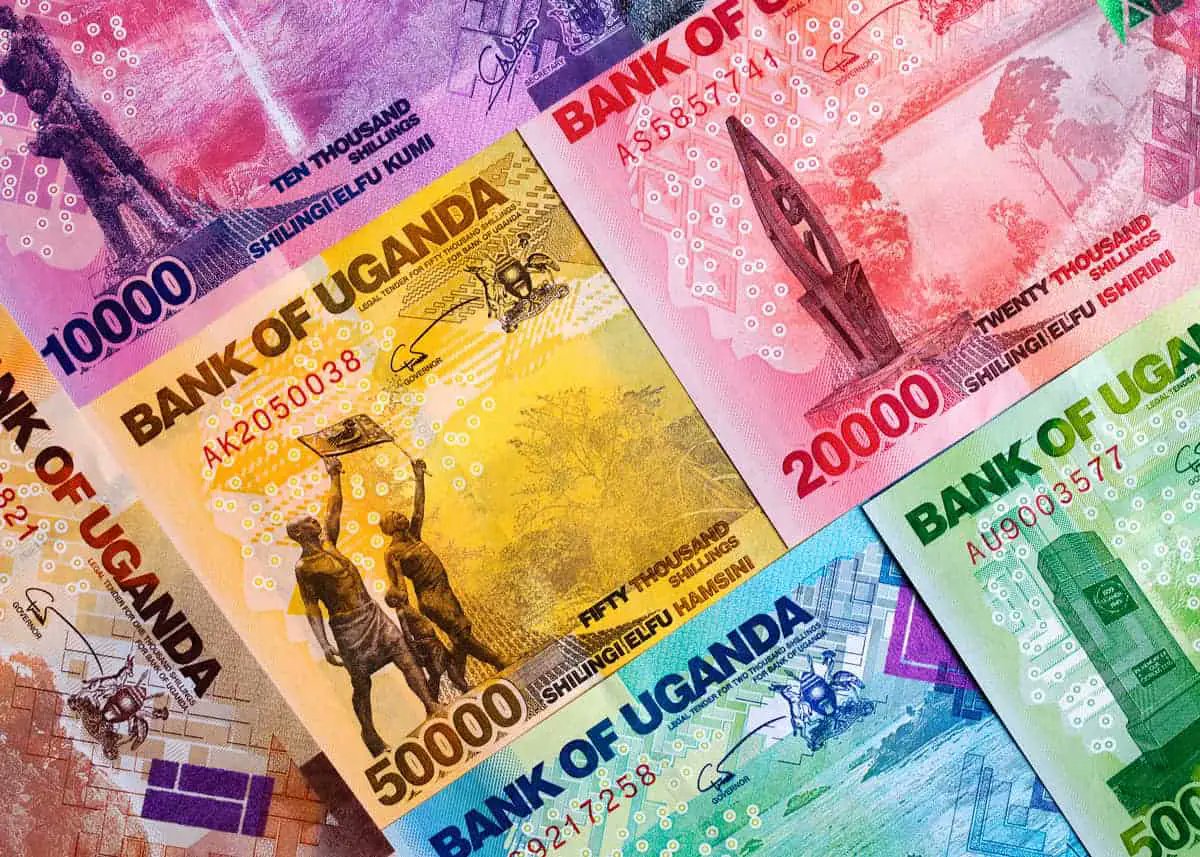
Bank of Uganda does not fix or directly control the exchange rate.
Uganda operates a floating exchange rate system, meaning the value of the Uganda Shilling is mainly determined by demand and supply for foreign currencies like the US Dollar. BoU may occasionally buy or sell foreign currency - not to force the shilling to a specific value, but to reduce excessive volatility and maintain stability in the market.
Read the full MPS May 2026: https://t.co/Qz7oO1mS2m
Watch the full press conference: https://t.co/9o9Ok2Wvil
The Temangalo deal was supposed to be simple: sell a few acres to NSSF, raise cash & buyout an incapacitated Asian shareholder from the National Bank of Commerce (NBC). A noble cause, right? Well…the media didn’t get that memo.
1/11
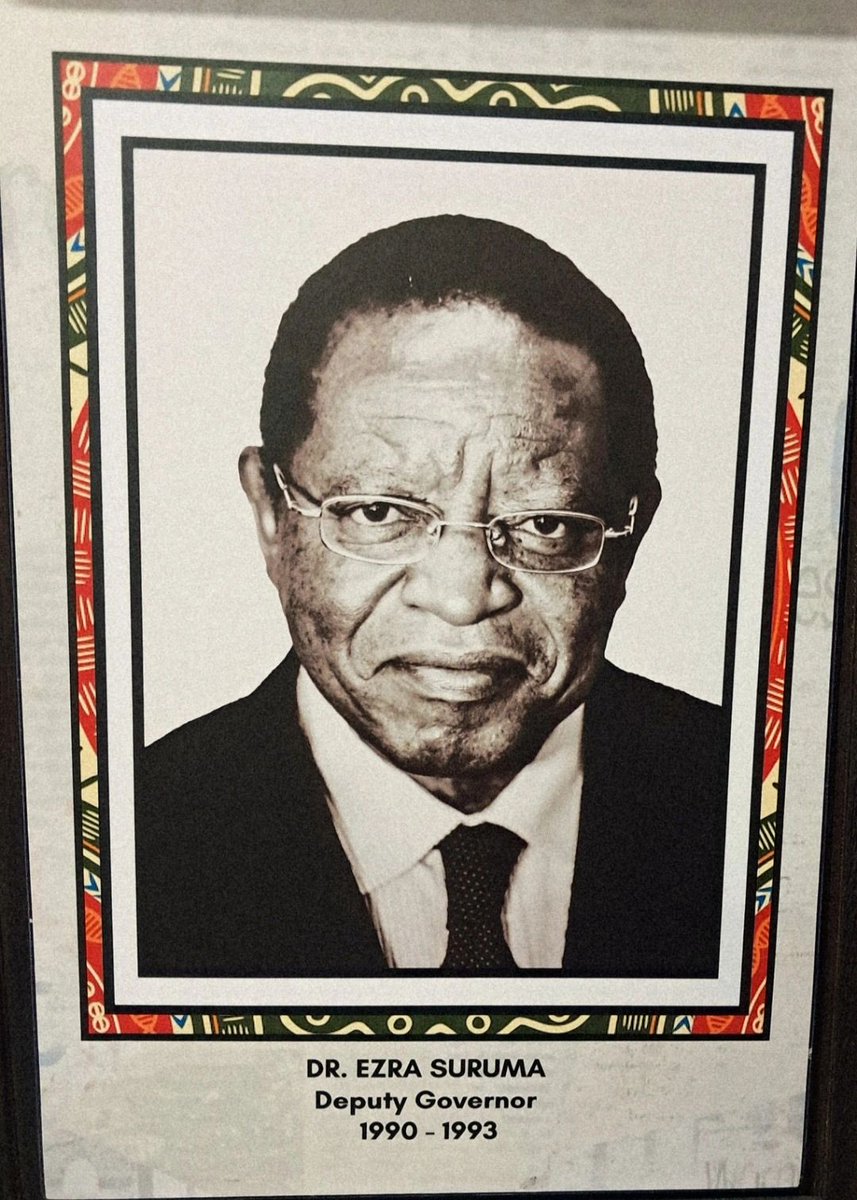
When Prof Ezra Suruma arrived at Uganda Commercial Bank (UCB) in 1993, the World Bank had one message: “We’re here to help…but also, we’re bringing our people.” Their financial credit terms…
1/12
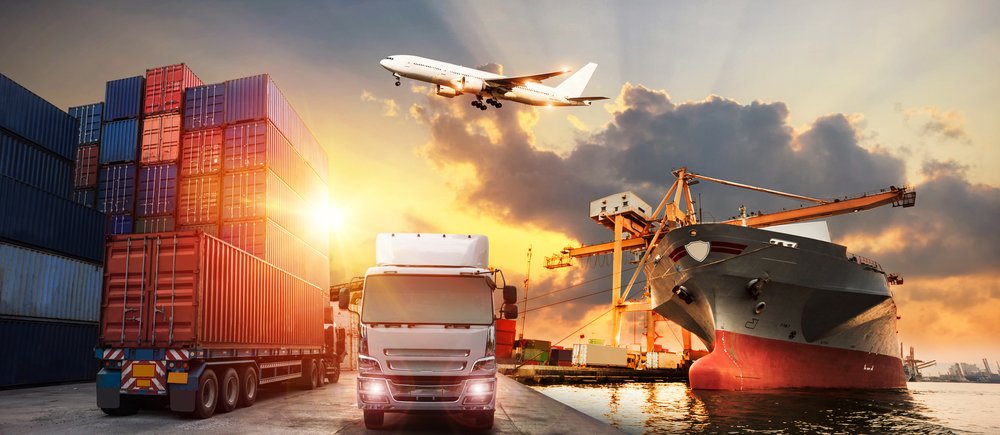
Global trade is getting interesting. Rising protectionism and trade tensions with tariff regimes unleashed by some countries are shaking traditional systems of global economic governance.
Fortunately, amidst this euphoria, Uganda's export sector has continued to register significant positive results, with our current account almost squaring off ( narrowed value of export receipts and import invoices), something that was recently as far as a distant star.
The drivers of high export sector performance include: coffee sales, gold, increased FDI, remmittances and a significantly revamped tourism sector.
Uganda's trade within the EAC is growing. According to reports, in the 12 months ending in November 2025, Uganda’s exports to the DRC hit $625 million, exports to Kenya were worth $592.9, and exports to South Sudan were valued at $492 million. We could unlock the Africa Continental Free Trade Area (AfCFTA), which is worth billions of trade opportunities.
It is worth noting that SMEs are Uganda's backbone as they employ over 60% of the working population. However, they are heavily constrained by a lack of financing capital.
We need to fix the issue of access to finance (only 18% get loans), digital tools, and trade information. What do we need to do? Enhance investment in value-added exports (processed coffee, milk, refined minerals, etc.).
There is also a need for financial deepening to allow more access to seed capital, particularly for SMES.
UGANDA'S CURRENCY: "THE COMPLEX BEAST"
The term ‘complex beast’ best describes currency strength because its value is determinved by a complex interplay of numerous, often interconnected factors rather than a single metric.
Currency strength is a barometer of a nation's overall economic health and market sentiment. It is not static, but rather a dynamic one, and constantly shifts in response to global events and domestic policies.
Here are my insights on the determinants of currency strength;
1.Export sector performance: A country’s export performance is a major factor. Think about, for instance, Uganda’s coffee, gold,cocoa, milk, beef, fish, flowers, tourist arrivals and export labour; the more we sell those products or attract more tourists and export more skilled labour, the stronger our shilling. Why? Because all these create inflows in form of foreign exchange or hard currency. Uganda earned a record $4.2 billion from gold exports in the Financial Year (FY) 2024/25.
2. Remittances: Money that is sent by Ugandans working abroad provides a vital cushion, and this supports the shilling's stability. Available statistics show that remittances in Uganda reached $ 1.4 billion in FY 2024/25.
3. Monetary Policy: At the Central Bank, we have had smart actions such as managing interest rates and keeping inflation in check. We maintained the Central Bank Rate (CBR) at 9.75% and this has helped in curbing inflation. Sound macroeconomic fundamentals, such as rising exports and managed inflation, have helped boost confidence in the shilling.
4. Foreign Direct Investment: Inflows from investors abroad (FDI), especially in energy and infrastructure, have greatly helped in supporting the shilling. Uganda’s oil sector has attracted significant investment, enhancing economic prospects.
From the above illustration, it is evident that a strong currency is driven by a mix of domestic performance and global dynamics. The implication is that Uganda’s economic fundamentals are solid, but we must focus on sustainable growth.
FX Liquidity Arbitrage
A paper on Arbitraging FX to stabilise the UGX using seasonal forex flows within COMESA
The logic behind a south sudanese businessman going to egypt to buy USD then heading to Uganda to buy real commodities.
https://t.co/hYcdK07qcZ
@BOU_Official
Uganda's economy is on a growth trajectory, driven by performance in key sectors, mainly the services sector, industry sector, and agriculture, but persistent exchange rate volatility presents a complex challenge impacting businesses and requires careful management.
This volatility reflects the inherent dynamics of a market-determined, floating exchange rate regime and the influence of both domestic and global factors. The key to mitigating exchange rate volatility is strengthening the export sector performance.
Uganda's merchandise exports surged by 53.6% in July 2025, reaching US$1,248.12 million compared to US$812.69 million in July 2024. This growth was primarily driven by increased earnings from key commodities, mainly coffee and gold, as well as other products, which include sugar, base metals, fruits, and vegetables.
Our export base is now fairly diversified, with coffee, cocoa, dairy products, cereals, and fish. However, most products are exported in their raw or minimally processed form, which discounts returns from these products. This underscores the need to add value to export products and boost their competitiveness.
The East African Community (EAC) is a key market for Uganda’s exports, with Kenya, South Sudan, and the DRC leading the way. In 2023, Uganda’s exports to Kenya were valued at $439 million, and to South Sudan at $536 million. For the Financial Year 2024/25, Uganda’s exports to DRC were $542.74 million, a significant increase from the previous year. We should leverage regional trade to expand our export footprint.
For a country to improve export performance, it must address the high cost of doing business. The focus must be on high-value products, but the country must close infrastructure gaps, enhance skills-mix development and improve trade facilitation. These can be achieved through export diversification, focusing on strengthening the manufacturing sector, strengthening forex market regulation, and maintaining a strong monetary policy. The aim is to ensure price stability, reduce exchange rate volatility and promote economic growth.
As we wind up towards the end of 2025, one of the concerns being discussed on a global level is that the global economy is currently facing significant challenges emanating from a combination of persistent and emerging risks, as well as subdued growth forecasts and uneven recovery from the recent economic shock.
Global GDP growth is projected to decrease from 3.3% in 2025 to 3.2% in 2026, as front-loading ceases and high tariff rates, along with still-high policy uncertainty, dampen investment and trade.
Euro area GDP growth is expected to be at 1.2% in 2025 and 1.0% in 2026, increased trade frictions and geopolitical uncertainty somewhat offset by easier credit conditions.
Growth in China is projected to be 4.9% in 2025 and 4.4% in 2026, as front-loading unwinds, higher tariffs take effect, and fiscal support fades.
Further increases in bilateral tariff rates, a resurgence of inflationary pressures, increased concern about fiscal risks, or substantial risk repricing in financial markets could all lower economic growth relative to the baseline.
The World Trade Organization (WTO) recently reduced its 2026 forecast for world merchandise trade volume growth to 0.5% down from a previous estimate of 1.8%, citing the impact of trade policy uncertainty and new tariffs.
Key causes of subdued growth include the rising trade tensions and protectionism, climate change concerns, characterised by extreme weather events, among others.
What should be done?
There is a need for countries, especially developing economies, to implement debt restructuring and relief measures to reduce debt burdens and free up resources for growth-promoting investments in areas such as infrastructure, education, and healthcare.
Implement progressive taxation policies to reduce income inequality and increase Government revenue. These include higher tax rates on capital gains, estate taxes, and wealth taxes.
These policies are designed to reduce income inequality by requiring those with higher incomes or more wealth to pay a larger percentage of their income in taxes.
Other measures include interest rate adjustments to stimulate borrowing and investment while maintaining price stability, and quantitative easing, labour market reforms to ease flexibility and reduce unemployment.
One of the global issues being discussed now is the advancement of Artificial Intelligence (AI). AI is transforming the labour market by mostly around automating repetitive tasks, which can displace jobs in areas like customer service and data entry, etc, through increasing productivity and efficiency, but at what cost? up to 40% of jobs globally, and 60% in advanced economies, are potentially affected by AI, according to a January 2024 analysis by the International Monetary Fund (IMF).
The U.S. AI in manufacturing market is expected to reach $6.08 billion by 2028, a significant increase from $0.92 billion in 2023. The market is projected to grow at a compound annual growth rate (CAGR) of 46.0% from 2023 to 2028. AI is also being used in transportation; for example, highly automated warehouses employ about 25% fewer workers than a traditional facility with the same output. However, new job opportunities in AI development and maintenance are emerging.
In Japan, AI and robotics are being used to address labour shortages in the healthcare and elderly care sectors, driven by factors such as a shrinking workforce and a rapidly aging population. This effort is supported by significant Government investment as part of its national strategy.
In India, AI has created opportunities in IT and Business Process Outsourcing (BPOs). However, it has also disrupted traditional industries like accounting and bookkeeping. In Uganda, we can use AI to address challenges in agriculture, healthcare, and education. AI-powered chatbots are being used to provide healthcare information and support. However, we must ensure that the benefits are holistic and risks are mitigated in a timely manner.
In Germany, the government is investing in AI research and development. By funding six AI competence centers, increasing the budget for AI research to over €1.6 billion, establishing 150 new AI professorships, and supporting the development of AI infrastructure. Germany is also focusing on transferring research into practical applications, particularly for small and medium-sized enterprises (SMEs), and creating a holistic AI ecosystem with specific initiatives for different sectors.
AI is advancing and causing disruptions. However, it is also creating new opportunities in fields like data analytics and machine learning. But to take up the AI-related opportunities, it necessitates upskilling and reskilling as demand for skills like creativity, critical thinking, and innovation grows to complement AI's capabilities.
Did you know that balancing monetary policy and economic growth is a delicate act? In fact, Central Banks globally face this challenge daily. How do they do it? Here are my insights.
a)In the aftermath of the 2008 financial crisis and the ensuing recession, the United States Federal Reserve implemented an aggressive and unconventional monetary policy to stimulate economic growth. These included the Zero Interest Rate Policy and rounds of quantitative easing, which expanded the economy by trillions of dollars.
b)In 2014, the European Central Bank introduced negative interest rates in 2014 to provide further monetary stimulus to the economy, encourage banks to lend to businesses and consumers, and stave off deflation risks when interest rates were already near zero.
c)After the 2008 financial crisis, the Bank of Japan combined large-scale asset purchases with its Yield Curve Control policy to curb deflation. The Policy targeted both the short-term interest rate and the 10-year Government bond at a yield 0% to maintain loose monetary conditions. South Korea used rate cuts to 0.5% and macroprudential tools to manage growth and debt.
d)In Uganda, we also walked a tightrope in 2022 when inflation reached double-digit figures (peaking at 10.7%) in October, the Bank of Uganda implemented a contractionary monetary policy, primarily by incrementally raising the Central Bank Rate (CBR). The CBR was raised from 6.5% in May 2022 to 10% in October 2022. This helped in curbing down inflationary pressures.
Key takeaways. Monetary policy isn’t a one-size-fits-all. Context matters. It is through flexibility, data-driven decision-making that central banks can adapt to changing economic landscapes. As Uganda, we are on the right track. With prudent policy, we can achieve sustainable growth and stability.
The digital revolution has swept the globe, and today, nearly 5 billion people are digitally connected, but as we enter in digital age, it is equally crucial to think about how technological advancement can address the financial gaps that continue to pervade the underserved population.
Did you know that the digital revolution is reshaping economies and unlocking new opportunities for financial inclusion? Globally, 69% of adults now have a bank or mobile money account, while in some economies, account ownership has surged beyond 80%
The Progress has been slower in some countries, often held back by large gender disparities and between the rich and the poor. Through digital solutions like banking apps and mobile wallets, we can bring financial services to those who are excluded.
In Uganda, mobile money platforms like MTN and Airtel Money have shown the potential of mobile payments. In rural areas where physical banks are limited, mobile money acts as a lifeline, enabling people to send and receive money.
By 2023, a total of US$36 billion in transactions were processed, and mobile money is now a significant part of the economy, contributing over 5% of Uganda's GDP.
The growth is driven by features like accessibility on basic phones via USSD technology, making it a vital tool for financial inclusion, especially in rural areas.
In addition, fintechs are creating inclusive financial products in the form of microloans, savings accounts, and insurance for people who do not have traditional access to banking and non-banking intermediaries.
The digital revolution has the potential to make financing accessible for everyone, no matter where they are.
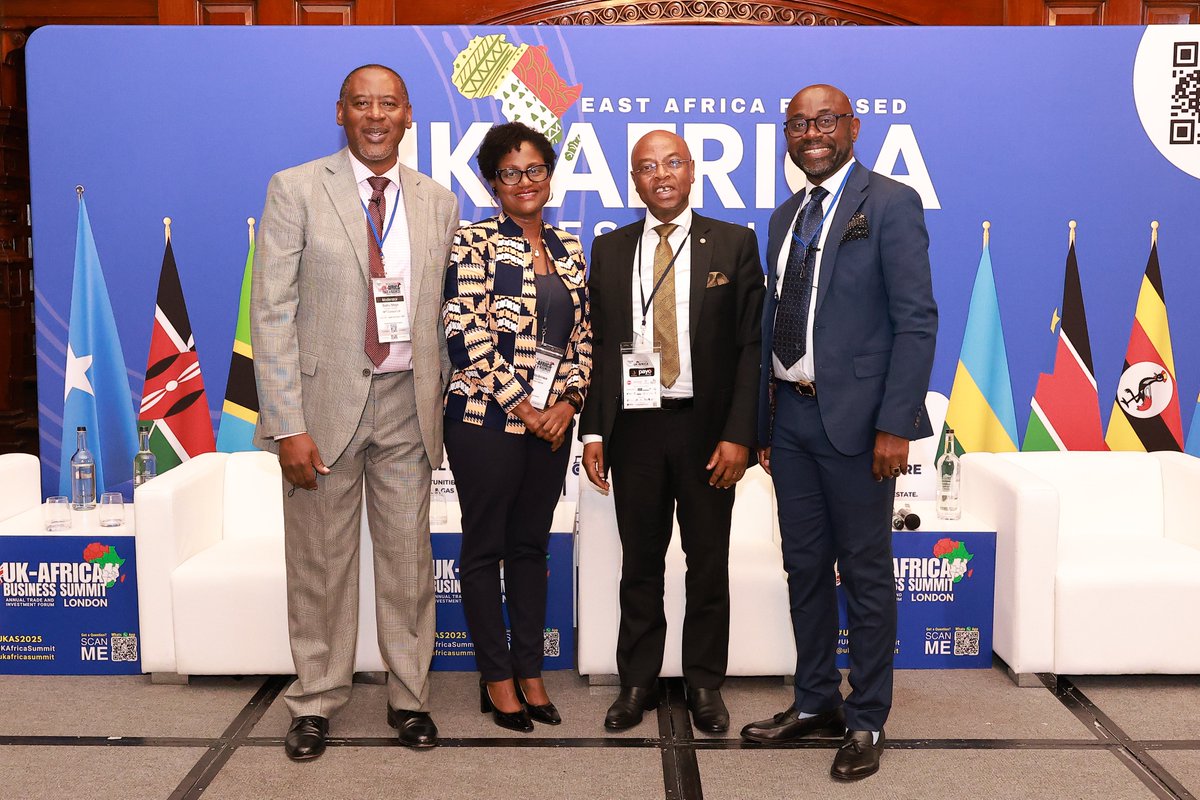
At the 15th #UKAfricaSummit, I discussed how @BOU_Official is driving financial modernisation, managing macroeconomic risk, and opening new channels to private capital.
I also highlighted strategic investment opportunities in oil, agro-industry, infrastructure, and climate-aligned sectors – supported by policy stability and institutional reform.
I emphasised the need to reduce harmful taxes and uncertainties, simplify the tax payment process, and offer targeted tax incentives to investors in key priority sectors, ensure the reliability of this economic infrastructure to reduce operational costs, and need to incorporate ESG standards and provide green investment incentives to attract responsible investors who align with sustainability norms, particularly in agriculture, manufacturing, and renewable energy.
On regulatory reforms, I highlighted the need to simplify investment procedures by reducing bureaucratic red tape and unnecessary delays in licensing and permit issuance.
An example is the one-stop centre for investors that should be provided by the Uganda Investment Authority (UIA), liberalise capital and financial accounts to allow the free movement of private capital for investment, and permit foreign ownership of enterprises in strategic sectors, as well as promote transparency and fair competition to curb monopolistic practices and unethical business behaviour.