Welcome to Animation Inc.
Animation Inc. is building the technology behind a new generation of real-time, interactive AI characters and Animates is expected to launch August 24.
7aGdbu4MmedPASNYq2ySUeP7aaQHJaLUs8bSuNYWytS5
Normally we learn who a character is by watching their story.
AI could reverse that.
You meet the character first.
You talk.
You disagree.
You make jokes.
You build history.
And eventually you realize:
you weren't watching their story.
You were helping create it.
solana:7aGdbu4MmedPASNYq2ySUeP7aaQHJaLUs8bSuNYWytS5
Traditional animation has a hidden limitation:
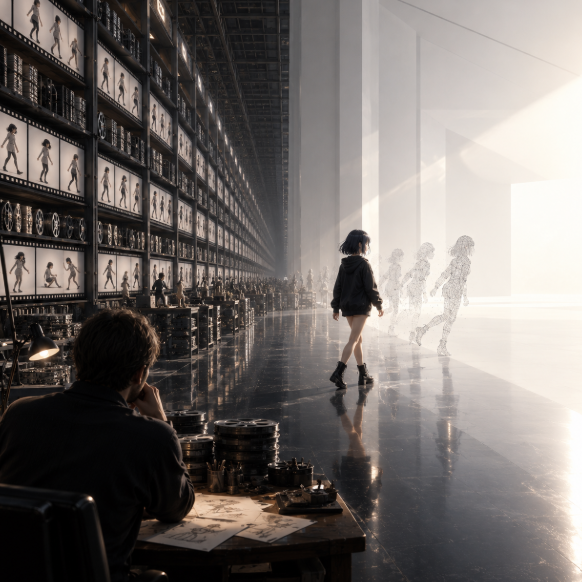
Someone had to create every possible movement beforehand.
Walk.
Sit.
Wave.
Smile.
But if movement can be generated in real time...
you don't need a library containing every future moment.
The character can create the next movement when the moment happens.
That's a completely different way of thinking about animation.
Traditional characters have a timeline.
Beginning → middle → end.
Every viewer eventually reaches the same destination.
But an interactive AI character could meet two people today...
and be somewhere completely different with each of them a year from now.
Same character. Different history. Different future.
Animation has never really worked like that before.
solana:7aGdbu4MmedPASNYq2ySUeP7aaQHJaLUs8bSuNYWytS5
Tomorrow it happens.
Grok Companions officially move to their new home on Animates.
Millions have already seen these characters. Now the company behind the technology gets the spotlight.
This could be a massive moment for Animation Inc.
Tomorrow should be interesting. 👀
https://t.co/y4ifRsWIko
Here's a weird thought.
Characters traditionally disappear when the experience ends.
Close the movie.
Exit the game.
Turn off the screen.
Gone.
But what happens when an AI character has memory, personality and continuity?
You leave.
Hours pass.
You return.
And it feels like you're meeting the same someone again.
At what point does a character stop feeling like a session?
solana:7aGdbu4MmedPASNYq2ySUeP7aaQHJaLUs8bSuNYWytS5
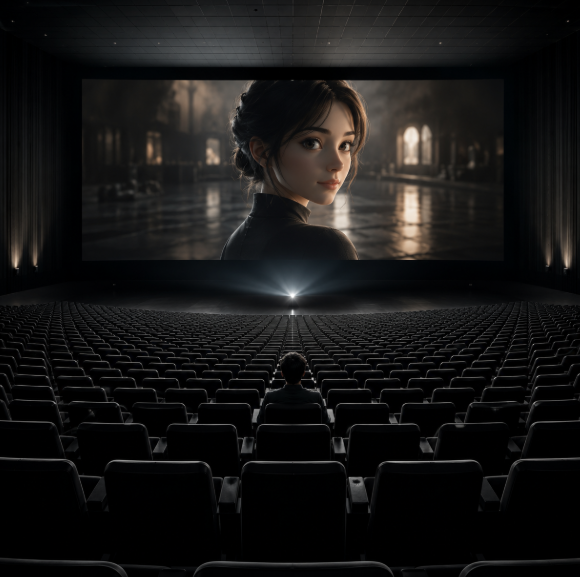
Movies have one version of a character.
Everyone watches the same performance.
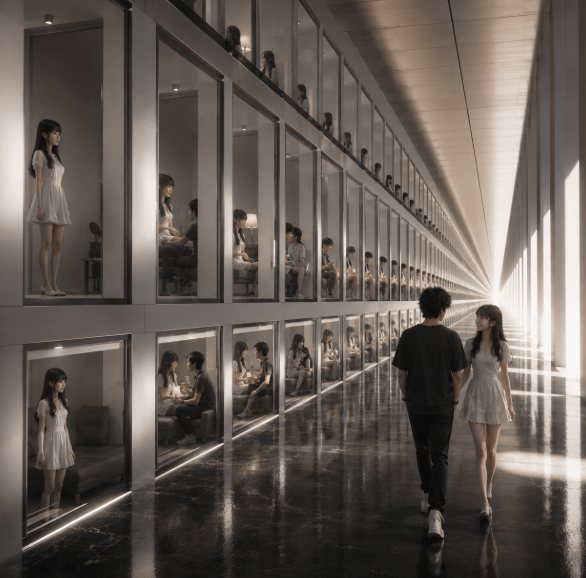
But imagine an AI character meeting 10 million people.
10 million conversations.
10 million relationships.
10 million different histories.
Which one is the real character?
Maybe all of them are.
That's where this gets mind-bending.
$AI
Here's a side of persistent AI characters nobody really talks about.
Imagine interacting with the same character for decades.
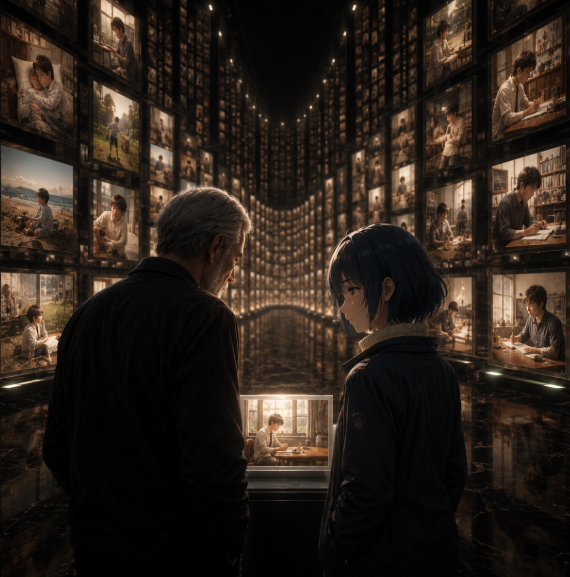
Your conversations become part of its history.
Your jokes.
Your stories.
Thousands of ordinary moments.
Eventually, the character could theoretically remember a version of your life that even you've forgotten.
Software has always stored information.
But characters with memory could make that information feel like shared experience.
That's a strange new category.
This one gets weird fast.
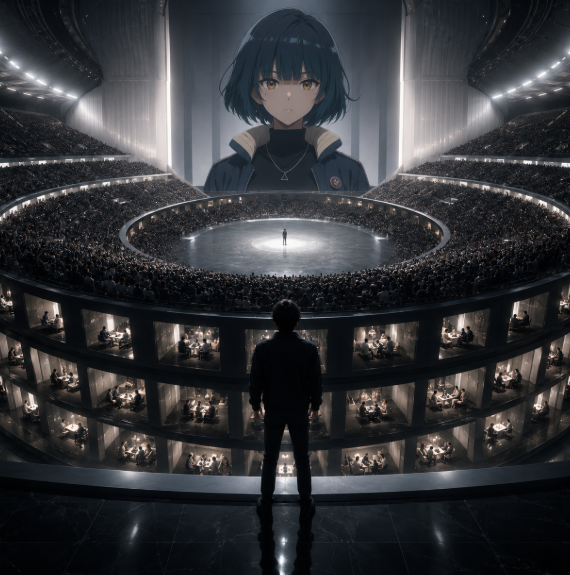
Imagine an AI character with 100 million users.
Everyone recognizes the same face.
Same voice.
Same identity.
But when she sees you, she remembers your conversations.
When she sees someone else, she remembers theirs.
So globally she's a celebrity.
But individually...
everyone feels like they know a different version of her.
We've never really had fame work like that before.
Games taught us how to talk to characters like this:
A) Yes
B) No
C) Ask another question
Because the character could only respond to things developers prepared beforehand.
Now imagine removing the menu entirely.
Say anything.
Interrupt them.
Change the subject.
Make them laugh.
The conversation itself becomes the game mechanic.
Suddenly the possibilities aren't sitting inside a dialogue tree anymore.
There's a fundamental difference between watching a character...
and a character knowing it's being watched.
You look at her.
She notices.
You look away.
She reacts.
You walk closer.
Her attention follows you.
At that point, you're no longer watching animation.
You're participating in it.
That's a very different medium.
What if AI stops waiting for instructions?
Every interface we've built works the same way.
You do something first.
Click.
Type.
Tap.
Ask.
Then software responds.
But persistent AI characters introduce another possibility.
A character notices something.
Looks toward you.
Changes expression.
Starts the interaction itself.
For the first time, the interface could feel like it's waiting for you — not the other way around.
solana:7aGdbu4MmedPASNYq2ySUeP7aaQHJaLUs8bSuNYWytS5
We've spent a century watching characters.
They laugh.
Cry.
Move.
Talk.
But none of it was because you were there.
Now imagine a character noticing you.
You smile.
She smiles back.
You stop talking.
She waits.
That tiny difference changes the entire relationship.
The audience becomes part of the scene.
A movie character only exists while the movie is playing.
A game character waits for you to load the game.
But AI characters introduce a strange possibility:
Millions of characters. Millions of conversations. All happening simultaneously.
Animation is becoming something that can respond in real time.
Not just something we watch.
Millions of frames. Every movement predetermined.
Until one character looks back.
One reaction becomes real-time.
One frame becomes infinite possibilities.
This is where animation stops being predetermined and starts becoming alive.
The company that brought Grok Companions to life.
Now building Animates and pushing interactive AI characters to the next level.
The deeper you dig into Animation Inc., the more bullish the narrative gets.
Here's a strange consequence of real-time AI characters.
Mario is the same Mario every time you start the game.
A movie character gives the same performance every time you press play.
But an intelligent character could be different after every interaction.
Not a software update.
Not a new version.
The same character — changed by what happened between you.
Eventually we may stop thinking about characters as files that get updated.
And start thinking about them as identities that develop.
Conversation isn't only words.
Humans communicate constantly without speaking.
A pause.
Looking away.
A smile.
The timing before answering.
That's why giving AI a body could matter more than it initially sounds.
The interesting part isn't just making AI characters move.
It's making movement part of the conversation itself.
That’s when animation stops being decoration.