Match Day!
🏆#BetwayPrem
⚽️Kaizer Chiefs vs. Sekhukhune United
👕First Team
🗓️Tuesday 16 September 2025
🏟FNB Stadium
🕞19h30
📺SuperSport PSL
🎟R60 - Open Tickets, Shoprite: https://t.co/NRVgSP3t0D
👨👩👧👧Family Zone
#Amakhosi4Life#AlwaysHome
Khanyisa Mayo Arrives at the Village
Welcome back to the Kaizer Chiefs Village! A lot has changed since you were last here with your dad.
#Amakhosi4Life#AlwaysHome
Hayi, I respect Patriots:
This Nigerian built an entire compound on Gogo’s yard, hasn’t paid rent since 2017, says he was renting to buy shit, and had the arrogance to call his friends at @SAPoliceService - we were clear! We’re South Africans!
He will #Abahambe.
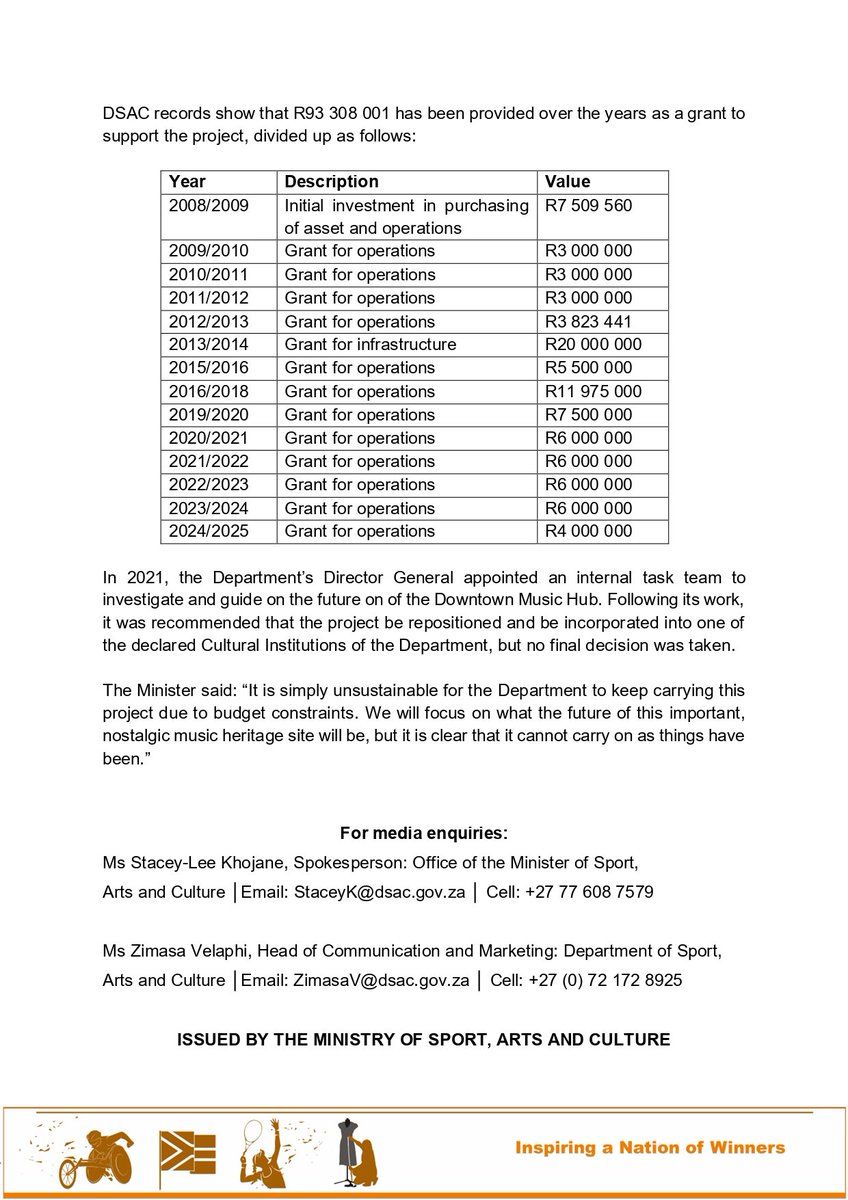
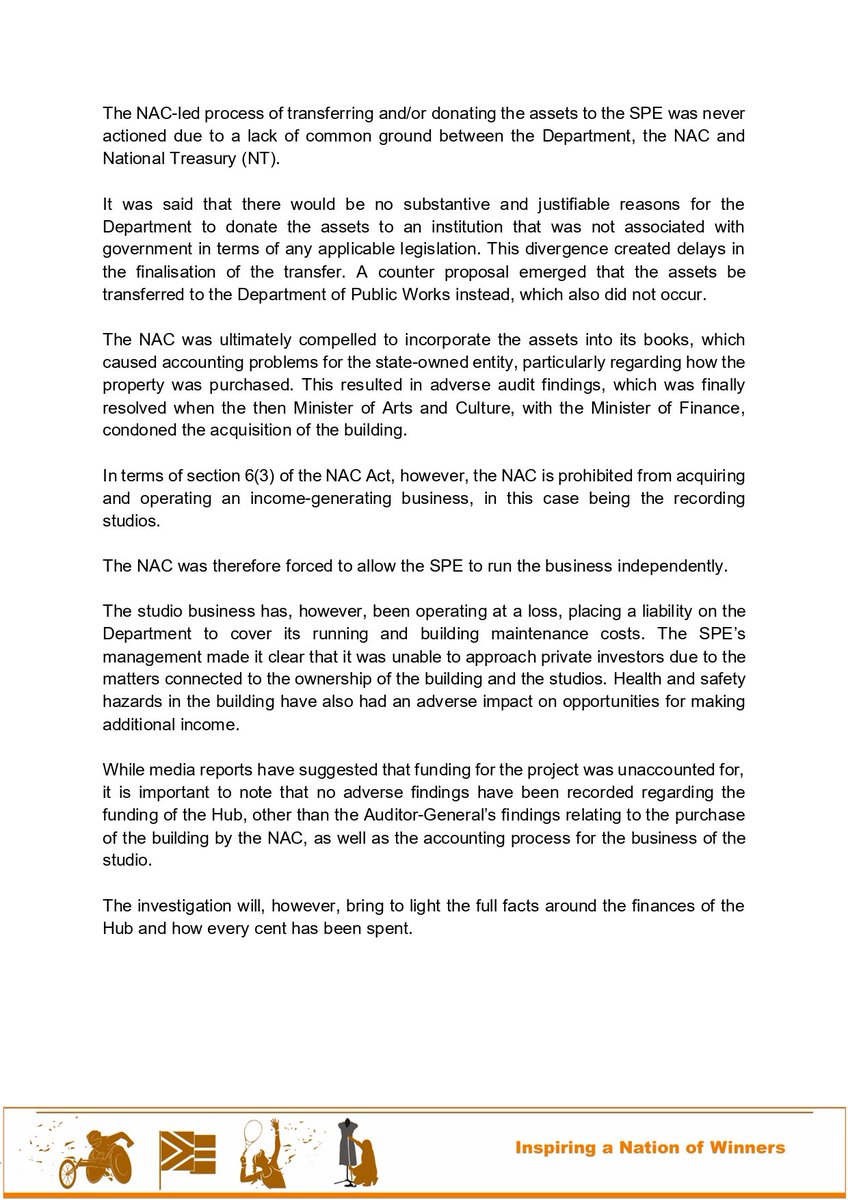
Minister @GaytonMcK has stopped further funding to the Downtown Music Hub pending a full investigation into funds disbursed since 2008. A decision on the future of the asset will follow. #GovZAUpdates
I am not xenophobic, I am PATRIOTIC.
The only “lack of understanding” I have, is how ANC can deploy a Deputy Minister who is so out of touch with the daily struggles of SAns?
Minister @GaytonMcK and Deputy President Shipokoza Paulus Mashatile arriving at James Ndudula Primary School in the Eastern Cape where they will hanover a newly built multipurpose sport facility 🇿🇦🇿🇦🇿🇦
Not true. The Expropriation Act, 2024 provides a legal framework for acquiring land for public purpose or in the public interest, as outlined in Section 3 of the Act. Expropriation is not new nor unique to 🇿🇦– governments worldwide have similar laws to acquire land for infrastructure projects, housing & economic development. The Act also sets clear rules on compensation, ensuring that property owners receive fair compensation, except in specific circumstances where nil compensation may apply.
MYTH 1: THE GOVERNMENT WILL TAKE PRIVATE RESIDENTIAL PROPERTY
Fact: There is no blanket authority to seize private homes. The Act only allows expropriation when land is needed for public interest or public purpose, such as infrastructure, housing, or agriculture (Section 3(1)). Private residential property is not the focus – the law primarily addresses underutilised, abandoned, or state-owned land.
MYTH 2: THE ACT SPECIFICALLY TARGETS WHITE PEOPLE, PARTICULARLY AFRIKAANS FARMERS
Fact: The law does not discriminate by race. Expropriation is guided by public need, not racial profiling.
While land reform is a constitutional obligation under Section 25 of the Constitution, this law applies to all property owners, regardless of race. The claim that it targets white farmers is a distortion of the facts.
MYTH 3: LAND WILL BE TAKEN WITHOUT COMPENSATION
Fact: Compensation is the standard rule. However, Section 12(3) of the Act outlines specific cases where nil compensation may be considered. These include:
Abandoned land
State-owned land that is not in use
Land acquired through corrupt means
Land held purely for speculative purposes. Even in these cases, it is important to note that the courts will ultimately have the final say in determining whether nil compensation is fair. No land will be taken arbitrarily without due process.
MYTH 4: THE ACT IS A RACIALLY DISCRIMINATORY LAW
Fact: The law applies uniformly to all landowners, regardless of race. The purpose is to address historical injustices and ensure equitable access to land for economic development. The claim that it is a racial law ignores the legal safeguards and oversight mechanisms built into the Act (Sections 5-7). This Act does not signal mass land grabs, nor does it threaten economic stability.