Geese leave their summer locations in the fall, and migrate south towards warmer habitats. They must leave before the soil and water freezes up until spring of the next year.
📸🖍️: Adobe Express
🔗🌳: https://t.co/OJ6NImUqNi
Grasshoppers aren’t adapted to survive the winter, but their eggs are. Adults die off after laying their eggs in the fall, which hatch the following spring.
📸🖍️: Adobe Express
🔗🌳: https://t.co/OJ6NImUqNi
Winter is a difficult time for any animal, but it can be especially challenging for fish living in lakes, who are unable to migrate to warmer regions.
📸🖍️: Adobe Express
🔗🌳: https://t.co/OJ6NImUqNi
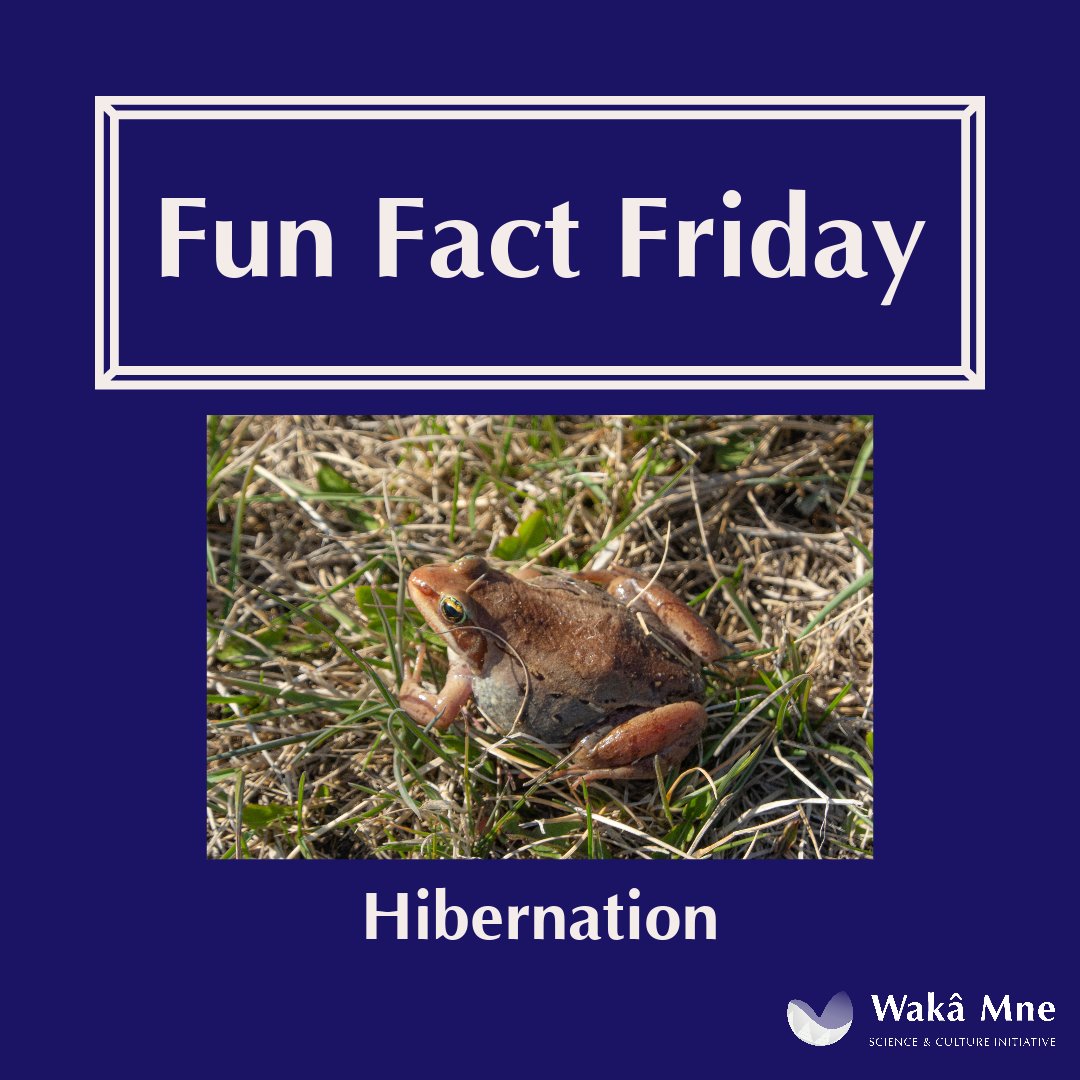
Since as early as 1959 (Dubach et al.), scientists have been trying to understand the role of certain chemicals in allowing small animals to endure freezing temperatures during the winter, such as wood frogs.
📸🖍️: Adobe Express
🔗🌳: https://t.co/OJ6NImUqNi
Although many people associate hibernation with bears, bears don't actually hibernate. They go into torpor, which is a lighter stage of sleep. This is why you shouldn’t go poking around bears dens, even in the winter.
📸🖍️: Adobe Express
🔗🌳: https://t.co/OJ6NImUqNi
Unlike other, smaller mammals who undergo two moults in a year in order to change colours to suit their environment, moose only gain and loose their thick winter coat.
📸🖍️: Adobe Express
🔗🌳: https://t.co/OJ6NImUqNi
Some small mammals that live in regions that have snowy winters (such as the hares in Alberta) will moult and grow their fur coats to match their surroundings.
📸🖍️: Adobe Express
🔗🌳: https://t.co/OJ6NImUqNi
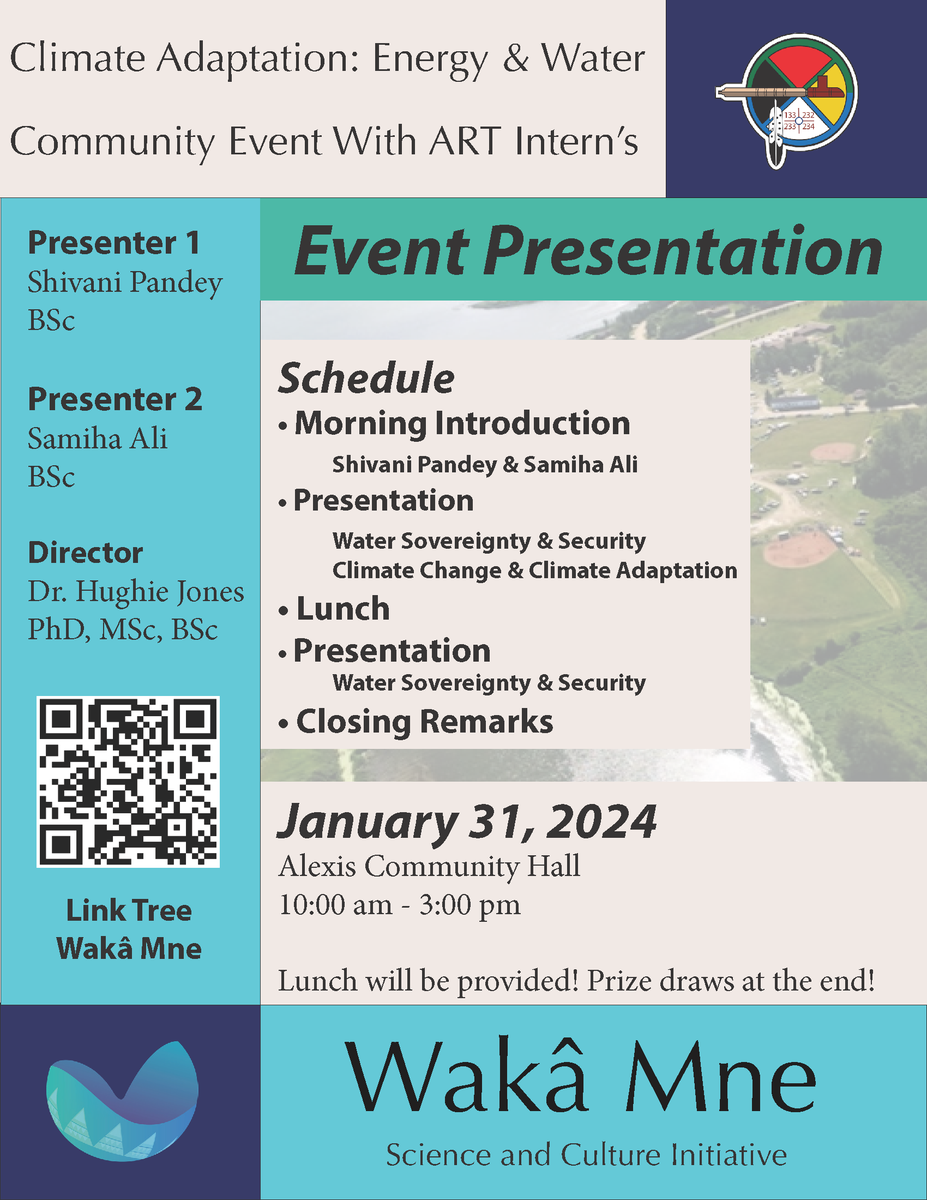
‼️ We will be hosting an event on ❄️January 31, 2024❄️ from 10:00am-3:00pm to highlight the research completed by our ART project assistants ‼️
Lunch will be provided and there will be a 🎁 P R I Z E 🎁 Draw at the end of the day.
Hope to see you there!
Did you know that snow acts as a buffer for air temperature extremes? Therefore, years with less snowfall can expose organisms that live under the snow such as plants, fish or small mammals like mice to colder than usual temperatures.
✨ Embracing Unity at the Heal Our Spirit Worldwide | The Ninth Gathering in Vancouver! 🌍🌿
Nadia & Jodie embarked on a transformative journey to Vancouver for Heal Our Spirit Worldwide | The Ninth Gathering 🌟
Thank you to everyone who came and supported our AGM!
Grateful to have two informative + insightful presentations by @ANSNproject and the Alberta Environment and Protected Areas' Aquatic Invasive Species Specialist.
A special welcome to our 4 new board members!
We're hosting an event to highlight the research done by our ART interns. Come listen and bring your best questions; discussions are encouraged! Lunch is provided, and there will be prizes drawn throughout the day. If you can't attend in person, a zoom link will be available.
The Adaptation Resilience Training program is helping a young, Indigenous-led organization protect treaty rights, the health of "God's Lake" and the future of people living on Lac Ste. Anne. #IndigenousHistoryMonth@ANSNproject
Watch the video: https://t.co/Uw6eNEXLzo
Learn about the advantages of teaming up with the @GreenUofA ART Program. Get insights from Dr. Hughie Jones and Jenna Carter, a previous ART intern, regarding her involvement and successful projects accomplished through the program.
🔗: https://t.co/8g23UNrOMU
Herbicides are used to control unwanted plant species. They often act by disrupting a cellular process unique to plants, therefore making it “not harmful” to animals (this is heavily debated). Roundup is a common herbicide that uses glyphosate as its active ingredient.