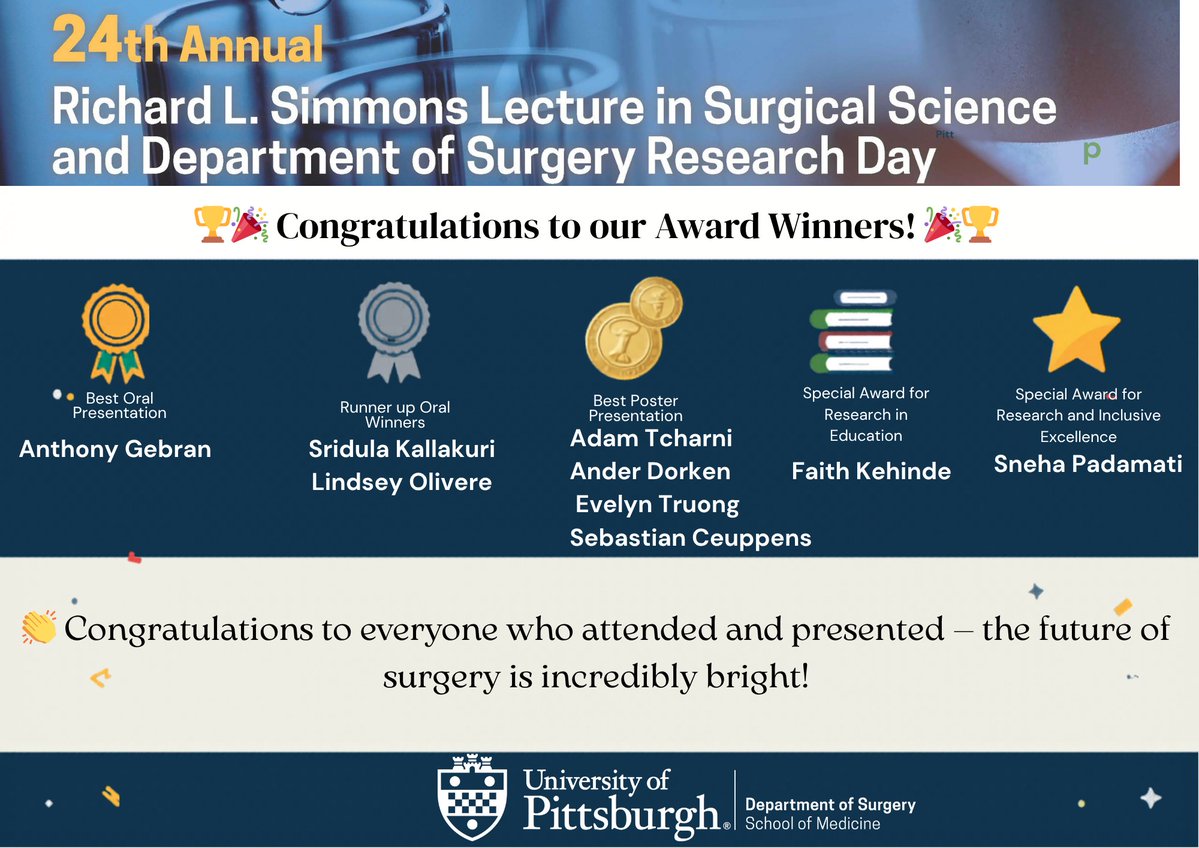
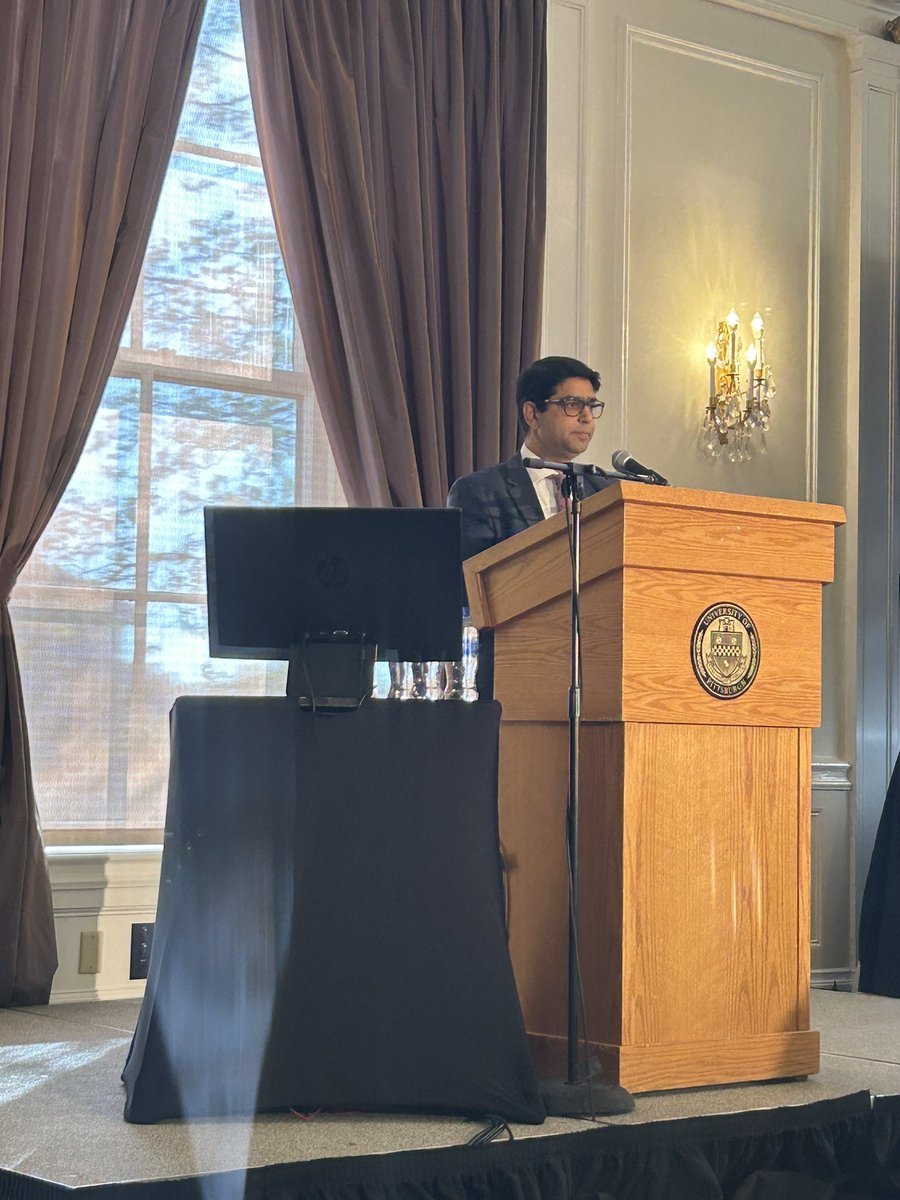
What an incredible PittSurgery Research Day! A fabulous day showcasing the breadth and depth of surgical research — from basic science to clinical innovation and education. So proud of our #PittSurgery family! Congratulations to all winners! 🏆 @UPMC_SurgRes
1 in 3 adults have varicose veins, putting them at risk of chronic venous insufficiency. A new interpretable AI model focuses risk assessment of endovenous thermal ablation, one of the main treatments for CVI that can cause complications like blood clots: https://t.co/tWuN2vdZf4
Deep learning implementation for extrahepatic bile duct detection during indocyanine green fluorescence-guided laparoscopic cholecystectomy: pilot study
➡️https://t.co/JmNqIJtv2J
A real-time deep learning system was developed to identify extrahepatic bile ducts during indocyanine green fluorescence-guided laparoscopic cholecystectomy. The YOLOv7 model, trained on 3993 images, demonstrated a mean average precision of 0.846 in single-frame validation and estimated accuracies of 94.39% for the common bile duct and 84.97% for the cystic duct in video clip validation. This model could potentially assist surgeons in identifying critical landmarks, thereby minimizing the risk of bile duct injuries during laparoscopic cholecystectomy.
👏👏👏Shih-Min Yin, Jenn-Jier J Lien, I Min Chiu
#SoMe4Surgery #MedTwitter #SurgEd #Surgery @BJSAcademy@BJSurgery@young_bjs@juliomayol@JJEarnshaw @OUPMedicine #some4hpb #some4tpl @hpb_so #bileduct #AI #cholecystectomy
Interpretable machine learning methodologies are powerful tools to diagnose and remedy system-related bias in care, such as disparities in access to postinjury rehabilitation care. https://t.co/ENasc1WlHY @hayfarani@dbertsim@AnthonyGebran @LMaurerMD
“Instead of accidentally encoding bias, interpretable AI methodologies are powerful tools to diagnose and remedy system-related bias in care.”
Fascinating work by @hayfarani@AnthonyGebran @ElmohebM @LMaurerMD using ML to detect & counteract bias in care https://t.co/QHocGRV8bb
Bias in AI is a well-recognized problem. In this study @JAMASurgery, AI instead diagnosed & treated bias in care. Not only did this "fairness-flipping" remove disparities in access to rehab post-injury, but it also improved the model's performance.
Equitable care is better care.
Can Artificial Intelligence diagnose & remedy, instead of consolidate, racial disparities in care? Check out our new publication in @JAMASurgery to learn about our new AI model addressing disparities in Trauma. Work led by @hayfarani & @dbertsim and the phenomenal MGH/MIT crew.
Interpretable machine learning methodologies are powerful tools to diagnose and remedy system-related bias in care, such as disparities in access to postinjury rehabilitation care. https://t.co/X7U8mJQtzc @hayfarani@dbertsim@AnthonyGebran @LMaurerMD
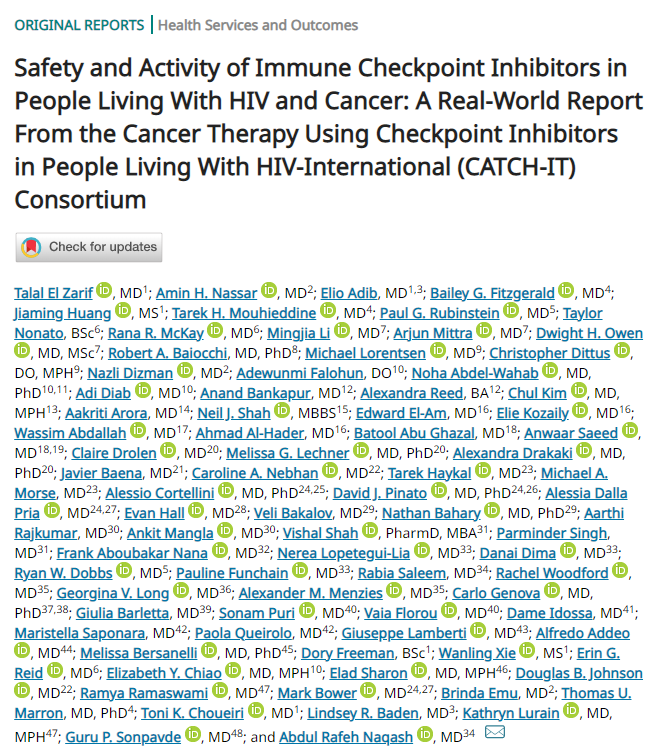
Today we share in @JNCI_Now the final results of our experience on ICI use for penile cancer. Work presented at @ASCO#GU23. Thankful to co-first author @AminNassarMD, co-senior authors @sonpavde@apolo_andrea, colleagues, and patients from across the 🌎!
https://t.co/bLW9kMKcf2
Taking a moment to appreciate all the amazing people behind this study out today @JCO_ASCO that has been in the works for 2+ years. Hoping that it can guide oncologists caring for people living w/ #HIV and #cancer. https://t.co/zp5pLdQshs
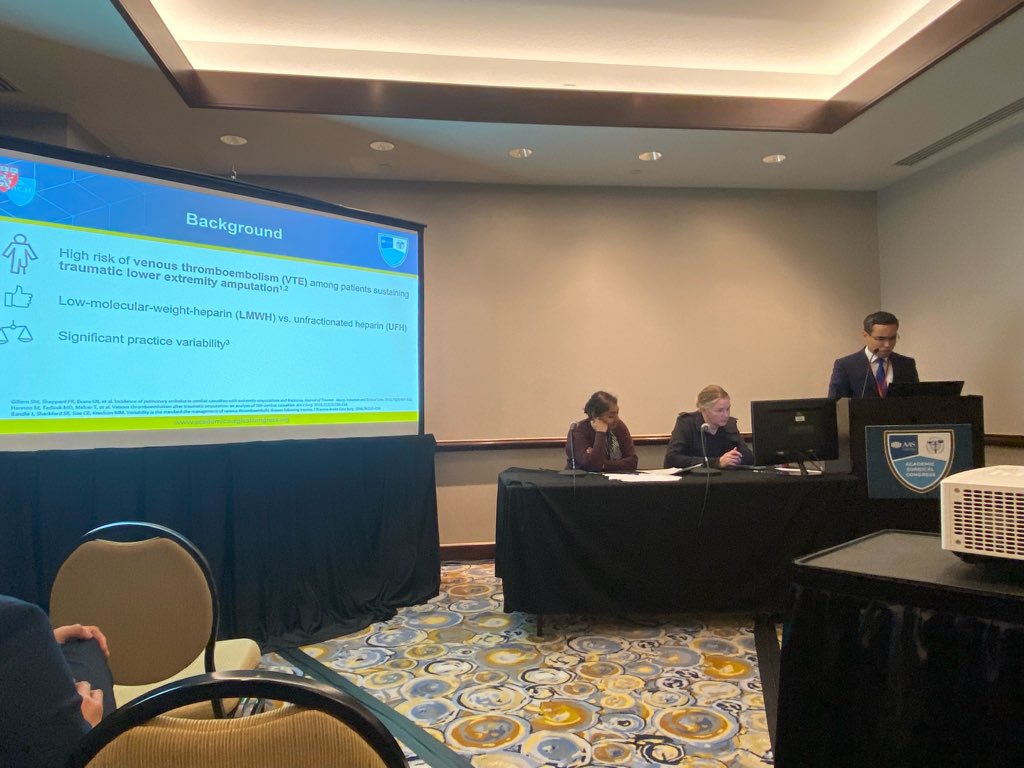
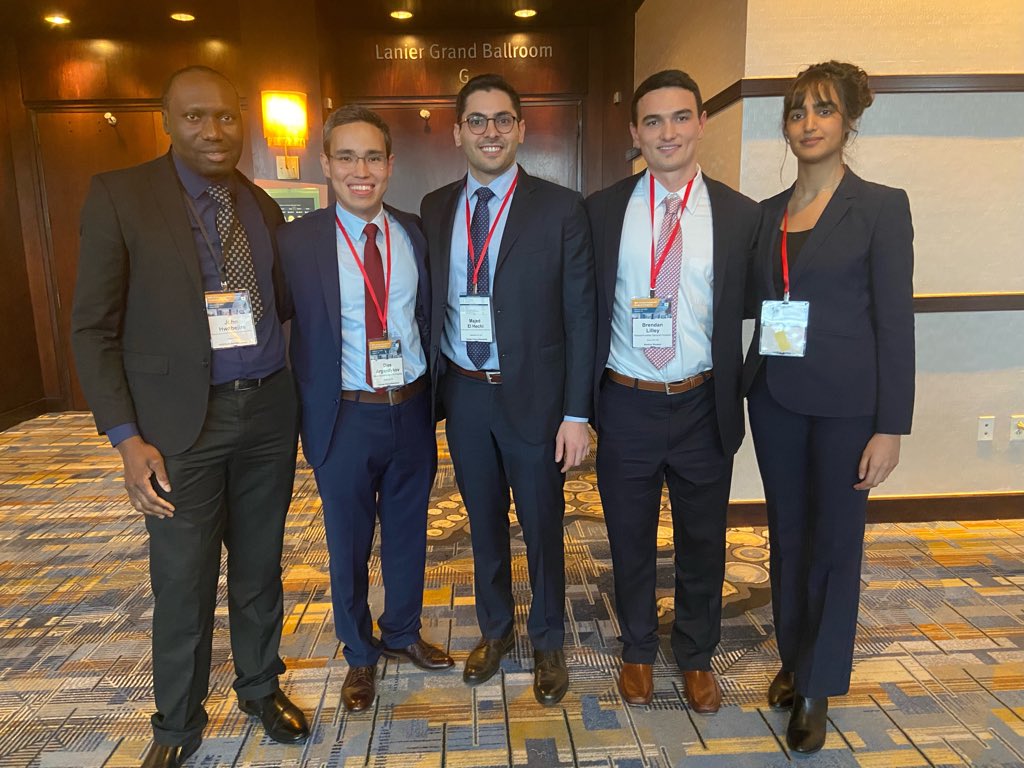
Thankful to #ASC2023 for the privilege to share our work from @TraumaMGH and meet many outstanding academic surgeons! All thanks to my incredible mentors Drs. Velmahos @hayfarani Hwabejire for making this possible! @AcademicSurgery@MGHSurgery
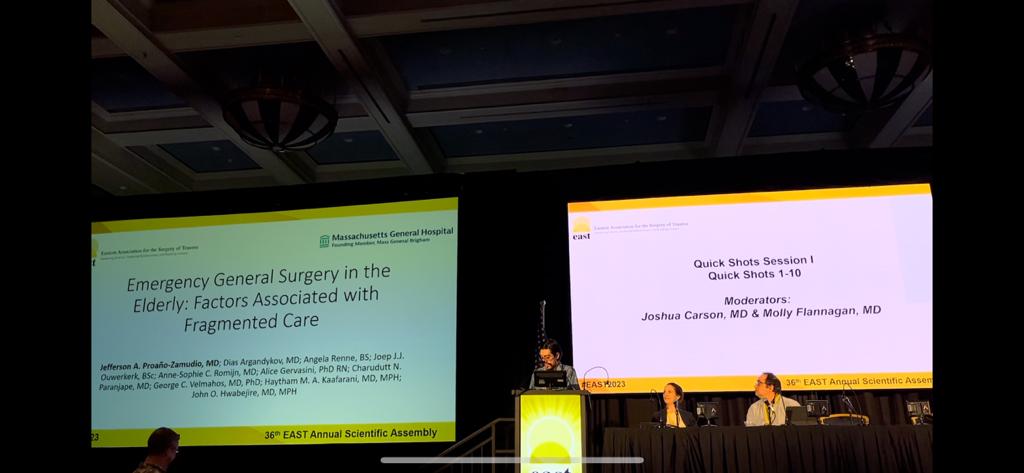
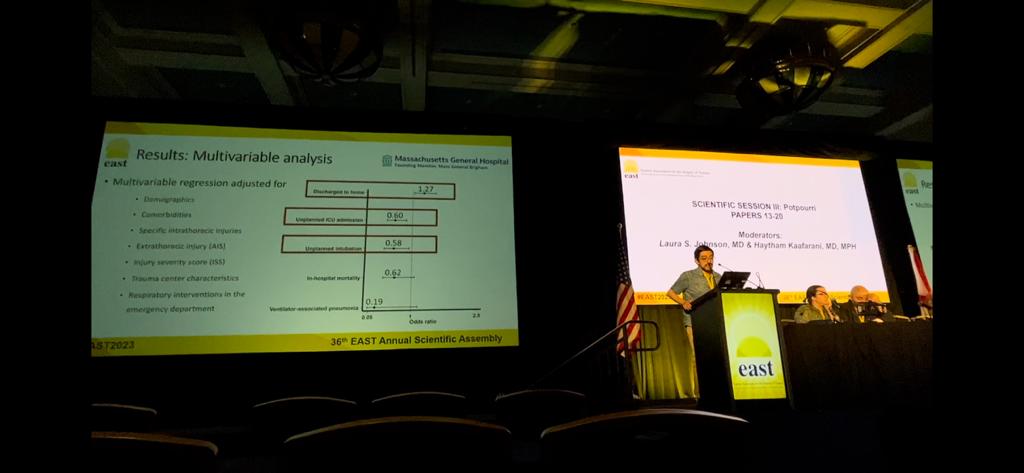
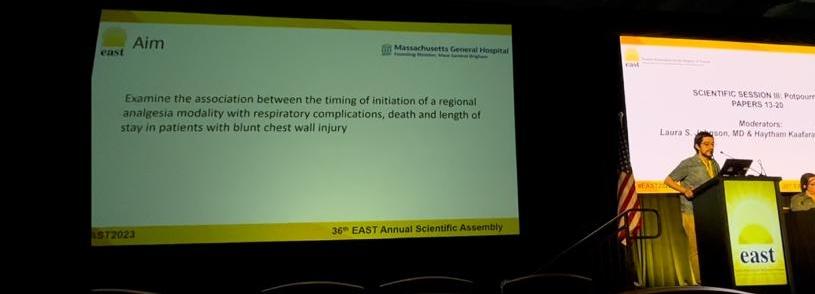
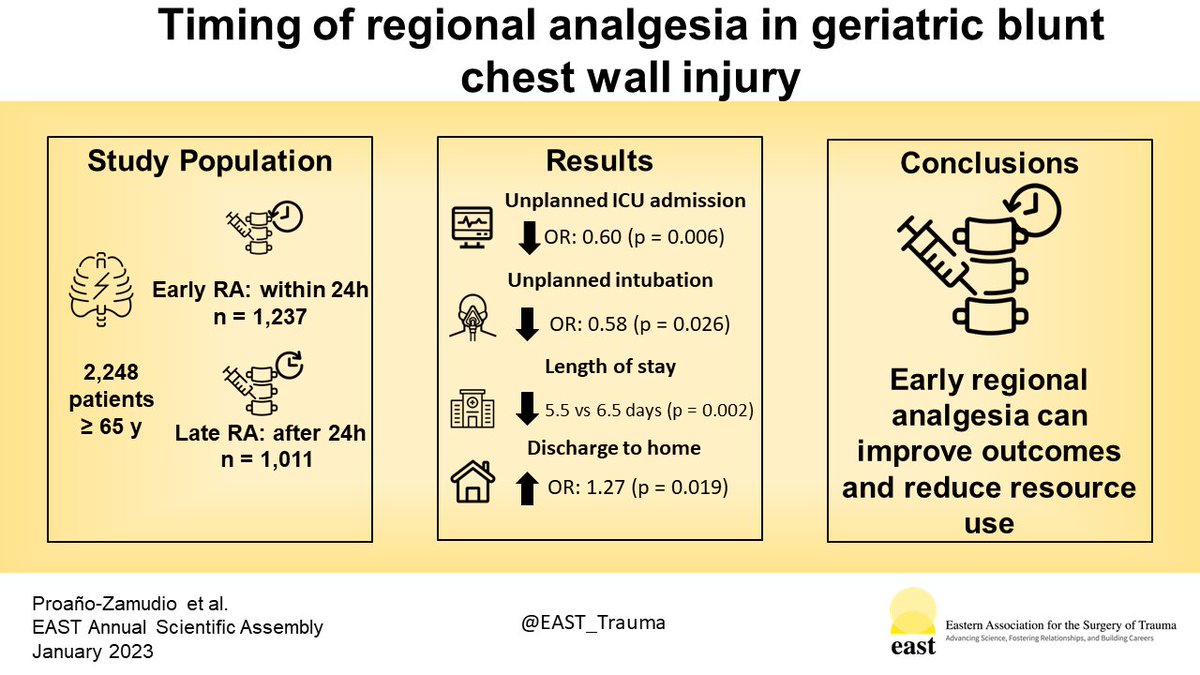
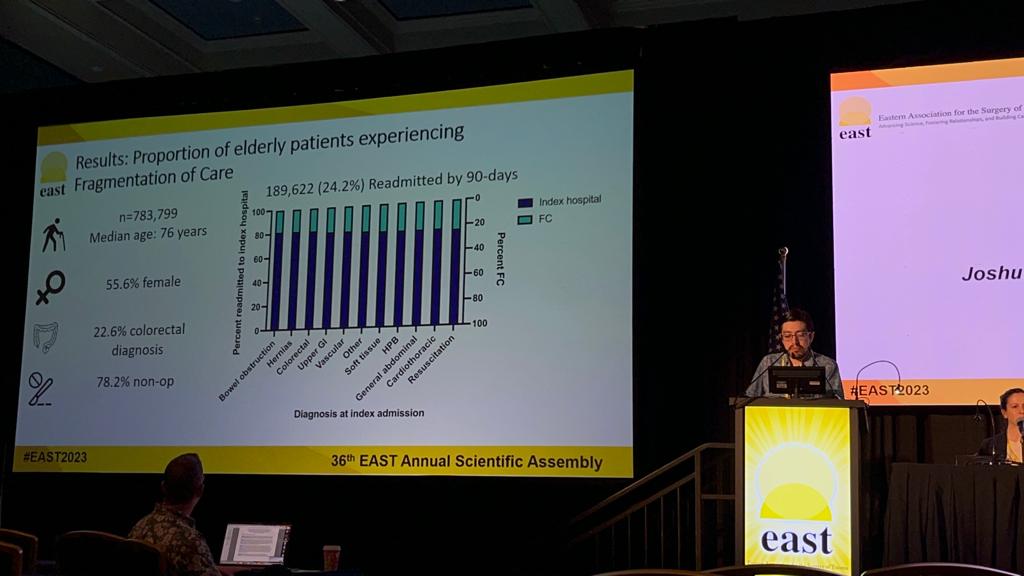
Thrilled to share our findings on geriatric trauma and emergency general surgery at the fantasic #EAST2023! It's great to be part of the @MGHSurgery@TraumaMGH team with incredible mentors like @hayfarani and John Hwabejire
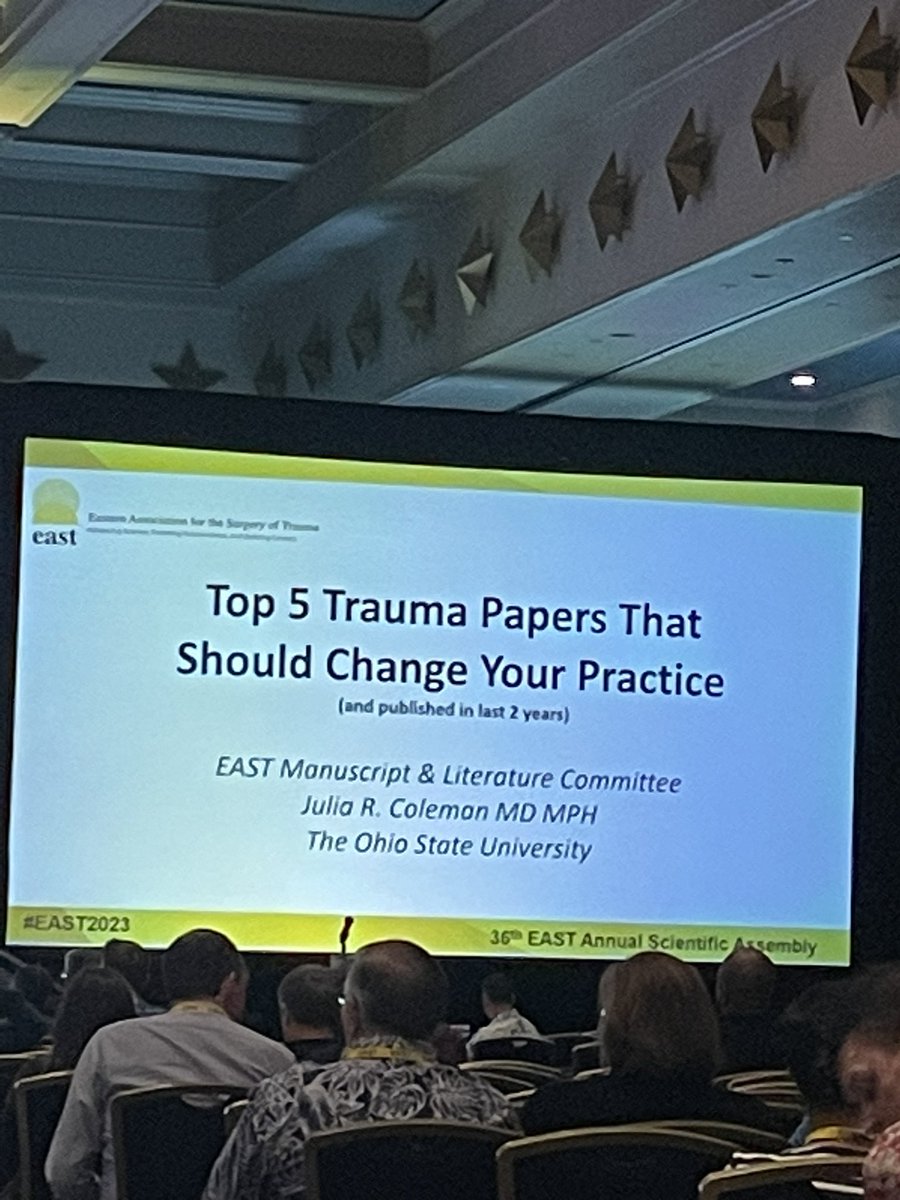
Balanced transfusion
35 mm rule for PTX
Timing of VTE Chemoprophylaxis in SOI
Universal screening for BCVI
Surveillance duplex for VTE= fewer PEs
@EAST_TRAUMA#advancingscience