This is a online typing portal where you can test your typing speed & skill. Also you can type in many regional languages without installing any software.
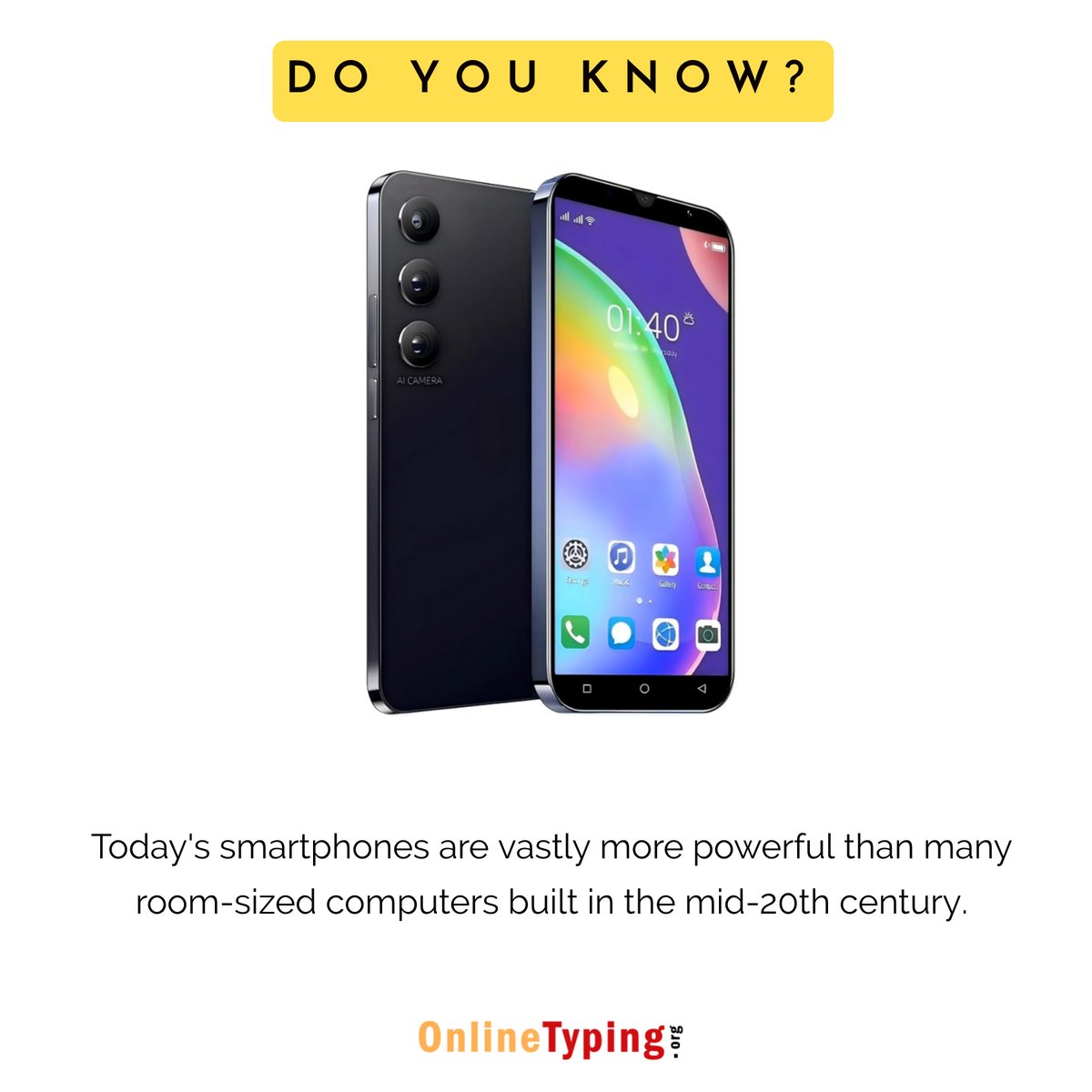
Today's smartphones are vastly more powerful than many room-sized computers built in the mid-20th century.
Read the full article here: https://t.co/q532qUoC4t
#smartphones#processor#computer#history#education
Modern computer processors contain billions of transistors, compared to the few thousand found in early integrated circuits.
Read the full article here: https://t.co/q532qUoC4t
#transistor#computerprocessor#computer#history#education
The broadband
By the early 2000s, broadband internet enabled computers to stream media, make video calls, and access cloud-based services.
Read the full article here: https://t.co/q532qUoC4t
#broadband#early2000#computer#history#education
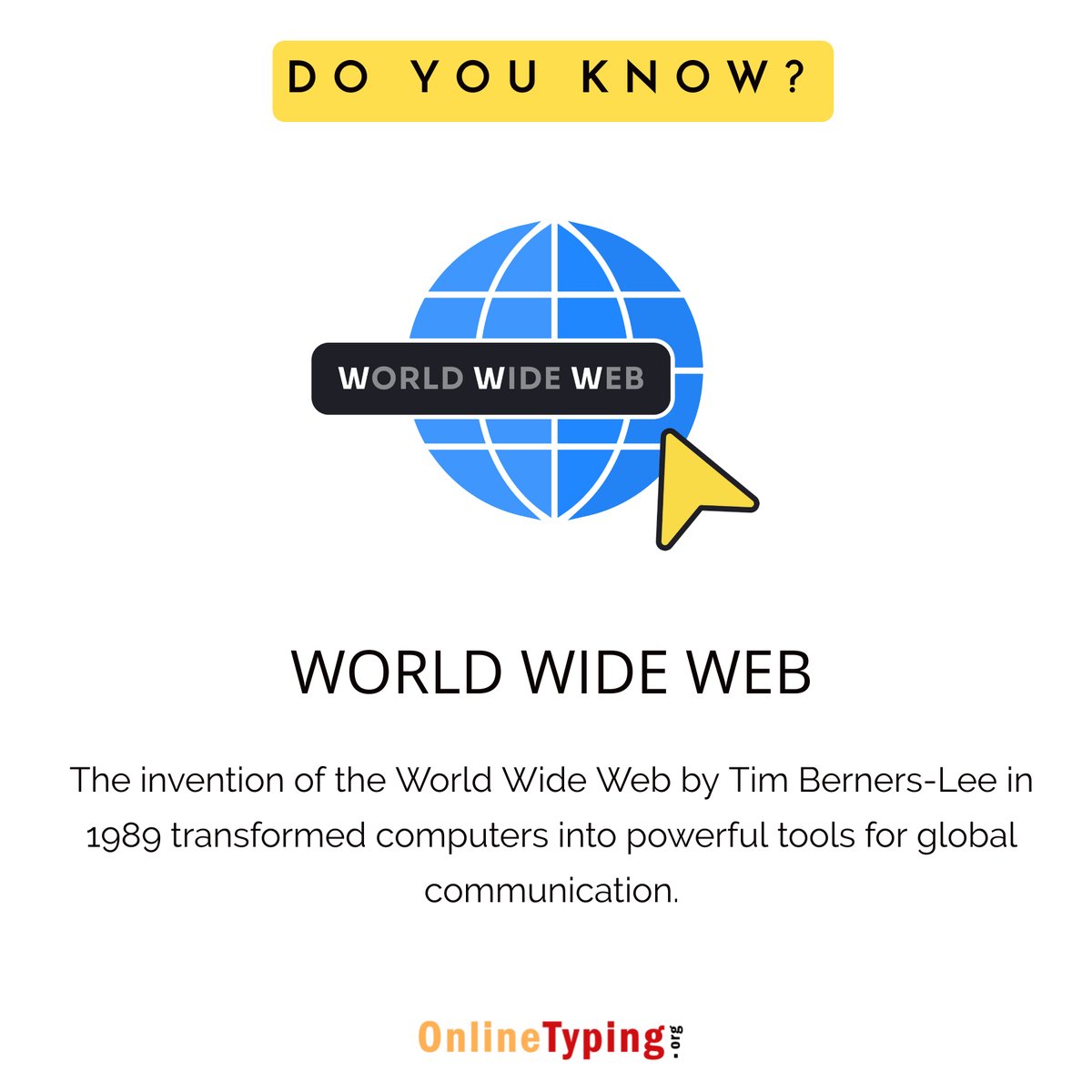
The invention of the World Wide Web by Tim Berners-Lee in 1989 transformed computers into powerful tools for global communication.
Read the full article here: https://t.co/q532qUoC4t
#www#WorldWideWeb#computer#history#education
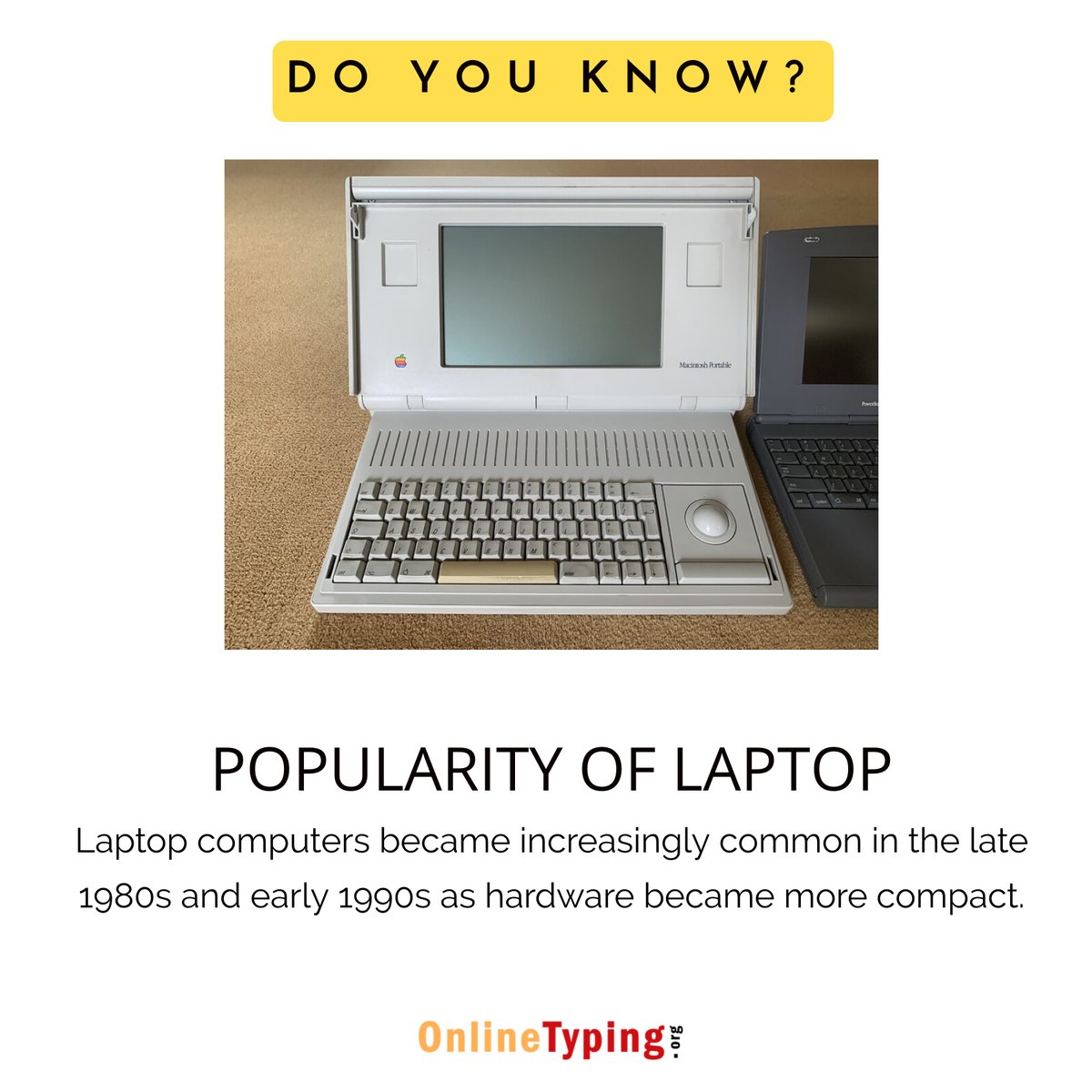
Popularity of Laptop
Laptop computers became increasingly common in the late 1980s and early 1990s as hardware became more compact.
Read the full article here: https://t.co/q532qUoC4t
#Laptop#inventionofLaptop#computer#history#education
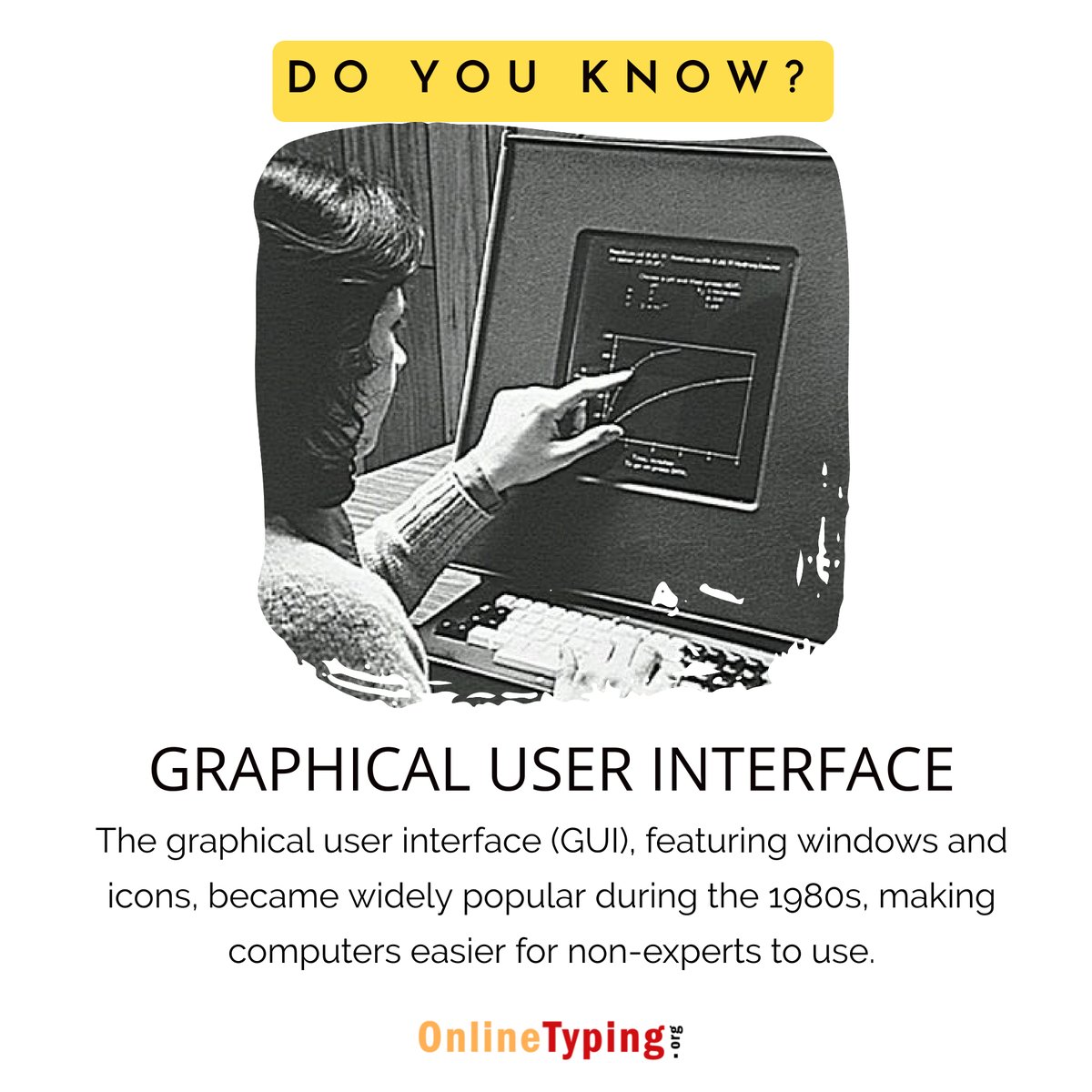
Graphical User Interface
The graphical user interface (GUI), featuring windows and icons, became widely popular during the 1980s, making computers easier for non-experts to use.
Read the full article here: https://t.co/q532qUoC4t
#gui#inventionof80s#computer#history#education
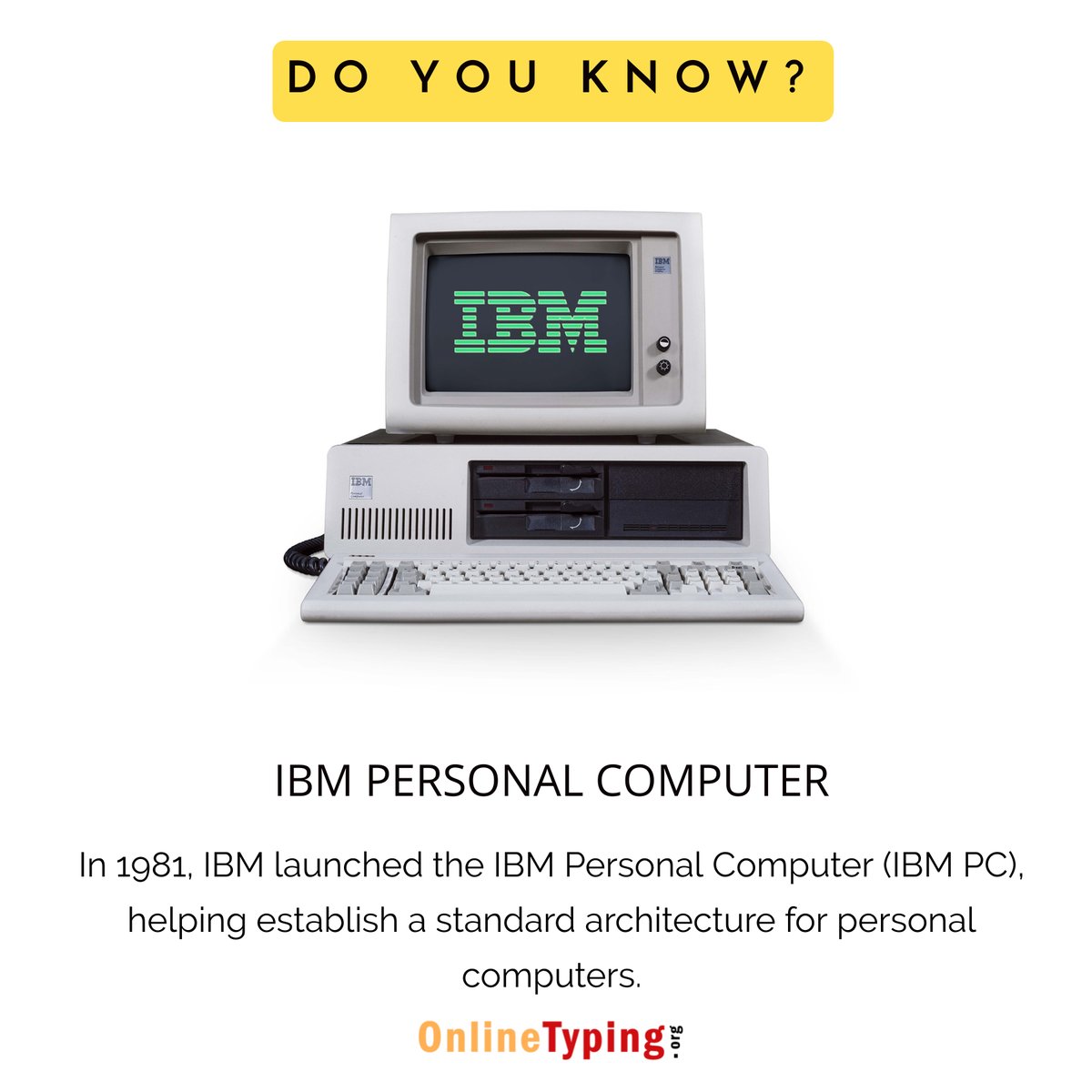
IBM Personal Computer
In 1981, IBM launched the IBM Personal Computer (IBM PC), helping establish a standard architecture for personal computers.
Read the full article here: https://t.co/q532qUoC4t
#IBM#PersonalComputer#computer#history#education
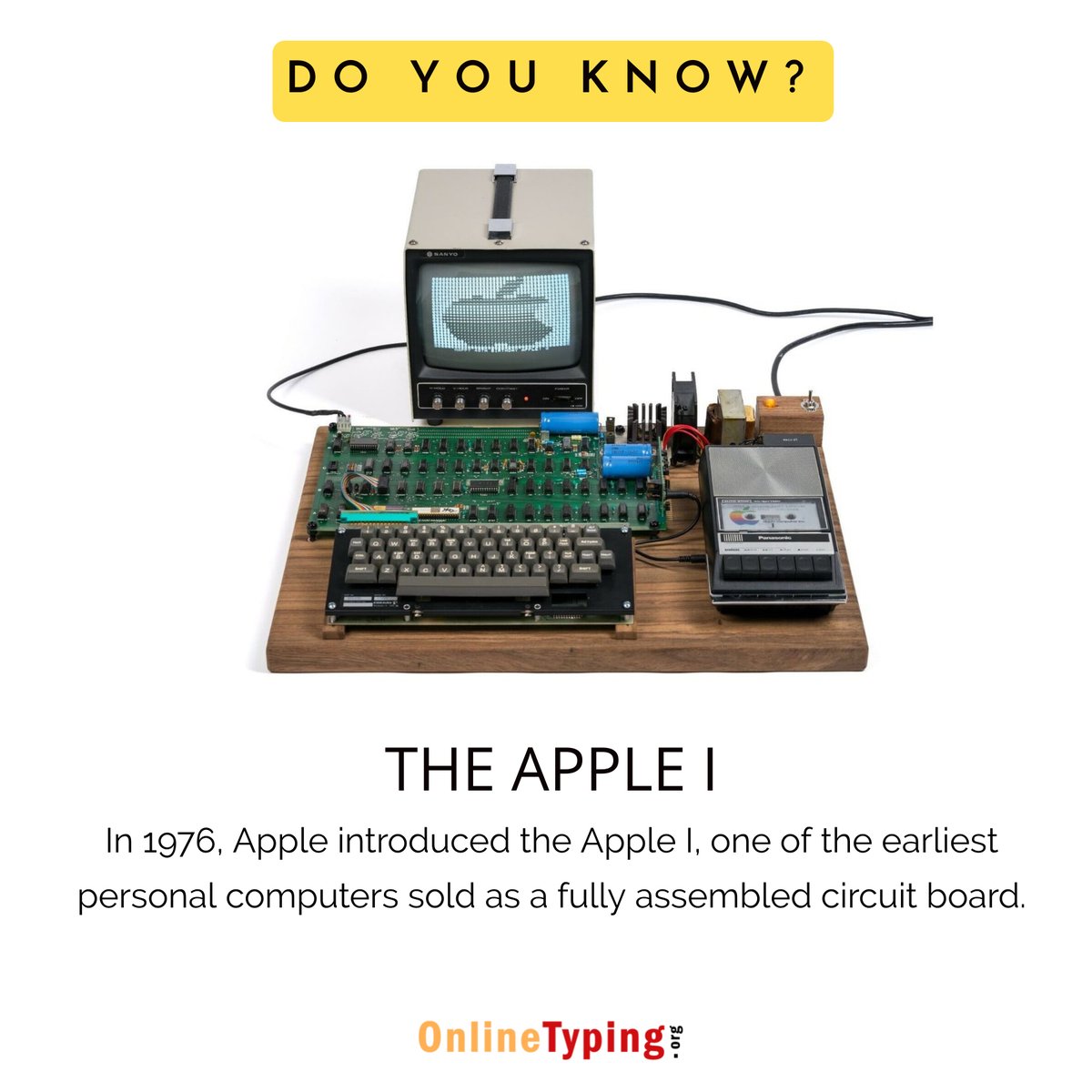
The Apple I
In 1976, Apple introduced the Apple I, one of the earliest personal computers sold as a fully assembled circuit board.
Read the full article here: https://t.co/q532qUoC4t
#AppleI#apple#computer#history#education
First personal computer
The first commercially successful personal computers appeared during the 1970s, bringing computing into homes and small businesses.
Read the full article here: https://t.co/q532qUoC4t
#computer#pc#computer#history#education
First Computer Mouse
The first computer mouse was invented by Douglas Engelbart in the 1960s and publicly demonstrated in 1968.
Read the full article here: https://t.co/q532qUoC4t
#computermouse#mouse#computer#history#education
In 1965, Gordon Moore observed that the number of transistors on a chip would roughly double every two years, a prediction known as Moore's Law.
Read the full article here: https://t.co/q532qUoC4t
#GordonMoore#MooresLaw#computer#history#education
First Integrated circuit
In 1958, Jack Kilby demonstrated the first practical integrated circuit, laying the foundation for modern computer chips.
Read the full article here: https://t.co/q532qUoC4t
#ic#Integratedcircuit#computer#history#education
The first hard drive weighed over one ton, yet stored less data than a single modern smartphone photo collection.
Read the full article here: https://t.co/q532qUoC4t
#ibm#harddisk#computer#history#education
The first commercially available hard disk drive was introduced by IBM in 1956 and stored about 5 megabytes of data.
Read the full article here: https://t.co/q532qUoC4t
#ibm#harddisk#computer#history#education
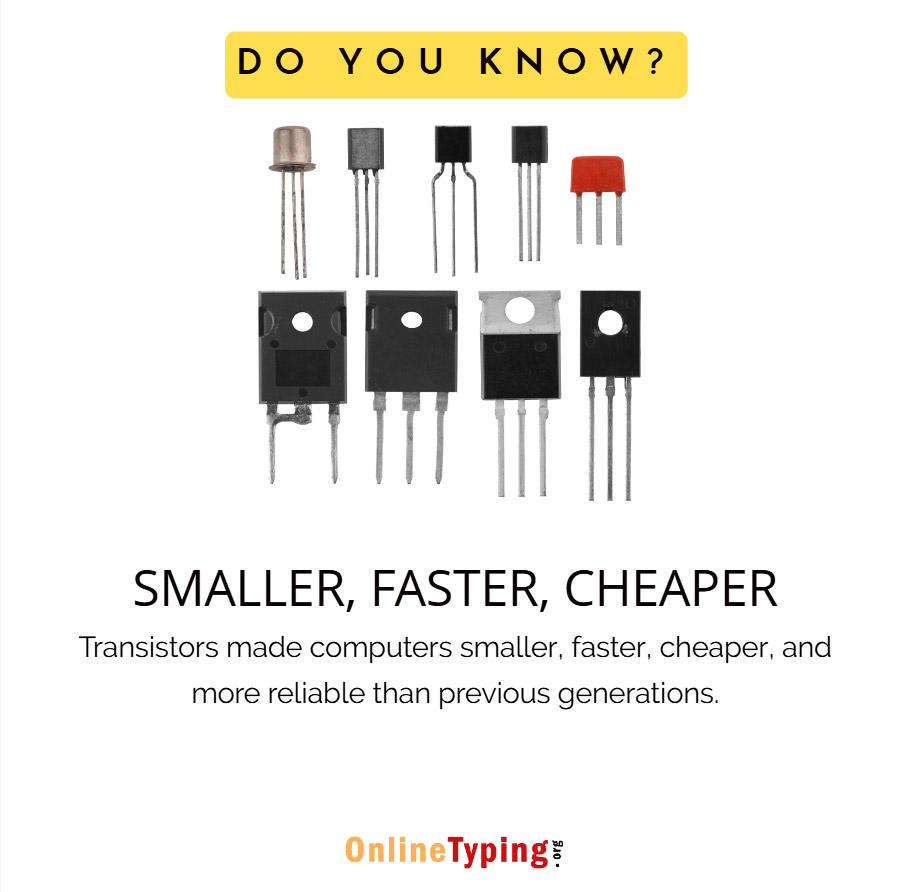
smaller, faster, cheaper computers
Transistors made computers smaller, faster, cheaper, and more reliable than previous generations.
Read the full article here: https://t.co/q532qUoC4t
#Transistor#VacuumTubes#computer#history#education
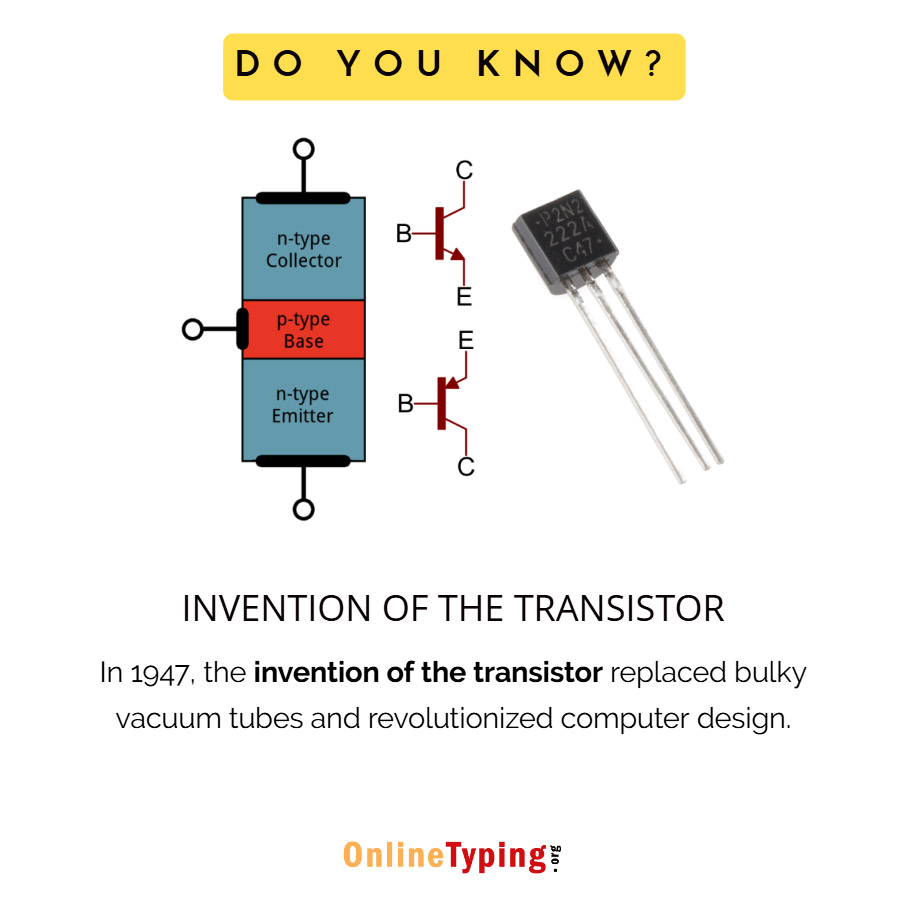
Invention of the Transistor
In 1947, the invention of the transistor replaced bulky vacuum tubes and revolutionized computer design.
Read the full article here: https://t.co/q532qUoC4t
#Transistor#VacuumTubes#computer#history#education