Californian artist Cheryl Sorg finds texts from her subject's favourite books, book quotes, song lyrics, films etc and weaves them into an image of their actual fingerprint #womensart
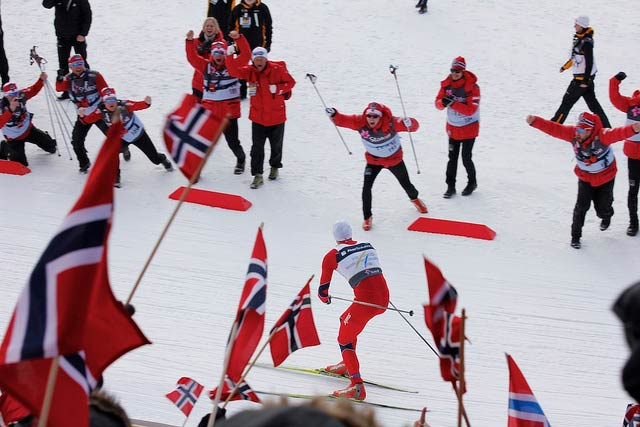
Norway consistently wins the most medals at the Winter Olympic Games, with a population of just 5.6 million people.
A big part of their success is how they treat youth sports—and it’s the opposite of what we do in the US. Here’s what we can learn from Norway:
1. Scorekeeping:
In the US: Youth sports tend to be hyper competitive even at early ages. Leagues almost always keep score.
In Norway: Scorekeeping isn’t even allowed until age 13.
Removing winners and losers keeps the focus on the process not outcomes. It keeps kids engaged longer because it minimizes pressure (and tears) and maximizes fun, learning, and growth. The goal isn’t to win a third grade championship. It’s to love sport and keep playing.
2. Trophies:
In the US: If you give everyone a trophy, you’re creating snowflakes who will never gain a competitive edge.
In Norway: Whenever trophies are awarded, they are handed out to everyone.
If getting a trophy makes young kids feel good, we should give them trophies. Maybe they’ll come back and play again next year!!
As for the creation of snowflakes with no competitive edge—Norway’s athletes are tough as nails and all they do is win.
3. Prioritizing Fun:
In the US: Far too often, the goal is to win.
In Norway: The national philosophy is “joy of sport.”
Youth sports in the US are driven by adults, ego, and money. Youth sports in Norway are driven by fun.
Only half of kids in the US participate in sports. The number one reason they drop out: because they aren’t having fun anymore. In Norway, 93% of kids participate in youth sports. Fun is the foremost goal.
4. Playing Multiple Sports:
In the US: There’s pressure to specialize early and play your best sport year round.
In Norway: Try as many sports as you can before specializing as late as college.
Norway encourages kids to try all types of sport. This reduces injury and burnout and increases all-around athleticism. It also helps promotes match quality, or finding the sport you are best suited for as your body develops, which is impossible if you commit to a single sport too early.
5. Affordability
In the US: There is increasingly a pay-to-play model with high fees for leagues, equipment, and travel. This excludes many kids from playing.
In Norway: It’s a national priority to keep youth sports affordable and therefore accessible for all.
Kids aren’t priced out, which creates opportunities for everyone to participate (and develop into athletes), regardless of their parents’ income level.
We could learn a lot from Norway:
In the US, 70% of kids drop out of youth sports by age 13. This not only diminishes an elite-athlete pipeline, but it also destroys an opportunity for healthy habits and all the character lessons kids can learn from sport.
In Norway, lifelong participation in sport is the norm. The goal isn’t to have the best 9U team. It’s to develop the best athletes. Those are two very different things. And Norway has the gold medals to prove it.
Nothing to Save
There is nothing to save, now all is lost,
but a tiny core of stillness in the heart
like the eye of a violet.
D. H. Lawrence
https://t.co/U5gWkmgvKZ
Quilixios’ New Year’s resolution must have been to do more sea swims…and there aren’t many places better for it than Waterford! (He’s still looking for the sauna though)
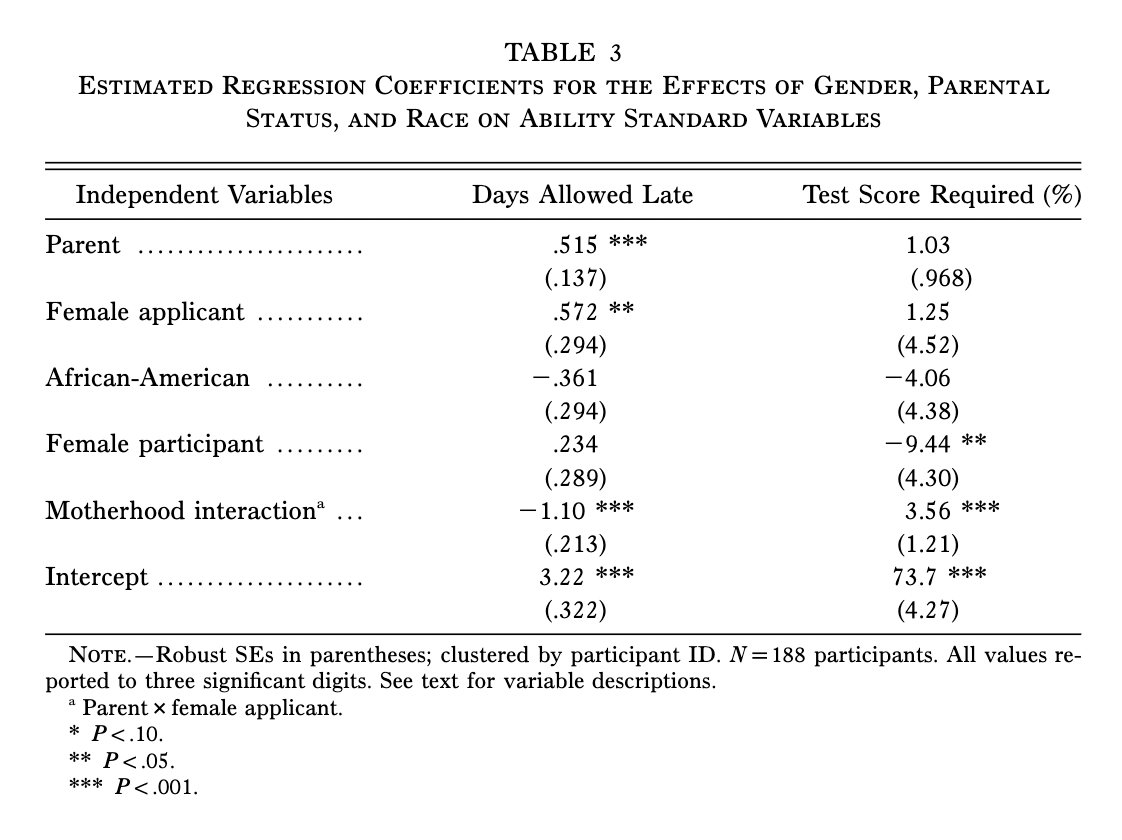
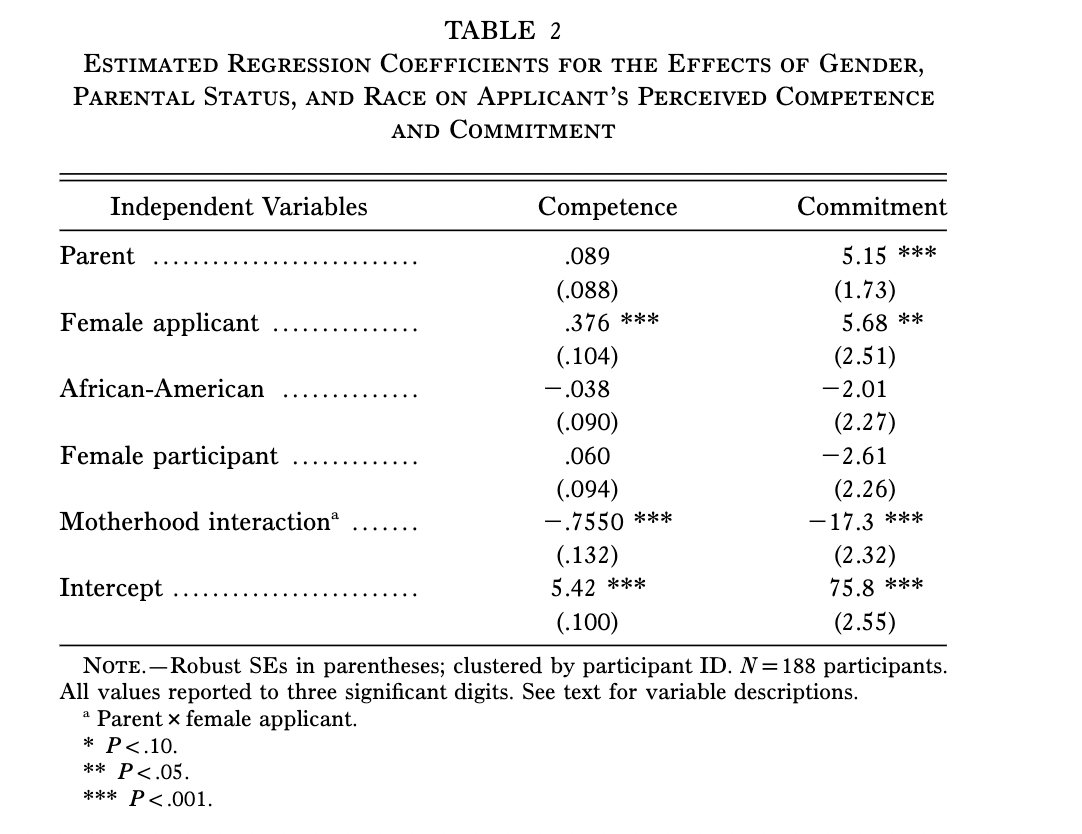
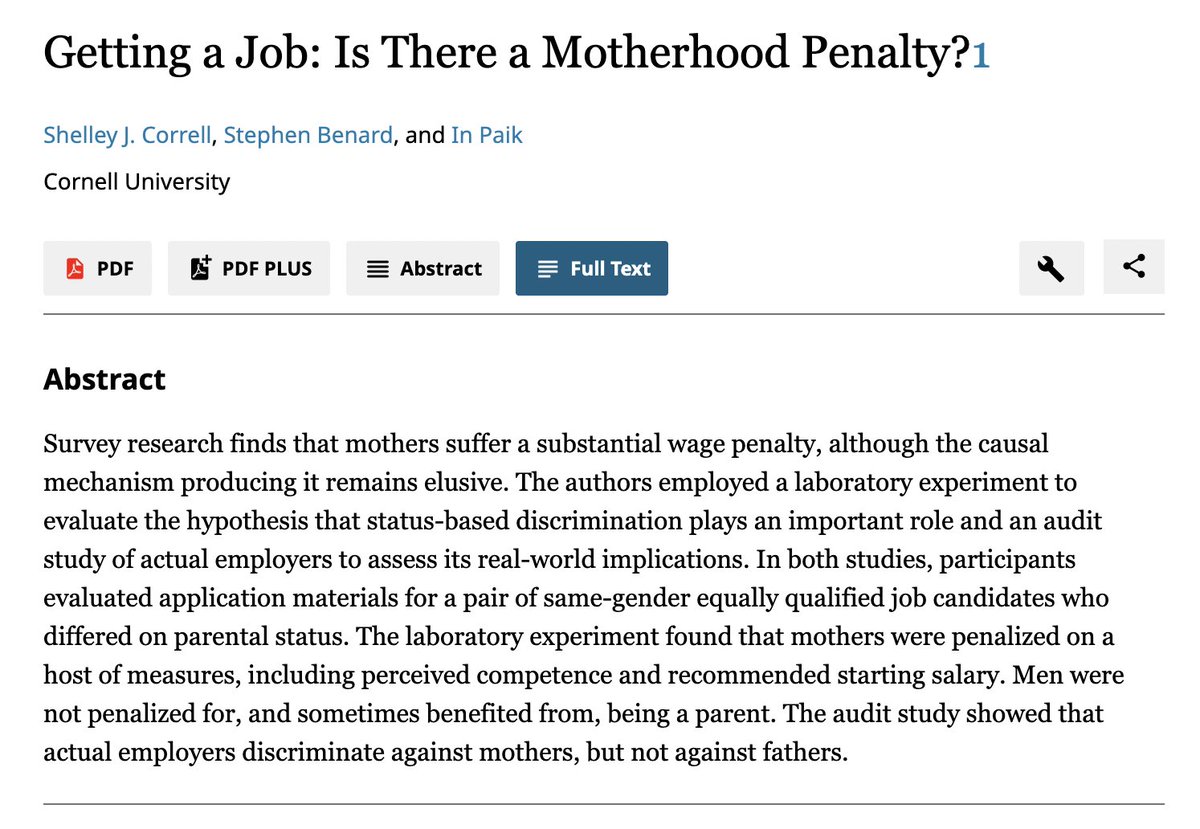
These authors wanted to know whether mothers face discrimination in hiring, even when they are equally qualified as other applicants.
So they ran two experiments.
First, a lab experiment: participants evaluated pairs of identical job applicants who differed only in parental status.
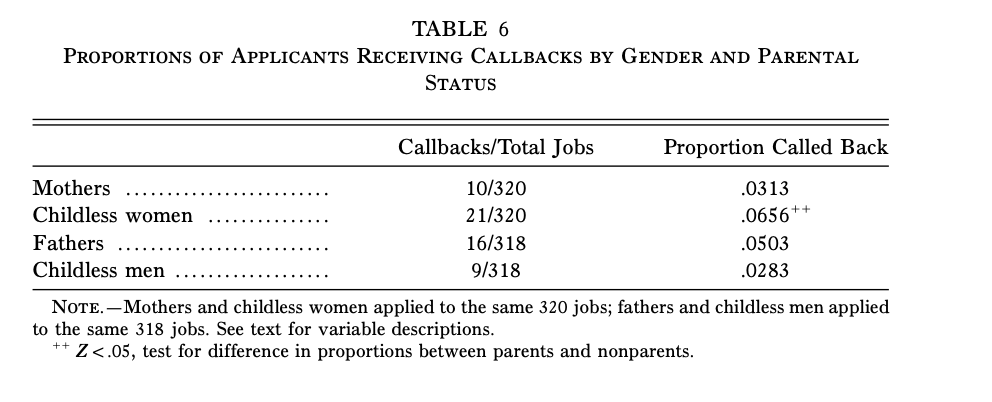
Then, a real-world audit study: they sent 1,200+ job applications to real employers for entry- and mid-level jobs.
They randomized whether applicants were:
– Mothers (based on serving on the PTA)
– Childless women (they were listed as volunteering in a non-parent specific role)
– Fathers (based on serving on the PTA)
– Childless men (they were listed as volunteering in a non-parent specific role)
All applicants had identical qualifications.
Then they tracked evaluations, salary recommendations, and employer callbacks.
They found that:
Mothers were rated as less competent and less committed than equally qualified childless women.
Mothers were held to stricter standards, offered lower salaries, and were far less likely to be hired or promoted.
In the field experiment, real employers called back childless women at more than twice the rate of mothers.
Fathers, by contrast, faced no penalty and sometimes received a bonus.
Bottom line:
The “motherhood penalty” is real, causal, and driven by discrimination, not differences in ability.
As the authors put it:
“Giving evidence of being a mother leads to discrimination against mothers in hiring and pay.”
This is how enjambment can work in a poem. Bridge 77 on the Macclesfield Canal allows a horse to cross the canal without having to untie it from the canal boat.