The new updated account for the APS-ETG. Follow us for updates regarding new research, upcoming conferences and career development!
Email:[email protected]
Can red blood cells report endothelial health? This study shows that glycocalyx exchange between endothelial cells and erythrocytes enables a potential blood-based readout of endothelial function and vascular barrier integrity.
https://t.co/AMtAdSWpAS
Injured epithelial cell states in kidney transplants persist beyond rejection and predict graft survival, shifting focus from immune cells to epithelial injury in transplant outcomes.
https://t.co/JSiwF424IX
Single-cell multi-omics identifies endothelial PIEZO1 as a mechanosensitive driver of pulmonary fibrosis, acting through CAPN2/STAT3 to elevate IL-33 signaling—highlighting an ion channel as a therapeutic target
https://t.co/p8j4RDSzLi
Proximal tubule cells show striking segment-specific lysosomal specialization, with distinct programs for protein vs lipid processing.
https://t.co/Mww7UFoWEr
Can viral infection break epithelial barriers?
This study shows that HCMV directly disrupts barrier function in cholangiocyte organoids and triggers EMT via TGF-β signaling.
https://t.co/ECe2kxSP5o
Using in vivo dual RNA-seq, this study identifies critical host–pathogen interactions that drive epithelial barrier disruption, offering new insight into epithelial defense mechanisms.
https://t.co/R18eqWSDdt
How does tubular metabolism drive kidney fibrosis? This study uncovers a pyrimidinergic Ca²⁺ signaling pathway connecting metabolic stress in tubular epithelial cells to fibrotic remodeling.
https://t.co/bx6G8kLXeG
How do epithelial cells precisely control ion and solute flux? New findings shed light on key regulatory mechanisms governing epithelial transport
https://t.co/qRXVhBNsag
How can metabolically demanding neural tissue survive without its own blood vessels — and without a vascular epithelium? This study shows that the avian inner retina relies on oxygen-free metabolism, revealing a remarkable epithelial–neural adaptation.
https://t.co/eZtSUmTEu6
Pig kidney in humans? Immune profiling of the first living pig-to-human kidney transplant shows early T cell–mediated rejection and sustained innate immune responses, highlighting key barriers for successful xenotransplantation.
https://t.co/PxkMi1mwAY
In kidney transplantation, epithelial injury matters! This study identifies persistent injured tubular epithelial cell states after T cell–mediated rejection that predict graft survival!
https://t.co/JSiwF424IX
New human PTEC data show that hypoxia + IL-1 receptor signaling drives G2/M arrest and cellular senescence, highlighting an inflammation to senescence axis in maladaptive tubular repair after kidney injury.
https://t.co/tYeUVPJsaU
A recent preprint presents intriguing findings about the lipid landscapes of apical versus basolateral membranes in epithelial cells, finding that they’re strikingly different. 📜 https://t.co/Bj2oOJ2lEb
A new JCI study has identified an alternatively spliced form of uromodulin (AS-UMOD) that appears during cellular stress and targets mitochondria to boost energy production and enhance cell survival📜 https://t.co/ohPI5uXr1o
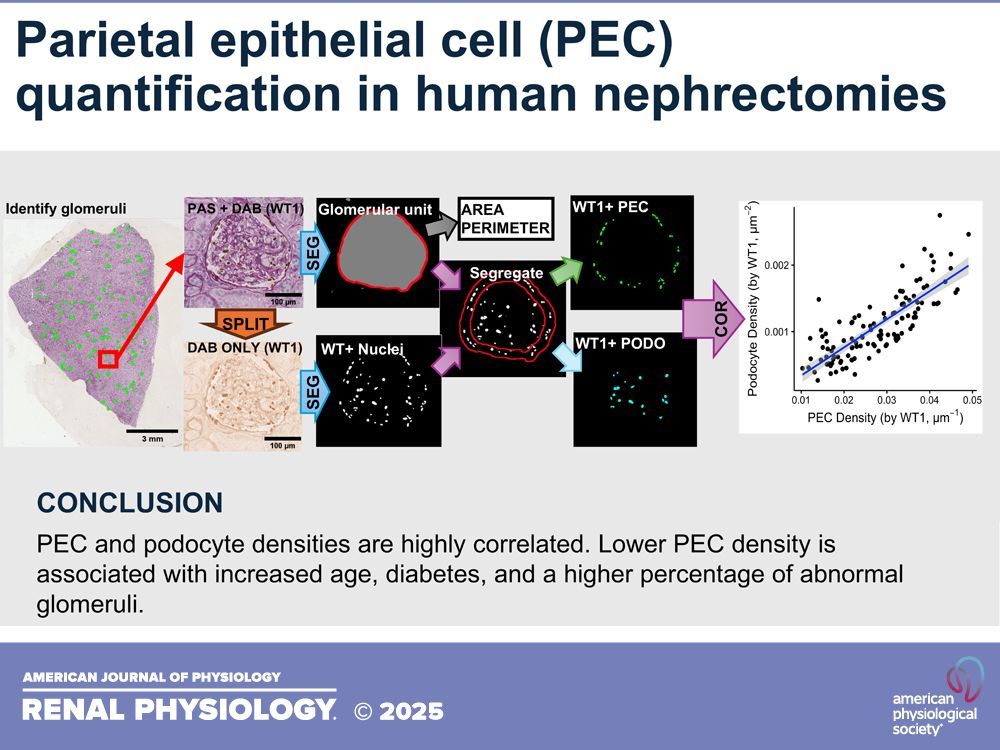
Fresh week, fresh science! 🔬 Deep learning tools to analyse 14K+ glomeruli revealed a tight correlation between podocyte and parietal epithelial cells density. Check the paper in AJP Renal📜 https://t.co/QtvYAojgjc
#AJPRenal#CKD#glomeruli#podocyte
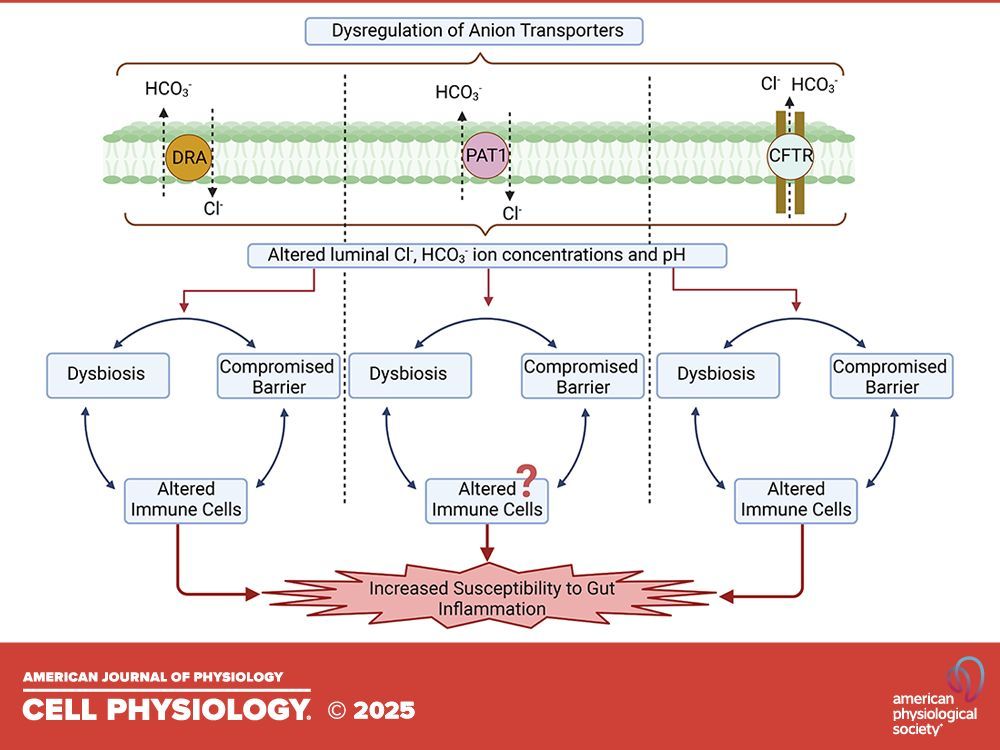
Your gut is an orchestra 🎻- and anion transporters are the conductors.
A new review reveals how anion transporters (DRA, PAT1, CFTR) orchestrate the balance between ions, microbiota, and inflammation. 📜 https://t.co/bq3ahHEj8R
Happy Friday! ☀️ Wondering how fluid flow shapes cell energy? A new paper finds LRRK2 guides mitochondrial positioning in developing kidney tubules - connecting mechanics to metabolism.
📜https://t.co/KKxbVTo8JM
#mitochondria#LRRK2#KidneyDevelopment
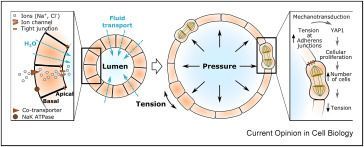
How do tissues feel and adapt to force? A new review explores how epithelia generate and respond to mechanical stress — from fluid pressure to the hidden mechanics of junctions and desmosomes. https://t.co/xIOWbWFk3H
Apical trafficking breakdown can mimic Fanconi syndrome — and Syntaxin 3 appears central to keeping that system intact. Could reinforcing the SNARE complex be a future strategy to preserve tubular function? Check the latest paper📜https://t.co/IGqFdkAehE
#
Looking back at our exciting pre-meeting at the APS Summit in Baltimore this year. Thank you to all our panelists and presenters for their exciting talks!