The Student Archaeological Society of St. Andrews. We hold events weekly from lunchtime talks to film nights and field trips. Follow us to stay updated!
Our magazine Barrow is out now! Find it at: https://t.co/yKK0gFpk9d
This issue contains a mixture of articles by students and guests on a variety of current issues in archaeology and heritage, as well as interviews and reviews, reports and more.
You may have seen our post from a few days ago where we discovered that, due to the extremely hot weather, the rooms and corridors on the mansion site were reappearing on the grass before our very eyes!
It looks even more spectacular from the air, with much more detail visible.
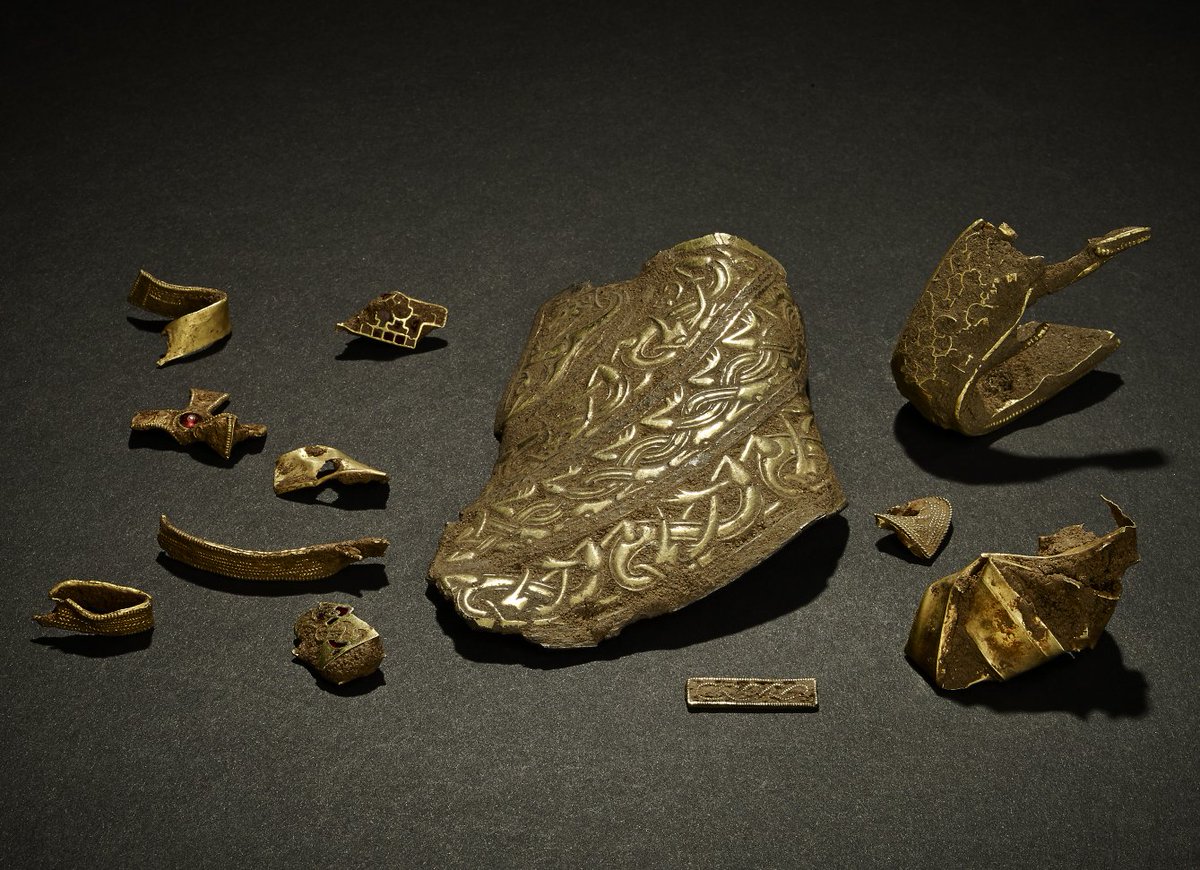
Containing over 5kg of gold and 3,500 individual items, the Staffordshire Hoard is the largest Anglo-Saxon hoard unearthed in the UK and was probably buried in the 7th century AD.
It was discovered #onthisday in 2009.
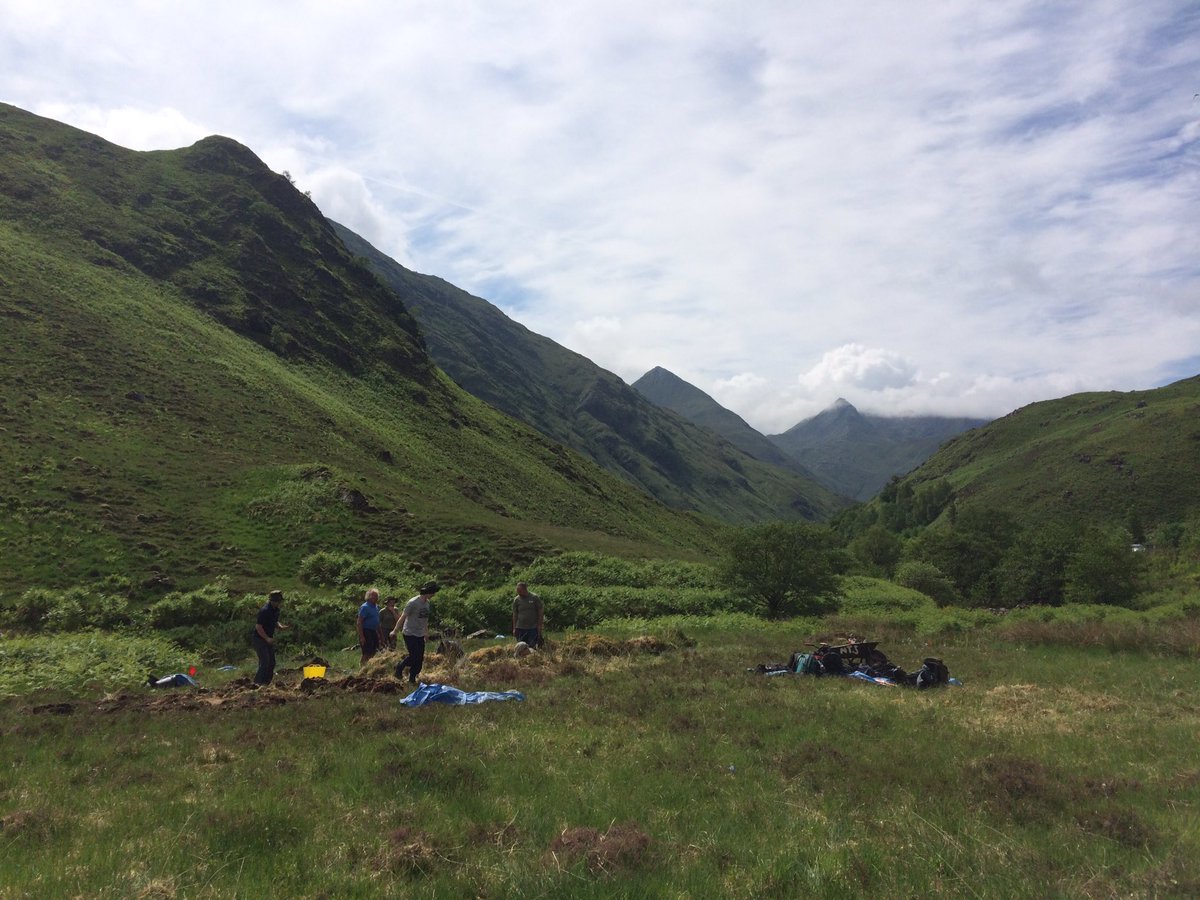
For the past two years I’ve been running this twitter but now it’s time to say goodbye! After a summer of excavating I’m off to @school_of_arch to do my masters! My personal account is @iamERS where I still tweet about archaeology and history. 🏺⛏🏛
Our Magazine 'Barrow' comes out in a fortnight. It'll be full of articles on Archaeology and Heritage by a mix of student and guest writers. Keep an eye out on twitter, or sign up to our mail list to get early access. (Via link below)
https://t.co/1tZoKZPxUR
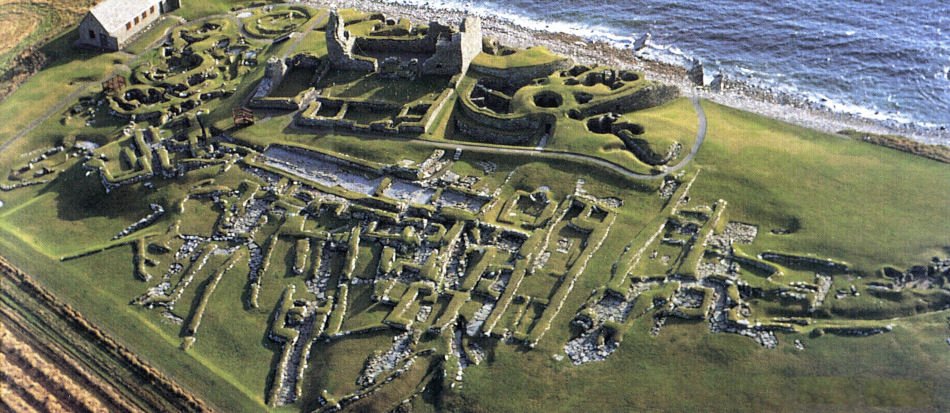
Jarlshof, Shetland, dating from 2700 BC to the 1600s. Bronze Age houses, Iron Age broch and wheelhouses, Norse long houses, medieval farmstead and post medieval estate. A strategic spot settled for more than 4,000 yr. #aerialphotography#archaeology
Photo: https://t.co/iVR6kIsUmr
We made you a thread of 31 kick-ass, amazing, pioneering, TROWELBLAZING* women, because that is the sort of thing we do.
More importantly, we want everyone to know that the earth sciences are the sort of thing women do.
;) https://t.co/D9lfxbr5qP
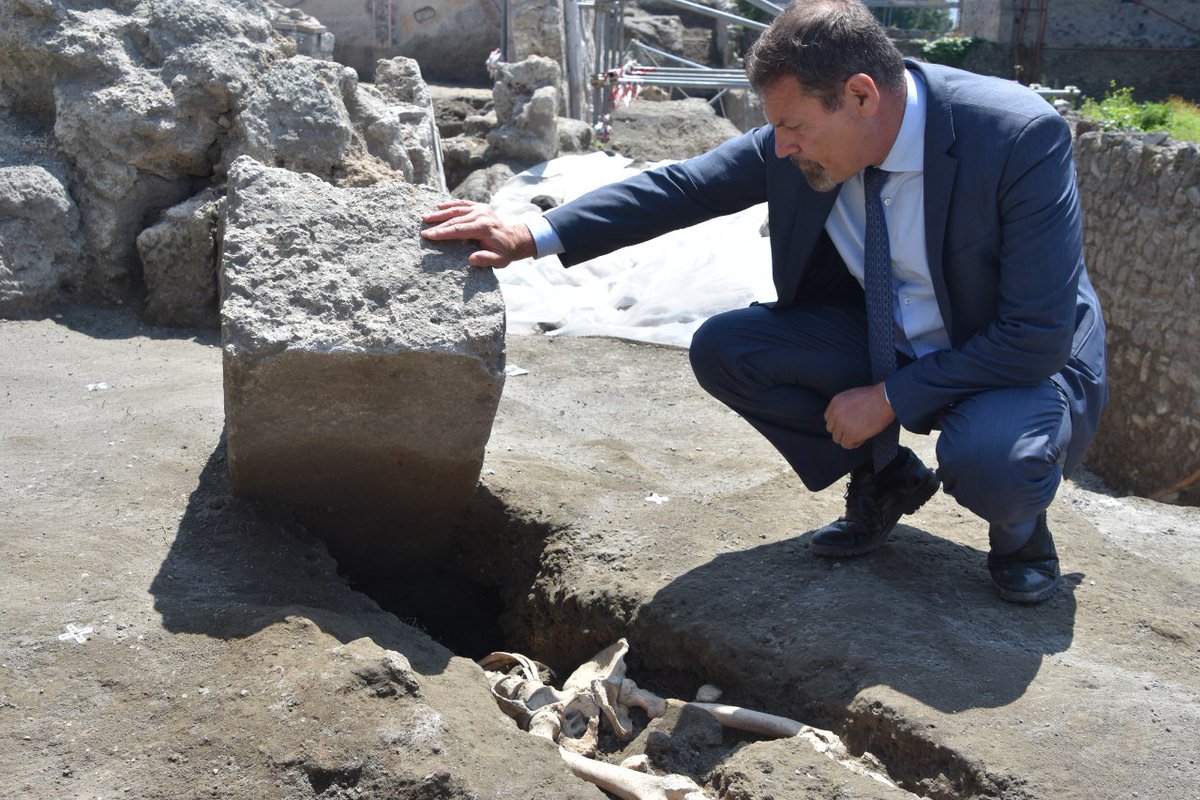
Here is Lego Massimo Osanna surveying the Lego skeleton and brick.
The real Prof. @MassimoOsanna said this week that this latest find is similar to one recently studied in the House of the Smith.
https://t.co/zaAg62ifw2
A display of noses once used to "repair" Roman and Greek marble statues in the 19th century. The Nasothek (Latin for “nose” and Greek for “container”) was born when the fake noses were removed in the interest of authenticity. At the Copenhagen’s Glyptotek art museum, Denmark.
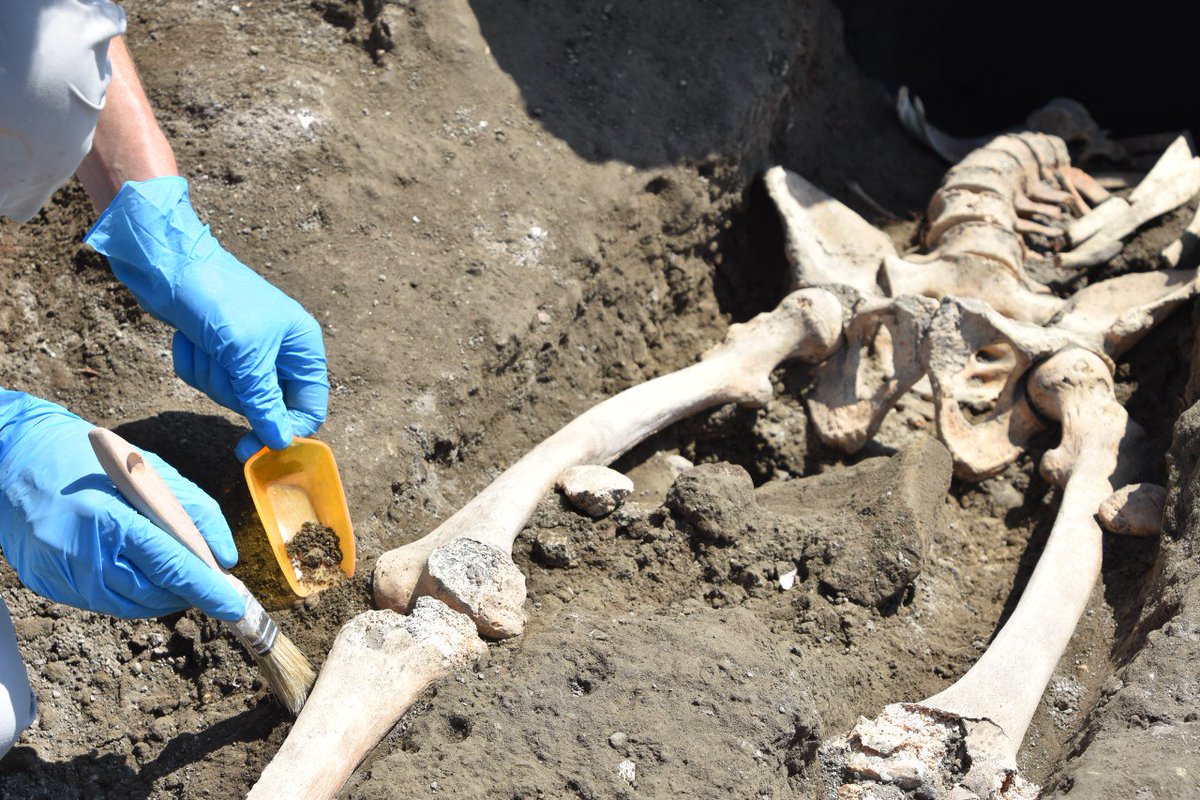
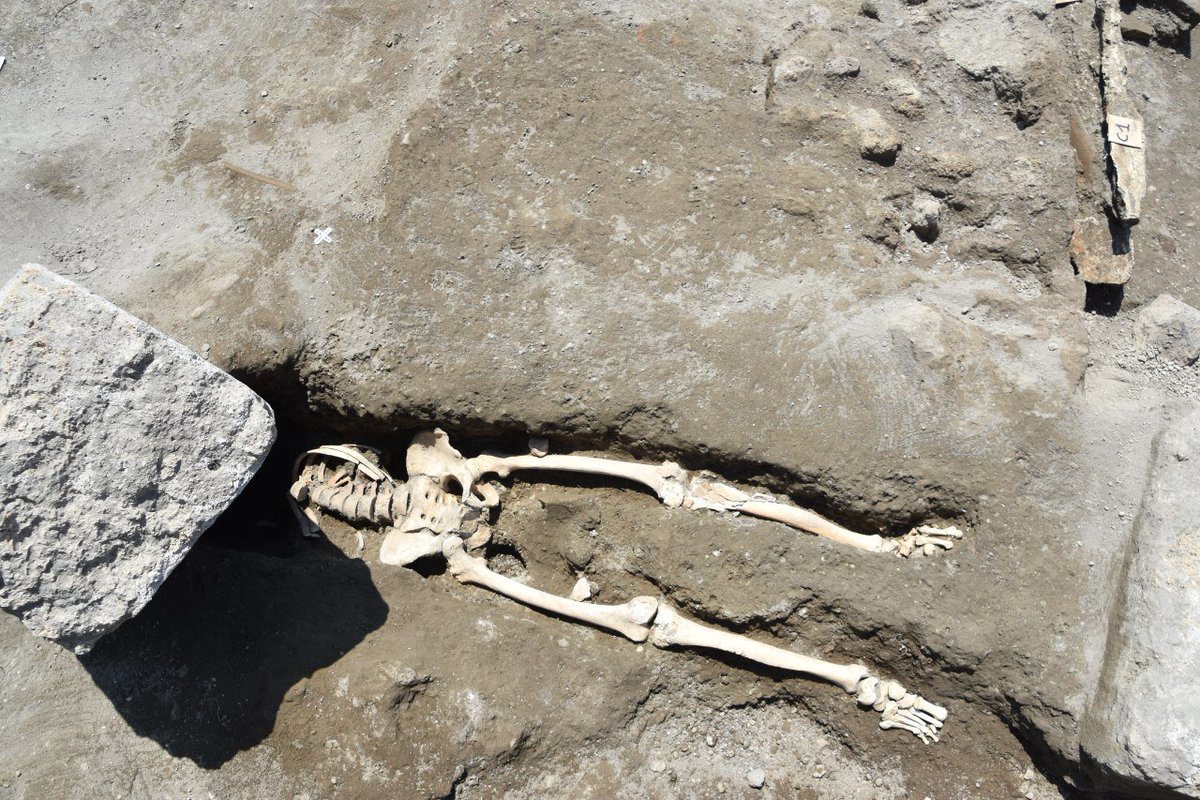
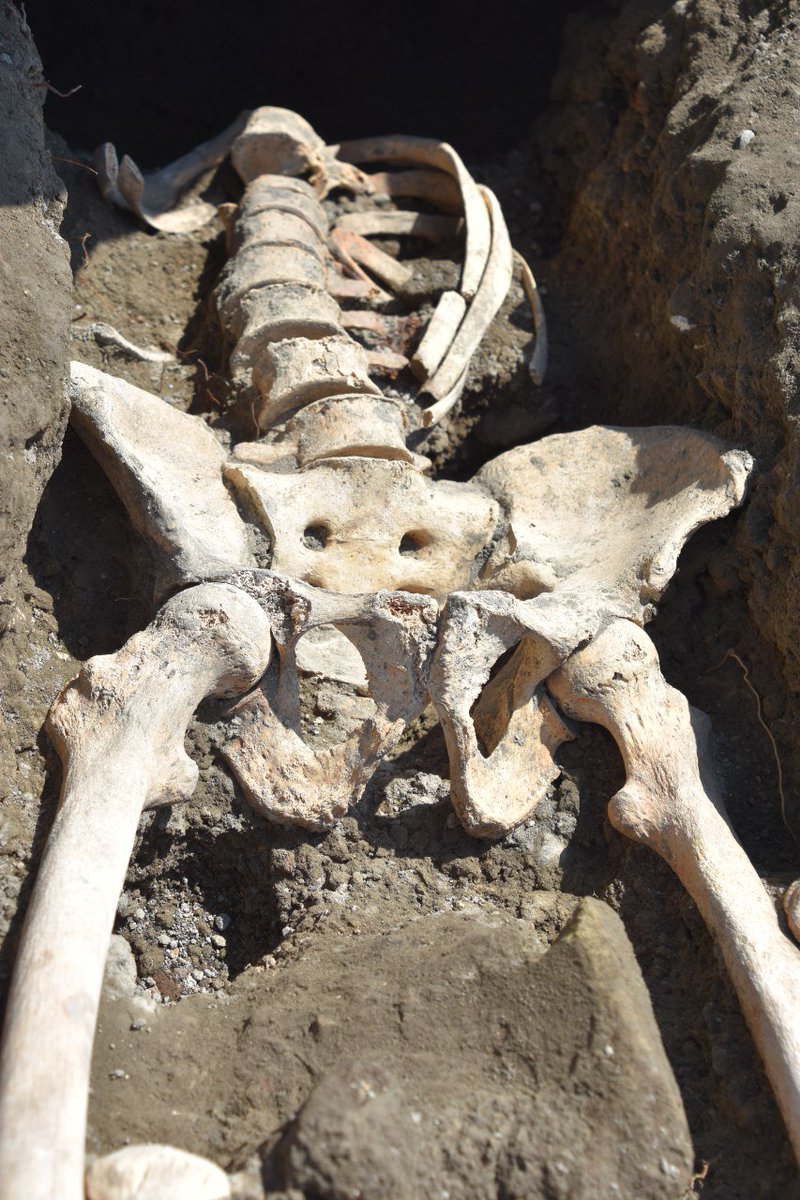
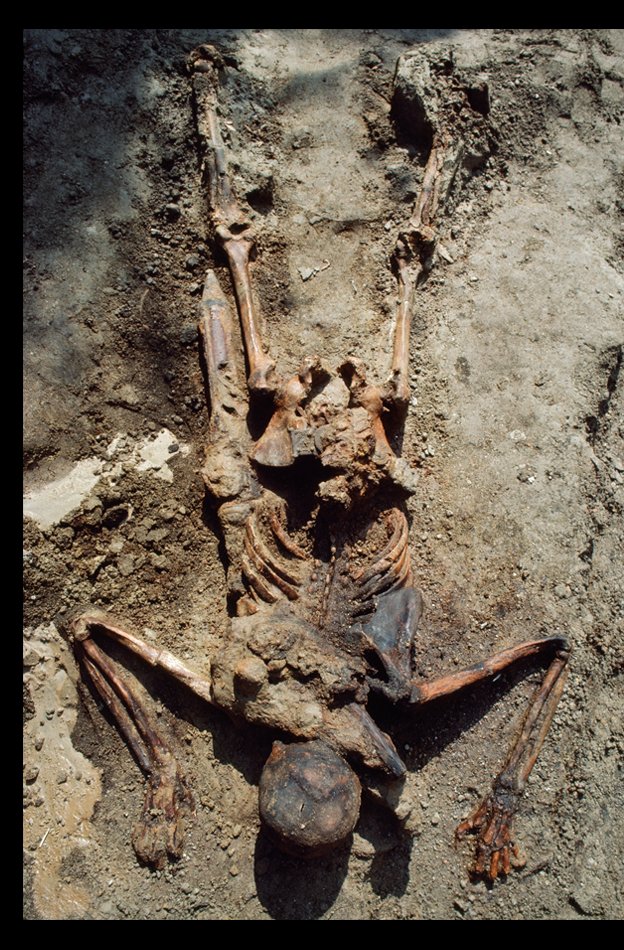
#Pompeii The thorax was crushed by a block of stone, the body hurled back by the force of the pyroclastic flow, in a desperate attempt to flee the fury of the eruption. The first victim which emerges in the site of the new excavations of Regio V, does so in this dramatic position
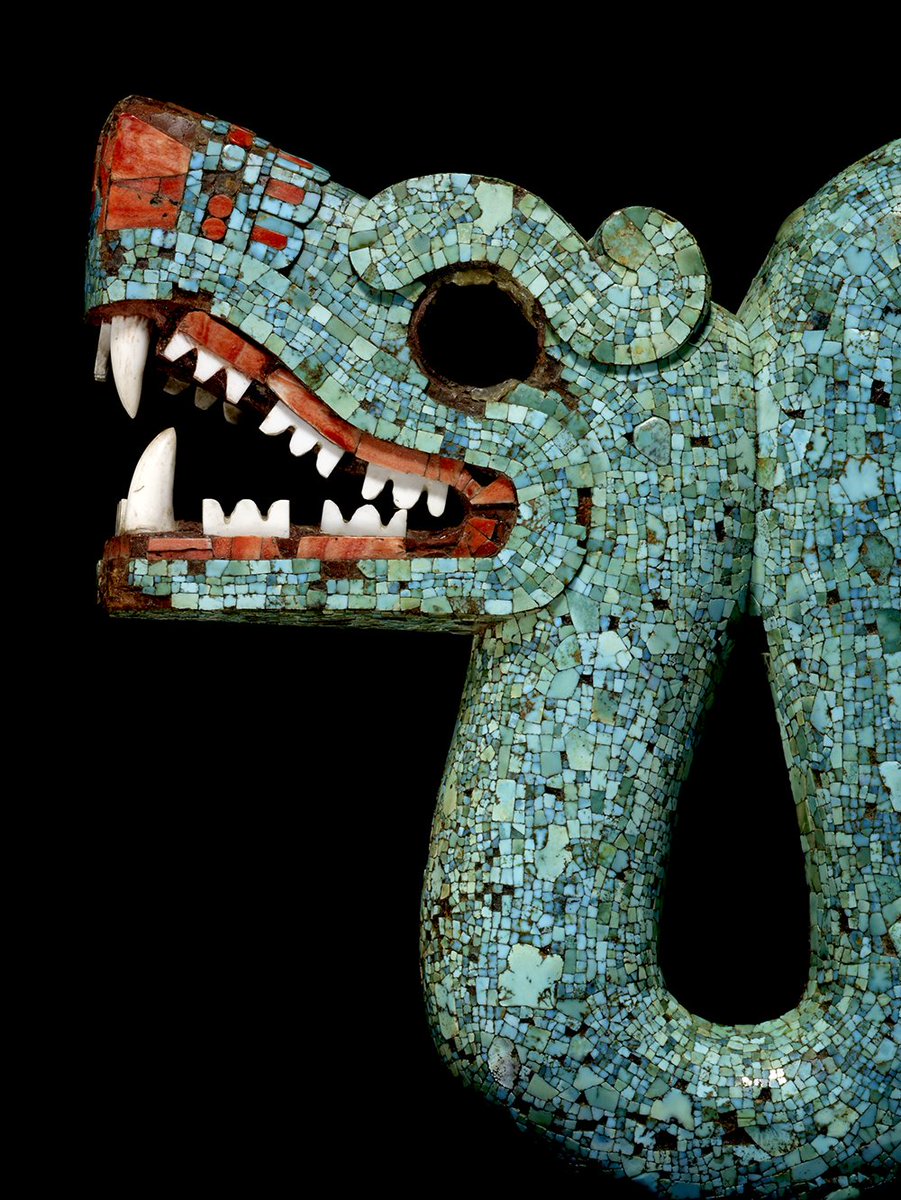
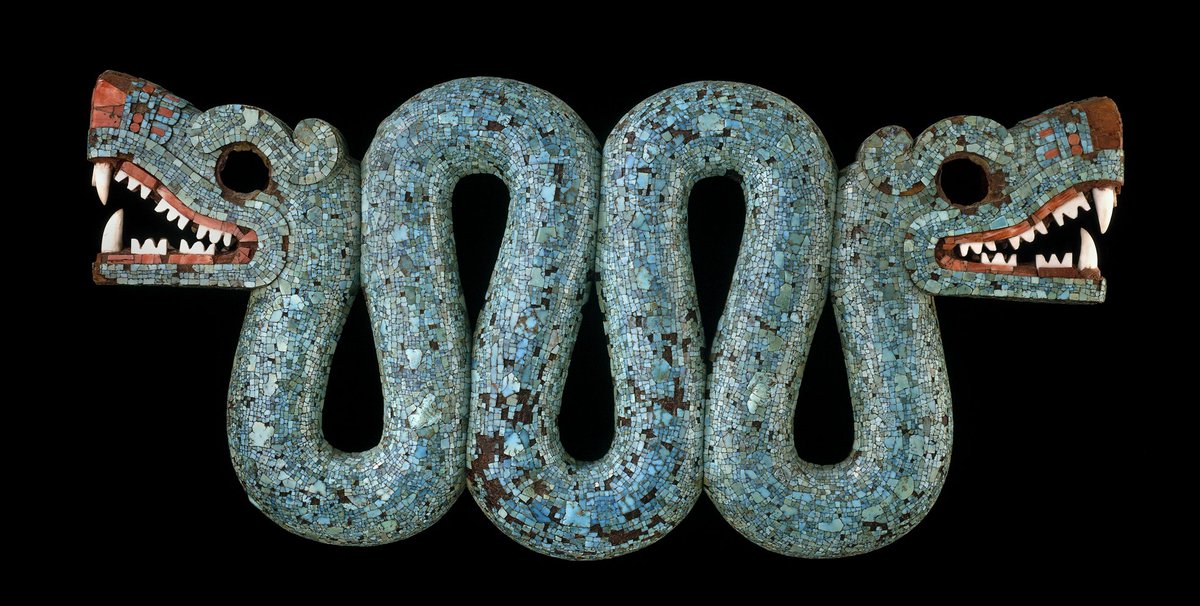
15,000 tiny turquoise tiles decorate this Aztec serpent, made around 500 years ago in Mexico.
Double-headed serpents (known as maquizcoatl) were the bearers of bad omens
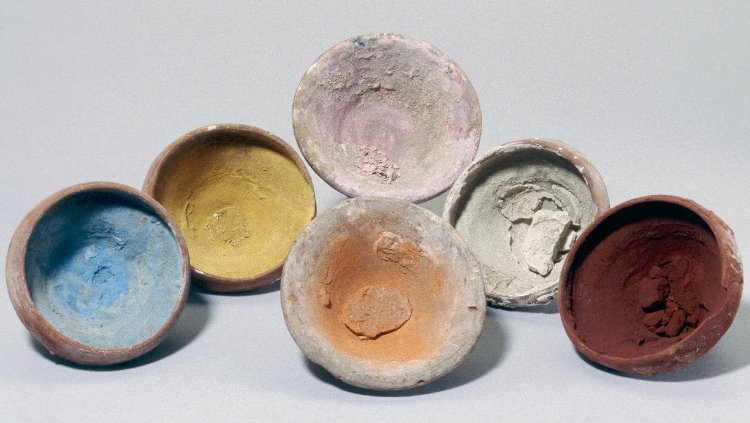
Pots of brightly coloured paint from a tomb at Hawara (Roman), excavated by Petrie and now @britishmuseum. They were analysed by Russell while president of the Chemical Society @RoySocChem - iron oxides, red lead (minium), gypsum, Egyptian blue, and madder
Britain's first museum is 335 years old today! On 24 May 1683 the doors of the Ashmolean Museum were officially opened to the public. Here it is in the glorious Spring sunshine
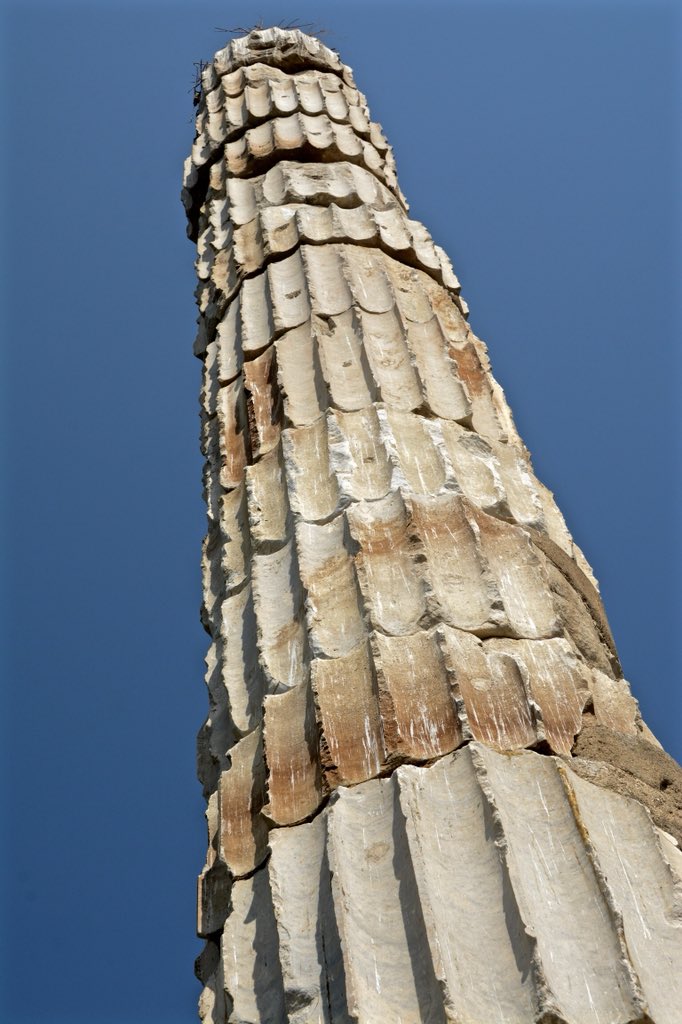
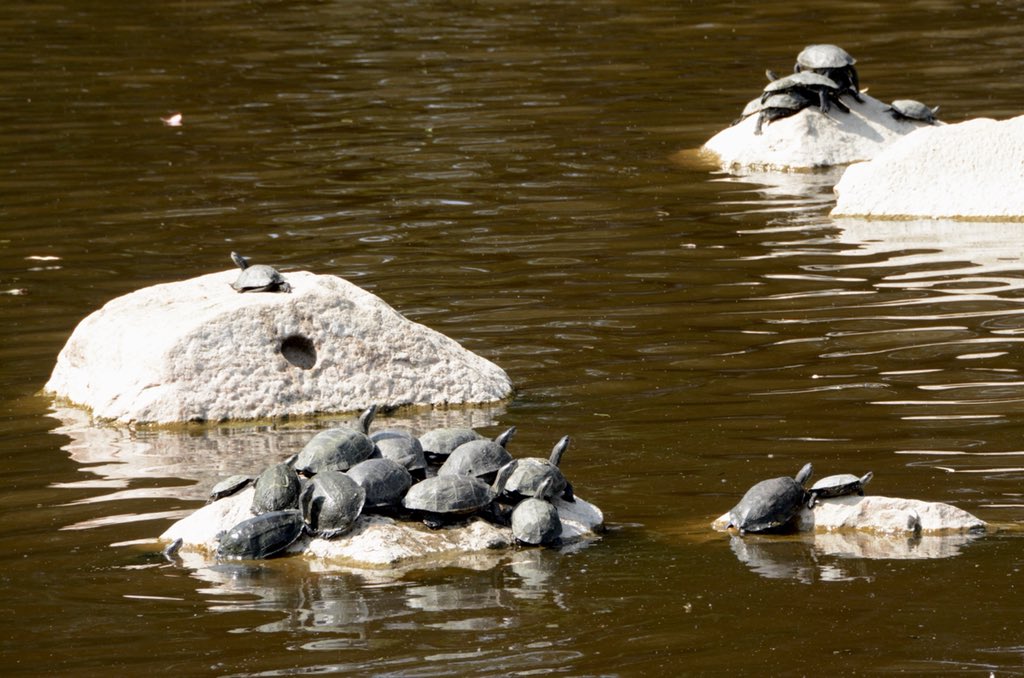
For #WorldTurtleDay: the turtles that happily bask on the stone fragments of the Temple of Artemis in Turkey—one of the Ancient Wonders of the World—that emerge from the murky waters on site.