ABOKI: A WORD OF FRIENDSHIP THAT HISTORY REBRANDED
Many people do not realise this, but aboki was never meant as an insult.
In Hausa, it simply means “friend” or “companion.” It has been used for centuries in Hausa communities long before Nigeria became a country.
So how did a warm word for friendship become a label that some southerners use to describe northerners, sometimes in a way that feels dismissive?
1. Pre colonial era to early 1900s
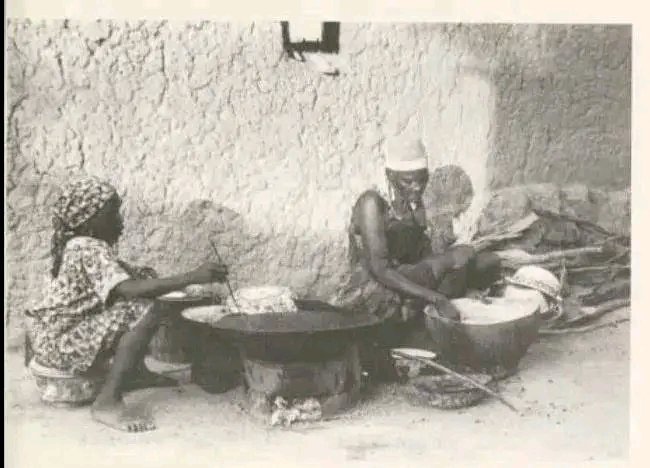
For generations, Hausa traders, herders and craftsmen travelled to southern towns. By the late 1800s, Hausa communities were already established in places like Ibadan, Lagos and Onitsha. Southerners heard the word aboki often because Hausa speakers used it naturally in conversation. At this point it simply meant “friend.”
2. Railway period, 1910s to 1950s
The rail lines built between 1912 and 1927 increased northern migration into the south. Cattle traders, kolanut merchants, artisans and guards settled in major towns. The word aboki became familiar to southerners through daily interaction in markets and motor parks. It was not insulting. It was just a word that travelled with people.
3. 1960s to 1980s: The word enters Nigerian Pidgin
By the 1970s, linguists noted that aboki had become part of Nigerian Pidgin. It developed two meanings. One retained the original Hausa sense of “friend.” The other referred to “a Hausa or northern man.” This shift was normal. Borrowed words often take on new meanings when they cross into another culture.
4. 1990s to 2000s: The tone begins to change
Southern usage gradually drifted from “friend” to a general tag for northerners, especially those working in visible roles such as suya selling, guarding, okada riding or market trading. Over time the word picked up stereotypes, and many northerners began to object. Their concern was not the word itself but how it was used to reduce people to a single identity.
5. 2010s to now: Online culture amplifies it
With the rise of Twitter and other platforms, the shift became more obvious. Online jokes and arguments sometimes used aboki in a way that suggested simplicity or lack of education. This reinforced the feeling among northerners that a friendly Hausa word had been repurposed into a label.
So what does this mean today?
This is the part many people misunderstand.
If you refer to someone like @BashirAhmaad, @dawisu, @Waspapping_ or @KawuGarba as aboki in the original Hausa sense, you are simply calling them “my friend.” That is the real translation.
However, this is not how the word is usually understood in southern public conversation. Over the years aboki became a shorthand for “a northerner,” and when used during disagreements or controversial tweets, the tone is rarely friendly. In that setting the word does not sound like “friend.” It comes across as a reminder of the person’s northern identity and can feel mocking or dismissive.
This creates a tension between the literal meaning and the social meaning.
The dictionary meaning is still friend.
The modern social meaning depends entirely on tone and intent.
⸻
The bottom line
Aboki is not an insult in Hausa.
It became complicated through migration, language blending and the stereotypes people attached to it.
Its original meaning is friendship.
How it is used today is what determines whether it unites or offends.
ABOKI: A WORD OF FRIENDSHIP THAT HISTORY REBRANDED
Many people do not realise this, but aboki was never meant as an insult.
In Hausa, it simply means “friend” or “companion.” It has been used for centuries in Hausa communities long before Nigeria became a country.
So how did a warm word for friendship become a label that some southerners use to describe northerners, sometimes in a way that feels dismissive?
1. Pre colonial era to early 1900s
For generations, Hausa traders, herders and craftsmen travelled to southern towns. By the late 1800s, Hausa communities were already established in places like Ibadan, Lagos and Onitsha. Southerners heard the word aboki often because Hausa speakers used it naturally in conversation. At this point it simply meant “friend.”
2. Railway period, 1910s to 1950s
The rail lines built between 1912 and 1927 increased northern migration into the south. Cattle traders, kolanut merchants, artisans and guards settled in major towns. The word aboki became familiar to southerners through daily interaction in markets and motor parks. It was not insulting. It was just a word that travelled with people.
3. 1960s to 1980s: The word enters Nigerian Pidgin
By the 1970s, linguists noted that aboki had become part of Nigerian Pidgin. It developed two meanings. One retained the original Hausa sense of “friend.” The other referred to “a Hausa or northern man.” This shift was normal. Borrowed words often take on new meanings when they cross into another culture.
4. 1990s to 2000s: The tone begins to change
Southern usage gradually drifted from “friend” to a general tag for northerners, especially those working in visible roles such as suya selling, guarding, okada riding or market trading. Over time the word picked up stereotypes, and many northerners began to object. Their concern was not the word itself but how it was used to reduce people to a single identity.
5. 2010s to now: Online culture amplifies it
With the rise of Twitter and other platforms, the shift became more obvious. Online jokes and arguments sometimes used aboki in a way that suggested simplicity or lack of education. This reinforced the feeling among northerners that a friendly Hausa word had been repurposed into a label.
So what does this mean today?
This is the part many people misunderstand.
If you refer to someone like @BashirAhmaad, @dawisu, @Waspapping_ or @KawuGarba as aboki in the original Hausa sense, you are simply calling them “my friend.” That is the real translation.
However, this is not how the word is usually understood in southern public conversation. Over the years aboki became a shorthand for “a northerner,” and when used during disagreements or controversial tweets, the tone is rarely friendly. In that setting the word does not sound like “friend.” It comes across as a reminder of the person’s northern identity and can feel mocking or dismissive.
This creates a tension between the literal meaning and the social meaning.
The dictionary meaning is still friend.
The modern social meaning depends entirely on tone and intent.
⸻
The bottom line
Aboki is not an insult in Hausa.
It became complicated through migration, language blending and the stereotypes people attached to it.
Its original meaning is friendship.
How it is used today is what determines whether it unites or offends.
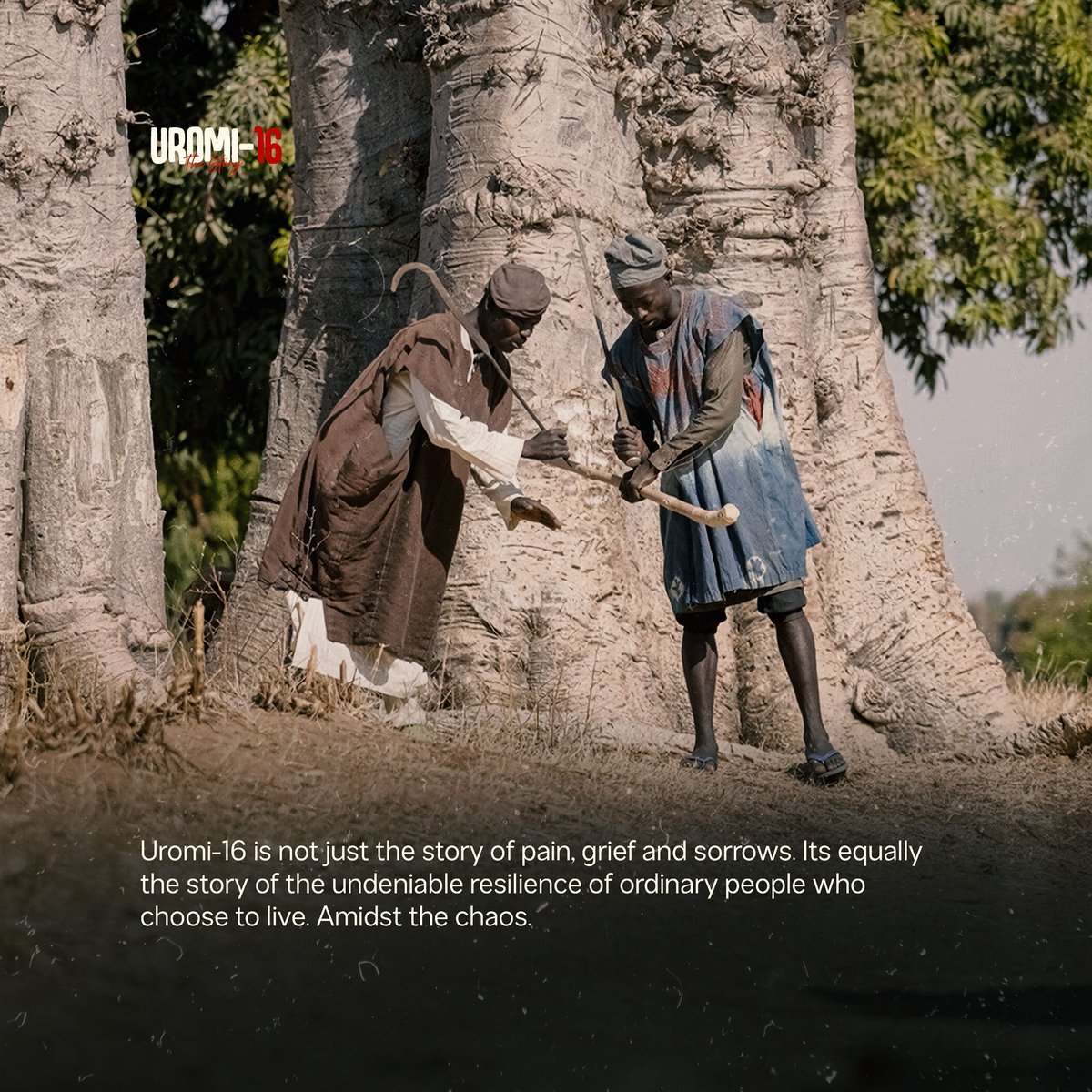
Almost one year after the horrifying tragedy that claimed the lives of sixteen hunters from Kano, one of the surviving members returned to the quiet ground where his brothers were laid to rest in mass graves. With each step, memories flooded back their bravery, their laughter, and the painful night that changed everything. Standing before the soil that now holds their bodies, he felt the weight of loss all over again, but also the unbroken bond that still ties him to them.
He came not just to remember, but to pray. With trembling hands and a heavy heart, he offered prayers for their souls, asking God to grant them mercy, peace, and eternal rest. In that moment, surrounded by silence and the echo of what once was, he honoured their sacrifice the only way he could through prayer, through tears, and through the promise that they will never be forgotten.
#Uromi16
Islam reached Borno as early as the 11th century through trans-Saharan trade. Northern Nigeria has been part of the global Islamic intellectual network for centuries.
Borno in Northern Nigeria.
Borno isn’t just a state in Nigeria. It was once one of the longest-lasting Islamic empires in Africa. The Kanem-Bornu Empire lasted for over 1,000 years. That’s longer than many European kingdoms. 🏜️
The title “Shehu of Borno” comes from the Arabic “Shaykh,” meaning leader or scholar. It reflects deep Islamic scholarship embedded in Borno’s leadership.
Queen Amina of Zazzau: One of the most famous Hausa figures was a 16th-century warrior queen who led military expeditions and expanded the territory of Zazzau (modern-day Zaria).
https://t.co/SFVNySOZfr
ABOKI: A WORD OF FRIENDSHIP THAT HISTORY REBRANDED
Many people do not realise this, but aboki was never meant as an insult.
In Hausa, it simply means “friend” or “companion.” It has been used for centuries in Hausa communities long before Nigeria became a country.
So how did a warm word for friendship become a label that some southerners use to describe northerners, sometimes in a way that feels dismissive?
1. Pre colonial era to early 1900s
For generations, Hausa traders, herders and craftsmen travelled to southern towns. By the late 1800s, Hausa communities were already established in places like Ibadan, Lagos and Onitsha. Southerners heard the word aboki often because Hausa speakers used it naturally in conversation. At this point it simply meant “friend.”
2. Railway period, 1910s to 1950s
The rail lines built between 1912 and 1927 increased northern migration into the south. Cattle traders, kolanut merchants, artisans and guards settled in major towns. The word aboki became familiar to southerners through daily interaction in markets and motor parks. It was not insulting. It was just a word that travelled with people.
3. 1960s to 1980s: The word enters Nigerian Pidgin
By the 1970s, linguists noted that aboki had become part of Nigerian Pidgin. It developed two meanings. One retained the original Hausa sense of “friend.” The other referred to “a Hausa or northern man.” This shift was normal. Borrowed words often take on new meanings when they cross into another culture.
4. 1990s to 2000s: The tone begins to change
Southern usage gradually drifted from “friend” to a general tag for northerners, especially those working in visible roles such as suya selling, guarding, okada riding or market trading. Over time the word picked up stereotypes, and many northerners began to object. Their concern was not the word itself but how it was used to reduce people to a single identity.
5. 2010s to now: Online culture amplifies it
With the rise of Twitter and other platforms, the shift became more obvious. Online jokes and arguments sometimes used aboki in a way that suggested simplicity or lack of education. This reinforced the feeling among northerners that a friendly Hausa word had been repurposed into a label.
So what does this mean today?
This is the part many people misunderstand.
If you refer to someone like @BashirAhmaad, @dawisu, @Waspapping_ or @KawuGarba as aboki in the original Hausa sense, you are simply calling them “my friend.” That is the real translation.
However, this is not how the word is usually understood in southern public conversation. Over the years aboki became a shorthand for “a northerner,” and when used during disagreements or controversial tweets, the tone is rarely friendly. In that setting the word does not sound like “friend.” It comes across as a reminder of the person’s northern identity and can feel mocking or dismissive.
This creates a tension between the literal meaning and the social meaning.
The dictionary meaning is still friend.
The modern social meaning depends entirely on tone and intent.
⸻
The bottom line
Aboki is not an insult in Hausa.
It became complicated through migration, language blending and the stereotypes people attached to it.
Its original meaning is friendship.
How it is used today is what determines whether it unites or offends.