Radio waves from a long-period source!
An international team including Argos Lead Digital Engineer Dr. E. Barr and Backend Engineer Dr. Y. Men, has discovered a new type of stellar object that challenges our understanding of the physics of neutron stars. MPIfR press release 👇
An international team led by astronomers from Curtin University and the International Centre for Radio Astronomy Research including scientists from our institute has discovered a new type of stellar object: https://t.co/AbxGAH7kbZ
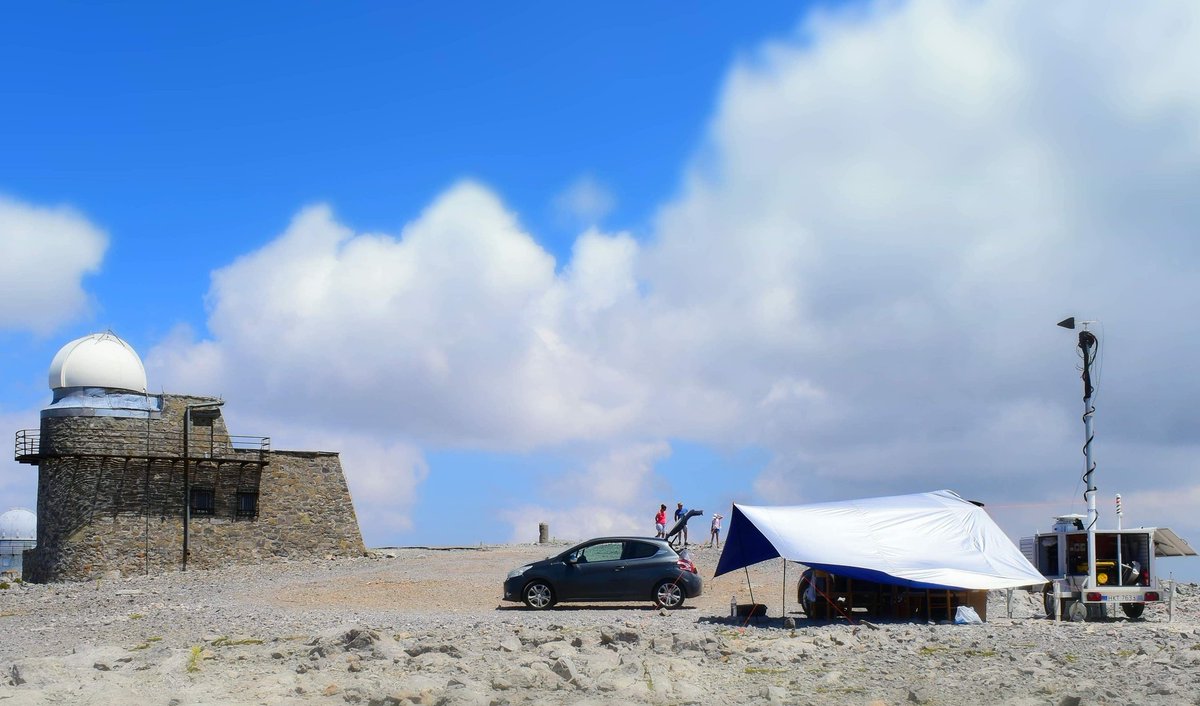
The remote and secluded plateaus of the Cretan mountains offer a unique opportunity for radio astronomy in #europe , as they are well-shielded from strong #rfi by the surrounding terrain.
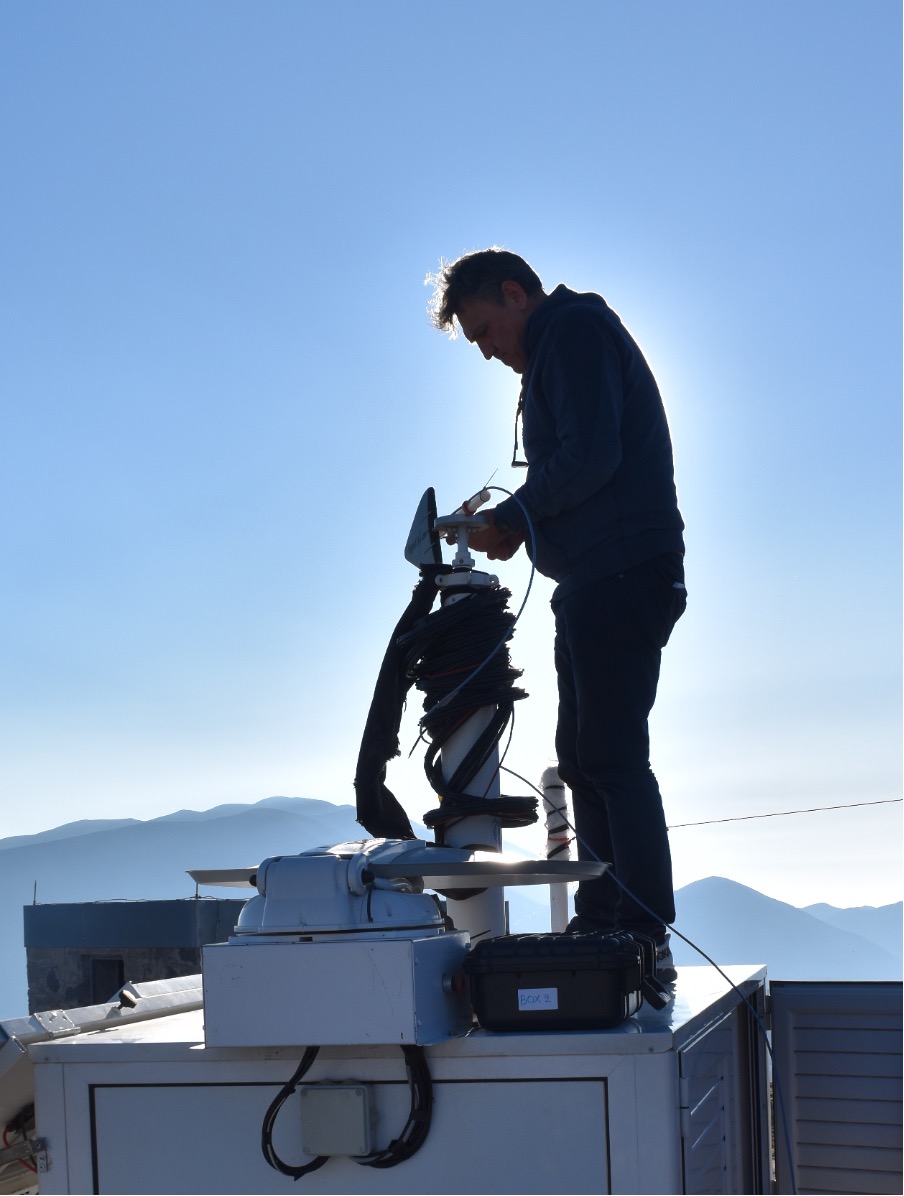
Last week we had a blast characterising the radio-frequency environment at various locations in Crete, using the state-of-the-art equipment of the Research Center - University of Piraeus Telecommunication Systems Lab!
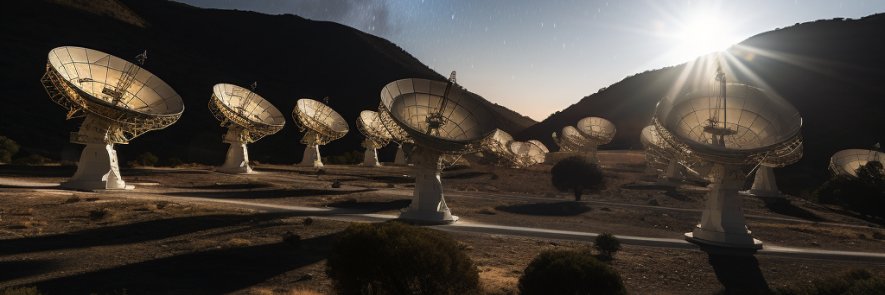
These measurements were conducted in the context of the #EU-funded Argos Telescope Conceptual Design Study, to find the best site for the telescope, and to optimise its frontent and backend subsystems.
Radio frequency interference (#rfi) is one of the main challenges radio astronomers face when trying to observe the Cosmos. RFI can come from various sources, such as #mobilephones, #wifi, #radars, #satellites, #airplanes, or even microwave ovens.