I'm obsessed with cognitive biases.
A "cognitive bias" is a systematic error in thinking that destroys decision-making.
11 most powerful (and dangerous) cognitive biases I've found: 🧵
1. Survivorship Bias:
A Princeton classics professor is teaming up with computer scientists to develop AI-based tools to fill in the gaps of fragmented ancient texts that are written on stone, papyrus and parchment.
Learn more about the humanities at Princeton: https://t.co/ZDWjt19EET
🚨 In 1992, a MIT lecture quietly revealed more about product and sales than most 2-year MBAs ever will.
Most people have never seen it.
It came from Steve Jobs and instead of teaching theory, he broke down how great products actually win.
Watching it today feels unreal.
He explained that people don’t buy products they buy meaning. The best products aren’t just functional, they connect with how people see themselves. That’s why some ideas spread effortlessly while others die, even if they’re technically better.
He also made it clear that marketing isn’t about features. It’s about clarity. If you can’t explain why your product matters in simple terms, it won’t matter at all. Complexity doesn’t impress it confuses.
And his biggest edge? Obsession with experience. Not just what the product does, but how it feels. The small details, the simplicity, the story that’s what separates good from unforgettable.
That’s why this MIT lecture still hits hard.
Because while most people are building products…
Very few understand why people actually buy them.
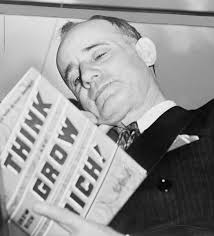
Napoleon Hill spent 25 years interviewing 500+ of the most successful people in history.
From Henry Ford to Thomas Edison, he discovered how history's top 0.1% think differently from the rest of us.
Here are 13 of the most unconventional mental habits he found:
Lee Kuan Yew talks about talent spotting candidates: he was so inspired by how the Apollo 13 astronauts salvaged the 1970 lunar mission that he adopted NASA’s psychological assessment tests for the Singaporean government.
Two big steps towards our vision for @NotebookLM as the ultimate research platform:
• Integrating Deep Research, with a set of only-at-Notebook features that let you explore the retrieved sources
• Launching a series of Featured Notebooks curated by @GoogleResearch
These developments are designed to enhance the full life cycle of research and scholarship: using the power of AI to assemble the knowledge base you need to advance your understanding, and then making your work accessible and intelligible to a wider audience using all the explanatory tools that Notebook offers.
If you've used DeepResearch in the Gemini app, you already know that it's a pioneering advance in assembling complex, grounded information on any topic imaginable—collecting an entire trove of material for you and writing a nuanced research report that summarizes the findings.
But because NotebookLM is designed to manage and explore potentially hundreds of sources, the Deep Research report is only the beginning of your journey. In our integration, Deep Research gives you an overview all of the sources it found during its research phase, with annotated commentary explaining how each source related to your original query. You can then choose to import some or all of the sources to the notebook, along with the report itself, which you can then explore or transform using the full suite of tools that Notebook offers: grounded chat with citations, Mind Maps, Audio/Video overviews, and much more.
And it's that suite of tools that make the @GoogleResearch Featured Notebooks so compelling as well. Each notebook contains a curated collection of articles on a specific topic, published by the Google Research team. Think of them as a kind of knowledge base of Google's best thinking on a series of compelling research questions: How do scientists link genetics to health? How will quantum computing be useful?
If you're a specialist in these fields, you can read the original papers or ask nuanced questions in chat and advance your understanding of the latest developments. But these notebooks can also make the complex but important topics understandable to non-specialists or students. Each notebook comes with pre-generated audio and video overviews, flashcards, and other Studio artifacts designed to make the scientific and technological concepts accessible and interesting. And you can always explore the material with our new "Learning Guide" chat mode that effectively gives you a personal tutor to enhance your understanding.
There's much more to come on this front, but you can see in these two announcements how we see Notebook as both a workbench for conducting research and a publishing platform for sharing the results of that research once you're ready to make it public.
Deep Research is rolling out this week to all users. The first two Google Research notebooks are live now, both of them deep dives into our most recent discoveries involving genetics and health. (Links in the following tweets.) We'll be publishing new notebooks in the series every other week or so for the next few months.
92% of businesses fail to scale.
Here’s how to be among the 8% that succeed:
There’s one powerful framework that can help:
The Growth Paradigm Model.
Developed by Shift Paradigm, it’s a great approach to sustainable business growth.
Successful growth strategies require:
✔️ Clear objectives
✔️ Structured processes
✔️ Cross-functional alignment
✔️ Data-driven decision-making
Here’s how to apply it:
1. GTM Objectives
Not all goals drive sustainable growth.
Set clear market and audience objectives.
Align product and brand strategies.
Create targeted go-to-market plans.
2. Process & Planning
Structure creates scalability.
Optimize budgets and marketing performance.
Refine revenue processes.
Maintain consistent messaging and campaigns.
3. Technology & Data
Your tools define your capabilities.
Implement a robust data architecture.
Build a scalable tech stack strategy.
Automate whenever possible.
4. People
The right team makes the difference.
Design optimal organizational structures.
Invest in onboarding and training.
Boost engagement and retention initiatives.
5. Analytics Engine
What gets measured gets improved.
Track all key aspects of business.
Build a comprehensive analytics ecosystem.
Structure decision-making around data.
6. Programs
Execution is everything.
Optimize sales and marketing enablement.
Generate consistent demand.
Drive customer engagement and loyalty.
Winning growth strategies don’t happen by accident:
They’re designed, implemented, and optimized systematically.
P.S. Which area of the Growth Paradigm Model needs your focus right now?
♻️ Repost to help more businesses scale!
----
📌 Get my top 100 infographics for free:
1) Follow me.
2) Subscribe to my free newsletter at https://t.co/jTnaNRaV2d
.
You’ll receive them directly in your welcome email.
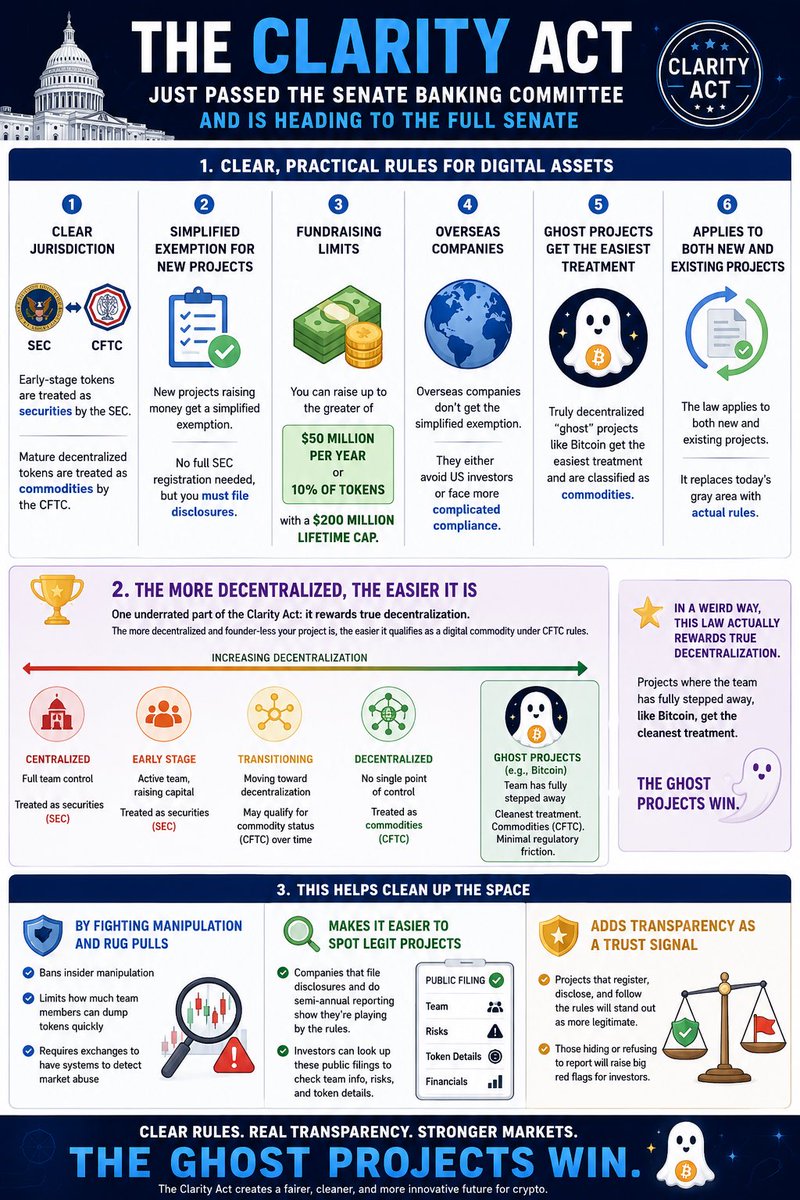
Securitize to become first U.S. public company offering end-to-end tokenization infrastructure. The $1.25B SPAC merger positions it to tap into a projected $19T market for tokenized real-world assets.
BlackRock-linked tokenization firm.
#AndTheIornyIs that Securitize chooses a traditional off-chain IPO 😉
Securitize to go public via SPAC deal
https://t.co/E5O4XGefwk
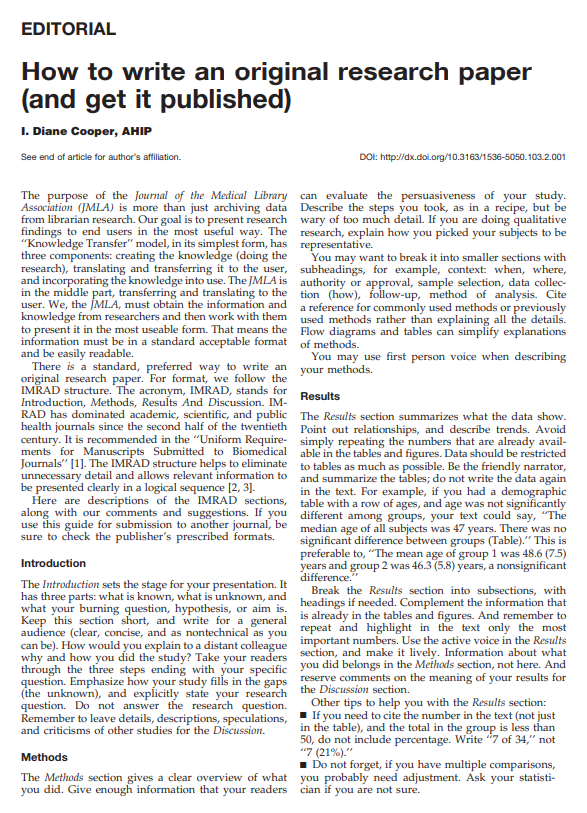
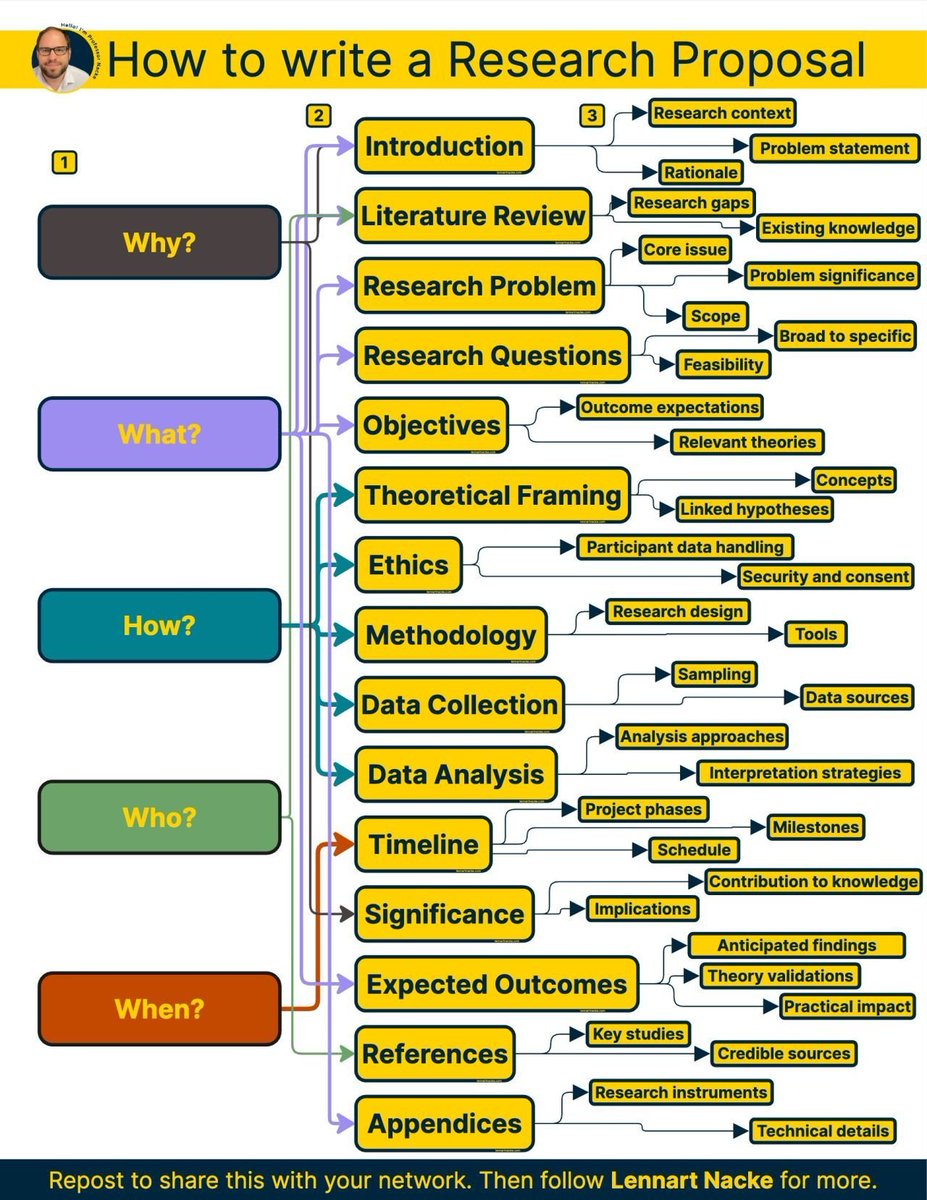
Proposals fail because of two misplaced paragraphs.
Most researchers bury their motivation on page 3.
They lead with background instead of urgency.
The Why-What sequence flips this completely.
Here's a 15-part structure I use that makes it simple.
Let's break it down into 7 broad steps:
PhD Students – How to create a diagram in seconds?
First, why do you need diagrams?
You need diagrams for:
→ Your research papers
→ Your presentations
→ Your posters
→ Your thesis
→ And much more
Now it’s easy to create diagrams.
Meet @answerthisio: a tool to make diagrams in seconds.
It works in 5 simple steps.
1. Go to https://t.co/xOqcmapsKR and log in.
2. Click on Diagrams from the left menu.
3. Enter your diagram description
4. Select the type of diagram e.g., flowchart.
5. Get your perfect diagram
You can create the following types of diagrams.
↳ Flowchart
↳ Mind map
↳ Gantt chart
↳ Timeline
↳ Pie chart
↳ State diagram
↳ Git graph
↳ User journey
Anything you'd like to add?
🌊 Blue loans and blue bonds are a growing asset class focused on protecting or sustainably using marine ecosystems and clean water resources.
How can investors and issuers start using these financing innovations?
Check out the guidelines here: https://t.co/FZYMRhEDWy