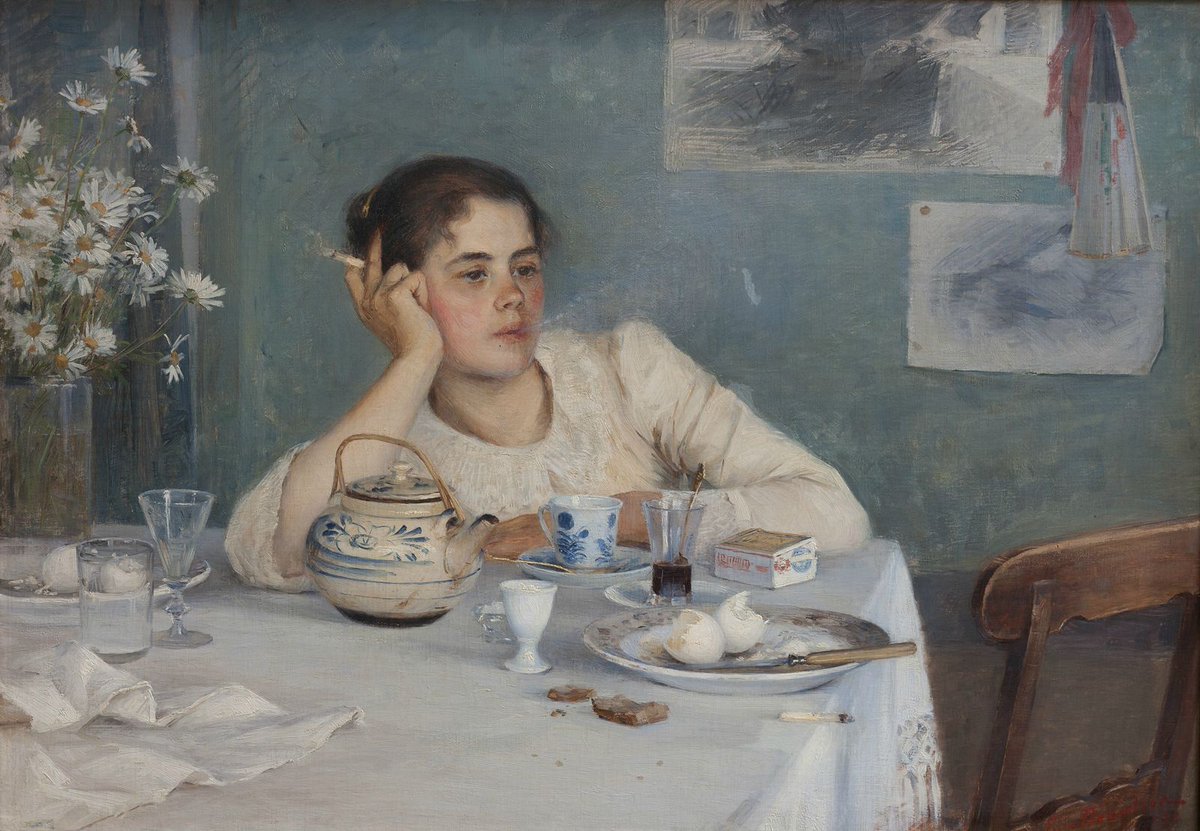
"... It does something different from leading to an experience. It constitutes one.” - Dewey, J. (1934). Art as Experience.
Reflect on John Dewey's ideas of art as a living experience with us: https://t.co/ISNkEFH1yb
The CoBra group was less an art style and more an attitude. After World War 2, logic and rationalism became overwhelming, even in culture. The CoBra group was a radical protest against it.
#arthistory#postwarart#ArtLovers
https://t.co/f4fzdavBY2
“The Fibonacci Sequence turns out to be the key to understanding how nature designs… and is… a part of the same ubiquitous music of the spheres that builds harmony into atoms, molecules, crystals, shells, suns and galaxies and makes the Universe sing.”
https://t.co/qEoag5bFlU
They saw the canvas not just as a surface. It was a stage, a battlefield, or even a mirror. It became a place where emotions were acted out, where inner struggles played out in color and movement.
https://t.co/yvoLfTZ082
#abstractexpressionism#markrothko#artpsychology
A psychoanalyst viewing this Anselm Feuerbach's 1853 self-portrait might interpret the intense, shadowed gaze as signs of an ego under pressure. This portrayal may be read as a projection of a “stern superego,” where self-judgment is concealed and enacted.
#psychoanalysis_art
Outdoors (plein air) artists must work very quickly because natural light shifts constantly—shadows lengthen, colors change, clouds move. So they develop visual and muscle memory to capture the essence of a scene fast.
Source: Fortepan — ID 90
#pleinair
Almond Blossom (1890) was created shortly after Vincent's nephew, Vincent Willem van Gogh was born. The painting is part of a series of works Van Gogh produced in Saint-Rémy-de-Provence, France, during his stay in a psychiatric hospital.
#vangogh#vincentvangogh#ArtLovers
Paris, cosmopolitan and tolerant, stimulating to adventure and experimentation, has been and until the outbreak of World War II still was the art center of the world, and its influence has penetrated far and wide. - Gardner H., Art Through the Ages
https://t.co/jCwdDzHQ3P
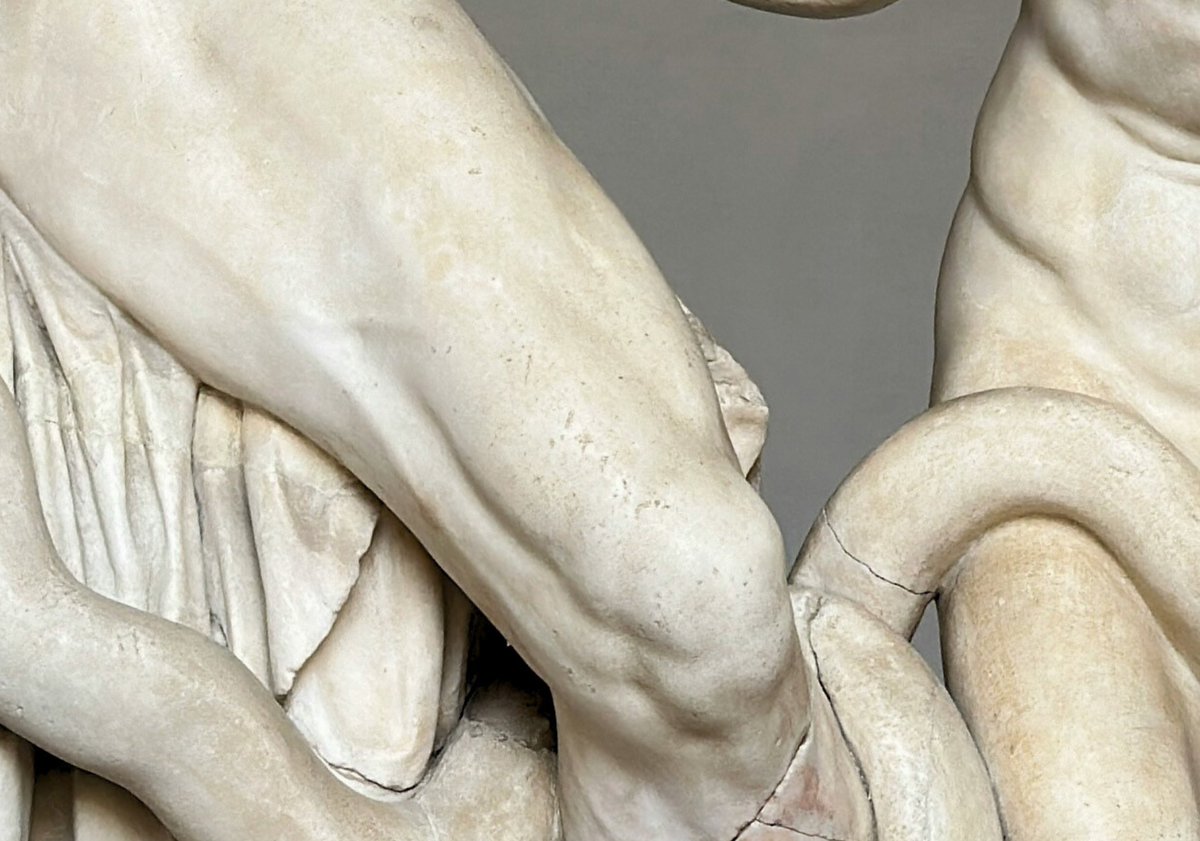
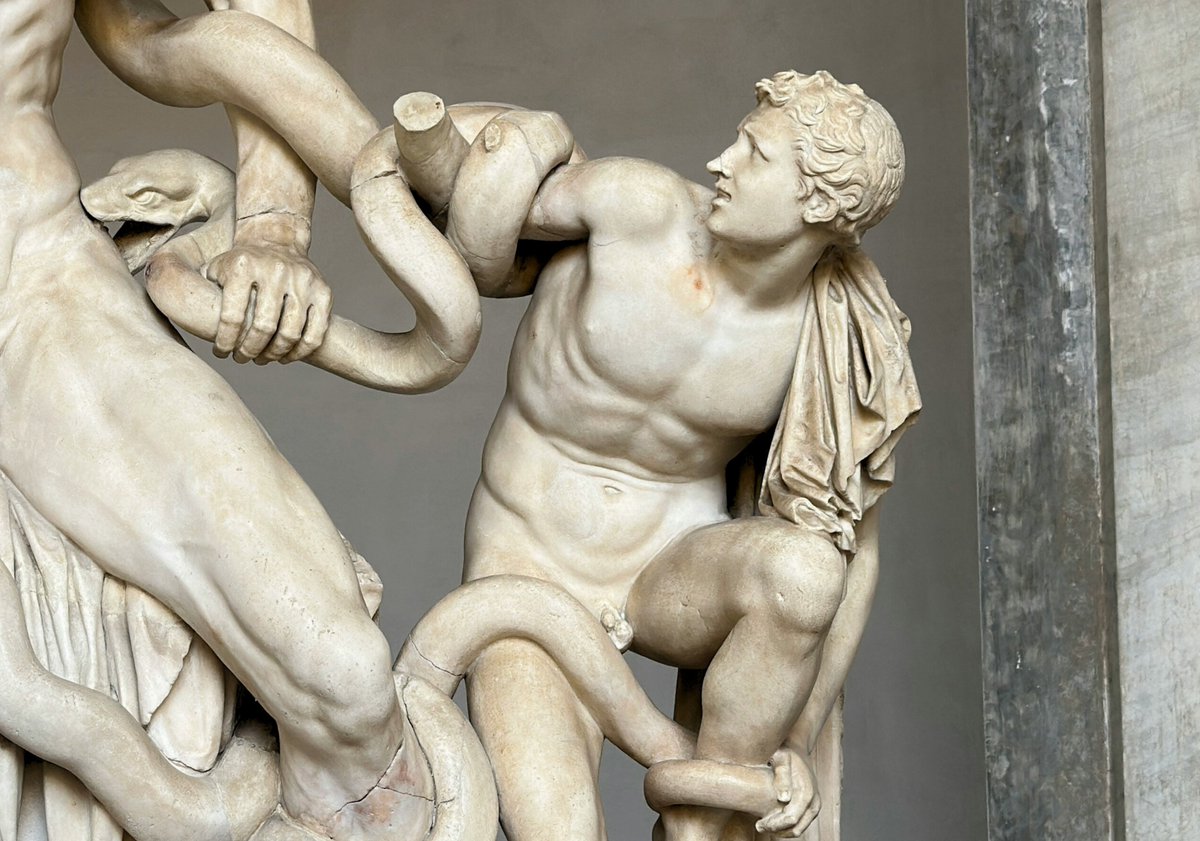
Laocoön and His Sons
According to the myth, Laocoön warned the Trojans not to trust the Greeks' wooden horse. Angered by his defiance, the gods sent the serpents to punish him and his sons, sealing their tragic fate.
#ancientsculpture#ancientgreekart#ancientgreeksculpture