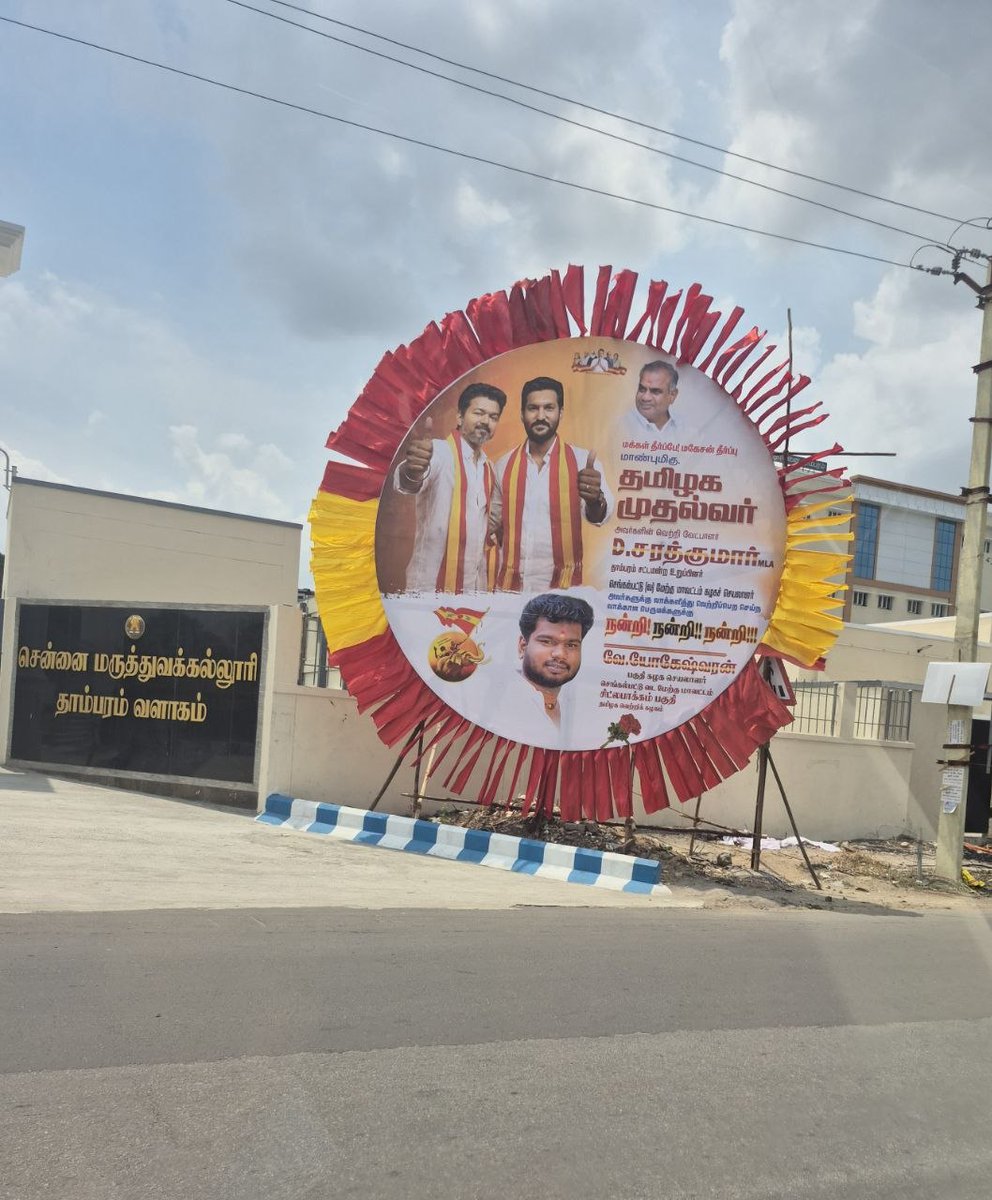
மக்களுக்கு நன்றி சொல்ல வேண்டுமா? அவர்களுக்கு நல்லது செய்யுங்கள். இது போன்ற சமூக விரோத செயல்களை செய்து அவர்கள் உயிருக்கு உலை வைக்காதீர்கள்.
இது போன்ற பேனர்கள், கொடி கம்பங்கள் வைக்கும் போது மேலே செல்லும் மின்சார வயர்கள் பட்டு உயிரிழந்தவர்கள் ஏராளம். இது போல சாலை ஓரங்களில் நடைபாதைகளில் வைக்கப்படும் பேனர்கள் அந்த வழியாக செல்லும் வாகன ஓட்டிகள் மீது விழுந்து அதில் உயிரிழந்தவர்கள் ஏராளம். இத்தனை ���டந்துமா அறிவு வரவில்லை..?
அனுமதி வாங்காமல் சட்ட விரோதமாக பேனர்கள் வைத்து மக்கள் உயிருக்கு ஆபத்து ஏற்படுத்துபவர்களுக்கு கடுமையான தண்டனை கொடுப்பதே இதற்கு தீர்வு. என்ன செய்ய போகிறீர்கள் @CMOTamilnadu @TVKVijayHQ @COPTBM
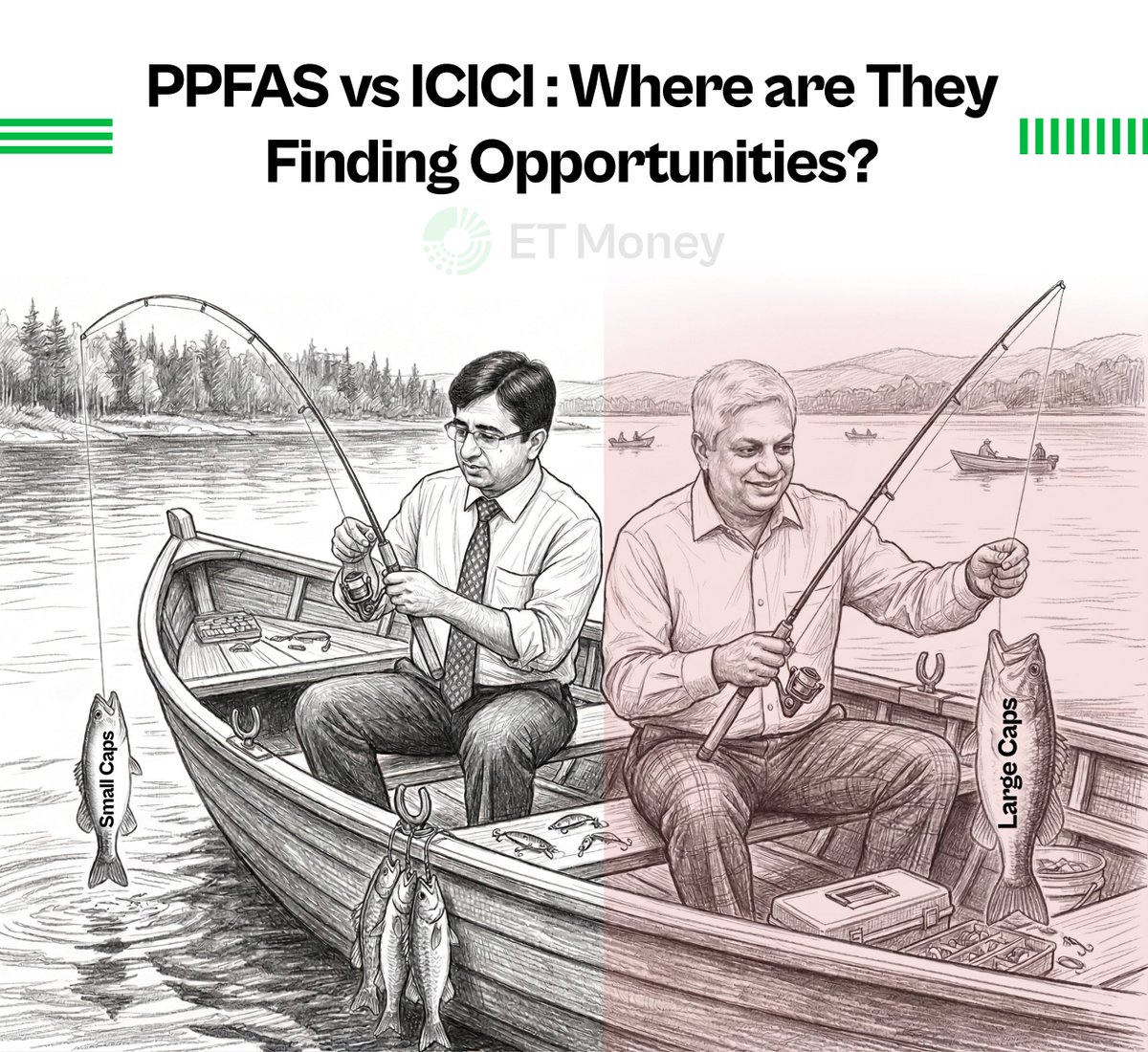
Rajeev Thakkar and Sankaran Naren together manage nearly ₹2.35 LAKH CRORE!
Both are hardcore value investors.
Yet, their portfolios today look nothing alike.
And when two of the most celebrated fund managers disagree…
It’s worth paying attention 👇🧵
11-year-old Rada from Ukraine couldn’t ignore the plastic and thermocol covering Vrindavan after Holi.
With gloves, a trash bag, and her father Max — a former Paralympic swimmer — she began cleaning the holy streets.
What started with just two people is now a growing volunteer effort removing tonnes of waste.
Because devotion isn’t just prayer. It’s responsibility.
If an 11-year-old from Ukraine can clean Vrindavan, can’t we protect our own sacred spaces? Comment below.
#CleanIndia #Holi2026 #EnvironmentalHeroes #YouthForChange #SustainableFuture
[Holi 2026, Vrindavan Cleanup, Clean Vrindavan Project, Holi Waste Management, Yamuna Pollution Awareness, Young Environmentalist India]
Every time we microwave food in a black plastic takeaway box, we may be heating up more than just leftovers.
Many of these containers are made from recycled e-waste and can leach toxic chemicals into our meals.
But there’s hope. Atishay and Avinash of AGRILEAF are turning fallen areca leaves into safe, compostable packaging.
If 93 million biryanis can be ordered, imagine choosing better.
Will you make the switch? Tell us in the comments below.
#SustainableLiving #EcoFriendly #PlasticFree #HealthAwareness #GreenIndia
[Sustainable Food Packaging, Areca Leaf Containers, Plastic Free Alternatives, Eco Friendly Takeaway Boxes, Non Toxic Food Packaging]
Brook gets to 💯 in just 91 balls & he was just positive throught,taking the attack & always calculative, his 10th 100 already in just 30 tests, when he got out match is over already that's how the impact of his batting.
Planning to buy a super premium apartment in the Big city I shall not name?
Does it involve taking a big home loan?
Is this the biggest financial decision of your life?
Was this decision never in your plan a year ago?
Big financial decisions made on impulse carry costs that are never estimated at the time of making them.
But, these will always come back to haunt when nothing about them can be changed.
If blindly buying stocks in bull markets is bad, extreme FOMO in property decisions can actually be worse.
If things go wrong with the projects , then it will become a double disaster. Even delays in execution will suffice.
Here is the downside playbook, plain and bare.
Super premium property bought now come at the highest margins for developers.
Simply do your own math. Take the land cost per ground. Calculate how much can be built to the FSI rules on that plot. Arrive at the land cost per sft. Add ₹5000 as construction cost. This should be your total cost per sft. Now, multiply your actual carpet area to arrive at your actual Total cost per sft. The math should only be on the carpet area.
Take the price quoted by your builder. Multiply by the Total built up area estimated by your builder. This is what the builder wants as the sale value. But your actual cost per sft based on carpet area will now look far higher.
Compare the two numbers. If what total sum the builder asks is more than 20% of what you estimated, you should probably think hard before you buy. Chances are the difference will be as high as 50%.
Clearly people are over paying without thinking through enough. This price premium is the profit premium that builders make now.
Most buyers except the super rich are funding this profit premium through debt. A home loan with a higher component of excessive profit premium usually leads to a long term loss. Every real estate cycle in the past proved this. This time , the actual loss will be too high as the stakes are such.
With such high supply of premium properties in big cities, it is a risk that we simply can't ignore. The market may well tank after the speculative buying peaks out. An economic event in the real estate market can trigger a ripple effect.
This is not a time to shop premium property mindlessly simply because your salary supports a big fat loan. You must not let your future earnings and savings become a slave to a poor or mediocre property decision.
Here are some key points discussed in Warren Buffett's Annual Letter to shareholders:
1. Importance of Honest Communication
-Berkshire Hathaway believes in open and transparent communication with its shareholders, providing both mandated financial data and additional insights
- Warren Buffett emphasizes that the company reports to shareholders as if they were the CEO managing family savings
- The philosophy includes acknowledging mistakes, an approach not commonly followed by many large companies
2. Learning from Mistakes
- Buffett openly admits to making mistakes in capital allocation and personnel hiring.
- He stresses that the real issue is not making mistakes but delaying corrections, quoting Charlie Munger’s advice: “Problems cannot be wished away. They require action.”
- He points out that few public companies admit mistakes in their shareholder communications, making Berkshire unique in its candor.
3. Transition to New Leadership
-At 94, Warren Buffett acknowledges that Greg Abel will soon replace him as CEO.
-Greg Abel shares the Berkshire philosophy of honest reporting and understands the dangers of misleading shareholders.
-Buffett warns that if management starts fooling shareholders, they eventually fool themselves.
4. The Story of Pete Liegl and Forest River
-Buffett recounts the acquisition of Forest River, an RV manufacturer, in 2005.
-Founder Pete Liegl sold the company to Berkshire because he valued financial security for his family but wanted to continue running the business.
-Liegl’s humility was evident when he asked for a modest salary of $100,000, with a bonus linked to earnings growth.
-Over 19 years, Liegl transformed Forest River into a dominant industry player, delivering billions in profits to Berkshire.
-The story emphasizes Buffett’s approach to trusting capable and honest managers to run businesses independently.
5. Performance in 2024
-Berkshire performed better than expected, despite 53% of its 189 operating businesses reporting earnings declines.
-A major boost came from increased investment income due to higher Treasury Bill yields and improved performance at GEICO.
-GEICO underwent a significant transformation under Todd Combs, improving efficiency and underwriting.
-The property-casualty (P/C) insurance sector strengthened due to rising premiums, partly driven by climate-related damage.
-Berkshire’s railroad and utility businesses improved but still had room for growth.
-The company increased its stake in Berkshire Hathaway Energy from 92% to 100% for $3.9 billion.
6. Record Tax Payments
-Berkshire paid a record $26.8 billion in corporate income taxes, more than any other U.S. company.
-This accounted for 5% of all corporate taxes paid in the U.S..
-Buffett attributes this to the company’s long-standing policy of reinvesting profits instead of paying dividends.
-Since 1965, Berkshire has paid over $101 billion in federal taxes.
7. Investment Philosophy and Equity Holdings
-Berkshire follows a dual investment approach:Owning full control of businesses (189 subsidiaries).
-Holding minority stakes in high-quality companies like Apple, American Express, Coca-Cola, and Moody’s.
-At the end of 2024, Berkshire's publicly traded equity holdings were valued at $272 billion, down from $354 billion in 2023.
-Buffett prefers equity ownership over cash or bonds, believing in the long-term power of well-run businesses.
8. Cash Holdings and Capital Allocation
- Despite holding a large cash position, Buffett emphasizes that Berkshire will always favor investing in businesses over cash.
-Fixed-coupon bonds do not provide protection against inflation.
-Buffett acknowledges capitalism’s flaws but believes it remains the best economic system for growth.
9. Property & Casualty (P/C) Insurance – A Core Business
-Berkshire’s insurance business is unique because it collects premiums before paying out claims, giving it access to large investment capital ("float").
-Berkshire’s float has grown from $46 billion to $171 billion over two decades.
-Unlike most insurers, Berkshire avoids relying on reinsurance, providing a competitive cost advantage.
-Buffett warns that insurance companies can appear profitable for years before hidden losses emerge, particularly in long-tail policies like medical malpractice.
10. Expansion in Japan
-Berkshire has increased its stake in five major Japanese trading houses (ITOCHU, Marubeni, Mitsubishi, Mitsui, and Sumitomo).
-The company was attracted by low valuations and strong business fundamentals.
-Initial investment: $13.8 billion → Current market value: $23.5 billion.
-Berkshire also borrows in yen at low fixed interest rates to hedge currency exposure.
-Buffett expects these holdings to be long-term investments spanning decades.
11. Long-Term Commitment to Shareholders
- Buffett expresses gratitude to U.S. institutions for enabling Berkshire’s success.
- He encourages the government to spend tax revenue wisely, support those in need, and maintain a stable currency.
-The company’s goal remains long-term wealth creation and disciplined capital allocation
Border Gavaskar Trophy Winners
2014 - Australia
2017 - India
2018 - India
2020 - India
2023 - India
2025 - Australia*
Australia Won BGT after 10 Long Years!
#INDvsAUS