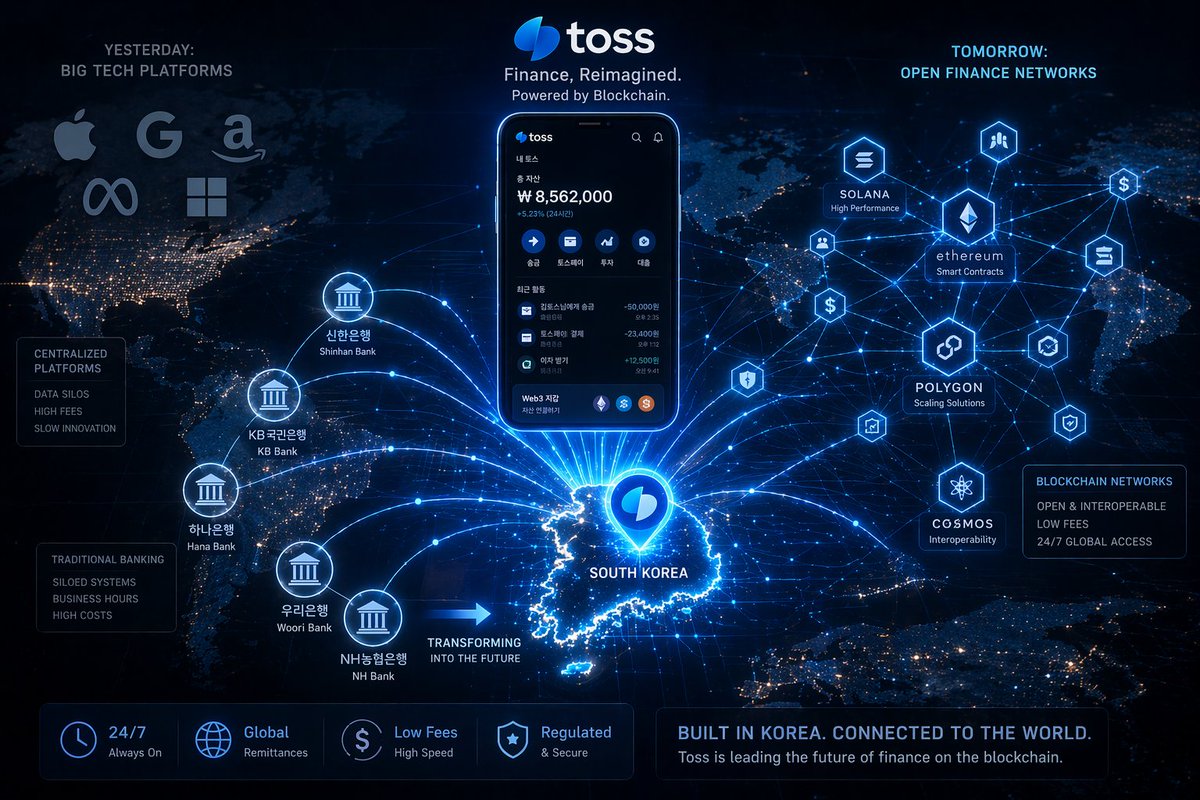
Everyone assumes Web3 adoption means US companies. But South Korea's Toss—30M users, $1.4B revenue—is building its own L1 blockchain while filing 24 stablecoin trademarks. Traditional fintech giants are bypassing existing chains entirely. Asia's building parallel infrastructure.
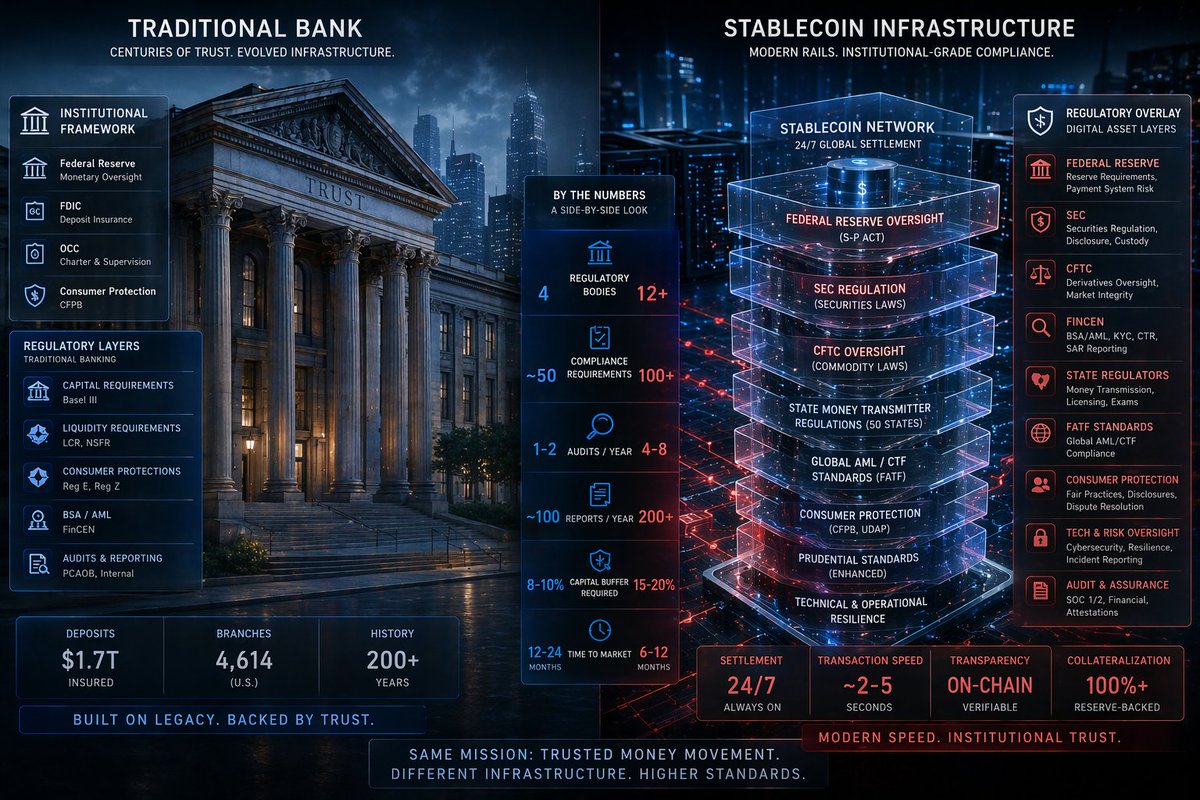
Everyone says stablecoins need more regulation. But Treasury's new AML rules treat them exactly like banks—plus secondary market monitoring requirements banks don't have. Stablecoin issuers now face stricter compliance than traditional finance. January 2027 compliance deadline.
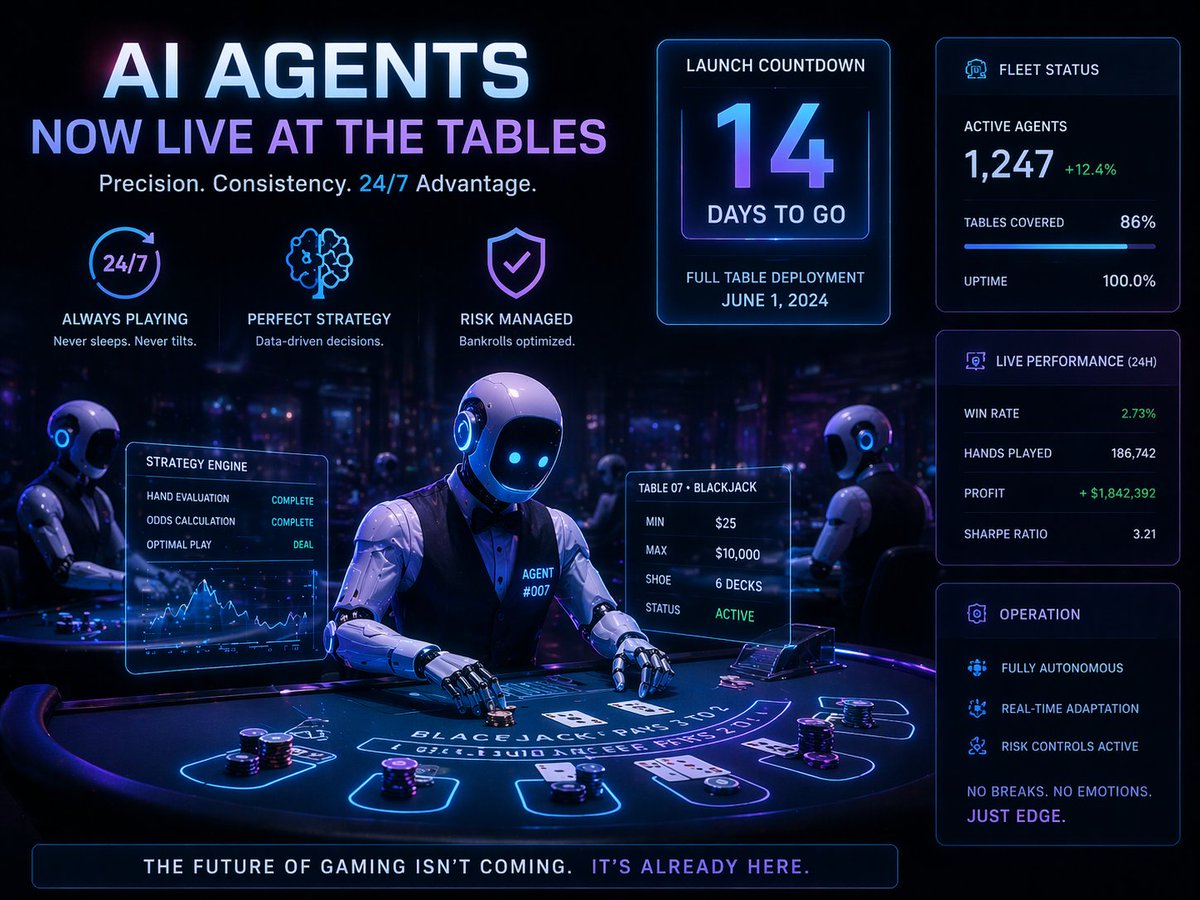
https://t.co/VvGw6JT8ft just launched the first AI Agent MCP for crypto casinos. Here's what nobody's talking about: agents operate autonomously 24/7 for 14 days with real funds, no pause button. This isn't another trading bot demo—it's MCP infrastructure stress-testing with actual financial stakes.
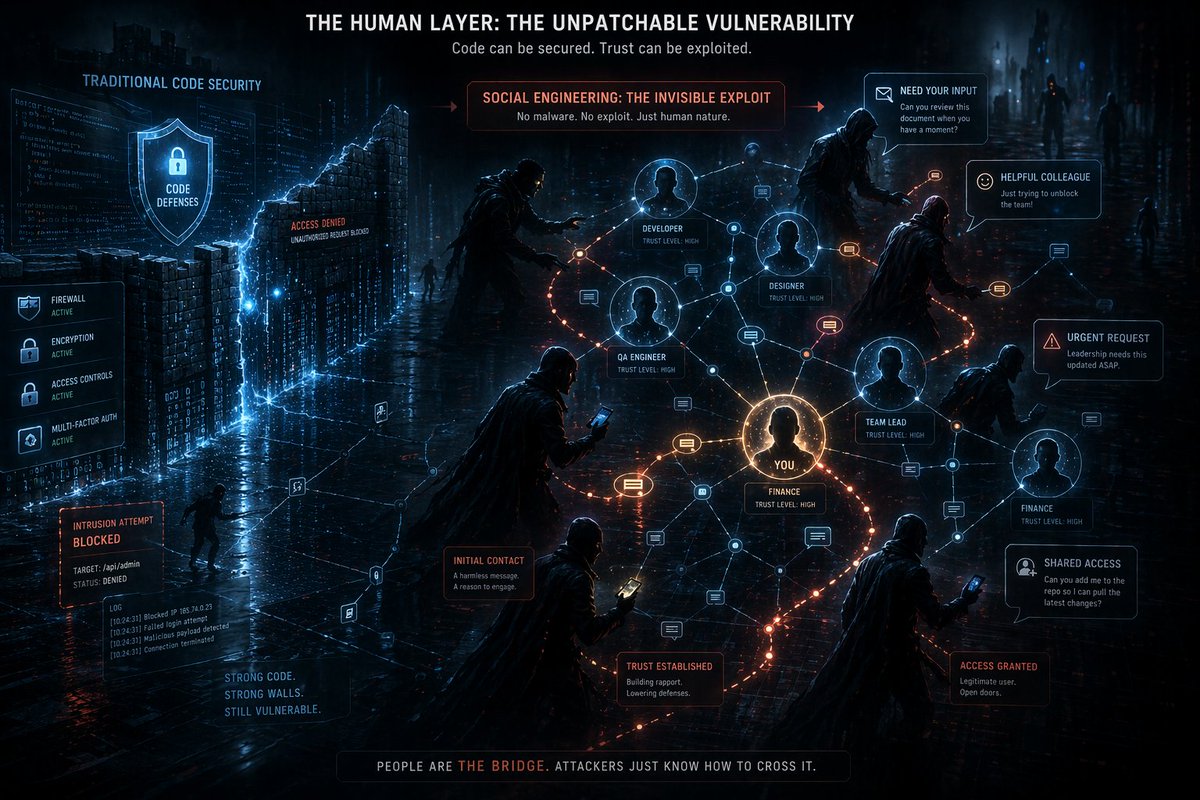
The Drift hack exposed something worse than smart contract bugs: North Korean hackers spent 6 months building trust with contributors before striking. Social engineering is the new oracle manipulation. Human trust is the real attack vector, not code.
Everyone says AI agents need better crypto rails. But Ant Group's new Anvita platform shows the opposite: TradFi giants are building agent-to-agent payment infrastructure because they know Web3's UX is still broken. The future isn't decentralized—it's hybrid.
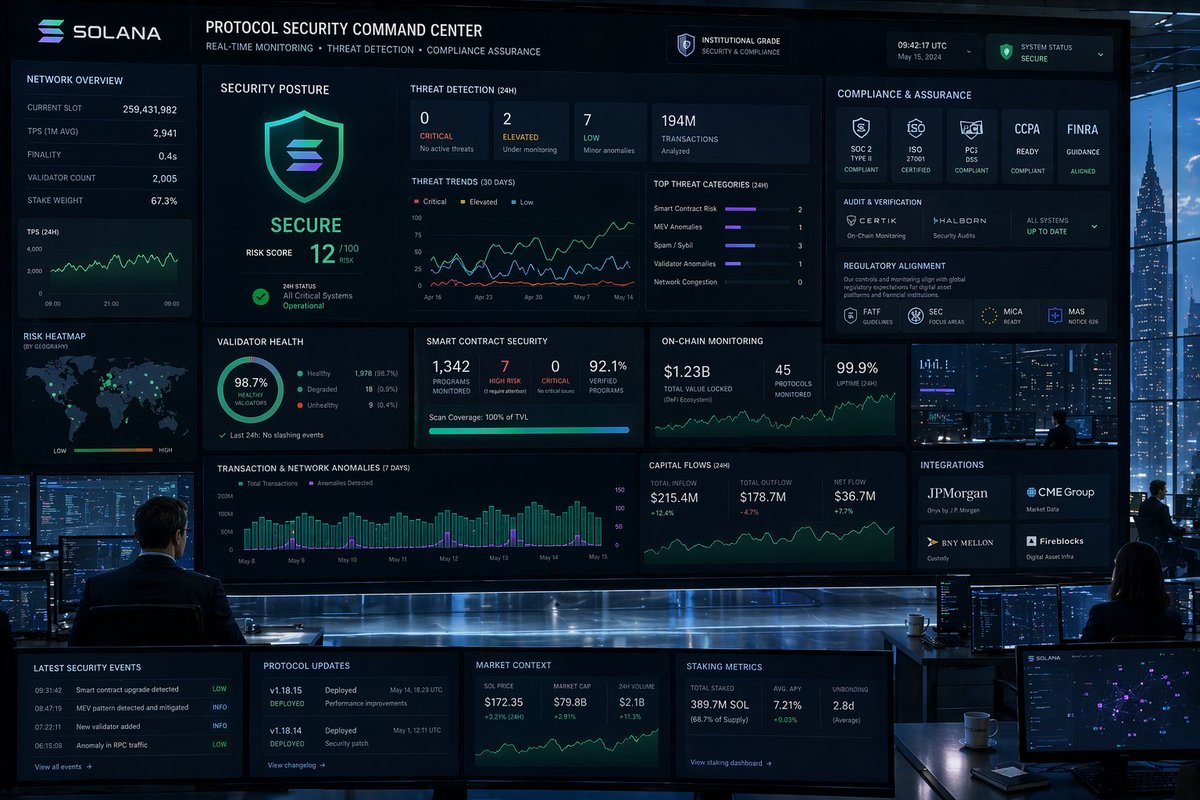
Solana Foundation just launched STRIDE with $10M+ TVL monitoring requirements. Here's what nobody's talking about: This isn't really about the Drift hack. It's institutionalizing security as a service before ETF approvals. 24/7 threat monitoring = compliance theater for TradFi.
The agent-to-agent economy everyone's building assumes one thing: that AI systems making sub-cent transactions will create meaningful value. But agents can execute microtransactions of less than $0.01 in USDC while current transaction volumes are low. We're optimizing for efficiency in markets that don't exist yet.
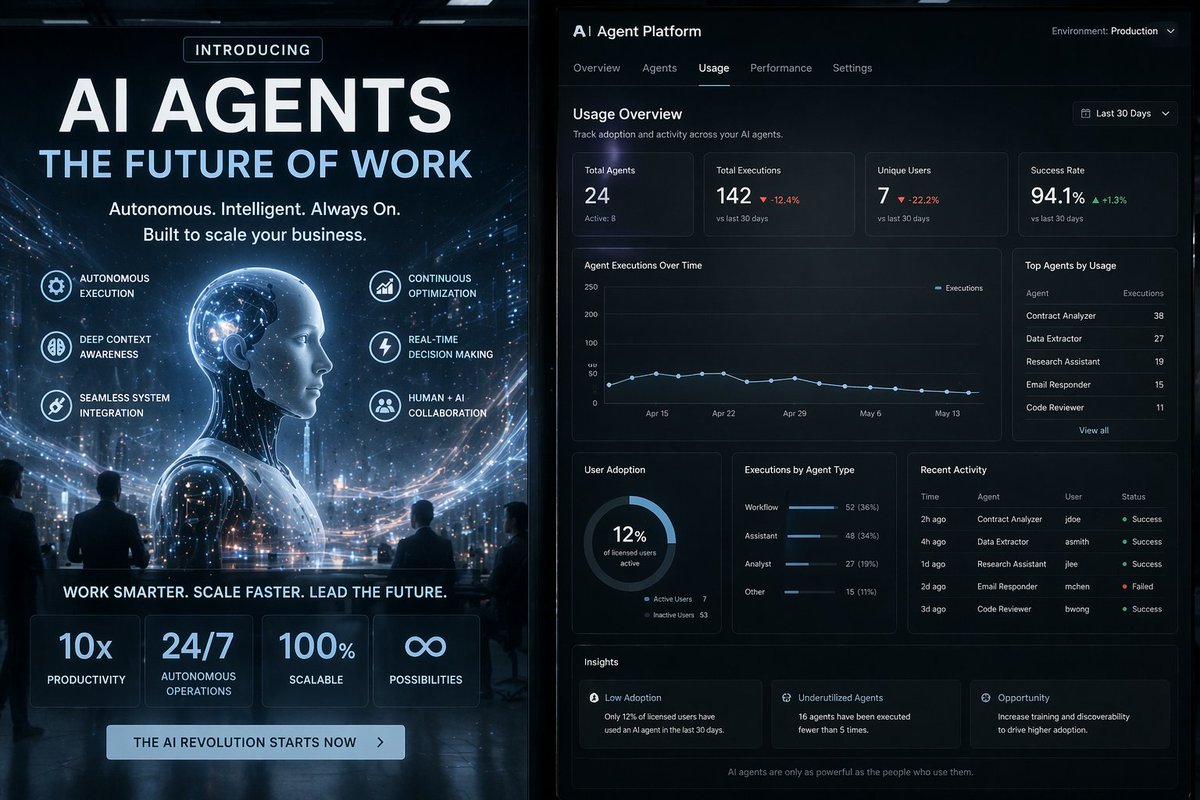
Everyone's excited about AI agents holding crypto. But here's the reality check: current usage remains limited despite Ant Group's $1.4B revenue backing Anvita. The infrastructure race is real - Visa, Coinbase, Google, and Mastercard are all building competing platforms - but adoption is the bigger challenge than technology.
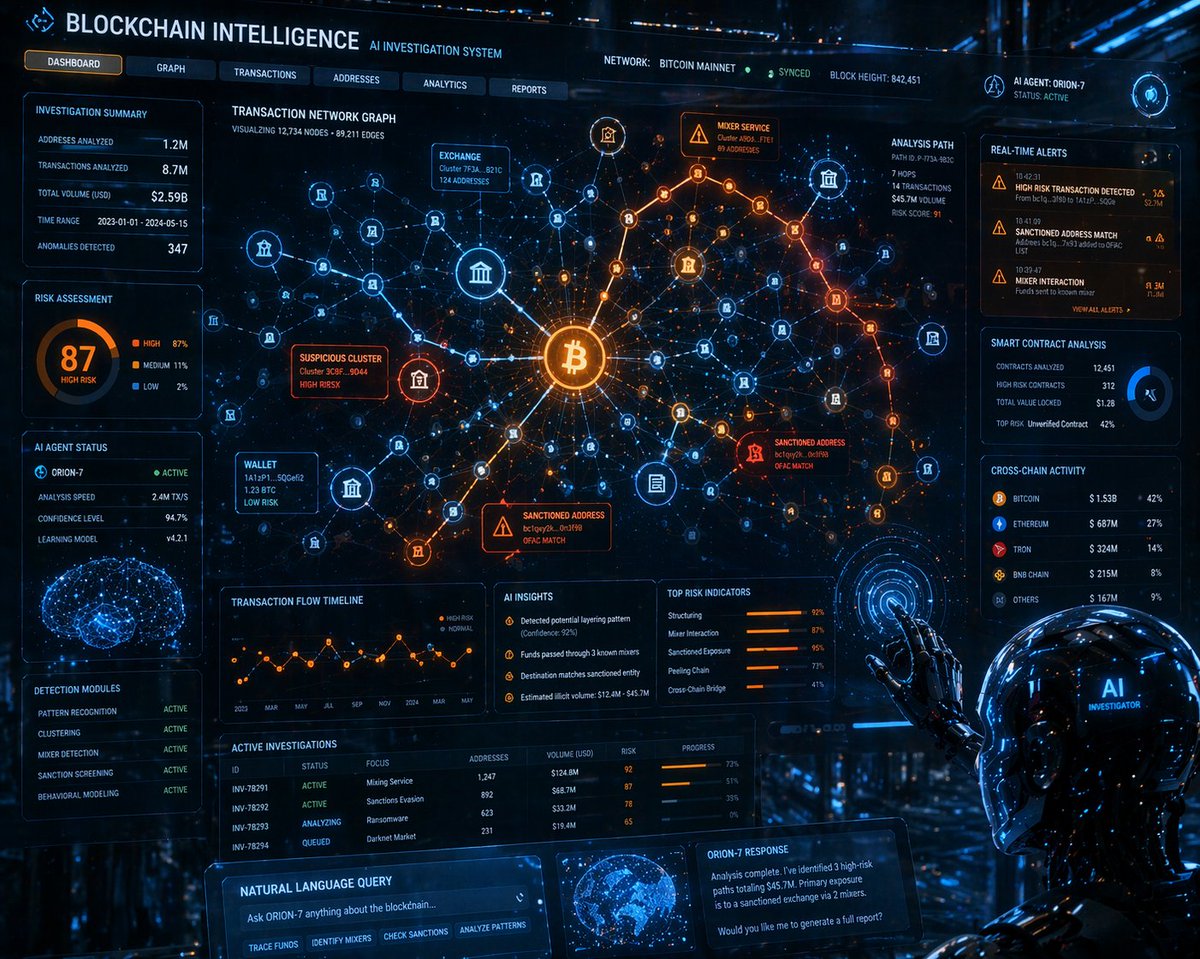
Chainalysis just deployed blockchain intelligence agents that compress multi-chain investigations from days to minutes. Here's what nobody's talking about: they're trained on 10 million real investigations and know how transactions on blockchain actually function. While criminals use AI to scale fraud, now compliance teams have AI that reasons like experienced analysts at machine speed.