@okaypragati saw few reels where people are holding skyshots wale phatake and keeping it on their head
also they are burning lurds (consecutive small crackers arranged in a string), and running with it by holding the end of cracker
A business that does ₹1,600+ Cr with zero venture debt, run entirely by 45,000 women who are equal co-owners.
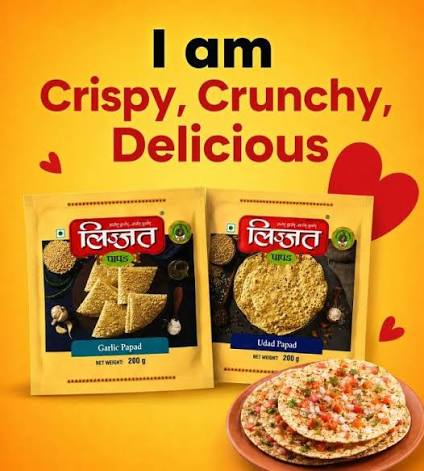
The crazy backstory of the papad sitting in your kitchen!
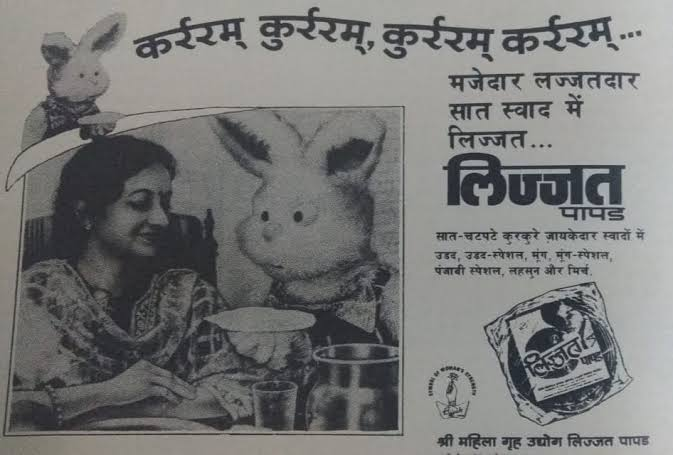
"Kurram Kurram- Lijjat Papad"
In 1959, 7 women stood on a South Bombay terrace with a borrowed ₹80 note.
They had no business degrees, zero outside capital, and no marketing plan.
Today, that modest experiment does ₹1,600+ crore in annual revenue and exports globally.
Welcome to the tweetisode-2 of "Unravelling Food-gems" by TMinus30.
Today, we bring you the tale of untold genius of Lijjat Papad 🧵👇
Over 45,000 women empowered.
Zero venture capital.
Zero debt.
Zero compromise on taste for 65+ years.
Lijjat proves that the most durable business model in India wasn't built in an air-conditioned boardroom—it was built on an open terrace with raw grit.
Next time it crackles on your plate, remember the ₹80 loan. 🇮🇳
#Mumbai #Nostalgia #Diwali2026
No matter how crazy the demand or how humid the Mumbai monsoons get, Lijjat refuses artificial conveyor-belt drying.
They dry each papad naturally under household fans to preserve the classic bubbly crispness when fried or roasted.
Every returned batch is weighed to the exact gram to catch moisture tricks, and randomly tested by veteran supervisors before stamping.
Their logistical discipline rivals the Mumbai Dabbawalas.
Every morning at 4:30 AM, company mini-vans distribute kneaded dough to branch hubs.
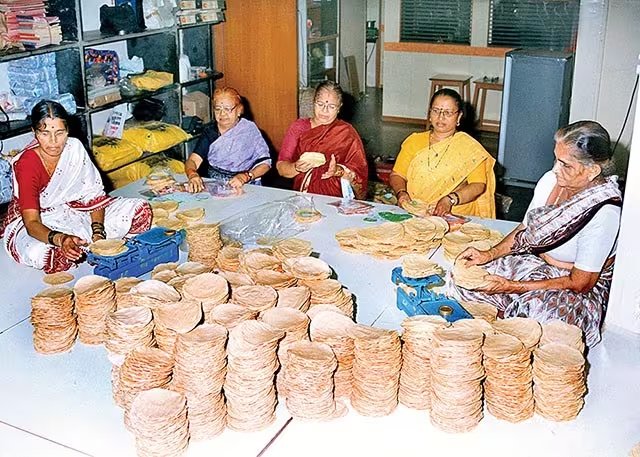
Thousands of women arrive, weigh their dough, take it home, roll papads with millimeter-exact thickness using standard brass rolling pins, dry them on home cots, and return them packaged the next morning
(Photo Credit's-Femina)
Lijjat didn’t hire employees—it created owners.
Every woman who rolls a papad is designated a "Ben" (sister) and is an equal partner in the enterprise.
Profits aren’t hoarded by founders or executives. Surpluses are distributed directly to the sisters every year as gold coins or cash dividends.
Radical decentralization before startup tech made it trendy.
Led by Jaswantiben Jamnadas Popat in Girgaon, the group wanted financial independence with dignity.
They borrowed ₹80 from a local social worker, bought flour, spices, and oil, rolled just 4 packets of papad, and sold them to a merchant on Bhuleshwar road.
Rule #1 was clear from day one: Never accept charity or donations. Only business.
"Kurram Kurram- Lijjat Papad"
In 1959, 7 women stood on a South Bombay terrace with a borrowed ₹80 note.
They had no business degrees, zero outside capital, and no marketing plan.
Today, that modest experiment does ₹1,600+ crore in annual revenue and exports globally.
Welcome to the tweetisode-2 of "Unravelling Food-gems" by TMinus30.
Today, we bring you the tale of untold genius of Lijjat Papad 🧵👇
Had the chance to visit Mumbai around September.
Once my work wrapped up, I went hunting for the legendary "Bombay Sandwich."
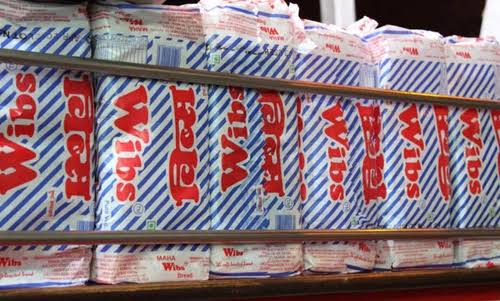
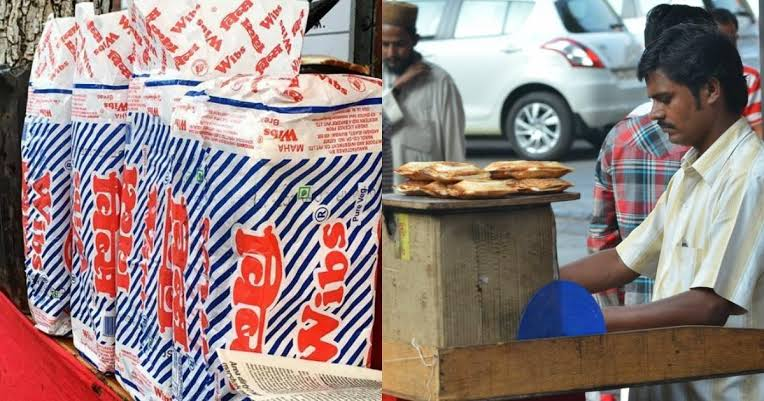
Standing by the stall, the first thing I noticed wasn’t the cheese or the vegetables—it was a towering stack of WIBS bread.
And as I walked through the street, every single sandwichwala had the exact same red-and-white loaf.
Here’s the story of why this humble bread quietly rules Mumbai ��👇
Dhanteras (Hindi: धनतेरस), also referred to as Dhan Trayodashi (Sanskrit: धनत्रयोदशी), falls on the first day of the Diwali Festival or Tihar in most of India and Nepal. This is observed on trayodashi (thirteenth lunar day) of Krishna Paksha (dark fortnight) in the Hindu month of Ashvin (Amanta reckoning) or Kartika (Vikram Samvat reckoning.
We at Tminus30, wishes everyone a very happy dhanteras!
#Diwali #DiwaliCelebration #Dhanteras
He took that deep industrial baking expertise and built a bread specifically suited for the city’s climate, butter, and street carts.
50+ years later, no fancy marketing, zero celebrity endorsements—just 90%+ market share across Mumbai's sandwichwalas. Pure operational masterclass. 🍞
This is how WIBS continue to dominate and charm the mumbai street's with it's bread magic!
#Mumbai #Nostalgia
The monopoly isn’t an accident.
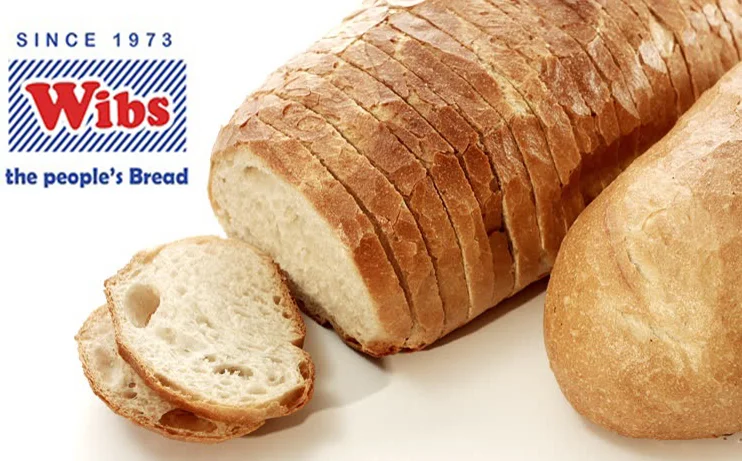
In 1973, Khodadad Irani founded WIBS (Western India Bakers) with his brothers.
Before starting it, he was actually the Managing Director at Britannia.
Walk past any sandwich stall in the city—from Nariman Point to Churchgate station, Bandra to Andheri.
Different vendors, different secret masala blends, different heirloom chutney recipes.
Yet, across thousands of stalls, nobody experiments with the bread. The loaf never changes. It is always WIBS.
Different vendors, different secret masala blends, different heirloom chutney recipes.
Yet, across thousands of stalls, nobody experiments with the bread. The loaf never changes. It is always WIBS
Had the chance to visit Mumbai around September.
Once my work wrapped up, I went hunting for the legendary "Bombay Sandwich."
Standing by the stall, the first thing I noticed wasn’t the cheese or the vegetables—it was a towering stack of WIBS bread.
And as I walked through the street, every single sandwichwala had the exact same red-and-white loaf.
Here’s the story of why this humble bread quietly rules Mumbai 🧵👇