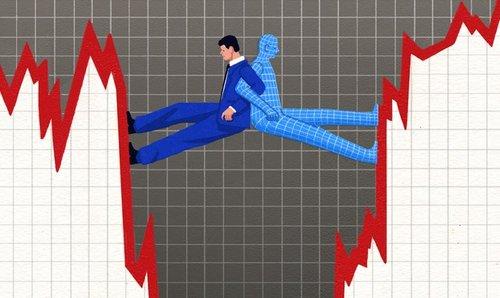
The S&P 500 is in position for a rare fourth year of consecutive annual gains. Risks are rising, New York Times columnist Jeff Sommer says, yet Wall Street is doubling down. https://t.co/9y0shwehAg
You shouldn’t expect your leadership style to emerge fully-formed from the beginning. But it is important to develop it consciously. https://t.co/bl1NihuQVg
The cost of single motherhood goes beyond money. One mother explores the single-adult premium and how financial security creates freedom to choose. https://t.co/kjfELesJJX
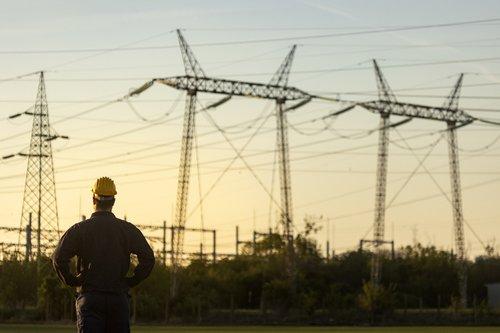
Two plants in Quebec are trying to meet demand for the grid’s highly specialized components without getting burned by growing too fast. https://t.co/b0A1aqYyd4
Mom and dad are calling up hiring managers, applying for jobs on their kid’s behalf, and even lurking just off-screen on Zoom calls. https://t.co/KvLwa6x9ha
The new trend among the rich is “tax alpha,” or lowering one’s tax bill while generating more profit along the way. It can be traced to a quadrupling of the S&P 500 over the past decade. https://t.co/7qKlQjZokj
The uncertainty and turmoil regarding estate planning is over. There is no reason now to delay action. Create or update your estate plan using this checklist. https://t.co/PRro6C29u6
The career ladder is being compressed, not reformed. Ram Charan on why most companies are getting it wrong and what leaders should do instead. https://t.co/tnxjCwjZkU
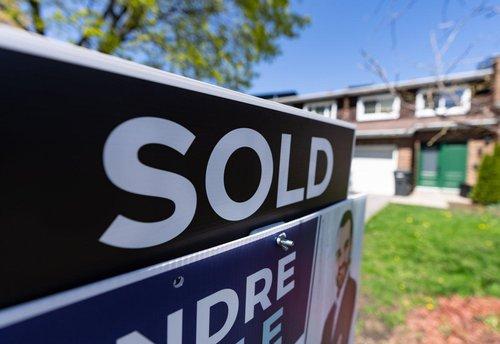
The Canadian Real Estate Association has downgraded its forecast for home sales activity in 2026 again, despite a small uptick in the number of homes that changed hands in June. https://t.co/FUNyIYpOG7
In an overstimulated world, boredom is often treated as something to avoid. But brief moments of stillness and mind-wandering can ease anxiety, support creativity, and reveal why boredom, in moderation, may actually be beneficial. https://t.co/EvOZulvdMT
Most entrepreneurs learn how to generate income. Far fewer learn how to create enterprise value. The difference lies in understanding the three stages of business ownership. https://t.co/qfFI5cGUbM
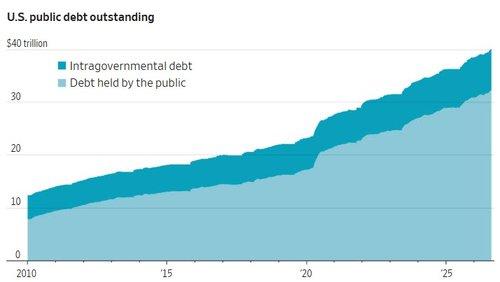
In a world of wars, trade wars and crop failures, bond yields need to be higher than they were because they offer so much less protection than they used to. https://t.co/080kJHmP5c