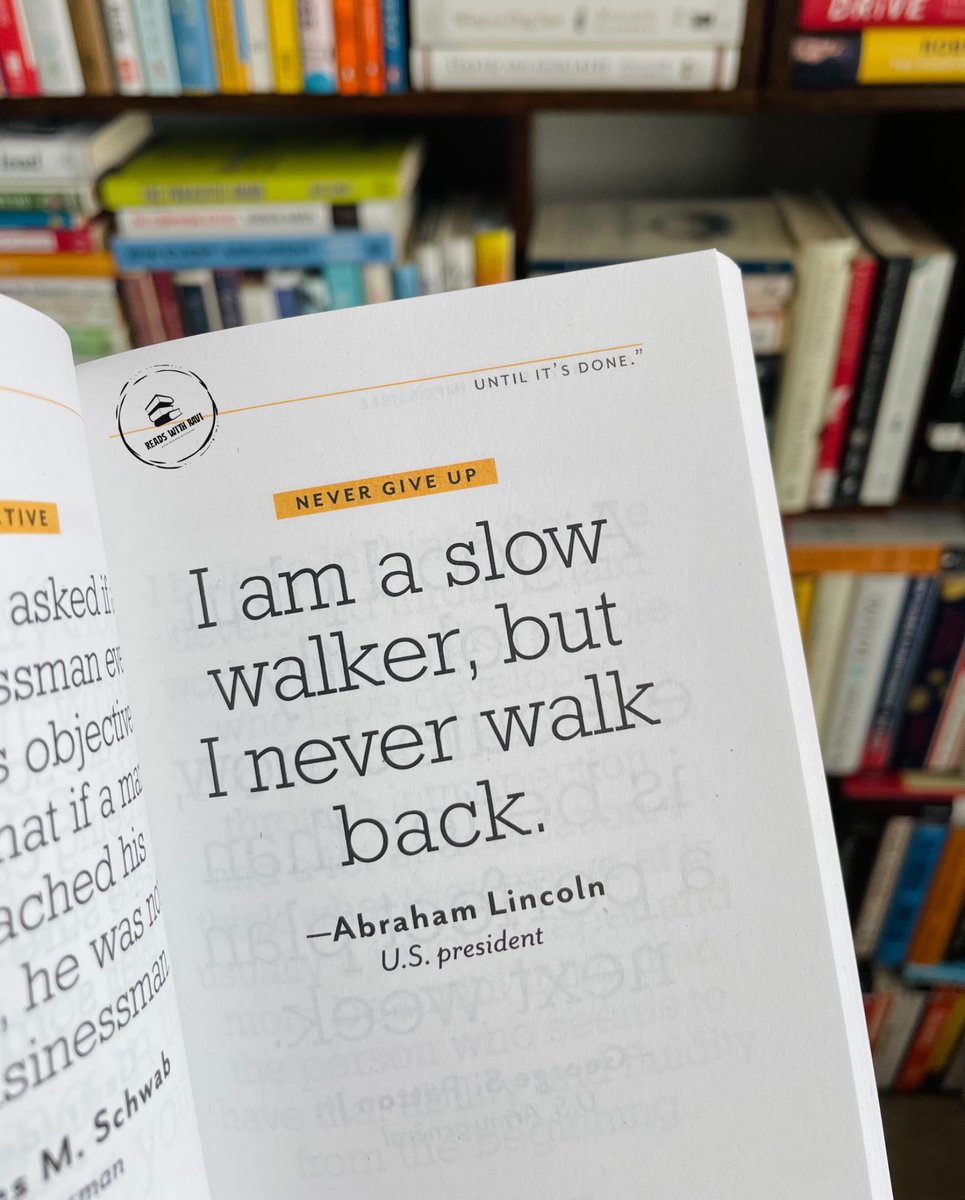
Never forget this:
1. If you’re always available, people stop valuing you.
2. If you constantly help, they start using you.
3. If you stay silent when it hurts, they’ll hurt you more often.
4. If you settle for less, they’ll never offer more.
5. If you don’t set limits, they’ll take control.
If you've ever run any food business in India, restaurant chain or small sweets shop, you know what it takes to get licence from FSSAI. Every few years, gather documents, pay fees, fill forms, wait for inspections, hope nothing fell through cracks. But maybe this grind won't have to go on much longer. Let's find out.
We've written about India's defense sector before, rising budgets, geopolitical tensions, Atmanirbhar Bharat push. All still true with war in West Asia and resulting global security disorder.
But today we want to zoom into internal economics of India's defense industry, where money actually goes and what kinds of businesses are emerging.
This story starts with a milestone: as of today, India makes around 25% of all iPhones in the world. A decade ago, we hardly registered in Apple's manufacturing plans. But biggest criticism is that "making" is generous description, most high-value parts are still imported from China. Is India just providing cheap labor to assemble parts? Let's find out.
Watched the Dinosaurs documentary on Netflix this weekend. Highly recommend, especially with kids.
Dinosaurs ruled this planet for 165 million years. Then an asteroid they never saw coming ended it all in a geological blink.
Put that in perspective.
Humans with abstract thinking, art, and complex language, what we'd call truly modern humans, have existed for maybe 50,000 to 100,000 years.
Civilisation as we know it? Writing, cities, organised society? Maybe 5,000 years.
The version with industrial-scale technology, global trade, and the ability to reshape the planet? Barely 200 years.
And the version with nuclear weapons, AI, and the ability to end all of it? Less than 100 years.
We solved the asteroid problem, by the way. NASA can now track and deflect them. The thing that wiped out 165 million years of dinosaurs, we've figured that one out.
And yet billions are being spent daily on war and destruction, making an already bad climate situation even worse.
The threats coming from the universe are becoming manageable. The ones we're creating ourselves, not so much.
The dinosaurs had no choice. The asteroid just came.
We do. That's what makes what's happening right now so much harder to watch.
Company: Anant Raj
Update Type: Press Release 📰 | Sentiment: Positive 🟢
Summary: Anant Raj Limited's subsidiary has entered a strategic collaboration with Spain-based Submer Technologies to develop AI-ready data centers in India. The partnership introduces advanced liquid-cooling and modular infrastructure to support high-density GPU workloads, aligning with sovereign AI requirements and expanding the company's utility-grade digital infrastructure capabilities.
Today’s Budget cannot be routine. It must be transformational.
The world has changed.
Technology has changed.
Competition has intensified.
We are no longer a $1 trillion economy.
We are moving toward $5 trillion, and global relevance.
You cannot run a giant economy with a small-economy mindset.
If not now, then when?
This is the moment to address unemployment decisively, push manufacturing aggressively, invest deeply in education, ensure disciplined execution, deepen capital markets, and strengthen investor confidence.
I believe this is the right moment to rise to that scale.
This Budget has the potential to be defining, even historic. 🇮🇳 ✌️
#Budget2026
I think about decisions in three ways: hats, haircuts, and tattoos.
Most decisions are like hats. Try one and if you don’t like it, put it back and try another. The cost of a mistake is low, so move quickly and try a bunch of hats.
Some decisions are like haircuts. You can fix a bad one, but it won’t be quick and you might feel foolish for a while. That said, don't be scared of a bad haircut. Trying something new is usually a risk worth taking. If it doesn't work out, by this time next year you will have moved on and so will everyone else.
A few decisions are like tattoos. Once you make them, you have to live with them. Some mistakes are irreversible. Maybe you'll move on for a moment, but then you'll glance in the mirror and be reminded of that choice all over again. Even years later, the decision leaves a mark. When you're dealing with an irreversible choice, move slowly and think carefully.
For more than sixty years, nuclear power in India has been a government monopoly. Private companies could manufacture equipment, but never own a plant, hold fuel, or operate a reactor.
That just changed. Parliament passed the SHANTI Bill. Here's what it means. 👇
Ray Dalio manages $124 BILLION.
Nikhil Kamath is India’s youngest billionaire.
When they sat down, it wasn't just a podcast. It was a masterclass on money, the collapse of empires, and why India is the next superpower.
I listened to every minute so you don’t have to.
Here are the 10 most critical takeaways: 🧵
Stop treating life like a chess match with guaranteed outcomes; instead, embrace poker's lessons: play the probabilities, focus on decision quality, manage uncertainty, accept that bad things happen to good players, and trust the long-term process.
~ChatGpT
Another week, another mountain of concalls.
We went through all of them so you can stay sane.
Here are 8 quotes from India Inc that stood out for the right reasons👇
Every company faces one core challenge: deciding how to allocate capital. It sounds simple, but getting it wrong is one of the easiest ways to destroy value. A new Morgan Stanley report looks at how US companies have made these decisions over five decades. 🧵👇
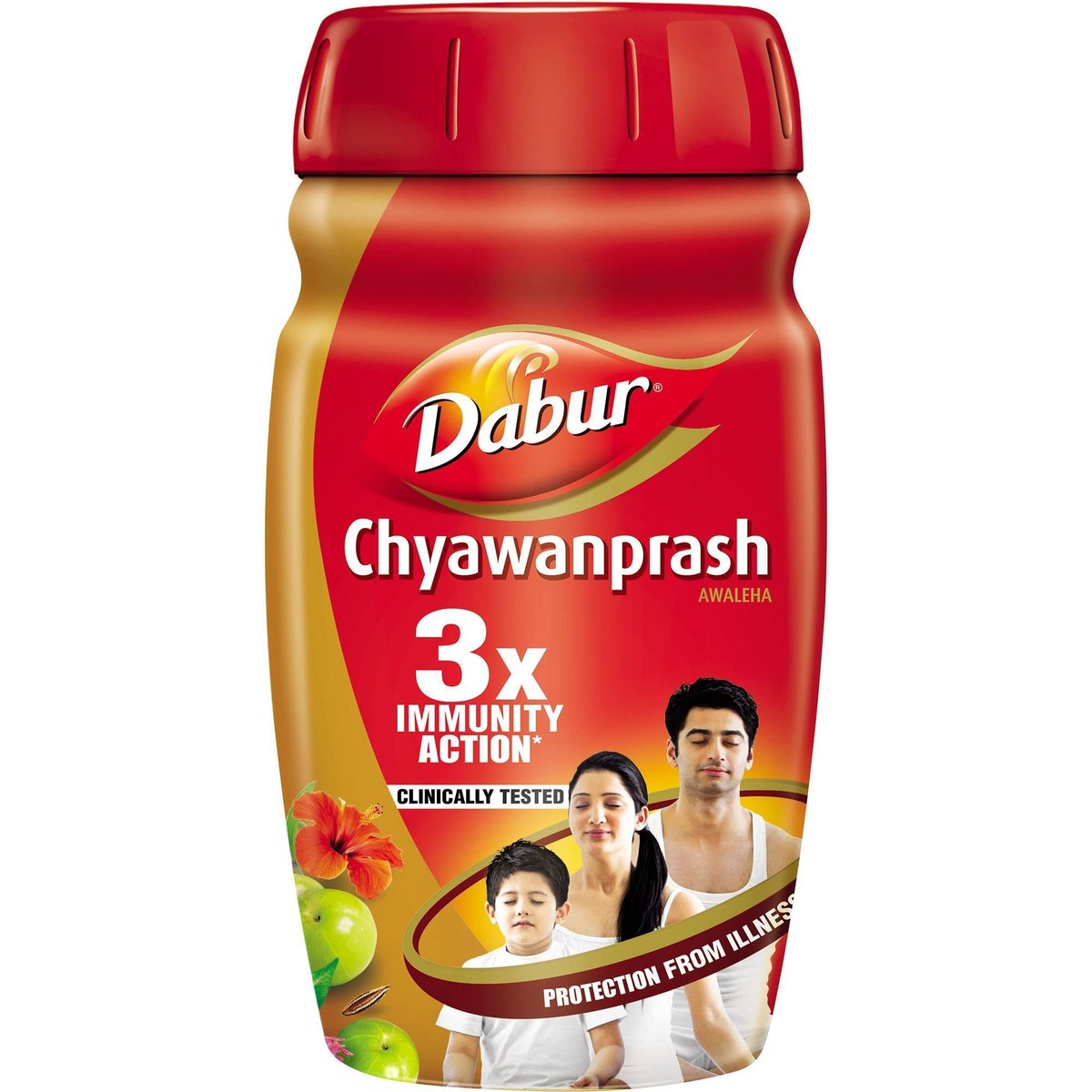
Dear @DB_Chyawanprash,
- 59.5g out of 100g is just sugar.
- They write Sharkara instead of sugar so it sounds like some fancy herb.
- As per FSSAI rules, the main ingredient should be listed first. If sugar is almost 60%, it should be on top - not hidden in the middle.
- And on most websites, Sharkara is quietly missing from the key ingredients list.
- Also, how does 100g Chyawanprash have 90g Amla + 59.5g sugar? What maths is this?
FSSAI is still sleeping.