HSM’s plan is to auction off the name of Somalia’s national carrier to private businessmen and mislead the Somali public into believing it is still the country’s national airline!
Imagine a country’s national airline being privately owned by individuals. Where does that even happen?
Imtixaan buu Ilaahay na tuusay, walahi❗️
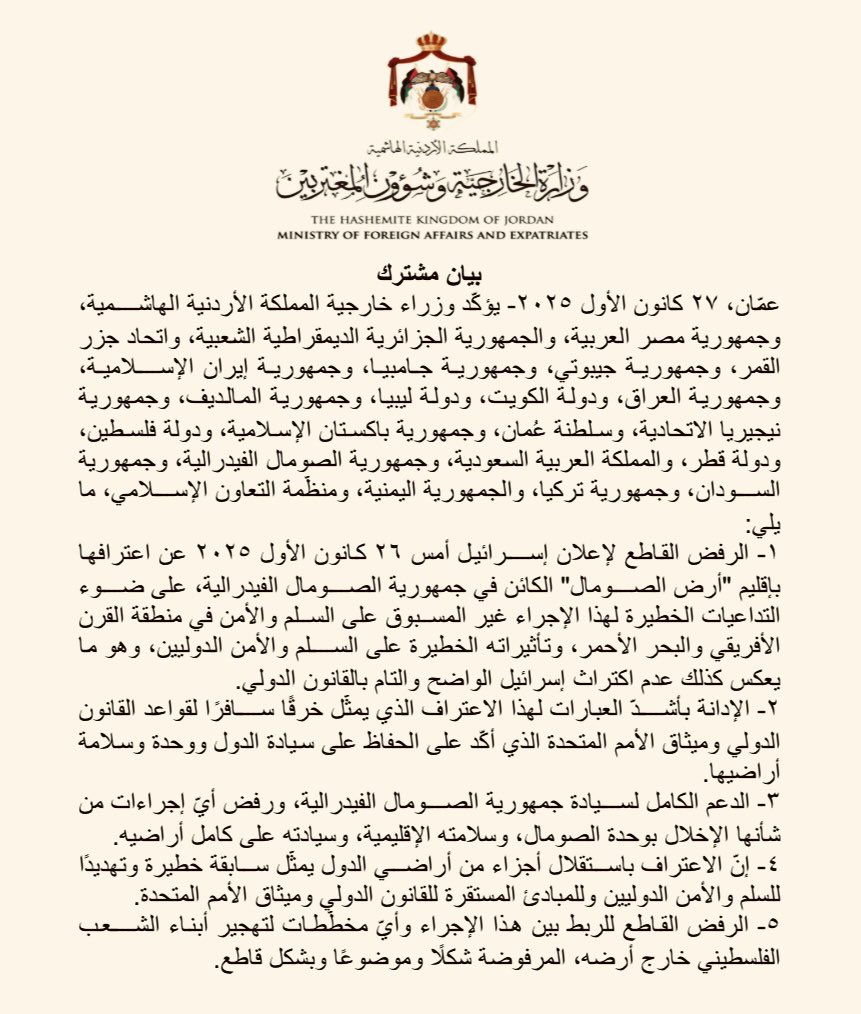
بيان مشترك
يؤكّد و��راء خارجية المملكة الأردنية الهاشمية، وجمهورية مصر العربية، والجمهورية الجزائرية الديمقراطية الشعبية، واتحاد جزر القمر، وجمهورية جيبوتي، وجمهورية جامبيا، وجمهورية إيران الإسلامية، وجمهورية العراق، ودولة الكويت، ودولة ليبيا، وجمهورية المالديف، وجمهورية نيجيريا الاتحادية، وسلطنة عُمان، وجمهورية باكستان الإسلامية، ودولة فلسطين، ودولة قطر، والمملكة العربية السعودية، وجمهورية الصومال الفيدرالية، وجمهورية السودان، وجمهورية تركيا، والجمهورية اليمنية، ومنظّمة التعاون الإسلامي، ما يلي:
١- الرفض القاطع لإعلان إسرائيل أمس ٢٦ كانون الأول ٢٠٢٥ عن اعترافها بإقليم "أرض الصومال" الكائن في جمهورية الصومال الفيدرالية، على ضوء التداعيات الخطيرة لهذا الإجراء غير المسبوق على السلم والأمن في منطقة القرن الأفريقي والبحر الأحمر، وتأثيراته الخطيرة على السلم والأمن الدوليين، وهو ما يعكس كذلك عدم اكتراث إسرائيل الواضح والتام بالقانون الدولي.
٢- الإدانة بأشدّ العبارات لهذا الاعتراف الذي يمثّل خرقًا سافرًا لقواعد القانون الدولي وميثاق الأمم المتحدة الذي أكّد على الحفاظ على سيادة الدول ووحدة وسلامة أراضيها.
٣- الدعم الكامل لسيادة جمهورية الصومال الفيدرالية، ورفض أيّ إجراءات من شأنها الإخلال بوحدة الصومال، وسلامته الإقليمية، وسيادته على كامل أراضيه.
٤- إنّ الاعتراف باستقلال أجزاء من أراضي الدول يمثّل سابقة خطيرة وتهديدًا للسلم والأمن الدوليين وللمبادئ المستقرة للقانون الدولي وميثاق الأمم المتحدة.
٥- الرفض القاطع للربط بين هذا الإجراء وأيّ مخطّطات لتهجير أبناء الشعب الفلسطيني خارج أرضه، المرفوضة شكلًا وموضوعًا وبشكل قاطع.
#الأردن
دولة محتلة لأراضى شعب اخر، اعترفت بدويلة انفصالية تسعي للانفصال عن شعبها!!.
هكذا أعلنت اسرائيل علي لسان رئيس حكومتها النتنياهو، الاعتراف رسميا باقليم ارض الصومال الانفصالي كدولة مستقلة ذات سيادة!!
النتنياهو الذي أعلن الخبر بنف��ه وسعى لتصويره كنصر ديبلوماسي ،يحاول هنا نفي عزلة اسرائيل بعد حرب غزة وبلطجتها في المنطقة،عبر هكذا خطوة..
بموجب ماجرى ،أصبحت اسرائيل أول أعضاء الأمم المتحدة، اعترافا باقليم ارض الصومال الانفصالي، تأكيدا للعلاقات السرية المشبوهة منذ سنوات بين الطرفين..
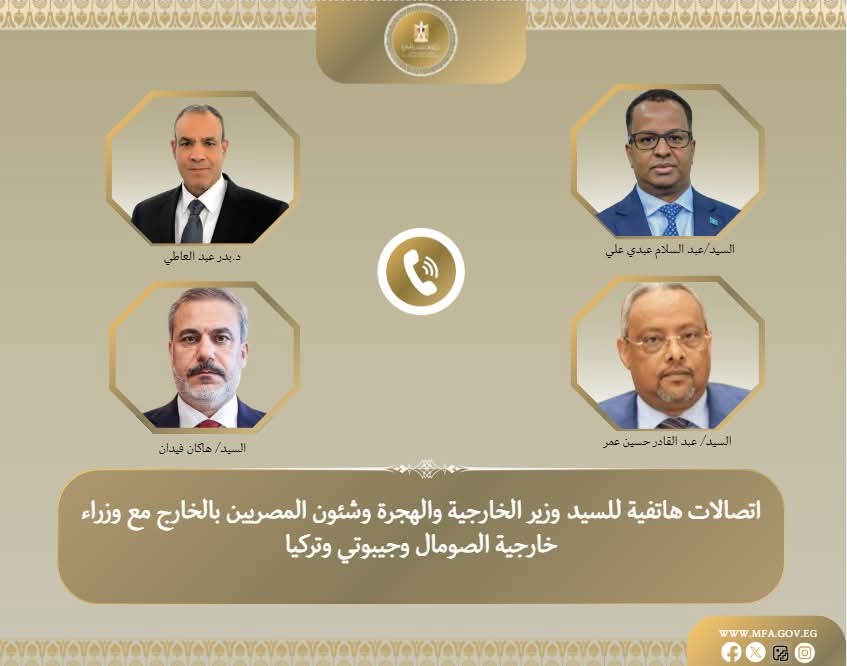
وزير الخارجية المصري بدر عبد العاطي، نقل عن وزراء خارجية تركيا والصونال وحيبوتي، تأكيدهم في اتصالات هاتفية، الرفض التام وإدانة اعتراف اسرائيل باقليم أرض الصومال، وشددوا على الدعم الكامل لوحدة وسيادة وسلامة الأراضي الصومالية، والرفض الكامل لأي إجراءات أحادية من شأنها المساس بالسيادة الصومالية أو تقويض أسس الاستقرار في البلاد، وشددوا على دعم مؤسسات الدولة الصومالية الشرعية، ورفض أي محاولات لفرض كيانات موازية تتعارض مع وحدة الدولة الصومالية.
اعتبرت الاتصالات أيضا أن الاعتراف باستقلال أجزاء من أراضي الدول يُعد سابقة خطيرة وتهديدًا للسلم والأمن الدوليين وللمبادئ المستقرة للقانون الدولي وميثاق الأمم المتحدة، وأن احترام وحدة وسيادة وسلامة أراضي الدول يمثل ركيزة أساسية لاستقرار النظام الدولي، ولا يجوز المساس به أو الالتفاف عليه تحت أي ذريعة، لافتة الي رفض أي محاولات لفرض واقع جديد أو إنشاء كيانات موازية تتعارض مع الشرعية الدولية وتقوض فرص تحقيق الأمن والاستقرار والتنمية، وتم التأكيد على الرفض القاطع لأية مخططات لتهجير أبناء الشعب الفلسطيني خارج أرضه، التي ترفضها الغالبية العظمي لدول العالم شكلاً وموضوعاً وبشكل قاطع.
منح اسرائيل أول اعتراف من نوعه للاقليم الانفصالي بعد 34 عاماً بدون اعتراف، لن يغير الوضع الدولي جذرياً ، لكنه يفتح الباب لعلاقات دبلوماسية كاملة، وقد يشجع دولاً أخرى مثل إثيوبيا .
هذا التطور يعني بوضوح بلورة تحالف معلن وغير رسمي بين اسرائيل واثيوبيا واقليم أرض الصومال الانفصالي ،مناوئ للأمن القومي المصرى والعربي في منطقة القرن الافريقى..
We are facing a regional moment that tolerates no political courtesy. While the Red Sea boils, the fragile states on its shores are turning into open arenas of influence, where interests intertwine and roles collide.
In this context, from my humble perspective, holding an Egyptian-Saudi-Emirati summit appears an urgent necessity, not a political or diplomatic luxury.
The simultaneous escalation of the UAE's role in Sudan, Yemen, and Somalia cannot be isolated or separated from calculations involving ports, trade routes, and maritime security.
It is true that Abu Dhabi describes its moves as developmental, but experience shows that investment in conflict zones, without a unified political vision, transforms from a tool of stability into a factor reproducing the crisis.
Here emerges precisely the concept of "sub-imperialism": influence through money, ports, local militias, and long-term contracts, rather than direct occupation.
The problem lies not in the UAE's ambition—every state seeks to maximize its influence,but in the absence of Arab coordination, and the transformation of Arab arenas into theaters of competition among allies presumed to be in the same trench.
If this competition persists, it will not weaken the exhausted states alone; it will undermine the interests of Egypt and Saudi Arabia themselves.
Despite my conviction that such a frank trilateral summit may not resolve everything, it will at least draw red lines and redefine the partnership,before the Red Sea turns into an open battleground for all.
معالي الأمين العام لمجلس التعاون @jasemalbudaiwi : إعل��ن قوات الاحتلال الإسرائيلية الاعتراف بما يسمى بإقليم أرض الصومال، يعد تجاوزًا خطيرًا لمبادئ القانون الدولي، وانتهاكًا صريحًا لسيادة جمهورية الصومال الفيدرالية ووحدة أراضيها.
https://t.co/6UIh2cHrcC
#مجلس_التعاون
𝐅𝐀𝐑𝐑𝐈𝐈𝐍 𝐊𝐔 𝐒𝐎𝐂𝐎𝐓𝐎 𝐌𝐀𝐃𝐀𝐗𝐖𝐄𝐘𝐍𝐄 𝐂𝐀𝐁𝐃𝐈𝐑𝐀𝐗𝐌𝐀𝐀𝐍 𝐂𝐈𝐑𝐑𝐎
Mudane Madaxweyne, waxaad og tahay kurisga aad ku fadhido ku dhawaad 20 sano ayaad sugaysay. Alle baa ku gaarsiiyey. Xanta la sheegayo haddii ay run noqoto, waxaad dhaawacaysaa magacaaga iyo taariikhdaada, lamana hubo inaad ku gaarayso danta aad leedahay. Maamulka Somaliland ha usoo jiidin mahadho aan magaceeda ka harin qarniyaal.
Laga soo bilaabo Madaxweyne Cabdiraxmaan Tuur ilaa Madaxweyne Muuse Biixi, tallaabo aysan ku dhaqaaqin adigu haku dhiiranin. Heshiiskii Muuse Biixi uu badda ugu saxiixay Itoobiya, wuxuu noqon doonaa i qarso, waana la ilaawi doonaa haddaad ku kacdo falka la sheegayo. Madaxweyne Cabdiraxmaan, fadlan, khaladkaan ha galin oo kun jeer ka fiirso.
Haddii aad Somaliland aqoonsi u rabto, cad quureed iyo magac xumo ha usoo jiidin dadkaaga iyo Muslimiinta oo idil, adigana magacaaga ha tirtirin. Tallaabada aan ka digayo ciddii la socota unbaa fahmaysa warkayga, laakiin qofkii aanan ogayn, sabab uma noqonayo inaan ka dhigo wax iska caadi ah.
After 57 years, Mogadishu witnesses a proud & historic moment as Somali citizens cast their votes in local elections—an inspiring step forward on Somalia’s democratic journey. We call on all citizens to participate peacefully & responsibly, celebrating this milestone with unity.
#SomaliaElections
Local council elections are underway in Mogadishu on Thursday as thousands queued to cast their ballots - the vast majority of them voting for the first time in their lifetime.
Security agencies have not reported incidents.
The last time Mogadishu residents participated in popular elections was during the parliamentary elections under the civilian government in March 1969.
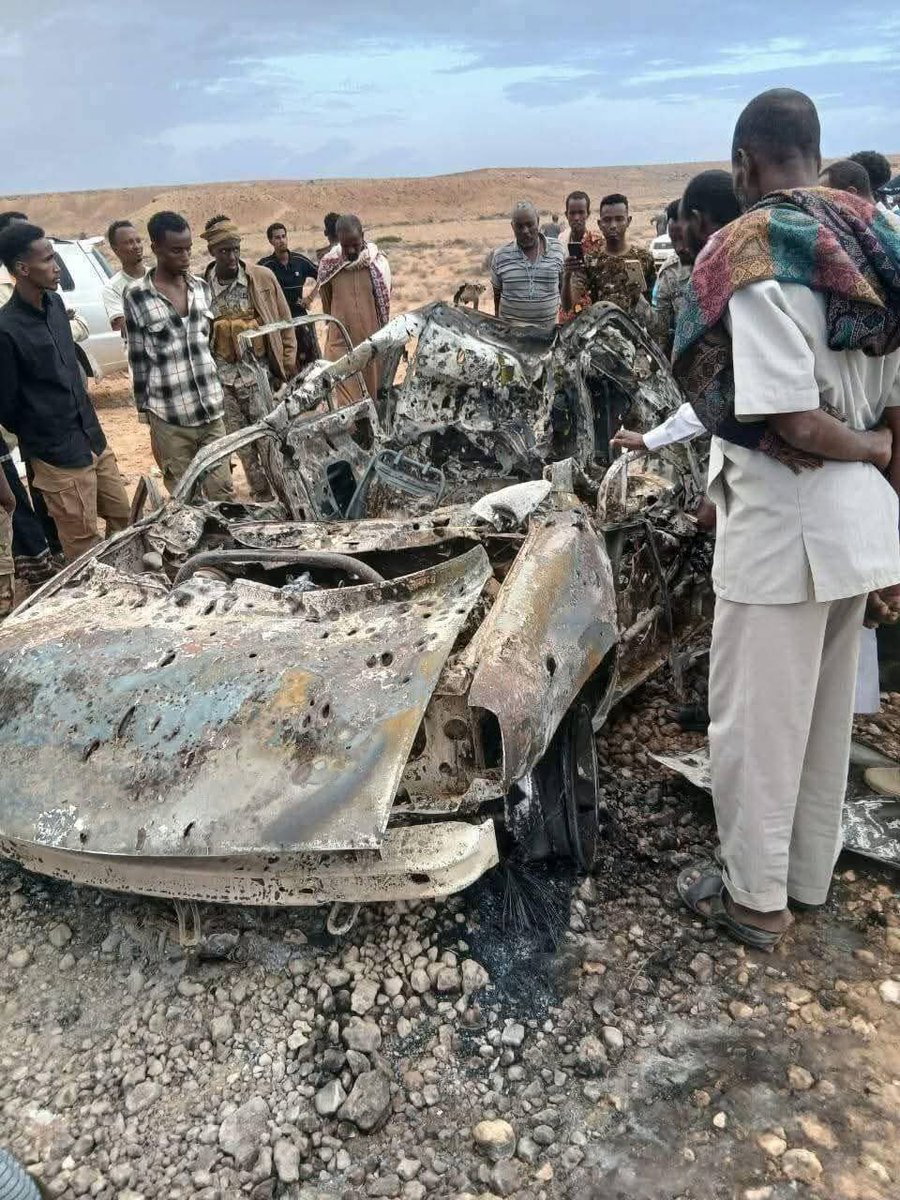
Police in Somalia’s Sanaag region confirmed that a local elder, Omar Abdullahi Abdi Ibrahim, was killed in an airstrike on Saturday around 2:30 p.m. local time.
No country has officially claimed responsibility, but regional sources say the strike was most likely carried out by the UAE, which has recently increased military activity in northeastern Somalia.
Police in northeastern Somalia have confirmed that an airstrike killed a local man, Saturday at around 2:30pm local time.
Police identified the man as Omar Abdullahi Abdi Ibrahim, and reported he was one of the “traditional elders” in Sanaag region.
Police said they are investigating why the airstrike targeted the man.
No country has come forward to claim responsibility for carrying out the strike.
An Open Letter to President Donald J. Trump
Dear President Trump,
What prompts this letter is a wave of lobbying built on distortions, most recently echoed in a letter sent to you by Mr. Ahmed Ismail — part of a broader campaign designed to mislead you and harm Somalia.
I write not as a partisan but as a Somali public servant and policy analyst with more than 25 years of experience in governance and research. I have testified before the U.S. Senate’s Foreign Relations Subcommittee on Africa, and I know Somalia’s threats not in theory but in life. In 2010, as presidential spokesperson, I survived al-Shabaab’s assault on the palace. In 2016, my family and I survived a suicide bombing at Mogadishu airport. Six of my cabinet colleagues were assassinated. These sacrifices remind us that defending Somalia’s unity is not a slogan — it is a life-and-death struggle.
Somalia is fighting two of the world’s most ruthless terror groups. The DNI’s annual threat assessment calls al-Shabaab “the most lethal al-Qaeda affiliate in the world.” ISIS also operates here. U.S.–Somali operations have intensified, with AFRICOM confirming successful strikes this summer. This partnership is saving lives. To fracture Somalia now — when cooperation is at its peak — would undo 15 years of sacrifice, hand terrorists a propaganda victory, and destabilize the Horn of Africa.
Some in Washington suggest recognizing Somaliland is a walk in the park. The last time lobbyists sold easy answers, they told President Bush that weapons of mass destruction in Iraq were a slam dunk. One million lives and $3 trillion later, history proved them wrong. We should not repeat that mistake in Somalia.
Mr. Ismail’s claim that Somaliland has thrived without U.S. support is also false. Nearly 20% of all international assistance to Somalia over the past decade has gone to Somaliland, with the United States alone providing close to $400 million. His pitch of “a clear American win at virtually no cost” is not sober analysis but hyperbole.
Ismail also misrepresents history. There was never a sovereign ‘Somaliland state’ in 1960. The British protectorate lasted five days before uniting permanently with the south to form the Somali Republic. Yes, Somalis in the north endured abuses under the military regime — but so did Somalis everywhere. Since 2010, successive Somali presidents have apologized, and a federal system was built to prevent past abuses. Somalis are ready to heal and build together.
Rewarding separatists now would open a Pandora’s box across Africa. With thousands of tribes and dozens of separatist movements — from Biafra to Casamance to Tigray to the Tuareg — dismembering Somalia would destabilize the continent. That is why the OAU in 1963, and later the African Union, chose to preserve colonial borders.
Mr. President, the United States has been Somalia’s closest partner. Days after your inauguration you ordered strikes against ISIS in Somalia, declaring: “The message to ISIS and all others who would attack Americans is that WE WILL FIND YOU, AND WE WILL KILL YOU.” Under your leadership, U.S. operations doubled. To now abandon Somalia’s unity would contradict that record and embolden our common enemies.
Somalis are a proud people who for centuries have defended their land and freedom. Even in Somaliland, despite separatist rhetoric, ordinary people remain deeply patriotic. In 1856, British explorer Richard Burton described Somalis as “a fierce race of republicans.” That spirit endures.
As the most powerful man in the world today — already spoken of by global leaders as almost certain to be considered for the Nobel Peace Prize for your role in mediating conflicts from Rwanda and the DRC to Armenia and Azerbaijan, and even the war in Ukraine — I ask you not to let snake-oil salesmen turn you against an ally.
Somalia should be part of your conciliation caravan, not a casualty of reckless lobbying.
Respectfully,
Abdirashid Hashi
@realDonaldTrump@WhiteHouse
The Honorable Ted Cruz
Chairman, Senate Foreign Relations Subcommittee on Africa and Global Health Policy
United States Senate
Washington, D.C.
CC: President Donald J. Trump
Dear Senator @tedcruz,
My name is Abdirashid Hashi. I am a Somali citizen who has spent the past 25 years helping my country stabilize and rebuild. I am a former Somali Minister and recently led one of Africa’s most respected think tanks, based in Mogadishu. I have testified before the U.S. Senate — including the Subcommittee you now chair — on issues affecting Somalia and the Horn of Africa.
Over the years, I have consistently advocated for accommodating our fellow Somalis in the north, including those under the self-declared “Somaliland” administration. I have supported proposals such as granting the presidency to a candidate from those communities, relocating the national capital to Hargeisa, and pursuing compensation for atrocities committed under the former military dictatorship — atrocities that affected them as they did many other Somali citizens. My opposition to your proposal is not hostility toward the people of “Somaliland,” but a belief that their well-being and Somalia’s stability are best served within a united Somali state.
Your August 14, 2025 letter to President Trump urging recognition of “Somaliland” as an independent state would, if acted upon, severely harm U.S. national security, destabilize one of America’s most reliable counterterrorism partners, and empower our shared enemies: Al-Shabaab and ISIS.
Somalia is among the most homogenous nations on Earth. For centuries we lived united, until European colonial powers divided us into five territories — two of which reunited in 1960 to form the Somali Republic. The old British colonial borders you cite are not under one administration’s control. For example, the eastern regions (Sool, Sanaag, and parts of Togdheer) are under the Dhulbahante clan, rivals to the Isaaq-led Hargeisa administration. In 2023, these communities fought a conflict that killed over 2,000 people, left many more maimed, and shattered the “Somaliland” army. Recognition now would likely reignite that war.
Meanwhile, Somalia and the United States — alongside the African Union, UAE, Turkey, and IGAD members — are fighting Al-Shabaab and ISIS together. The March 2025 U.S. Director of National Intelligence Annual Threat Assessment warns:
“Al-Shabaab, al-Qa’ida’s largest and wealthiest affiliate, remains focused on attacks in Somalia that further its regional objectives, provides funding to al-Qa’ida efforts outside of Somalia, and has a burgeoning relationship with the Houthis that could provide access to more sophisticated weapons, increasing the threat to U.S. interests in the region.”
Just weeks ago, AFRICOM, working with Somali forces, conducted a joint operation against ISIS-Somalia. Weakening Somalia’s territorial integrity now would be like stabbing an ally in the back while we are in the same trench, fighting the same enemy.
President @realDonaldTrump has been called the “President of Peace,” with global calls for his Nobel Peace Prize nomination. A policy that fractures a key U.S. ally, emboldens extremists, and risks a new war in the Horn of Africa would run counter to that legacy. The wiser path is to strengthen Somali-American cooperation, defeat our mutual enemies, and secure stability in the Red Sea and Gulf of Aden — one of the world’s most strategic maritime corridors.
Somalis in the south are willing, able, and determined to address all legitimate concerns of our brothers in the north. Let Somali-to-Somali dialogue resolve these grievances. Senator — if it isn’t broken, don’t break it.
Respectfully,
Abdirashid Hashi