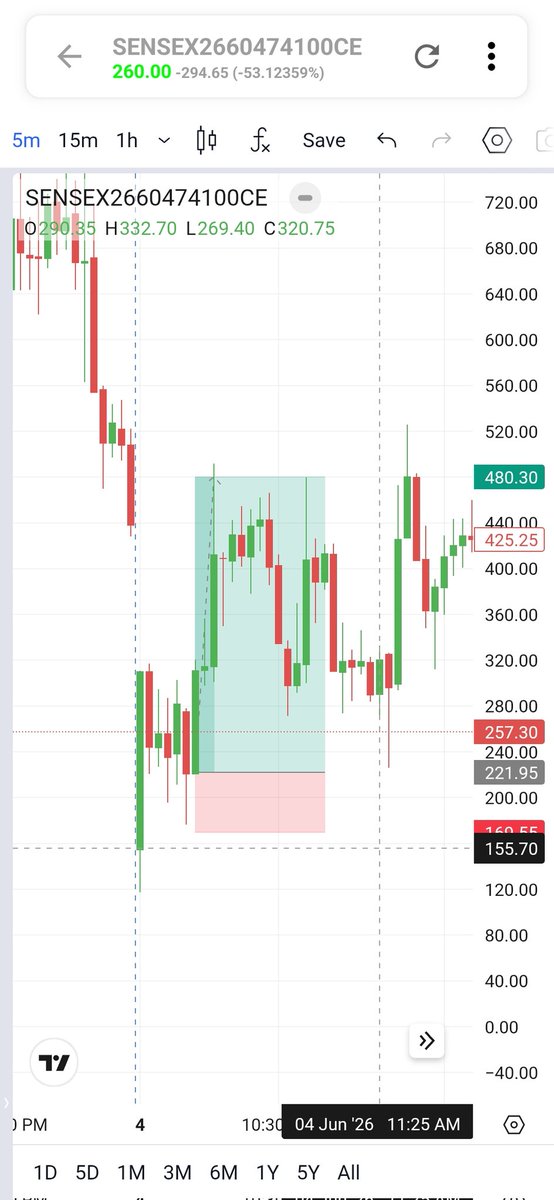
When you get that R:R at 1:5 in 15 mins!!!!
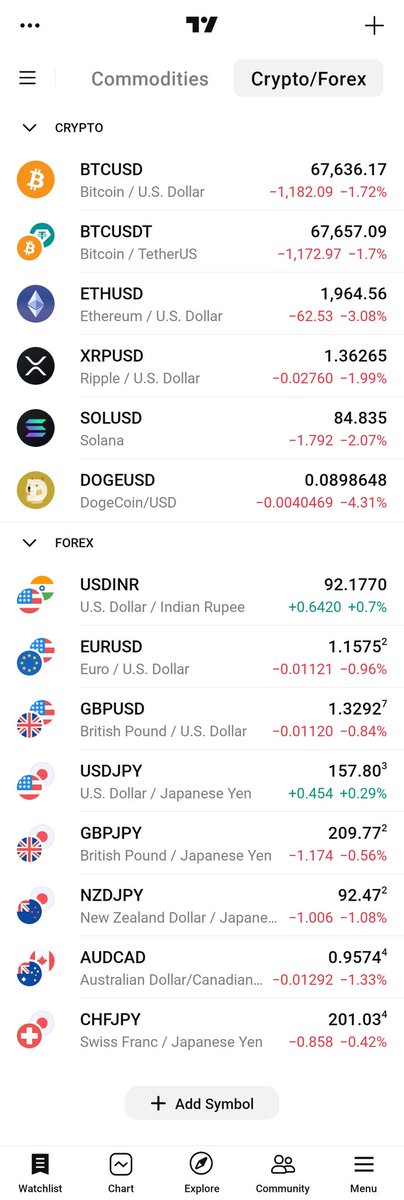
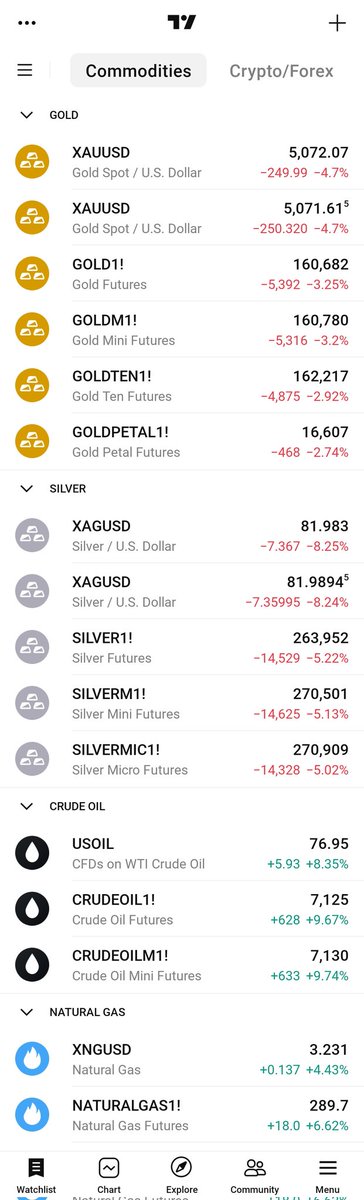
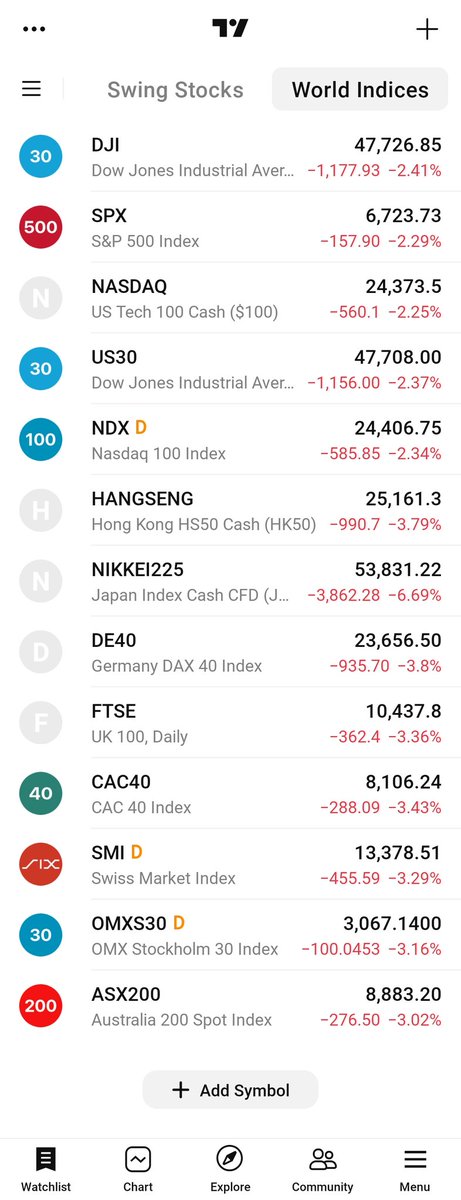
What do you do for the rest the day when the market looks like that ...
Feeling blessed that I could profit in a day like that ...
#Sensex#Trading#Scalping
☀️Good Morning ☀️
There will be phases in trading where even you start doubting your own capabilities — especially when a few days don’t go your way.
And the truth? That’s completely normal.
Markets don’t reward consistency every single day. Sometimes, just a few great trading days are enough to change everything.
Trust the process, understand your edge, and stay patient through the noise.
In the long run, disciplined traders always stand out.
Watched #TheRentalFamily
I recommend you do too...
Brendan Fraser has acted in a role that is tailored for him. This film is a breath of fresh air amidst the cynical films increasing every year.
The Rental Family is sooo beautiful. Kudos to the makers.
If you are a Trade in Indian Markets, or, are planning to start to Trade, whether it is F&O, Swing, Intraday or even Scalping, you gotta understand the simplicity of the things and be humble.
Follow the simple strategy of
Keep
It
Simple
Silly
The Journey of a Trader:
Like most beginners, his stock market journey began on YouTube.
One video led to another—Elliott Waves, Harmonics, Moving Averages, Bollinger Bands, Pivot Points, Gann theory, Astrology, Stochastic indicators, Price Action, and the list went on endlessly. Every new mentor promised consistency, confidence, and profits. Each approach looked convincing. Each strategy claimed to work.
There was no finish line—only more indicators, more charts, more courses.
He started with one method, then quickly moved to another. When results didn’t come, he believed the problem wasn’t the strategy—it was him. So he enrolled in another course, learned another system, and tried again.
Unknowingly, he began mixing multiple approaches—signals contradicting signals, indicators fighting indicators. What followed was confusion, hesitation, and loss.
Every strategy had a near 50% win rate, but without consistency, even the best setups failed him.
After training under multiple experts, he believed he knew everything. In reality, he knew too much—and applied nothing with discipline. The outcome was inevitable: a deep dent in his portfolio and confidence.
Five long years passed.
And then came the realization.
All the fancy indicators, complex theories, and borrowed strategies had taken him nowhere. He went back to the basics—price and volume. No indicators. No predictions. Just understanding how the market actually moved.
Slowly, he learned to read price behavior.
He observed how volume confirmed moves.
He noticed how markets spoke—if one was patient enough to listen.
He chose simplicity and committed to it.
For the next two years, he followed a single, simple price-and-volume-based approach with consistency. No strategy hopping. No indicator overload. Just focus, discipline, and repetition.
That’s when mastery began.
He no longer needed validation from random indicators or complex theories. He understood what he was doing—and more importantly, why he was doing it.
The biggest lesson he learned?
He once believed making money in the stock market required being smart and using complicated techniques. In reality, success came from clarity, simplicity, and discipline.
Moral of the Story:
It took him five years to understand what to avoid—because the market is flooded with information, and every method claims to work.
It took him two years to master the simplest approach—and finally enjoy the journey.
In the stock market, simplicity isn’t a shortcut.
It’s the destination.
Jio and major telcos roll out CNAP
- JIO, VI, Airtel & BSNL have started trials of CNAP service across several telecom circles nationwide
- The feature displays the name of the person calling you, making it easier to identify unknown numbers
- Service is different from apps like Truecaller because CNAP uses the official name that a caller registered with their phone company
𝗣𝗮𝘁𝗶𝗲𝗻𝘁 𝗗𝗼𝗺𝗲𝘀𝘁𝗶𝗰 𝗖𝗮𝗽𝗶𝘁𝗮𝗹 must be 𝗥𝗲𝘄𝗮𝗿𝗱𝗲𝗱, 𝗻𝗼𝘁 𝗣𝗲𝗻𝗮𝗹���𝘀𝗲𝗱.
I explained in Parliament how Investment in India remains heavily taxed, and why it needs to change.